
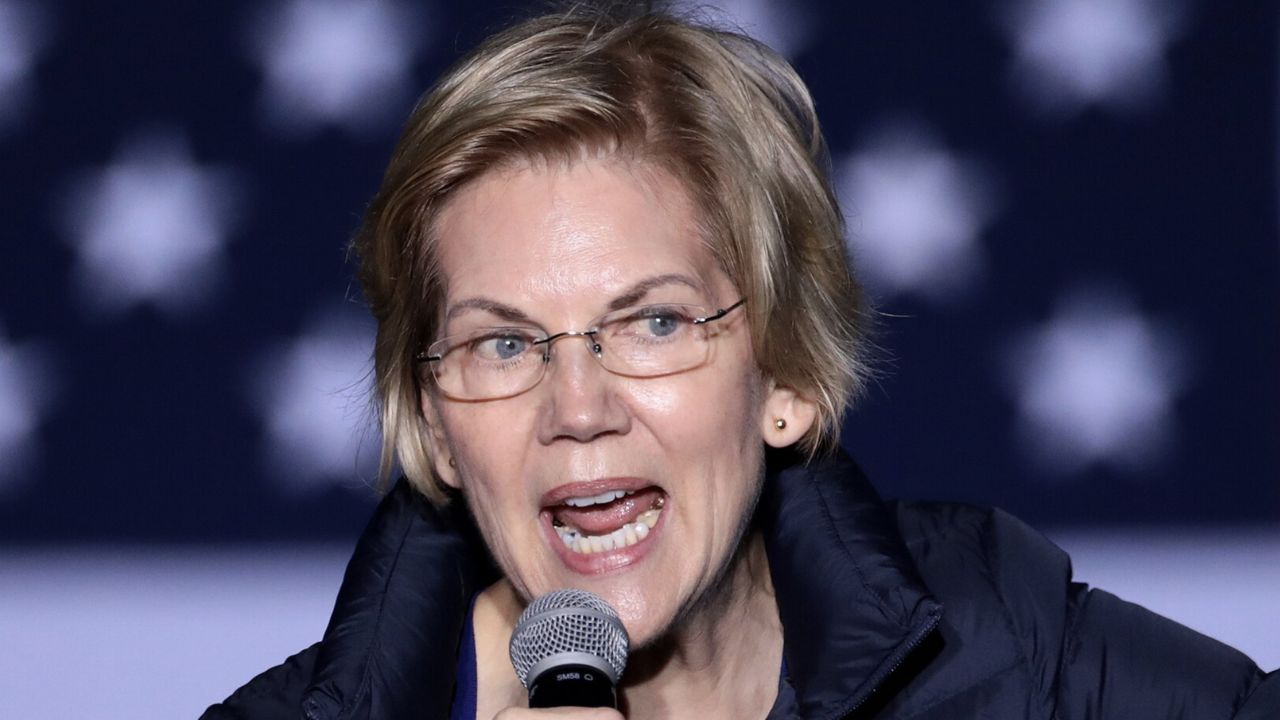
Sen. Elizabeth Warren, the Massachusetts Democrat who serves as ranking member of the Senate Banking Committee, put the cost of the Iran war and the economy it has strained at the center of her midterm message on Sunday. In a post on X, she said high prices and rising borrowing costs are forcing families to give up everyday pleasures like bowling and restaurant meals, and she named the president as responsible. The post was timestamped 12:49 p.m. on Oct. 4, 2026, and arrived 30 days before Election Day.
The Full Post
Warren’s complete post reads:
“High prices and rising borrowing costs are squeezing family budgets, forcing more Americans to cut back on things like bowling and dining out. For many families, fun is becoming increasingly out of reach. This is Donald Trump’s economy.”
The Report Behind the Post
Warren attached a market report published Sept. 28 under the headline “Americans Quit Bowling, Arcades as Leisure Sector Pain Grows.” The report describes American households becoming pickier about spending, creating winners and losers across the consumer industry. It says high prices and climbing borrowing costs are pushing people to put essentials ahead of splurges. Entertainment and leisure companies, including Dave & Buster’s Entertainment Inc. and Lucky Strike Entertainment Corp., are among the hardest hit.
A Pattern of Warnings on Affordability
Warren’s argument builds on a message she has delivered for more than a year. In July 2025 remarks to the Exchequer Club, she said that “Donald Trump and Republicans in Congress are actively making life more expensive for American families.” In a Feb. 13, 2026 statement on January inflation data, she said Trump “promised to lower costs ‘on day one'” and that, one year into his second term, “food continues to get more expensive, utility costs are soaring, and housing prices are rising.” She added that Trump was making life less affordable and, “instead of fixing the economic pain he’s caused, he says this is the Trump economy and he is ‘very proud’ of it.”
Borrowing Costs Move to the Foreground
The “rising borrowing costs” in Sunday’s post follow a shift at the Federal Reserve. On Sept. 16, the Fed’s rate-setting committee voted 12-0 to raise its benchmark rate by a quarter point, to a range of 3.75% to 4%. It was the first increase since July 2023, and the Fed indicated another could follow this year. U.S. inflation was 3.4% year over year in August, and the Fed has pointed to the energy shock from the war with Iran as a driver. Trump criticized the decision, saying the Fed raised rates “only for political reasons.”
Warren had warned of this in floor remarks ahead of the final confirmation vote on Fed Chair Kevin Warsh, saying: “Trump’s economy is in big trouble. Consumer sentiment is at an all time low. Families are paying more for groceries, more for housing, more for health care, all thanks to Trump’s chaotic tariffs and his One Big Beautiful Bill.” She also said that “it will be American families who pay the price when this scheme backfires and raises prices and the cost of borrowing even more.”
The War and the Pump
Warren has repeatedly tied household costs to the U.S.-Iran war. In April, she wrote on X: “Since Trump started his illegal war with Iran, Americans have paid $8.4 billion more at the gas pump.” She added: “American families are footing the bill for Trump’s reckless policies.” On Sept. 14, she posted that average national gas prices had reached $4.15 per gallon, nearly $1 higher than a year earlier and “the highest price ever for September.” She closed that post with the line “All this for a war he can’t even explain.”
The Pentagon Price Tag
A day later, Warren turned to the war’s cost to the Defense Department. The Congressional Budget Office has estimated the conflict’s cost at $38.1 billion, with munitions the largest share at $21.7 billion, including $13.1 billion for missile-defense interceptors. “Trump’s war in Iran has cost taxpayers almost $40 BILLION and drove nearly HALF of inflation,” Warren wrote on X. She called the figure “a conservative estimate” that leaves out damage to U.S. bases, destroyed munitions supplies, and higher costs like gas and groceries. The budget office has said the main economic effect comes from reduced oil shipments through the Strait of Hormuz and disruptions in the Red Sea.
Another Post on Gas Prices
On Sept. 29, Warren pointed to the administration’s own newly launched America.gov site, which answered “yes” when asked whether the Iran war had contributed to higher gas and diesel prices. “Even America.gov agrees: Donald Trump drove up your gas prices,” she wrote on X.
Democrats Press the Same Argument
Other Democrats have pressed the same theme. On Sept. 17, the office of California Gov. Gavin Newsom said the war had saddled Americans with “more than $108 billion” in extra fuel costs. It said the war had reached its 200th day, with the average household paying nearly $900 more for fuel. Newsom’s office said gas topped $4 a gallon nationwide over Labor Day weekend, the most expensive Labor Day price on record, and urged the administration to “pay Americans back” before sending any new checks.
Trump’s Response on Gas Prices
Trump has defended the war’s costs. At a mid-September rally in Gastonia, North Carolina, for Senate nominee Michael Whatley, he called surging gas prices “a very inexpensive price to pay for what we’ve done,” adding, “Frankly, even if it was a lot more.” He predicted prices would fall quickly, saying they would come “tumbling down” and be “like rocket ships in reverse.” The Strait of Hormuz, the shipping lane central to global oil supply, remained closed at the time, and the national average for regular gasoline had climbed from $4.31 to $4.43 in four days.
The Midterm Stakes
The affordability fight has moved into the contest for control of Congress, which will be decided on Nov. 3. Polymarket, the prediction market, currently gives Democrats a 93% chance of winning the House of Representatives, up from 73% in May. Republicans hold a narrow House majority, and Democrats need a net gain of only three seats to take control. Prediction markets measure trader sentiment and are not polls, and they have been wrong before.
Why the Post Matters
Warren’s post is notable for its framing as much as its subject. Bowling alleys and arcades sit far from the Strait of Hormuz and the Pentagon’s munitions stockpiles. By linking those everyday losses to a wartime economy and attributing them to one man, she is working to make the war’s costs concrete for voters who may never follow the details of the fighting.
What Comes Next
The Fed has signaled another rate increase could come before year’s end. Gas prices are near record highs for the season, and the Strait of Hormuz remains a central variable in the cost of fuel. Warren has indicated she will keep tying those pressures to Trump by name through Election Day, and Democrats appear to be making the same argument. How much of the strain voters attribute to the war, to tariffs, or to the president himself will help decide the outcome of the midterms.