
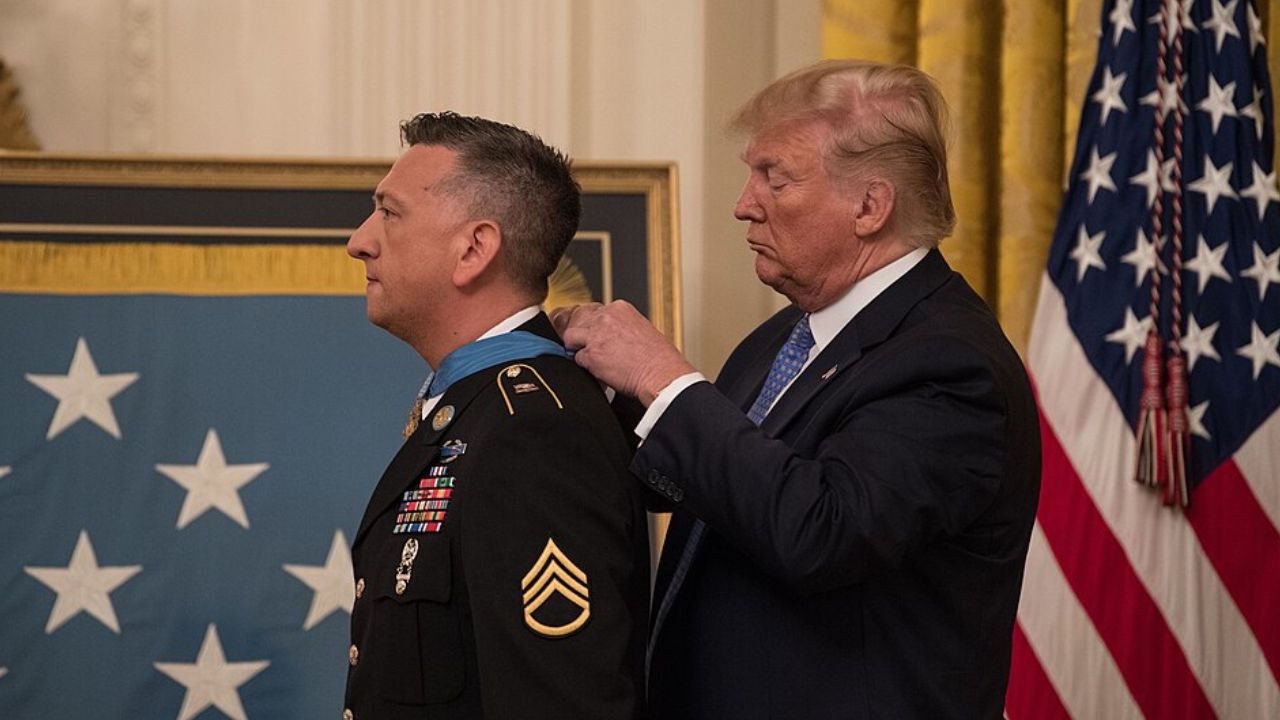
David Bellavia’s story is one of extraordinary bravery, yet it remains largely untold among the broader public. As a soldier who demonstrated exceptional valor during intense urban combat in Iraq, his experiences highlight the intense and gritty reality of warfare. This article aims to shed light on Bellavia’s heroic actions and the significance of his contributions to military history.
The Battle of Fallujah: A Turning Point in Modern Warfare
The Second Battle of Fallujah was one of the most pivotal confrontations during the Iraq War, marking a significant turning point in modern warfare. Occurring in November 2004, it was a brutal and intense operation that aimed to regain control of the city from insurgents. The battle was crucial not only for its immediate objectives but also for its broader implications in the Iraq War, showcasing the determination and resilience of the American forces.
The urban combat environment in Fallujah presented unique challenges to the American troops. Navigating through densely packed buildings, narrow alleyways, and an array of hidden threats, soldiers had to adapt quickly to the ever-changing landscape of urban warfare. The insurgents were deeply entrenched, using the city’s infrastructure to their advantage, which made the task of clearing the city exceptionally difficult for the U.S. military. Soldiers faced the constant risk of ambushes, hidden explosives, and sniper fire, all of which demanded a high level of strategic planning and execution.
To succeed in Fallujah, the military employed a range of strategies, including air support, coordinated ground assaults, and innovative urban warfare techniques. The operation required close cooperation between various military branches and units, each playing a vital role in the battle’s success. The lessons learned from this intense and challenging engagement have since influenced military tactics and training, underscoring the importance of adaptability and coordination in urban combat scenarios.
David Bellavia’s Heroic Actions
On November 10, 2004, during the Battle of Fallujah, David Bellavia displayed remarkable bravery and determination, earning him a place in military history. As his unit engaged in the dangerous task of clearing insurgent-held houses, Bellavia found himself in a perilous situation that required quick thinking and fearless action. His courage and skill in the face of overwhelming odds were instrumental in overcoming the challenges that his unit faced.
Bellavia’s actions that day were nothing short of extraordinary. While clearing a house, he encountered a group of insurgents determined to repel the American forces. Despite the intense danger, Bellavia single-handedly engaged the enemy combatants, neutralizing the threat and ensuring the safety of his fellow soldiers. His quick decision-making and fearless approach under fire were critical in a situation where hesitation could have proven fatal.
Eyewitness accounts from fellow soldiers highlight the intensity of the engagement and the crucial role Bellavia played. His fellow soldiers witnessed his unwavering resolve and selfless dedication, which inspired those around him to continue the fight despite the overwhelming odds. The actions of Bellavia on that day not only demonstrated his personal valor but also underscored the profound impact that one individual’s courage can have on an entire unit.
The Medal of Honor: Recognition of Valor
The Medal of Honor is the highest military decoration awarded by the United States government, recognizing acts of valor above and beyond the call of duty. For David Bellavia, receiving this prestigious award was both an honor and a reflection of his extraordinary bravery during the Battle of Fallujah. The process of nomination and awarding the Medal of Honor involves rigorous scrutiny and evaluation of the individual’s actions, ensuring that only those who have demonstrated exceptional heroism receive this recognition.
Bellavia’s journey to receiving the Medal of Honor involved a comprehensive review of his actions during the battle, with testimonies from his peers and superiors playing a crucial role in the nomination process. The criteria for the award are stringent, requiring clear evidence of gallantry and selflessness in the face of danger. Bellavia’s actions on November 10, 2004, met these criteria, earning him a place among the distinguished group of Medal of Honor recipients.
Reflecting on receiving the Medal of Honor, Bellavia expressed his gratitude and humility, acknowledging the sacrifices of his fellow soldiers and the significance of the award. For him, the Medal represents not just personal recognition but also a tribute to the courage and dedication of all those who served alongside him. As Bellavia noted, the award is a reminder of the shared commitment and bravery that define the best of the military service.
Impact on Fellow Soldiers and Military Legacy
The impact of David Bellavia’s actions on his fellow soldiers was profound, serving as a source of inspiration and a boost to morale during challenging times. His courage and leadership in the heat of battle demonstrated the qualities that define effective military leadership, encouraging those around him to strive for excellence and resilience in the face of adversity. Bellavia’s heroism left a lasting impression on his unit, reinforcing the importance of teamwork and perseverance in achieving mission objectives.
Beyond his immediate unit, Bellavia’s actions have had a broader influence on military practices and training, highlighting the need for adaptability and quick decision-making in combat scenarios. His experience in urban warfare has contributed to the development of new strategies and training programs designed to prepare soldiers for the complexities of modern combat. Bellavia’s story serves as a testament to the enduring impact that individual heroism can have on the military’s evolution and preparedness.
Personal stories from soldiers who served alongside Bellavia provide further insight into his leadership and character. Many of his peers describe him as a dedicated and selfless leader, always willing to put the needs of others before his own. Their perspectives underscore the profound respect and admiration that Bellavia commands among those who know him, highlighting the qualities that make him a true leader and a cherished figure in military circles.
Public Perception and Media Coverage
Despite the remarkable nature of his actions, David Bellavia’s story has not received the widespread media coverage that one might expect for a Medal of Honor recipient. Several factors contribute to this limited public awareness, including the sheer volume of news stories and the challenges of maintaining attention on military achievements in a rapidly evolving media landscape. Nevertheless, efforts have been made to ensure that Bellavia’s contributions are recognized and remembered.
Media coverage of Bellavia’s story has varied, with some outlets providing in-depth accounts of his heroism, while others have offered only brief mentions. The role of documentaries, books, and interviews has been crucial in preserving his legacy, offering detailed insights into his experiences and the significance of his actions. These mediums have helped to bridge the gap between the military community and the broader public, shedding light on the realities of combat and the valor of soldiers like Bellavia.
One reason for the limited public awareness of Bellavia’s story may be the broader context of the Iraq War and its portrayal in the media. The complexities and controversies surrounding the conflict have often overshadowed individual stories of heroism, making it challenging for narratives like Bellavia’s to gain widespread traction. However, ongoing efforts to highlight the significance of his actions and ensure that his contributions are recognized continue to play a vital role in preserving his legacy.
The Importance of Remembering Modern Heroes
Remembering and honoring contemporary military heroes like David Bellavia is crucial in understanding the realities of modern combat and the sacrifices made by service members. His story offers valuable insights into the challenges and complexities of urban warfare, highlighting the courage and determination required to succeed in such environments. By recognizing and preserving the stories of modern heroes, we ensure that their contributions are acknowledged and appreciated by future generations.
Bellavia’s story contributes to a broader understanding of the nature of modern warfare, providing a personal perspective on the experiences of soldiers in combat. His actions serve as a reminder of the bravery and dedication that define the military service, offering lessons that extend beyond the battlefield. The legacy of heroes like Bellavia is an essential part of our collective history, shaping the way we perceive and appreciate the sacrifices made by those who serve.
Efforts to preserve and share stories like Bellavia’s are ongoing, with initiatives aimed at ensuring that these narratives are not forgotten. Through education, media, and personal accounts, the stories of modern heroes continue to inspire and inform, fostering a deeper appreciation for the courage and commitment of those who serve. By remembering and honoring individuals like David Bellavia, we not only pay tribute to their sacrifices but also reinforce the values that define our society and military culture.