
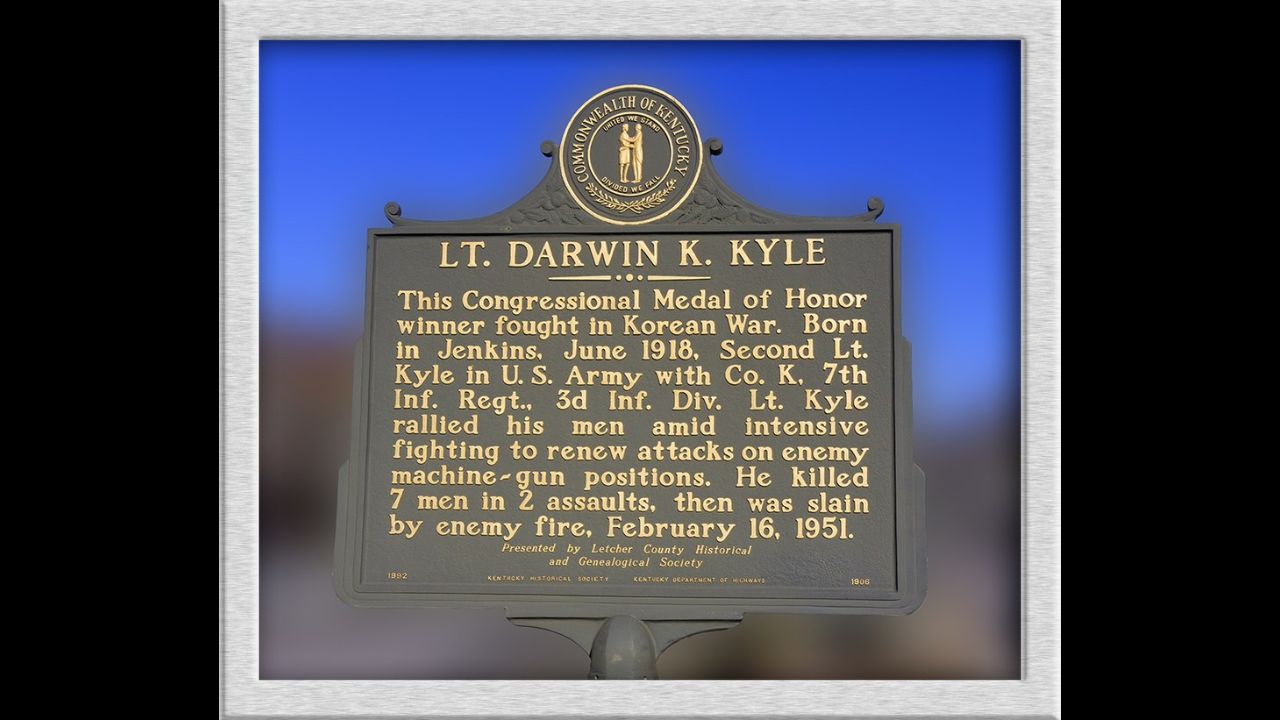
Darwin Kyle, a formidable leader and hero of World War II and the Korean War, displayed remarkable courage and tactical acumen in the face of overwhelming odds. Despite his significant contributions to military history, his story remains largely confined to military archives. This article seeks to shed light on the life and heroic deeds of this unsung warrior.
Early Life and Military Beginnings
Born in 1918 in the small town of McKeesport, Pennsylvania, Darwin Kyle grew up during an era defined by economic struggle and global conflict. The Great Depression had a profound impact on his early years, instilling in him a sense of resilience and determination. These qualities would later serve him well on the battlefield. As a young man, Kyle was drawn to the military, inspired by tales of heroism and a desire to serve his country. He enlisted in the Army in 1940, a decision that would set the stage for a remarkable military career.
After joining the Army, Kyle underwent rigorous training, which honed his leadership skills and prepared him for the challenges ahead. The training programs of the era placed a strong emphasis on discipline, strategy, and teamwork, shaping Kyle into a capable and resourceful leader. His first assignments involved working with seasoned officers, where he quickly demonstrated his ability to lead and inspire others. These early experiences laid the foundation for his future roles in some of the most significant military campaigns of the mid-20th century.
Kyle’s initial assignments, though not as high-profile as his later engagements, were crucial in shaping his understanding of military operations. He gained valuable experience in logistics, troop management, and field tactics. This period of his career was marked by a willingness to learn and adapt, qualities that would later define his leadership style. As he moved through the ranks, Kyle began to earn a reputation for his strategic thinking and calm demeanor under pressure, characteristics that would prove essential in the heat of battle.
World War II Heroics
During World War II, Darwin Kyle found himself at the heart of some of the most pivotal battles in the European theater. As an officer in the 88th Infantry Division, he participated in the brutal Italian Campaign, where Allied forces faced formidable German defenses. The Battle of Monte Cassino, in particular, tested Kyle’s leadership and courage. Despite facing intense enemy fire and treacherous terrain, he led his men with unwavering determination, earning the respect and admiration of his peers.
Kyle’s leadership was not confined to the front lines. In numerous instances, he displayed extraordinary bravery under fire, often placing himself in harm’s way to ensure the success of his missions. One notable example occurred during the Battle of Anzio, where his quick thinking and tactical acumen averted a potential disaster for his unit. Such acts of valor did not go unnoticed, and Kyle was awarded several commendations, including the Silver Star, for his gallantry in action.
Despite his remarkable contributions, Kyle’s story is often overshadowed by more famous figures of the era. The complexities of war and the passage of time have led to a focus on more prominent personalities, leaving Kyle’s heroics tucked away in military records. Yet, for those who served alongside him, his legacy is indelible. His ability to stay cool under fire and his dedication to his fellow soldiers made him a revered figure within his division, and his actions continue to be studied in military schools today.
The Korean War and Beyond
After World War II, Kyle continued his military service, transitioning to the Korean War, where he faced new challenges in a vastly different conflict. The Korean Peninsula presented a unique set of obstacles, from harsh weather conditions to a determined and well-equipped enemy. Kyle’s experience in World War II proved invaluable as he adapted his strategies to suit the demands of this new theater of war. His leadership during the Battle of Chipyong-ni was particularly noteworthy, as he coordinated a successful defense against overwhelming odds.
In Korea, Kyle’s leadership was instrumental in several key engagements. His ability to inspire and motivate his troops was evident in the way his men rallied under his command, even in the most dire situations. His presence on the battlefield was a source of strength for his soldiers, who admired his tenacity and commitment to their well-being. Kyle’s influence extended beyond tactics and maneuvers; he fostered a sense of camaraderie and loyalty among his troops, which significantly boosted their morale and effectiveness.
Despite the challenges he faced, Kyle’s impact on the Korean War was profound. His innovative tactics and emphasis on teamwork left a lasting impression on the soldiers he led. His legacy in the Korean conflict is one of resilience and adaptability, qualities that are still revered in military circles today. Through his actions, Kyle demonstrated the importance of leadership in shaping the outcomes of battles and the lives of those who fight them.
Legacy in Military Records
Kyle’s contributions to military history are meticulously documented in military archives, where his strategies and actions are studied by historians and military scholars. These records provide a detailed account of his service, offering insights into his tactical genius and leadership style. However, despite the wealth of information available, Kyle’s story remains largely unknown to the general public, overshadowed by more famous military figures whose exploits have captured the popular imagination.
One reason for this historical overshadowing is the nature of military storytelling, which often highlights high-ranking officers or those involved in particularly dramatic events. Kyle’s story, while compelling, lacks the larger-than-life narrative that typically garners widespread attention. Nevertheless, efforts are underway to ensure that his legacy is preserved and recognized. Military historians and veterans’ organizations are working to bring Kyle’s story to light, emphasizing the importance of acknowledging the contributions of all who served, regardless of their rank or fame.
Preserving Kyle’s legacy is not just about honoring an individual; it’s about recognizing the collective efforts of countless soldiers who played vital roles in shaping history. By highlighting stories like Kyle’s, we gain a more comprehensive understanding of the past and the many factors that contribute to military success. These efforts serve as a reminder of the sacrifices made by those who fought in anonymity, their stories a testament to the courage and determination that defined their service.
The Importance of Remembering Unsung Heroes
Recognizing the contributions of lesser-known military figures like Darwin Kyle is crucial in painting a complete picture of history. These individuals, often overshadowed by their more famous counterparts, played essential roles in the success of military operations. By bringing their stories to light, we pay homage to their sacrifices and ensure that their contributions are not forgotten. Kyle’s story serves as a reminder of the countless unsung heroes whose bravery and dedication have shaped the course of history.
Learning from the past is a vital aspect of military education, and Kyle’s experiences offer valuable lessons for future leaders. His ability to lead under pressure, adapt to changing circumstances, and inspire his troops are qualities that remain relevant in today’s military landscape. By studying his actions and strategies, current and future military personnel can gain insights into effective leadership and the importance of resilience in the face of adversity.
Storytelling plays a crucial role in inspiring future generations to appreciate and learn from history’s quiet heroes. By sharing stories like Kyle’s, we encourage a deeper understanding of the complexities of war and the human experiences that lie at its core. These narratives serve as powerful reminders of the sacrifices made by those who have served, inspiring future generations to honor their legacy and strive for excellence in their own endeavors.