
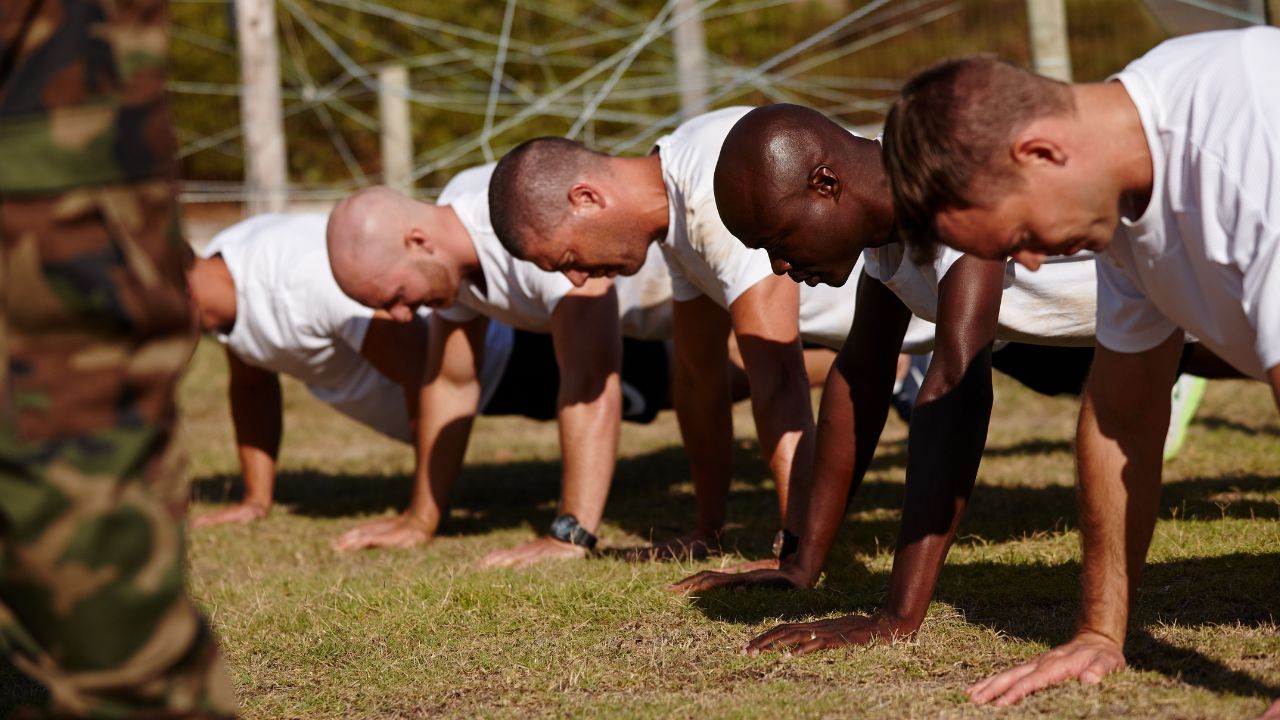
In the realm of combat conditioning, building real strength under pressure involves much more than traditional physical training. It requires a comprehensive approach that integrates mental fortitude, adaptability, and injury prevention strategies to optimize performance. Individuals can develop resilience and strength in high-pressure situations through a multifaceted approach that draws from military training, psychological preparedness, and lifestyle factors.
The Foundation of Physical Strength
Developing a solid physical foundation is crucial in combat conditioning, and a holistic training approach can play a pivotal role. By integrating strength, endurance, and flexibility training, individuals can achieve a well-rounded fitness level that supports their performance under pressure. Insights from military training programs, such as those outlined in military.com, have shown that combining these elements leads to enhanced overall strength and resilience. A balanced training regimen that addresses all aspects of physical fitness ensures that one is prepared for the physical demands of high-pressure environments.
Injury prevention and recovery are essential components of a successful conditioning program. Implementing methods to minimize injury risk, such as proper warm-ups and cool-downs, alongside regular rest and rehabilitation, can significantly enhance one’s ability to perform consistently. The U.S. Army’s approach to optimizing performance and reducing injury provides a valuable framework for individuals looking to maintain peak physical condition over the long term.
Building Mental Resilience
Mental strength is a cornerstone of combat conditioning, providing the psychological resilience needed to maintain focus and composure under stress. Military personnel often utilize techniques such as visualization and mental rehearsals to prepare for challenging scenarios. According to the American Psychological Association, these techniques help individuals build the mental stamina necessary to tackle high-pressure situations effectively.
Stress management techniques, including mindfulness and cognitive-behavioral approaches, are invaluable tools for enhancing performance. Practicing mindfulness allows individuals to stay grounded and focused, while cognitive-behavioral strategies help in reframing negative thoughts and managing anxiety. These techniques are integral to maintaining mental clarity and decision-making abilities, especially in high-stakes environments.
Nutritional and Lifestyle Factors
Fueling the body effectively is crucial for optimizing both physical and mental performance. A diet tailored to the demands of combat conditioning ensures that individuals have the necessary energy and nutrients to perform at their best. Emphasizing balanced nutrition that includes adequate protein, carbohydrates, and healthy fats supports sustained energy levels and recovery. Insights from fitness experts like Gabriel Basso highlight the importance of aligning dietary choices with fitness goals.
In addition to nutrition, lifestyle habits such as sleep and hydration play a significant role in overall conditioning. Adequate rest is essential for recovery, allowing the body to repair and strengthen itself. Similarly, staying hydrated is vital for maintaining endurance and cognitive function. The military’s emphasis on these lifestyle factors underscores their importance in achieving optimal performance in demanding situations.