
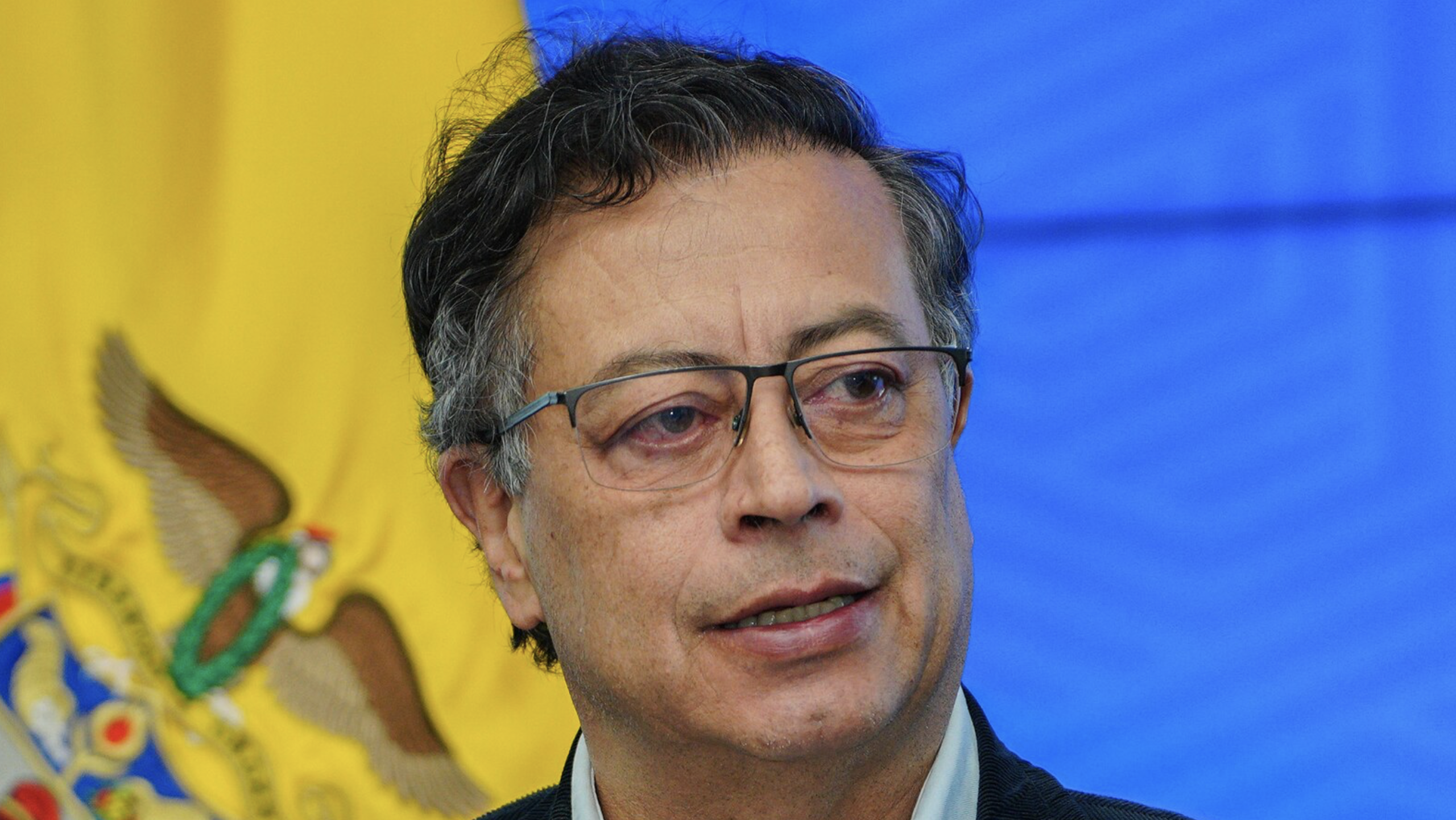
Colombian President Gustavo Petro issued a public condemnation of recent remarks attributed to U.S. President Donald Trump regarding Cuba, warning that any military action against the island would amount to a broader assault on Latin America and its sovereignty. The comments, posted on the social media platform X on May 2, 2026, framed the region as a “continent of Freedom” and reiterated support for Cuba’s political independence.
The post was published at 3:31 PM on May 2, 2026, and directly responded to escalating rhetoric surrounding potential U.S. military action against Cuba, which has sparked widespread diplomatic concern across parts of Latin America and the Caribbean.
In the post, Petro wrote in full:
“I disagree with a military aggression against Cuba because that would be a military aggression against Latin America. We said that the Caribbean is a zone of peace and that must be respected. It is the Cuban men and women who are the sole owners of their country. The American continent will live in peace if no one proposes to impose themselves over the others. This continent is the continent of Freedom and not of invasions. Honor to José Martí and to the free and sovereign republics of Latin America and the Caribbean.”
Petro’s message emphasized opposition to any military escalation involving Cuba, framing the issue not as an isolated bilateral dispute but as one that would have implications for the broader region. The reference to the Caribbean as a “zone of peace” echoed long-standing diplomatic language used by several Latin American governments advocating for non-intervention and regional sovereignty.
The statement also asserted that Cuban citizens alone hold ownership over their country’s political future, rejecting the legitimacy of external imposition. That framing positioned sovereignty and self-determination as central themes in Petro’s response.
A significant portion of the post underscored a broader ideological message about the identity of the Americas, stating that the continent should be understood as one defined by freedom rather than military intervention. The line “This continent is the continent of Freedom and not of invasions” served as a direct rejection of foreign military action as a tool of political influence in the region.
Petro also invoked 19th-century Cuban independence leader José Martí, aligning the message with historical narratives of anti-colonial resistance in Latin America and the Caribbean. The reference placed contemporary tensions within a longer historical context of sovereignty struggles across the region.
The comments come amid heightened regional debate following recent statements by U.S. President Donald Trump indicating possible military action against Cuba after ongoing operations abroad. Those remarks had already drawn attention across Latin America and prompted concern among regional leaders about potential escalation.
In statements from a Florida public event, Trump suggested that U.S. forces could move against Cuba “almost immediately” following the conclusion of military operations in Iran, describing a potential show of naval power and rapid deployment scenario. Those remarks triggered diplomatic reactions across multiple countries in the hemisphere.
Petro’s post appears to directly address that broader context, signaling opposition from Colombia to any form of military intervention and reinforcing a regional stance favoring non-intervention and diplomatic resolution.
The framing of the Caribbean as a “zone of peace” also aligns with positions previously supported in various regional forums, where Latin American and Caribbean states have called for the exclusion of external military conflict from the area.
By characterizing Latin America as a “continent of Freedom,” the Colombian president reinforced a narrative of regional autonomy and resistance to foreign military influence, particularly in relation to smaller or strategically positioned nations such as Cuba.
The statement adds to a growing diplomatic discourse surrounding sovereignty, intervention, and regional security, as governments across Latin America respond to shifting geopolitical rhetoric involving the United States and its military posture in the Western Hemisphere.
As of the time of publication, the post had not been formally accompanied by additional statements from Colombia’s foreign ministry, though it reflects Petro’s broader foreign policy messaging emphasizing regional independence and opposition to military interventions.