
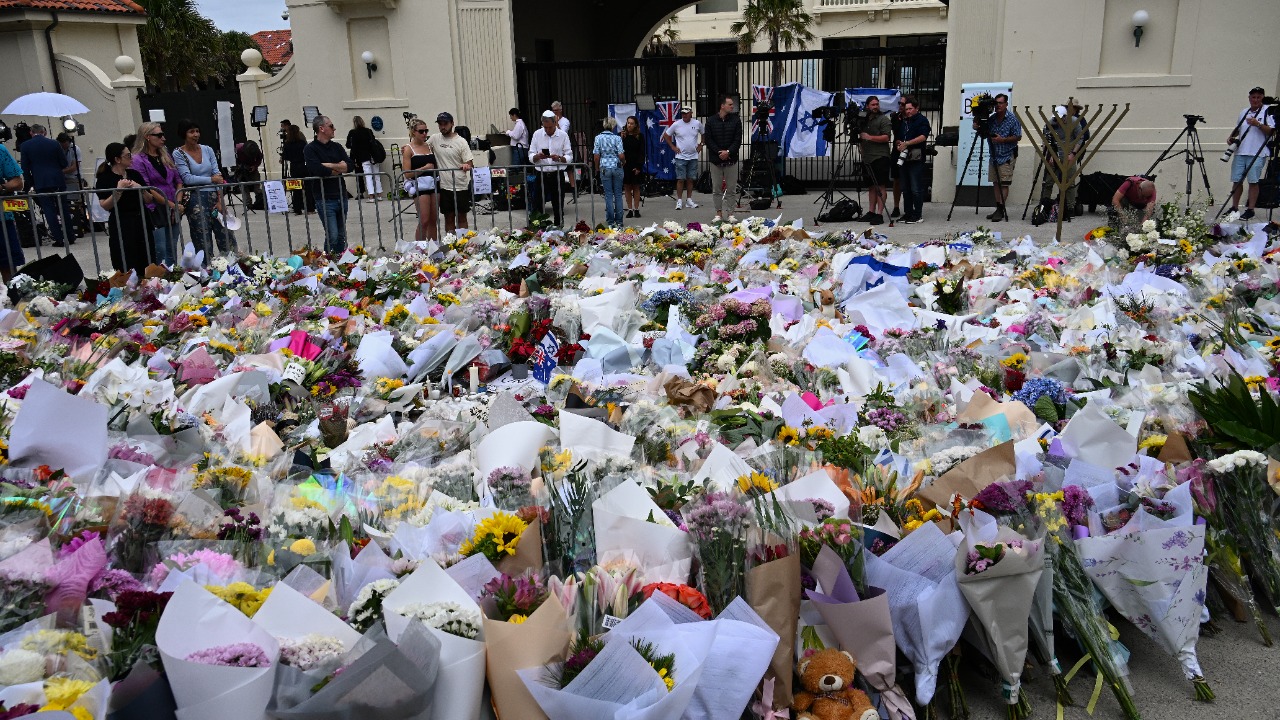
Australia is moving at an unusual speed to tighten gun control and criminalize a wider range of hate‑driven conduct after the Bondi Beach terrorist attack that left at least 15 people dead at a Jewish festival. The federal government and key states are aligning on a package that couples a national gun buyback and stricter licensing with new offences for hate preachers, tougher penalties for extremist propaganda and expanded powers for security agencies. The result is a sweeping reset of how the country intends to police both firearms and the rhetoric that can precede violence.
From Bondi massacre to the legislative sprint
The Bondi Beach attack, in which two shooters opened fire at a Jewish festival and killed 15 people, shattered the sense that Australia’s post‑1996 gun settlement was sufficient on its own to contain contemporary extremism. Within days, national leaders promised that the response would go beyond condolences and would include concrete changes to gun access and to the legal treatment of hate speech that can fuel such attacks, a commitment that framed every subsequent policy step. The scale of the killings and the fact that Jewish worshippers were targeted gave the government political cover to move faster and more aggressively than in previous debates over security and civil liberties.
That urgency is visible in the decision to recall Parliament early so that the new package could be debated and passed rather than waiting for the usual sitting calendar. As the Prime Minister explained in a press conference in Canberra, the Albanese Government framed the reforms as another step toward a safer and more unified Australia, not a temporary reaction. That framing matters, because it signals that the Bondi massacre is being treated as a structural warning about the intersection of firearms, imported extremist ideologies and online radicalization, rather than as an isolated tragedy.
National gun crackdown built on a familiar template
On firearms, the federal response borrows heavily from the playbook that followed the 1996 massacre in Tas, when Australia first introduced a sweeping National Firearms Agreement and a large-scale buyback. The new measures would again enable a national buyback scheme, described as the largest since that earlier campaign, and would tighten background checks for gun licences so that security and mental health red flags are harder to ignore. Officials have also signalled that the National Firearms Agreement itself will be revisited to reflect the proliferation of new weapon types and the lessons from Bondi about how legal guns can be diverted or misused.
The lower house has already backed tougher gun control laws that pave the way for the buyback and stricter vetting, with Parliament expected to finalize the package after fast-tracked debate. As part of a broader omnibus approach, the government plans to renegotiate the National Firearms Agreement with the states, which currently underpins the country’s restrictions on automatic and semi‑automatic weapons. In parallel, the Combatting Antisemitism, Hate and Extremism Bill includes a Schedule that amends federal law on the import, control and management of firearms, closing loopholes that allowed some high-powered weapons and parts to enter the country with limited scrutiny.
States move first with caps, protests and security powers
While Canberra reshapes national rules, New South Wales has already pushed through some of the toughest state-level gun and protest laws in its history. The Terrorism and Other Legislation Amendment Bill passed the state Parliament with measures that cap most gun licences at four firearms, while allowing certain categories, such as farmers to hold up to ten, and expand police powers to monitor and disrupt suspected terror activity. In parallel, an Australian state law has tightened rules on protests linked to extremist causes, including higher fines for unauthorized demonstrations that block critical infrastructure, reflecting concern that some rallies have been used to glorify or incite violence.
Those changes sit alongside a broader tightening of state-level rules after the Bondi Beach terrorist attack, with Australia and the NSW government facing pushback from regional shooters and civil liberties advocates. Critics argue that capping licences and restricting protests may not have stopped the Bondi gunmen, while supporters counter that limiting the overall pool of weapons and constraining extremist street mobilization reduces risk over time. At the federal level, the national cabinet has already agreed in principle to share the cost of the buyback equally between the federal government and the states, a sign that premiers accept both the political pressure and the financial burden of the new regime.
Hate speech, extremist symbols and the risk of overreach
The other pillar of the post-Bondi response is a rapid expansion of federal hate crime and anti-extremism law, which supporters say is essential to disrupt radicalization and opponents warn could chill legitimate speech. The Combatting Antisemitism, Hate and Extremism Bill would create new offences for hate preachers who intentionally incite violence, stiffen penalties for existing hate crimes, expand the list of prohibited extremist symbols and establish a national scheme for outlawing designated hate groups. It would also give home affairs ministers greater powers to reject or cancel visas for individuals who spread hatred, a change that Albanese has presented as a way to keep foreign extremists out of the country.
Under the omnibus approach described in How the package works, the same legislation that enables the gun buyback also introduces a new offence of criminalizing hatred with intent, targeting those who deliberately stir up violence against protected groups. Analysts such as Keiran Hardy have warned that moving so quickly risks drafting vague provisions that could capture robust political advocacy or unpopular opinions alongside genuine incitement. Yet with Australia’s Parliament already debating the combined hate speech and gun reforms, and the Albanese Government intent on showing that it can act decisively after Bondi, the political momentum clearly favours passing the laws first and refining them later.