
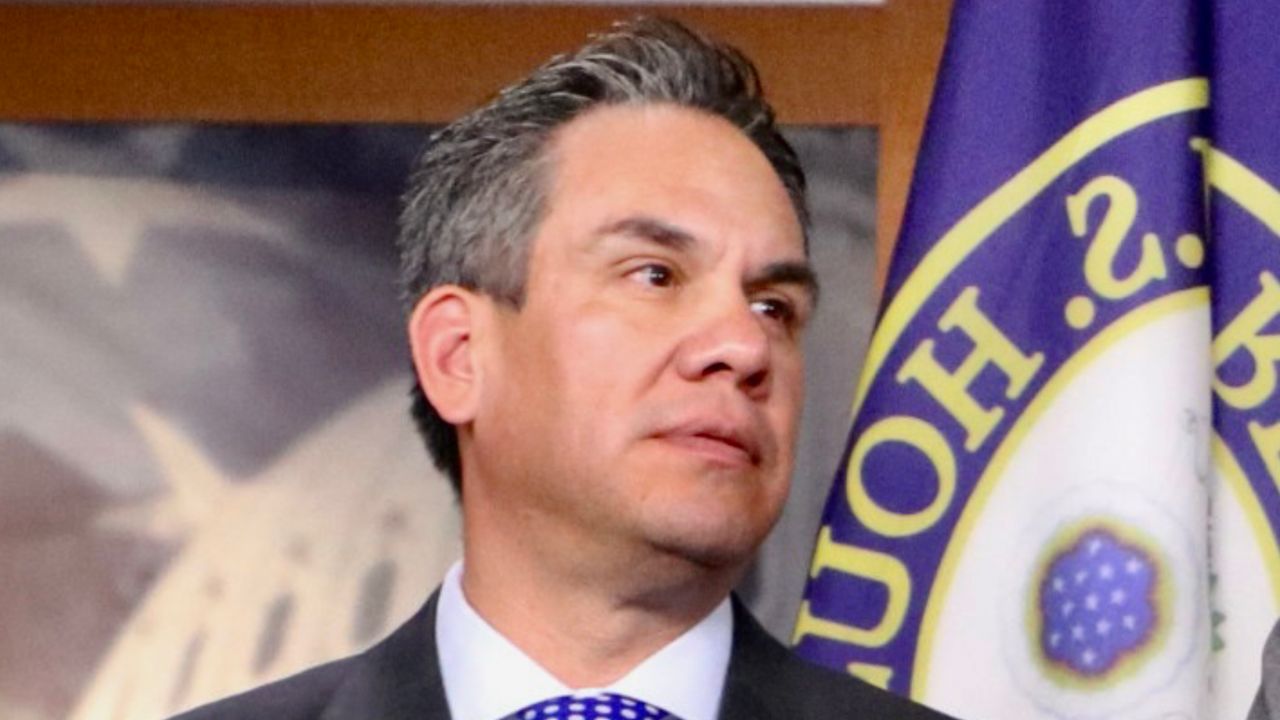
Representative Pete Aguilar, the Democratic Caucus chairman, pledged on November 20 that House Democrats would hold individuals responsible for financially harming or defrauding Americans accountable, delivering a broad warning as Democrats prepare to assume greater congressional oversight authority following their midterm election victory. His statement comes after months of criticism of the Trump administration over tariffs, federal spending, food assistance reductions and the economic consequences of the war with Iran. With Democrats preparing to take control of congressional committees in January, Aguilar’s promise also carries implications for investigations into administration policies and the use of taxpayer money.
Aguilar published the following statement on X:
House Democrats will hold all those who rip-off, shortchange or defraud the American people accountable.
The statement uses three distinct descriptions of alleged misconduct. “Rip-off” refers to individuals or entities taking financial advantage of Americans, while “shortchange” suggests depriving people of money, benefits or services to which they are entitled. “Defraud” is a more specific allegation involving deception to obtain money or another benefit. Aguilar did not identify particular individuals, agencies or transactions in the post, meaning the statement should be understood as a general accountability commitment rather than an announcement of a specific investigation or criminal finding.
His public record provides several indications of the administration’s conduct that he has been criticizing. One recurring subject has been the financial impact of Trump’s trade policies. In February 2026, Aguilar visited Warrior Machinery, a construction and agricultural equipment business in California’s Inland Empire, where he discussed the effect of tariffs on imported steel, aluminum and machinery components. He said the company had raised prices to offset increased costs, lost customers and experienced declining profits. Aguilar called for the administration to roll back the tariffs.
Aguilar subsequently connected the administration’s trade policies with the war in Iran. During an April 7, 2026 visit to Anita’s Mexican Snack Foods, he highlighted rising fuel prices, increased packaging expenses and supply-chain problems affecting a family-owned food manufacturer. His office identified tariffs, the Iran conflict and higher operating expenses as contributing factors. The visit illustrated the type of financial harm he has repeatedly attributed to administration decisions: increased costs being passed through businesses and ultimately affecting consumers.
Aguilar has also criticized the administration’s reductions in food assistance. In July 2026, he held a press conference at the Family Service Association of Redlands to highlight the effects of the Republican reconciliation law on SNAP recipients. He said the legislation represented the largest funding reduction to food assistance programs in U.S. history and reported that more than 4 million Americans had lost SNAP assistance. His office also highlighted the impact on California households, including more than 300,000 people who had lost CalFresh benefits.
His criticism of food assistance reductions predates the November statement. In November 2025, Aguilar joined other Inland Empire representatives at a Riverside food bank to criticize the administration’s handling of SNAP during the federal government shutdown. The lawmakers said approximately 42 million Americans were affected by the delayed November benefits. Aguilar accused the administration of allowing families and children to go hungry while federal resources were being directed toward other priorities.
By October 2026, Aguilar was again emphasizing the connection between rising grocery prices and food assistance. His office reported that 2,200 students at California State University, San Bernardino, had used the campus food pantry during the fall semester and that student applications for CalFresh had more than doubled from the previous year. Aguilar also cited the nationwide decline in food assistance participation following the 2025 reconciliation law.
The Iran war has been another central part of Aguilar’s criticism. In March 2026, he visited a family-owned food truck business affected by higher gasoline prices and rising operating expenses. His office said fuel prices in San Bernardino County had climbed above $5.50 per gallon after the conflict began. Aguilar argued that the costs of the war were affecting ordinary businesses and consumers, not simply federal military budgets.
Aguilar also joined House Democratic leadership in demanding accountability over the administration’s military operations. On June 3, 2026, he joined Democratic Leader Hakeem Jeffries and Whip Katherine Clark in issuing a statement after House Democrats successfully passed a War Powers Resolution. The leadership statement criticized the administration for initiating military operations without clear objectives, an exit strategy or congressional authorization, and raised concerns about billions of dollars in spending and the risks to American servicemembers.
The financial accountability language in Aguilar’s latest post also follows his criticism of the administration’s handling of federal agencies. In January 2026, he joined Representatives Raul Ruiz and Mark Takano in demanding the removal of Homeland Security Secretary Kristi Noem and reforms at Immigration and Customs Enforcement. The lawmakers accused the department of using federal resources to conduct abusive enforcement operations and called for investigations and institutional accountability. Their demands included changes to detention practices, restrictions on excessive force and stronger oversight.
Aguilar’s history of challenging Trump also goes back to the president’s first administration. In February 2017, he pledged to hold Trump accountable for decisions that threatened families in his congressional district. His statement at the time focused on immigration, health care and civil rights policies. In the years since, his criticisms have expanded to include tariffs, food assistance, military operations, federal spending and the administration’s treatment of government agencies.
The November pledge also comes as Democrats prepare to gain control of congressional investigative committees. The House and Senate have independent constitutional authority to conduct oversight, but that authority is exercised primarily through committees and subcommittees. House Rule XI and Senate Rule XXVI provide committees with mechanisms to subpoena witnesses and documents, subject to chamber rules and committee procedures. That authority can allow lawmakers to demand records from executive agencies, compel testimony and investigate matters relevant to congressional responsibilities.
The change in political control does not mean every Democratic representative can independently issue subpoenas. The investigative powers belong to the chambers and their authorized committees, with procedures governing subpoena approval, issuance and enforcement. Once Democrats assume committee leadership in the new Congress, their chairs will have the ability to use the committees’ existing investigative authorities within their respective jurisdictions. That could significantly change the administration’s relationship with congressional oversight.
The incoming majority has already identified several potential areas of investigation involving the Trump administration, including financial arrangements, federal agency decisions and the conduct of administration officials. The transition is particularly significant for the House Oversight Committee, which has jurisdiction over a broad range of federal government operations. Investigations could include requests for documents, hearings, testimony and subpoenas where authorized by committee rules.
Aguilar’s role as Democratic Caucus chairman places him among the senior figures involved in setting the party’s legislative and political priorities. His statement does not name a particular investigation, but his documented record points to several policy areas where he has repeatedly called for accountability: the financial consequences of tariffs, the costs of the Iran war, reductions in food assistance and the conduct of federal agencies. Those subjects are likely to remain central to Democratic oversight efforts when the new Congress convenes.
The distinction between political accountability and legal accountability will also matter as Democrats prepare their investigations. Congressional committees can expose decisions, compel records under authorized procedures, hold hearings and recommend legislative or other action. They cannot automatically establish criminal liability or prosecute administration officials. Any allegations of fraud or criminal conduct would still require appropriate investigations and legal proceedings. Aguilar’s statement therefore signals an intention to use congressional power to scrutinize conduct affecting Americans, rather than establishing that specific individuals have already been found to have committed wrongdoing.
With the new Congress approaching, Aguilar’s warning places the administration on notice that its spending decisions, economic policies and agency actions will face a different level of scrutiny. His previous statements and legislative activity suggest that the promise to hold people accountable is connected to a broader campaign to challenge what Democrats describe as financial harm to American households and misuse of federal authority.