
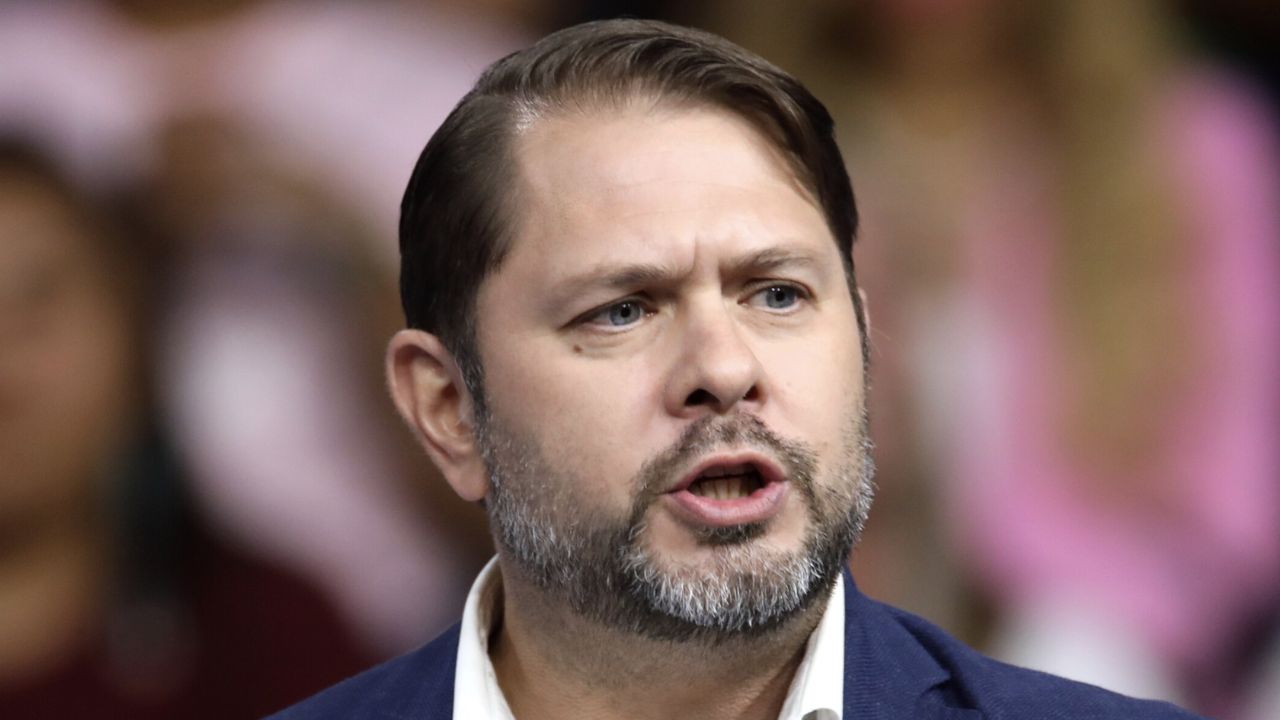
Sen. Ruben Gallego said Democrats must use their newly secured congressional majority to end the war with Iran, roll back President Donald Trump’s tariffs, lower costs for American households and address corruption in Washington. The Arizona Democrat’s November 10 statement outlines four policy priorities following the midterm elections, placing the military conflict at the center of his demand for a new congressional agenda.
Gallego published his post on X at 8:05 a.m. Eastern time. His complete statement reads:
Democrats won the majority. Now we need to work on what people actually care about: ending this stupid war, rolling back Trump’s tariffs, lowering costs, and cleaning up corruption in Washington.
The post identifies four distinct goals: ending the Iran war, reversing Trump’s tariff policies, addressing the cost of living and pursuing anti-corruption measures. Gallego’s prior official statements, letters and legislation provide a record of his positions on each issue.
Ending the Iran War
Gallego has repeatedly opposed the administration’s military campaign against Iran. On March 4, he issued a statement after the Senate failed to advance a War Powers resolution sponsored by Sen. Tim Kaine. Gallego argued that Trump had brought the United States into the conflict without congressional authorization and without explaining its rationale, strategy or end goal.
Gallego also cited his own military service in Iraq and the loss of friends during that war. He warned against sending another generation of American service members into an open-ended conflict without a clear explanation of its objectives or exit strategy. His statement called for Congress to ensure that any U.S. participation in hostilities against Iran receives explicit authorization.
On September 17, Gallego joined Sen. Elissa Slotkin and 44 Democratic colleagues in demanding that the Pentagon provide a full accounting of the Iran war’s costs. The letter to Hegseth criticized the Defense Department for withholding budget information as casualties and taxpayer expenses increased. The lawmakers also raised concerns about extended deployments and the impact on military families.
Gallego’s record shows that ending the Iran war is not a new position introduced after the election. His earlier War Powers statement and congressional letters demonstrate a sustained focus on limiting unauthorized military action and demanding information about the conflict’s costs.
Rolling Back Trump’s Tariffs
Gallego has also pursued legislative and oversight efforts targeting Trump’s tariffs. On February 26, he urged the president to ensure that refunds from tariffs invalidated by the Supreme Court would benefit American families and small businesses rather than large corporations.
In October, Gallego cosponsored the End Trump’s Tariff Tax Act, S.5390. The legislation was referred to the Senate Finance Committee after being introduced. The measure provides a concrete example of his stated effort to reverse tariff policies, although its referral does not mean the bill has become law.
The incoming Democratic majority could use its control of Congress to advance legislation targeting tariffs. However, the president’s veto authority and the need to secure votes in both chambers could limit the party’s ability to enact a full repeal. Reuters reported after the election that Democratic gains could increase congressional influence over trade policy, while tariff repeal efforts could face a presidential veto.
Lowering Costs for American Households
Gallego’s affordability agenda extends beyond tariffs. In January, he released a housing plan titled “The Path Home,” which proposed measures to expand housing construction and improve access to homeownership. He has also supported legislation addressing housing affordability and measures aimed at lowering energy costs.
In October, Gallego unveiled a broader economic framework to rebuild the middle class. The plan included a proposed $20 minimum wage, a New Deal-style public service jobs program and a tax on data centers and artificial intelligence. These proposals reflect his stated objective of reducing household expenses while addressing wage stagnation.
Cleaning Up Corruption in Washington
Gallego’s anti-corruption position also has a legislative component. In August, he announced plans with Sen. Elizabeth Warren and other lawmakers to introduce the Ending Presidential Corruption in Banking Act. The proposal would prevent presidents, vice presidents, immediate family members and certain senior officials from exploiting their positions to own or control a bank.
Gallego’s legislation and official statements have focused on potential conflicts of interest involving government officials and financial institutions. His October post links that agenda to the broader mandate he believes Democrats received in the midterm elections.
What the Democratic Majority Can Accomplish
Democrats’ control of the House and Senate gives them greater authority to schedule legislation, conduct investigations, oversee the executive branch and challenge the administration’s military and economic policies beginning in January. The new majority could hold hearings on the Iran war, examine tariff effects and pursue anti-corruption legislation.
However, the majority does not guarantee that every priority in Gallego’s post will become law. Legislative proposals must pass both chambers and receive presidential approval, or overcome a veto. Ending military hostilities also involves executive branch decisions and congressional war powers.
Gallego’s November 10 statement therefore serves as a direct call for Democrats to turn their election victory into policy action. His documented record on the Iran war, tariffs, affordability and corruption provides context for the four priorities he identified, while the new Congress will determine how far those goals can advance.