
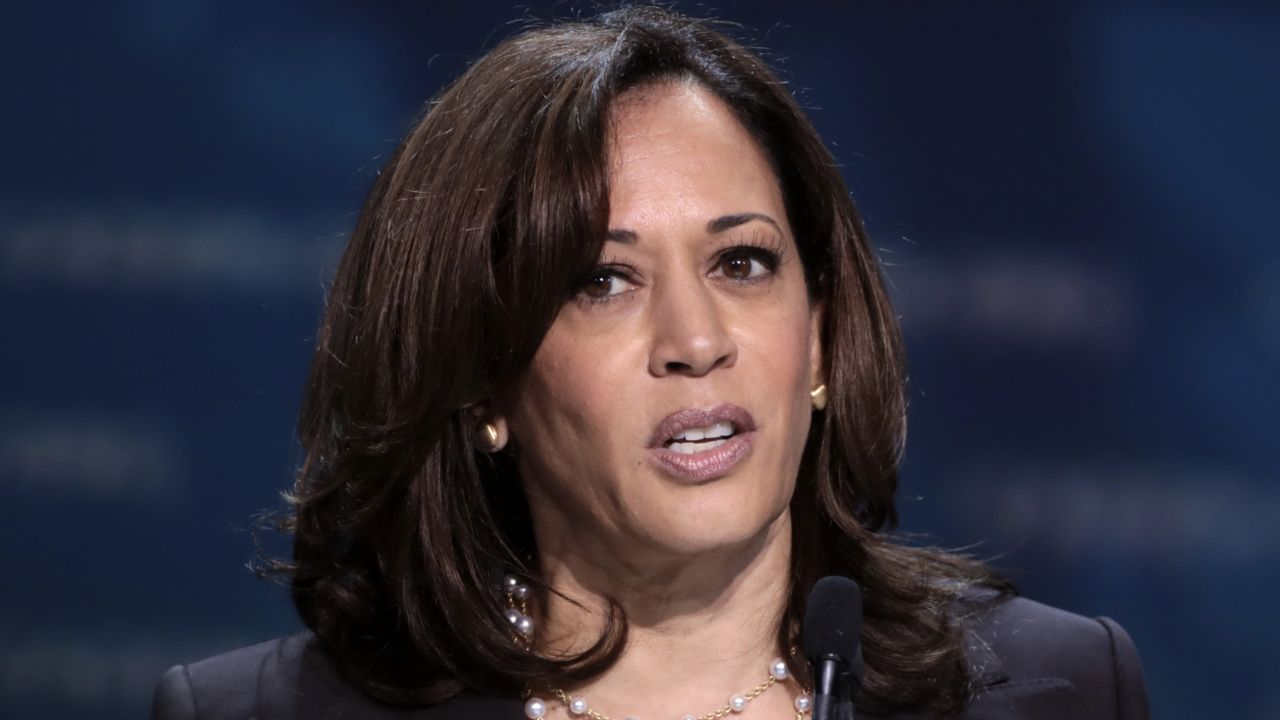
Former Vice President Kamala Harris issued a forceful post-election statement Wednesday, declaring that American voters had rejected what she described as the “corruption, incompetence, and callousness” of President Donald Trump’s White House and the “capitulation” of Republican leaders. Following Democratic victories across federal, state and local races in the November 3 midterm elections, Harris called on the party to move beyond campaigning and aggressively use its newly secured political power to deliver economic relief, investigate alleged misconduct and hold the administration accountable.
Harris, who served as vice president under former President Joe Biden and lost the 2024 presidential election to Trump, framed the election results as a direct message from voters about the direction of the country. Her November 4 statement emphasized that the outcome was not simply a collection of individual candidate victories but a rejection of the governing approach adopted by the Trump administration and the Republican leadership that has supported it.
“On Election Day, the American people spoke loud and clear: they are done with the corruption, incompetence, and callousness coming from the White House and the capitulation of Republican leaders. As I traveled the country to campaign for Democrats up and down the ballot, I witnessed the resolve of the people to turn pain into purpose, and anger into action.
I congratulate all the great candidates who ran fantastic races and the thousands of volunteers who made calls, knocked on doors, and ensured Democrats won resoundingly.
Now, the work begins to actually deliver results. The American people have elected Democrats across the country in federal, state, and local races who must be ruthless in using every lever of power to deliver economic relief for working families and hold this administration accountable for their deep-seated corruption.
The people demand nothing less.”
The opening accusation of “corruption, incompetence, and callousness” is among the most pointed parts of Harris’ statement. By grouping the three terms together, she challenges the administration’s ethical conduct, its handling of government responsibilities and its treatment of Americans affected by its policies. Harris presents the election results as evidence that voters have become dissatisfied with those issues. Her characterization is a political assessment, however, rather than a judicial finding that the administration has committed corruption.
Harris also specifically criticized Republican leaders for what she called their “capitulation.” The accusation centers on the relationship between congressional Republicans and Trump, suggesting that Republican lawmakers have failed to exercise sufficient independence or oversight over the president. The statement’s emphasis on Republican leadership is significant because Harris is not directing her criticism exclusively at the White House. She is also arguing that the political institutions responsible for checking presidential power must be held accountable for their decisions.
Her reference to turning “pain into purpose” and “anger into action” describes the campaign experience she said she witnessed while traveling across the country. Harris connected the emotional frustrations of voters with their participation in the electoral process, portraying the Democratic victories as the result of people channeling dissatisfaction into political engagement. The language also echoes her broader public emphasis on organizing, voter participation and the importance of elections in determining the direction of government.
Harris’ congratulations to candidates who ran “fantastic races” and the thousands of volunteers who made calls and knocked on doors placed the campaign’s grassroots operation at the center of her post-election message. Her statement recognizes the work of candidates across the ballot, including federal, state and local contests. The emphasis on volunteers also highlights the party’s reliance on organizing efforts beyond national political figures, particularly in competitive districts and statewide races.
The statement’s transition — “Now, the work begins to actually deliver results” — establishes Harris’ central demand of Democratic officeholders. Winning elections, in her framing, is only the first step. She argues that the party must translate electoral gains into policy outcomes that directly affect Americans. The message is also a warning that Democratic victories will carry expectations from voters who want measurable changes rather than simply a change in political control.
Economic relief for working families is one of the two explicit priorities Harris identifies. Her statement does not specify a particular bill or policy proposal, but it places household economic pressures at the forefront of the party’s post-election responsibilities. The focus is consistent with Harris’ broader political emphasis on affordability, wages, housing costs and economic opportunity. The precise measures Democrats pursue will depend on the legislative and executive authority available to them.
Harris’ call for Democrats to be “ruthless in using every lever of power” is particularly consequential. The phrase signals an expectation that Democratic officeholders should use the full extent of their lawful authority, including legislative oversight, investigations, hearings, appropriations decisions and state-level powers, to advance their agenda and scrutinize the administration. The statement does not identify specific investigations or actions, but it makes clear that Harris is advocating an assertive approach rather than a restrained response to the election outcome.
The demand to hold the administration accountable for what Harris calls its “deep-seated corruption” further underscores the statement’s confrontational tone. Her language places alleged misconduct at the center of the Democrats’ responsibilities following the election. The distinction between accusation and documented findings remains important: Harris is expressing her political judgment about the administration, while any formal determination of wrongdoing would require evidence and the relevant investigative or judicial process.
Harris’ position also reflects her experience as a former vice president and the Democratic presidential nominee who faced Trump in 2024. During the campaign, she repeatedly criticized Trump’s conduct, his approach to executive power and his policies, while presenting Democrats as defenders of democratic institutions and economic opportunity. Her post-election statement extends that opposition into the next phase, urging Democratic officeholders to turn their electoral gains into sustained political and institutional action.
The election results provide the immediate context for Harris’ message. Reuters reported that Democrats captured majorities in both the House and Senate in a sweeping setback for Trump, with gains reaching into Republican strongholds. The results ushered in a period of divided government in Washington, creating a new balance of power that could increase congressional scrutiny of the administration and reshape the legislative agenda. Harris’ demand that Democrats use “every lever of power” comes against that backdrop.
Harris concluded with a declaration that “The people demand nothing less,” placing the responsibility for the election’s outcome squarely on Democratic leaders. Her message is both celebratory and demanding: she congratulates candidates and volunteers while insisting that the victories must produce tangible economic relief and accountability. For Harris, the election is not the end of the political struggle over Trump’s presidency but the beginning of a new phase in which Democrats are expected to exercise their power aggressively and deliver results.