
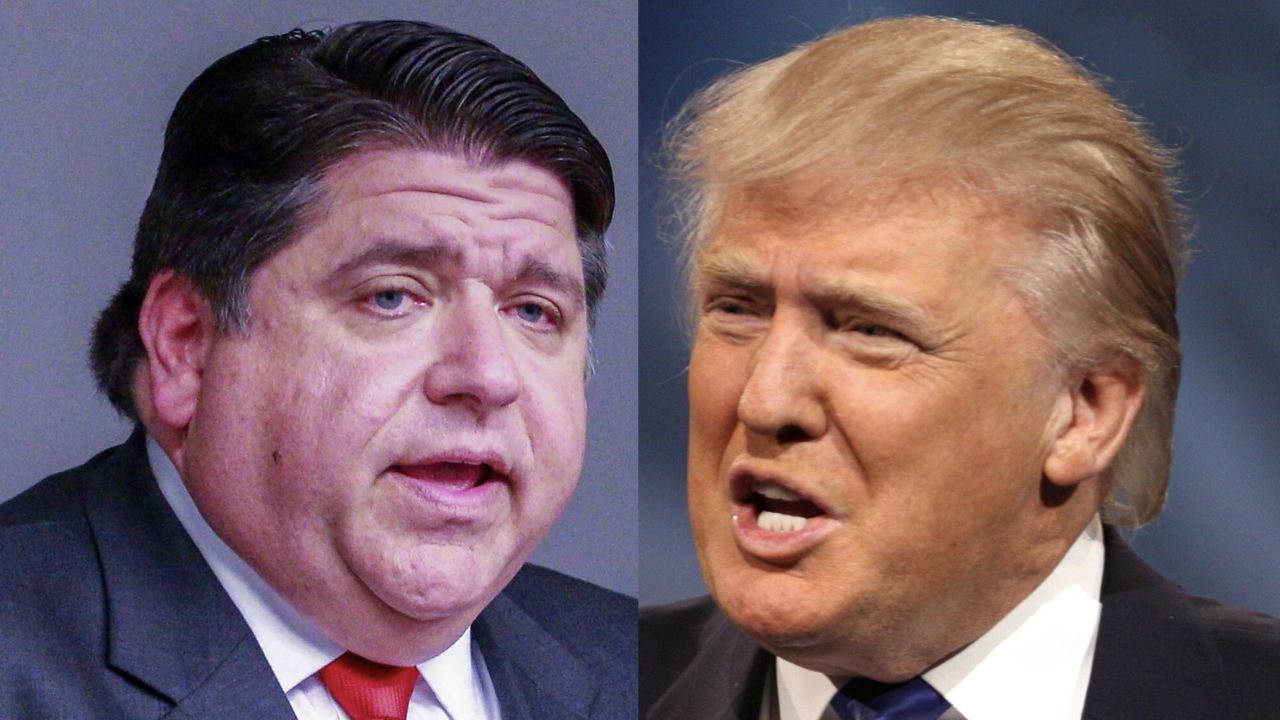
Illinois Gov. JB Pritzker is delivering a forceful warning to President Donald Trump, declaring that he will not allow the administration or anyone else to interfere with the rights of Illinois residents. In a November 3 Election Day statement, the Democratic governor promised to defend his constituents against threats to their freedom, health and security, continuing his public confrontation with the president over federal immigration enforcement and the administration’s use of government power.
Pritzker published the following statement on X at 9:20 a.m. Eastern time:
“I won’t let anyone, including this President, stand in the way of our rights.
When it comes to threats to our freedom, health, or security: you come for my people, you come through me.”
The statement is a direct reference to Trump’s administration and its policies, although Pritzker does not identify a single specific federal action in the post. Instead, he groups together rights, personal freedom, health and security as areas where he believes state leadership must protect residents from federal overreach.
Pritzker’s opposition to Trump has been particularly visible in the area of immigration enforcement. The governor has criticized the administration’s deployment of federal agents and its enforcement tactics, arguing that residents should not be subjected to intimidation, excessive force or violations of their rights. His administration has also established mechanisms to document allegations of misconduct and preserve information about the effects of federal immigration operations.
One example is the Illinois Accountability Commission, whose work was highlighted in an October 15, 2026 announcement. The governor’s office described the commission as an effort to investigate federal immigration enforcement conduct, preserve the public record and pursue accountability for individuals and communities affected by federal actions.
In that announcement, Pritzker accused the administration of carrying out what he described as a military-style assault against communities, involving federal agents who he said had harassed and intimidated residents. He also rejected the idea that federal agents could act without accountability, arguing that their actions remained subject to investigation.
The commission’s work includes documenting the experiences of people detained, deported, separated from family members or otherwise affected by federal immigration enforcement. It also provides a way for individuals to submit information about potential misconduct. The effort reflects Pritzker’s position that state officials should preserve evidence and document the consequences of federal enforcement operations, even when those operations are carried out by federal agencies.
Pritzker’s opposition has also involved state legislation intended to protect Illinois residents from federal actions that his administration considers unlawful or harmful. His approach has combined public criticism of Trump with state-level measures, legal challenges and efforts to establish documentation and oversight mechanisms.
His November 3 reference to threats to health is also significant because the governor has repeatedly criticized federal policies affecting access to health care and public services. Illinois has pursued state-level measures to protect health care access and maintain programs for residents amid disputes with the federal government. Pritzker’s broader argument is that federal policy decisions should not undermine the health and security of people living in Illinois.
The governor’s comments also reflect a wider dispute over the limits of presidential authority. Pritzker has argued that states have an obligation to defend their residents when the federal government takes actions that state officials believe violate constitutional protections or exceed executive authority. His administration’s accountability efforts are one example of how he has sought to turn that argument into a formal state response.
The election-day timing adds another dimension to his statement. Pritzker is speaking as voters decide which party will control Congress during the final two years of Trump’s presidency. Democrats are seeking to take control of the House and Senate, and the outcome will affect congressional oversight of immigration enforcement, federal spending and the administration’s broader agenda.
The House and Senate have different responsibilities in that process. A Democratic House majority could hold hearings, investigate federal agencies and demand information from administration officials. A Democratic Senate majority would change committee leadership and the chamber’s role in legislation, nominations and oversight. Those changes would not automatically prevent federal enforcement policies, but they could increase congressional scrutiny.
Pritzker’s statement is consistent with his broader political approach toward Trump: public opposition combined with state-level efforts to protect Illinois residents and challenge federal actions. His language is deliberately personal, presenting the governor’s office as a barrier between his constituents and policies he believes threaten their rights.
By saying that anyone who comes after his people will have to come through him, Pritzker is making a political commitment to continue opposing those actions. The statement does not identify a specific new policy or announce a new legal action, but it reinforces his administration’s existing position that the rights and safety of Illinois residents will remain a priority in its dealings with the federal government.
His message arrives as the midterms could give Democrats greater power to challenge the administration in Congress. Pritzker’s statement therefore connects his state-level opposition to the larger national election, in which voters are deciding whether Republicans should retain control of the legislative branch or Democrats should gain the ability to exercise greater oversight of Trump’s presidency.