
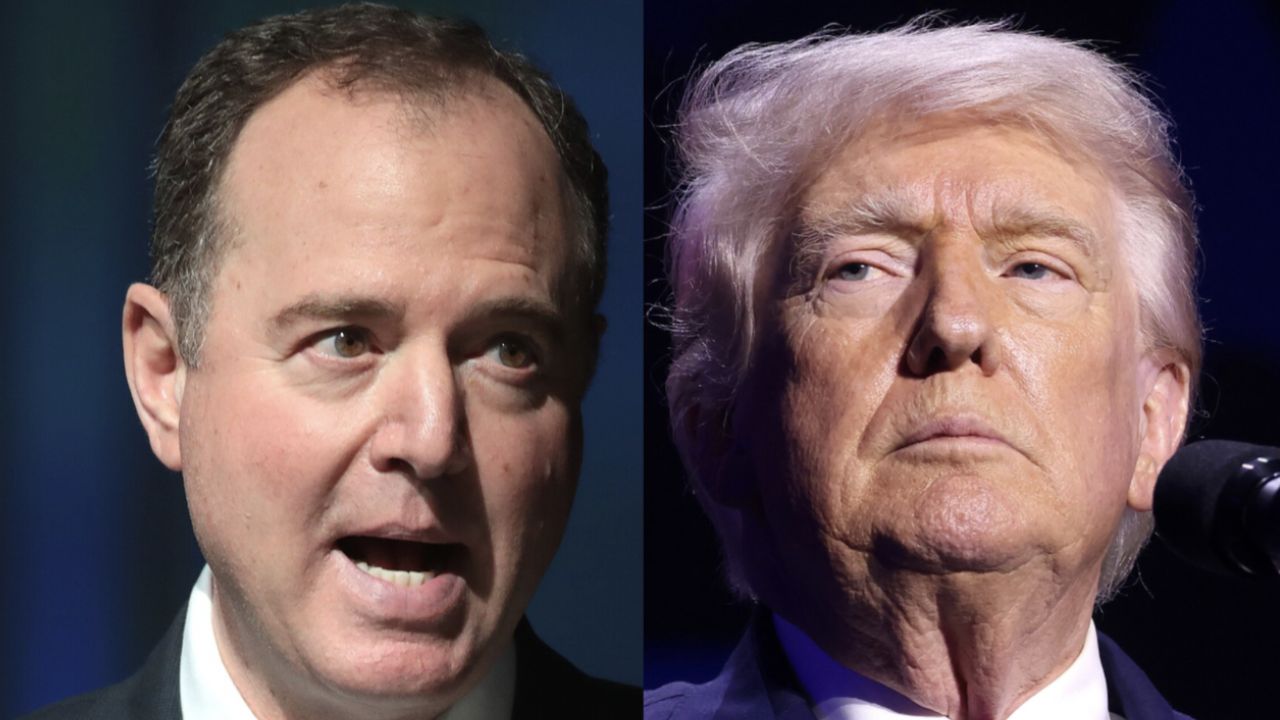
Sen. Adam Schiff (D-Calif.) said Saturday that a draft federal review of California’s coastal management program is a “five-alarm warning” to every industry that depends on the state’s coastline. He accused the Trump administration of creating a pretext to take away California’s power to manage its own shores. The review was conducted by the National Oceanic and Atmospheric Administration.
Schiff’s full post, published at 10:12 a.m. on Oct. 24, 2026, read:
This is a five-alarm warning to every job and industry that relies on our sandy beaches and beautiful bluffs for its livelihood. Soon, you too could see your environment for sale to Big Oil, Elon Musk, and any other high bidder that buys its way into the White House ballroom.
For half a century, California and the federal government have cooperated to protect our coastline. Now, further proof that this administration wants to end that partnership.
This trumped-up evaluation is the latest evidence of what I and our delegation have been warning of: that Donald Trump’s NOAA is creating a pretext to take away California’s power to manage its own shores.
If these threats are seen through, an administration that has proven to be hell-bent on reopening California to dangerous offshore drilling and other environmental hazards would get the sole jurisdiction over our golden coast.
The post responds to a Los Angeles Times report on NOAA’s draft findings, which the newspaper obtained through a public records request. The 92-page review says California coastal authorities have shown “unjustified hostility and political bias” toward offshore drilling, oil and gas projects and SpaceX launches. It says future federal funding for the state’s coastal program is suspended until the deficiencies are addressed.
The report says the draft lists more than a dozen corrective actions. They include meeting with SpaceX to discuss concerns about political bias and discussing regulatory burden with Sable Offshore Corp., a Texas oil company seeking to restart an offshore operation near Santa Barbara. The Coastal Commission must also issue a statement by January pledging not to categorically oppose initiatives led by certain entities or relating to industries such as oil and gas.
Legal experts quoted in the report said the federal government has never before tried to strip a coastal state of its rights this way. Meg Caldwell, who directed Stanford’s environmental law program for more than two decades, called the draft a dangerous ultimatum. The Coastal Commission said it has a 50-year record of successful federal partnership. It said 96 percent of the time it either approves projects as submitted or negotiates improvements. The state has until Nov. 16 to respond, and the commission requested a 15-day extension.
The report adds that California had a review under the Biden administration whose 2024 draft gave the state top marks. Commerce Secretary Howard Lutnick ordered a fresh evaluation this year using a new approach. Of 23,071 written comments, about 95 percent supported California’s record. Federal officials considered only 22 comments complex.
“A pretext to take away California’s power”: Schiff and the delegation’s letter
Schiff and Sen. Alex Padilla have been warning about the review since it began. They led 29 colleagues in condemning the administration’s decision to open a formal review of California’s coastal program under the Coastal Zone Management Act, citing 50 years of cooperation with NOAA.
The letter to NOAA Administrator Neil Jacobs pointed to the Coastal Commission’s record under the law and a 2019 NOAA decision stating the agency cannot require a state to change its laws. It asked NOAA not to revoke approval of California’s program or withhold federal funding. The Los Angeles Times reports Schiff has called the administration’s use of the law “blatantly illegal.”
“Reopening California to dangerous offshore drilling”: Schiff’s record
In February, Padilla and Schiff led a letter denouncing the administration’s plan to develop new offshore oil and gas leases in Southern and Central California planning areas. Schiff is a cosponsor of Padilla’s West Coast Ocean Protection Act, which would amend the Outer Continental Shelf Lands Act to permanently prohibit offshore drilling off California, Oregon and Washington.
On June 10, 2026, Schiff and Padilla introduced the Offshore Leasing Standards and Accountability Act, which would set minimum standards for lease holders, require annual compliance reviews and require operators to hold enough money in escrow to pay full decommissioning costs. Rep. Dave Min introduced a House companion. Schiff said the bill would keep oil companies from walking away from decommissioned projects.
“Environment for sale”: Sable, SpaceX and the ballroom reference
In May, Schiff and Rep. Salud Carbajal launched an inquiry into Sable Offshore’s efforts to restart oil drilling off the California coast, demanding answers on the company’s collaboration with the administration on the Defense Production Act. Padilla and Schiff also pointed to financial ties between Sable and Trump, including contributions from Sable executives to the president’s campaigns. On May 8 Schiff rallied in Santa Barbara against the restart, saying Sable had “blatantly” disobeyed directives from California agencies.
The linked report names SpaceX and Sable in the draft findings and lists the oil industry and Chevron among the “known interested parties” federal officials notified. It does not mention Elon Musk personally or the White House ballroom, both of which appear in Schiff’s post. California’s natural resources secretary, Wade Crowfoot, called the review a preordained political attack. After the Nov. 16 deadline, the federal government will issue final determinations, which the report says will enter unexplored legal territory.