
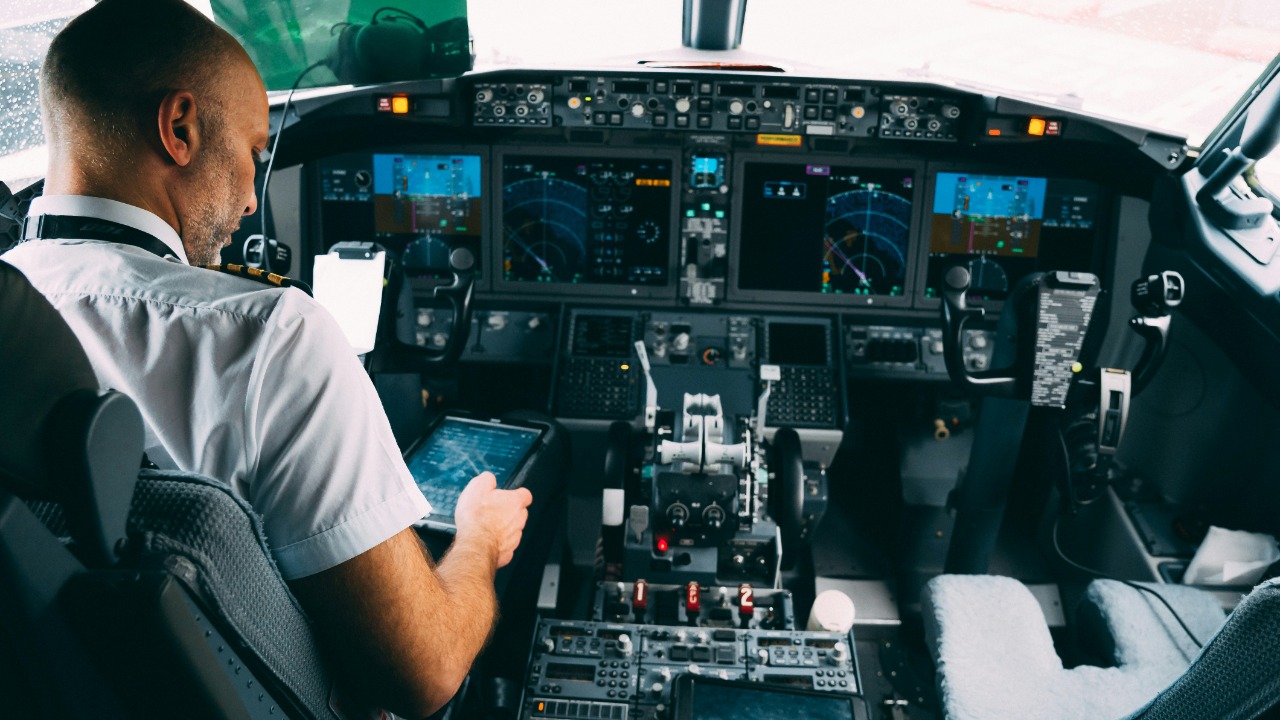
The safest era in aviation history didn’t happen by accident—and a meaningful share of today’s familiar safety features grew out of problems the military had to solve first. Fighting services and defense labs have long pursued outcomes that airline safety teams also care about: keep crews oriented in bad weather, reduce the risk of midair and terrain impacts, keep aircraft controllable after failures, and cut workload when seconds matter. The difference is that many military requirements were driven by harsher operating demands—night, low-level, high speed, and high-tempo operations—before the civil world adapted the concepts, standardized them, and certified them for routine use.
This is not a simple “the military invented it” story. In many cases, civil and military work progressed in parallel, and the final form passengers recognize is the product of regulators, academia, manufacturers, airlines, and standards bodies such as FAA/ICAO and industry groups like RTCA/SAE. Still, defense-driven experimentation and operational lessons have repeatedly shaped how safety problems are defined—and what “good enough” looks like in real cockpits.
1) Collision-avoidance logic (part of the family tree behind TCAS)

Modern traffic alerting and collision avoidance sits on decades of work aimed at keeping aircraft separated when radios are busy, visibility is poor, and airspace is crowded. Military operations had strong incentives to formalize deconfliction concepts—through cooperative identification, separation procedures, and alerting logic—because the penalty for confusion in high-workload flying is immediate. Civil systems such as TCAS reflect a broader lineage of those ideas, translated into standardized equipment and procedures.
The civilian value is practical: it adds another layer beyond “see and avoid,” especially in busy terminal environments. Ongoing improvement is mostly incremental—refined alerting logic, clearer cockpit presentation, and careful standardization to reduce ambiguity and nuisance alerts.
2) Terrain warning (the GPWS/TAWS mindset: don’t fly into the ground)
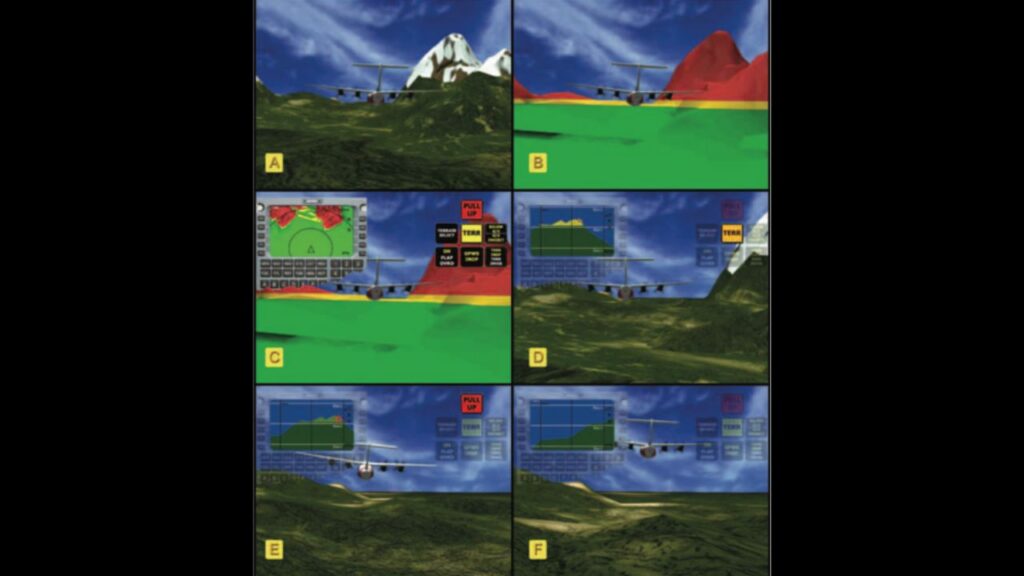
Controlled flight into terrain has long been a high-consequence risk, particularly when crews are task-saturated or flying in reduced visibility. Military flying—often at low altitude and in demanding conditions—helped sharpen the focus on timely terrain cues and warning concepts. Civil aviation adopted and standardized terrain warning systems such as GPWS/TAWS as the technology and operational use matured.
The key point is not that a warning system replaces judgment; it buys time. The next step tends to be better integration with navigation data and cockpit displays, paired with training that reinforces how and when to trust the alerting. Pictured above: A six-frame sequence illustrating the manner in which TAWS operates.
3) Fly-by-wire and envelope protection
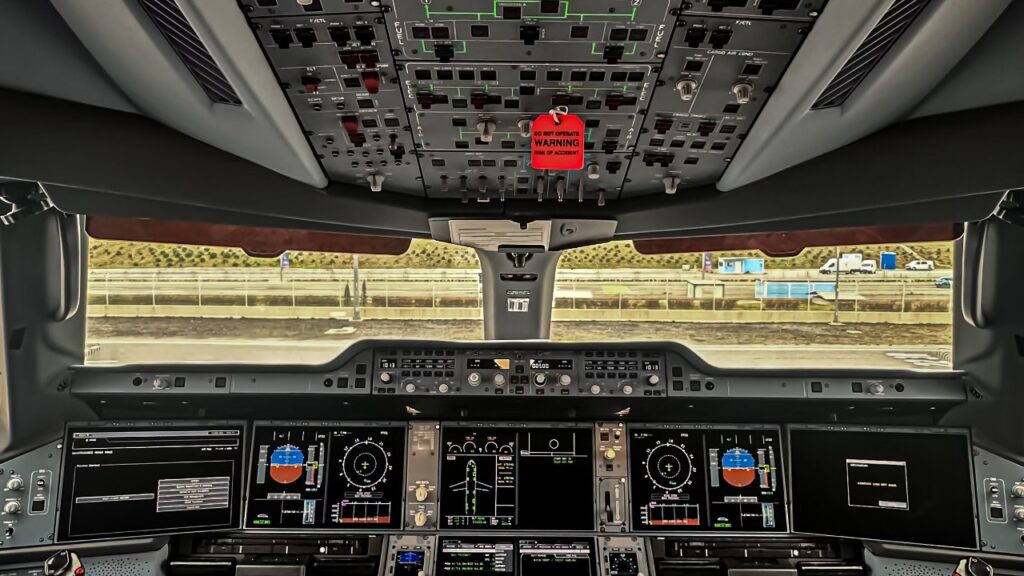
Fly-by-wire (FBW) is commonly associated with high-performance military aircraft, where designers needed precise control, stability augmentation, and fault-tolerant architectures. Civil airframers later adopted FBW not only for performance and weight benefits, but also for safety-related design features: multiple layers of redundancy, built-in monitoring, and—depending on the implementation—flight envelope protections intended to reduce the chance of exceeding safe limits.
This is one of the clearest examples of combat-driven engineering practices becoming normal in commercial transport design. The direction of travel now is evolutionary: more robust fault detection, clearer human-factors design around automation authority, and continued refinement of how protections communicate intent to pilots.
4) Redundant hydraulics and electrics (fault tolerance as a design habit)
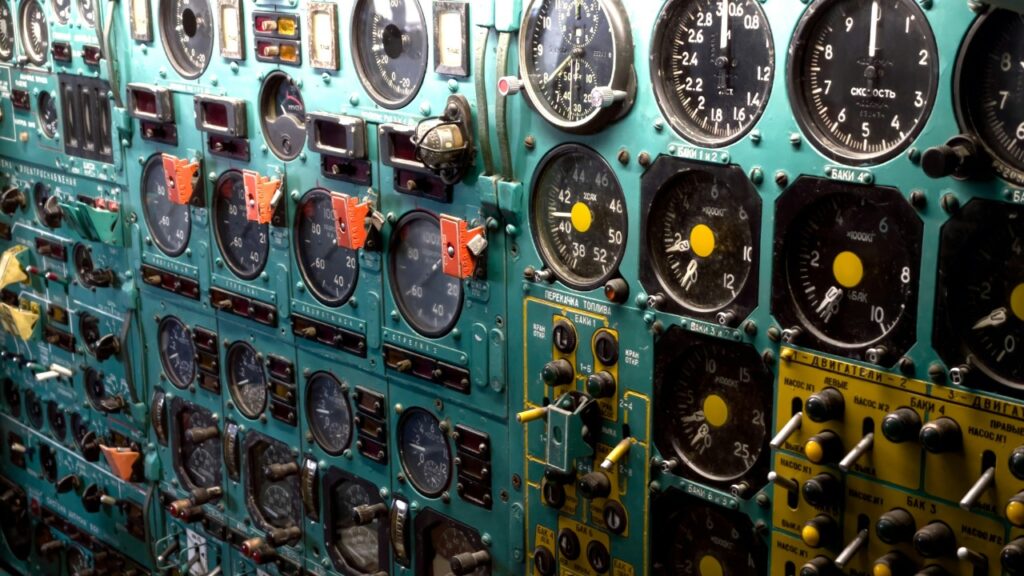
Military aircraft are often designed with a blunt assumption: components will fail, and the aircraft still needs to remain controllable and recoverable. That mindset reinforced the use of layered redundancy in hydraulics and electrical power, along with monitoring that can isolate failures and preserve essential functions. Civil certification has its own logic and thresholds, but defense practice helped normalize the broader expectation that critical systems should not depend on single points of failure.
The tradeoff is real. Redundancy adds weight, complexity, parts, and maintenance burden—costs that militaries accept for survivability and airlines manage for dispatch reliability. As architectures evolve toward “more-electric” designs, the safety question becomes how to retain graceful degradation while keeping systems understandable and maintainable.
5) Fire detection and suppression (contain the hazard, preserve options)
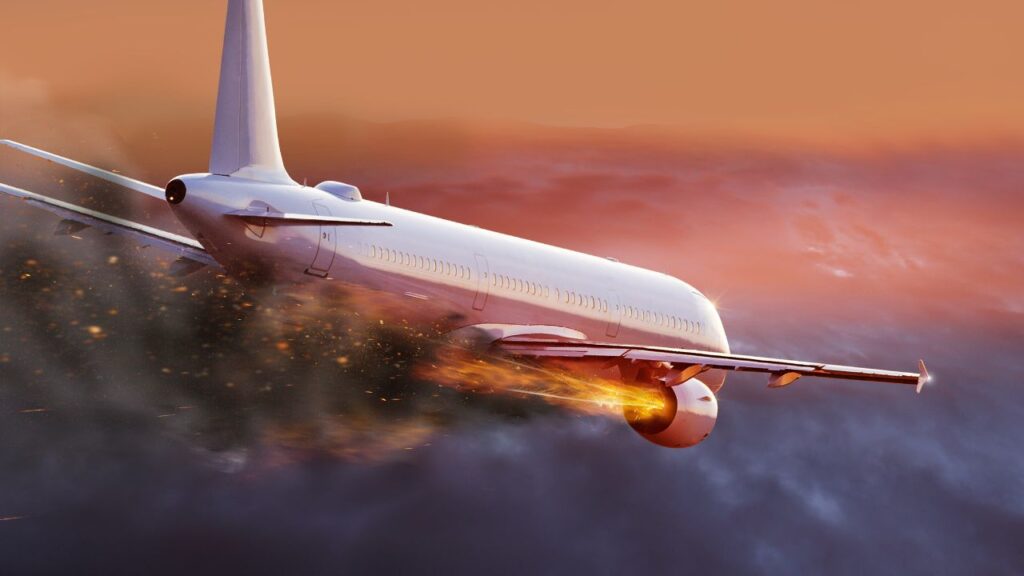
Fire is one of the few hazards that can escalate faster than a crew can diagnose it. Military aviation has long invested in detecting and suppressing fires in engines and critical compartments, driven by both survivability and mission assurance. Civil transports benefit from that lineage in the form of robust detection and suppression architectures that are now expected rather than exceptional.
The safety value is time and containment: keeping a fire localized preserves choices for the crew. Progress here tends to be steady rather than dramatic—improved sensing, better diagnostics, and maintainability that keeps systems ready without excessive downtime.
6) Weather radar and all-weather situational awareness
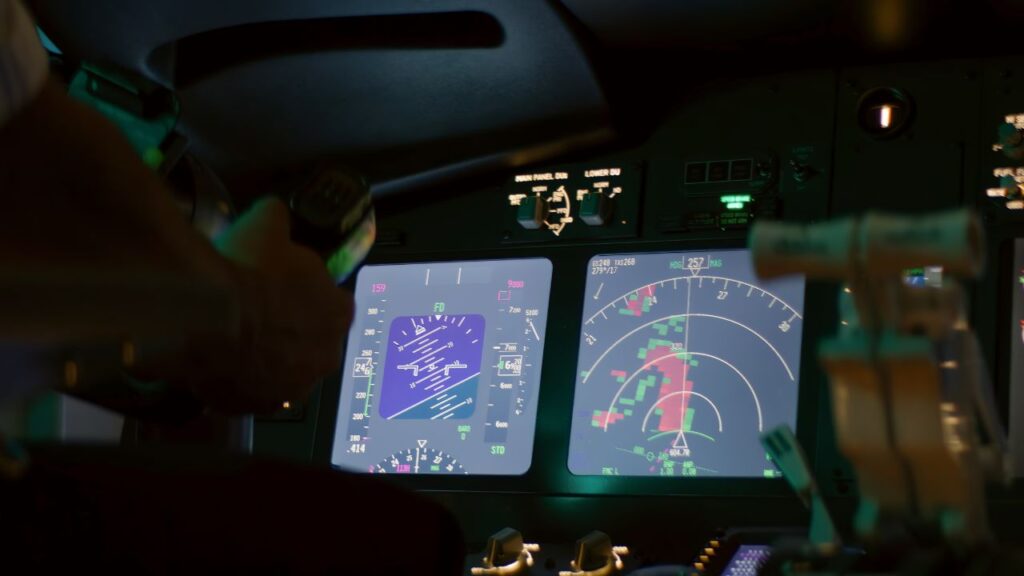
Weather is a shared adversary. In the civil world it threatens schedule and safety; in the military world it threatens mission success and survivability. Defense requirements for all-weather operations helped push airborne weather-sensing and cockpit presentation techniques that later became common in civil aviation.
For passengers, the benefit is often subtle: fewer exposures to convective weather, turbulence, and the cascading workload that follows. The next step is better fusion—presenting weather, traffic, and terrain in ways that reduce pilot workload instead of adding disconnected information streams.
7) Anti-ice and de-ice improvements (keeping performance predictable)
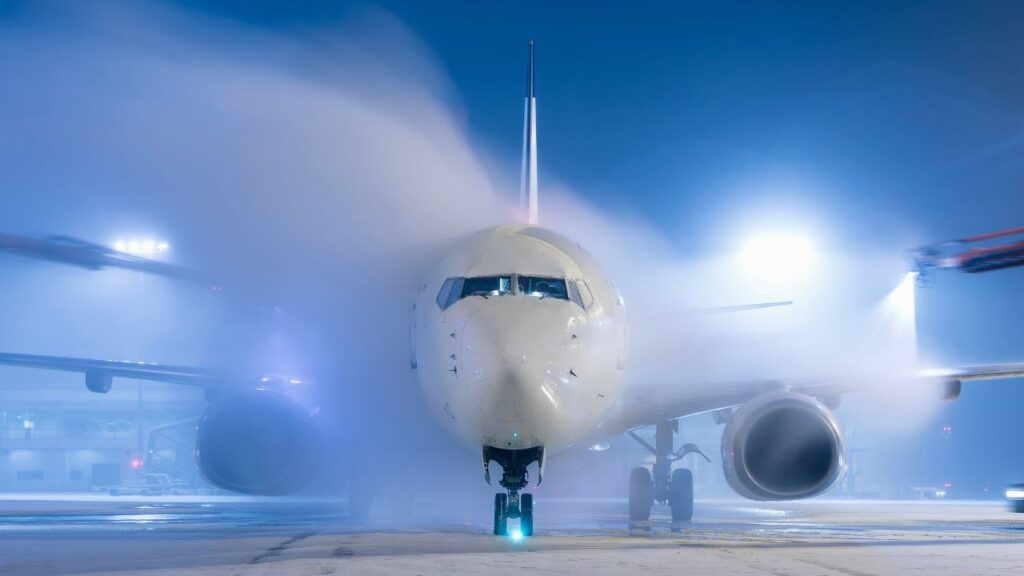
Icing is a performance, controllability, and sensor-accuracy problem, and it tends to punish crews who are surprised or complacent. Military aircraft expected to launch in marginal conditions drove sustained investment in anti-icing and de-icing approaches. Civil aviation adopted and refined those methods into certified systems and operating procedures designed to keep lift, thrust, and critical indications within safe margins.
Here, “what’s next” is rarely a single breakthrough. It is better system monitoring, disciplined maintenance, and continued refinement of training and standards—especially because winter operations stress both safety margins and dispatch reliability.
8) Anti-skid braking logic and runway-excursion defenses
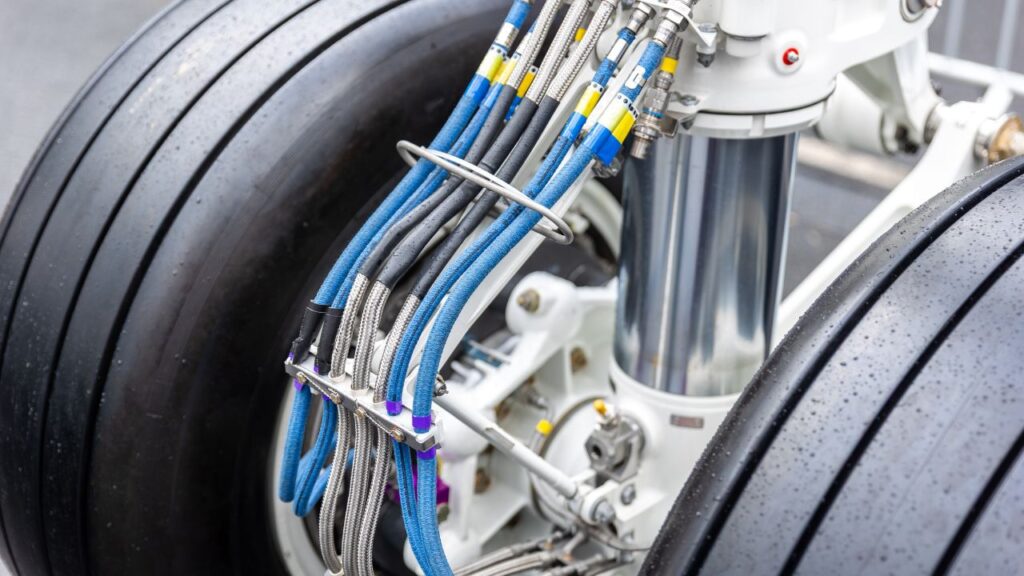
Runway excursions remain a persistent risk, especially when surfaces are wet, icy, or contaminated. Military aircraft—often operating heavier and faster, and sometimes from varied surfaces—helped push braking control logic and anti-skid concepts that stabilize stopping performance. Civil aircraft benefit through braking systems designed to reduce wheel lockup and maintain directional control, supporting safer rejected takeoffs and landings.
The defense-to-civil translation is straightforward: when friction is low and time is short, well-tuned braking automation can prevent a loss of control from compounding. Progress tends to come through integration—braking, steering, and cockpit cues—plus the procedural and maintenance discipline that makes the hardware perform as intended.
9) Crashworthy seating and restraints (survivability thinking applied to occupants)
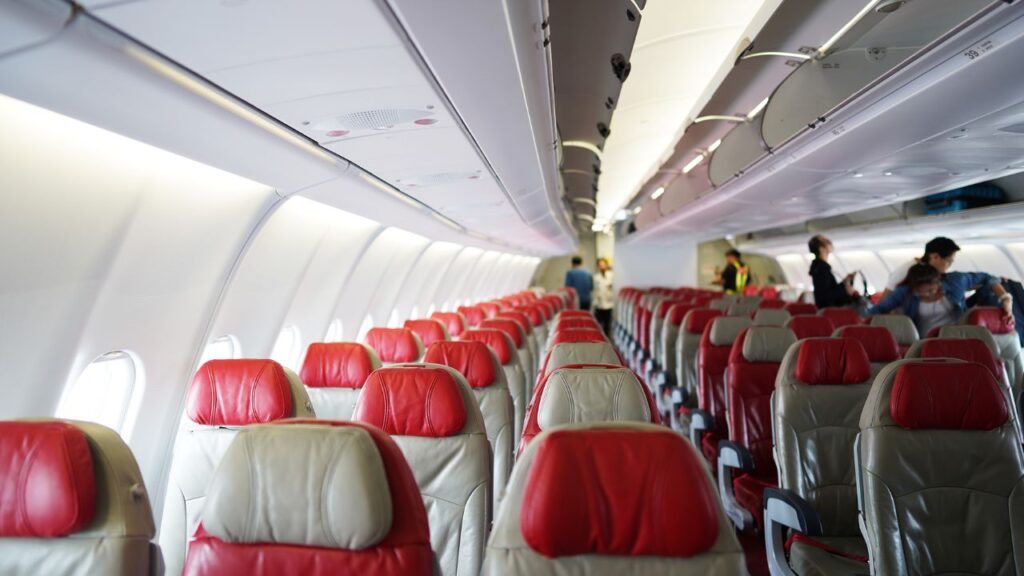
Military aviation—especially rotary-wing communities—spent years learning that survivable crashes can still produce severe injuries without energy-absorbing seats, effective restraints, and better cabin protection. Those lessons informed broader attention to crashworthiness in civil designs, from seat strength to restraint philosophy, even when the exact hardware and requirements differ by aircraft category.
The payoff is not invulnerability; it is improved odds and reduced injury severity. Because cabin-safety upgrades affect weight, certification, and retrofit feasibility, change here is usually incremental and standards-driven.
10) Structural tolerance practices: composites, damage tolerance, and bird-strike mindset
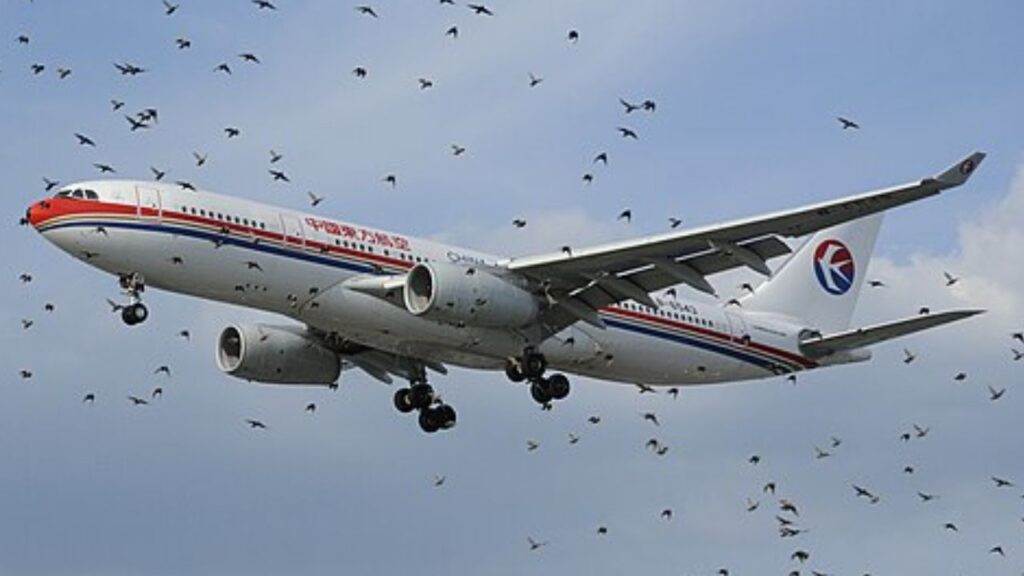
Military aircraft research has long emphasized staying safe and controllable despite imperfect conditions—harsh environments, wear, and the need to keep operating. That focus fed a broader engineering culture around damage tolerance, inspection practices, and resilient structural design. Civil aviation’s use of composites and modern structural approaches reflects a long, collaborative maturation across defense and civil manufacturers and research organizations, with impact tolerance and bird-strike considerations shaping design and test philosophy.
Most of the benefit is invisible to passengers: structure that resists damage, contains failures, and supports predictable handling buys time for crews and responders. The next step is continued improvement in inspection methods and maintainability as fleets age and materials and repair techniques evolve.
Why this dual-use pipeline still matters
The practical takeaway is that defense aeronautics spending can spill over into civilian safety and resilience—but only when ideas are translated into certifiable requirements, usable cockpit workflows, and maintainable products. DoD services, DARPA, and NASA can push prototypes and operational lessons; suppliers such as Honeywell, Collins/RTX, Thales, BAE Systems, Safran, and others can productize; and airframers like Boeing and Airbus integrate at fleet scale. Regulators and standards bodies then do the slow, essential work of making safety features consistent, testable, and dependable.
The next chapter is less about dramatic new “magic boxes” and more about integration and human factors: reducing nuisance alerts, presenting fused information clearly, and ensuring redundancy doesn’t create new failure modes through complexity. Military and civil aviation will keep learning from each other because they are solving adjacent problems under different pressures—and that iterative, collaborative process has repeatedly made everyday flying less risky.