
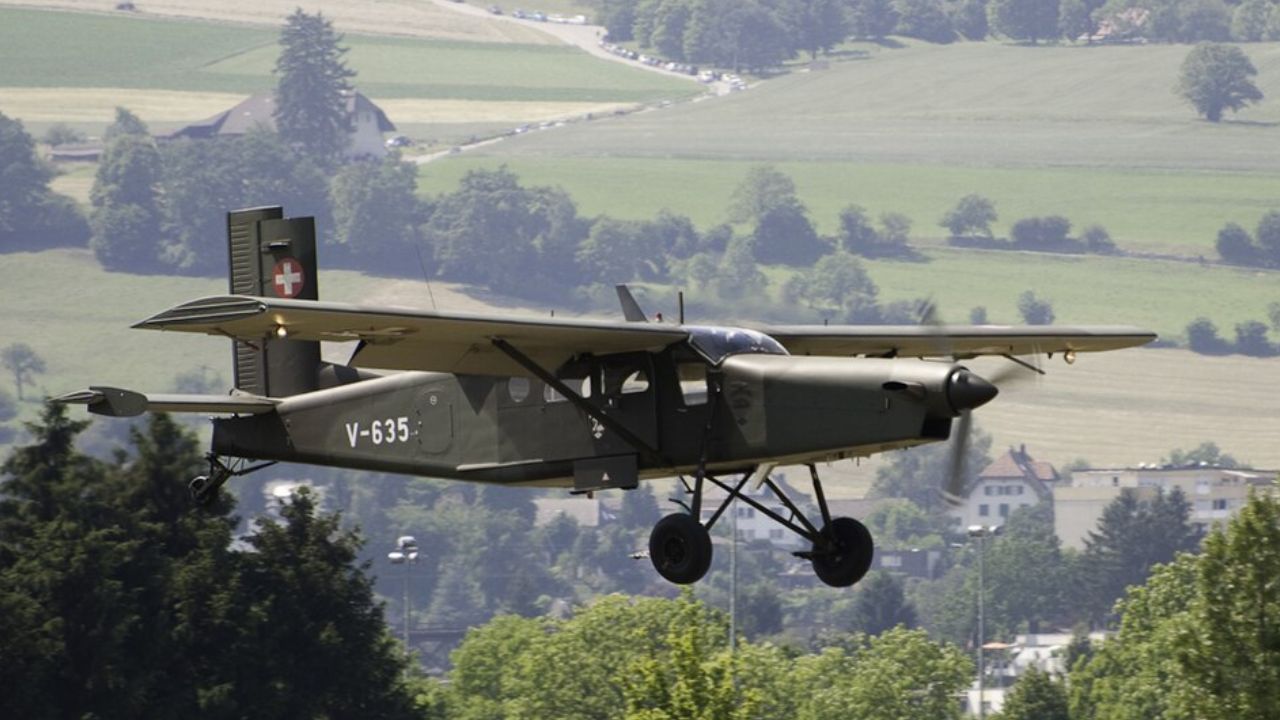
The Pilatus PC-6 Porter doesn’t look like it’s trying to win a beauty contest, and that’s kind of the point. This is an airplane built to show up, shrug at bad terrain, and get the job done. Over decades, it’s earned a reputation that’s less “museum piece” and more “trusted tool,” especially in places where runways are more suggestion than reality.
In a world of sleek business jets and shiny airliners, the PC-6 has stayed stubbornly practical. And that practicality—paired with surprising performance—has made it one of the most respected utility aircraft ever built. Ask pilots who’ve worked in mountains, jungles, deserts, or polar air, and you’ll hear the same tone: admiration, plus a little disbelief that something so boxy can be so capable.
A Swiss workhorse built for the edges of the map
Pilatus Aircraft, based in Switzerland, designed the PC-6 with remote operations in mind from the start. Think short takeoffs, steep climbs, slow approaches, and landings on rough strips where most airplanes would politely refuse. The Porter’s high wing, rugged landing gear, and big, effective flaps are all part of the same idea: operate where infrastructure is scarce.
The PC-6 first flew in the late 1950s, and it quickly found its niche. Early versions used piston engines, but the aircraft’s real calling card became its turboprop variants, which delivered strong power and reliability in punishing environments. It wasn’t trying to be everything to everyone—it was trying to be dependable when you’re far from help.
STOL performance that’s not just marketing
“STOL” gets thrown around a lot, but the PC-6’s short takeoff and landing chops are the real deal. The aircraft can get in and out of tight places with runway lengths that make airline pilots sweat just thinking about it. It’s not magic, though it can feel like it; it’s thoughtful aerodynamics, a strong powerplant, and a design that expects hard work.
The big wing and generous flaps let it fly slow without feeling sloppy, which matters when you’re threading into small valleys or landing on uneven strips. That slow-speed control also makes it friendlier for precision work like drop missions or observation flights. In practice, it means the airplane can be used as a lifeline, not just a ride.
Remote missions: cargo, clinics, and communities
The PC-6 became a staple for operators serving remote communities, where roads can wash out for months and rivers are the “highway.” It’s been used to haul cargo, mail, fuel, and building materials to places that don’t have cranes, forklifts, or sometimes even proper weather reports. If you can load it, tie it down, and fit it through the door, the Porter will usually carry it.
Humanitarian and medical support roles have been part of its story, too. In regions where getting a patient to a hospital can be a race against time, an aircraft that can land close to small villages is more than convenient—it’s critical. The PC-6’s utility cabin and robust performance make it a practical choice when the mission is urgent and conditions are unpredictable.
Skydivers love it, and that’s not an accident
If you’ve spent time around drop zones, you’ve probably heard the PC-6 mentioned with a certain affection. Skydiving operators appreciate an aircraft that climbs efficiently, handles frequent cycles, and has a door setup that works well for jump operations. It’s not glamorous, but it’s steady, and in commercial skydiving, steady is money.
The Porter’s ability to operate from smaller airfields also expands where drop zones can run. And when you’re doing multiple lifts a day, you want something that feels like it was designed to be used, not pampered. The PC-6 fits that vibe perfectly—like the pickup truck of the sky, but with better views.
Military and government roles: a quiet, capable helper
While it’s famous in civilian utility work, the PC-6 has also served in military and government roles around the world. Its strengths translate neatly into surveillance, liaison, transport, and special operations support—especially where helicopters are too expensive or fixed-wing aircraft can’t land close enough. The Porter can be a low-drama solution in high-stakes environments.
Some versions have been adapted for specialized tasks, including operations from rough fields and extreme climates. Governments have used them for everything from border patrol to environmental monitoring, because sometimes the best platform is the one that can simply get there and come back reliably. The PC-6’s reputation in these circles isn’t about flash; it’s about trust.
Built tough: simple where it matters, sturdy everywhere
One reason the PC-6 is so respected is that it’s engineered to take a beating. Remote operations mean dust, gravel, rain, heat, cold, and maintenance schedules that don’t always go as planned. The Porter’s rugged airframe and practical systems have helped it keep flying in conditions that would ground more delicate aircraft.
It’s also an airplane that maintenance crews tend to respect, because accessibility and straightforward design can make a huge difference in the field. When your “hangar” is a shaded patch of dirt and your toolbox came in on the same airplane, you want equipment that’s cooperative. The PC-6 has built its legend one tough day at a time.
High-altitude confidence and mountain credibility
Switzerland isn’t exactly flat, and the PC-6 carries that mountain sensibility in its DNA. High-altitude airfields demand strong climb performance and predictable handling, especially when terrain limits your options. The Porter’s ability to operate in thin air has made it popular in mountainous regions where performance margins can get uncomfortably tight.
Pilots often talk about how the aircraft feels “honest.” It communicates clearly, it doesn’t surprise you, and it performs in a way that builds confidence over time. In mountain flying, confidence isn’t bravado—it’s safety.
Why the respect has lasted so long
Plenty of aircraft have had a moment of fame, but the PC-6 has had something better: a long, useful life across wildly different missions. The formula is simple, even if the execution is hard—build an airplane that can operate from short, rough strips, carry meaningful payloads, and stay reliable far from support. Do that consistently, and word travels fast, especially among operators who bet their schedules and safety on equipment.
That’s why the Pilatus PC-6 Porter is still spoken about with a kind of practical admiration. It’s the aircraft people remember not because it was fancy, but because it was there when it mattered. And in aviation—especially at the edges of the map—that’s the highest compliment you can get.