
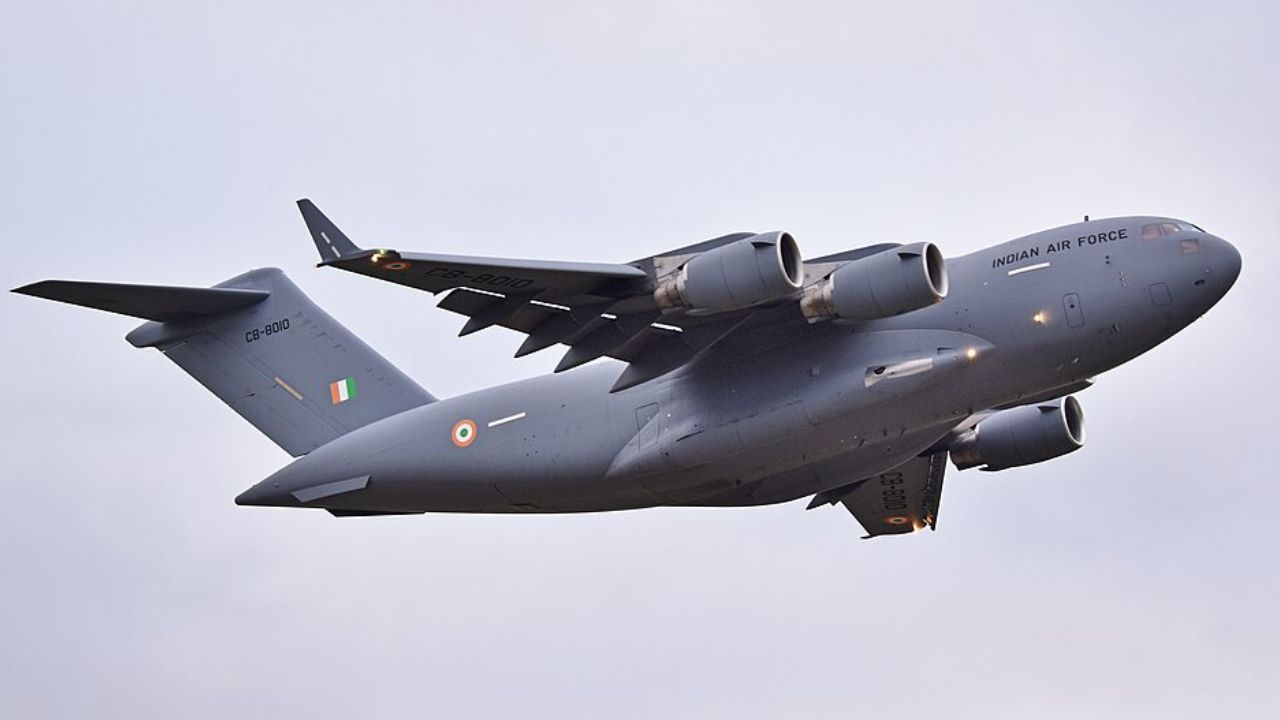
If you’ve ever wondered what “do-it-all” looks like in military aviation, the C-17 Globemaster III is a pretty good place to start. It’s the aircraft that can haul a ridiculous amount of cargo across oceans, then drop into a rough, short runway closer to the action like it owns the place. That blend—long-range muscle with on-the-ground practicality—is exactly why the C-17 became such a mainstay for the U.S. Air Force and partner nations.
News about airlift doesn’t always trend, but it’s the quiet backbone of everything else: humanitarian relief, evacuations, combat deployments, and everyday logistics. When a crisis hits, the question often isn’t “Do we have supplies?” but “Can we get them there fast?” The C-17 was designed to answer that with a confident yes, even when the destination is far away and the airfield isn’t perfect.
A big aircraft that doesn’t act like one
At first glance, the C-17 looks like a classic heavy transport—high wing, cavernous cargo bay, and a tail that seems tall enough to have its own weather. But the surprise is how “tactical” it can be for something in the heavy-lifter category. It was built to move outsized loads while still being able to operate from shorter and more austere airfields than older strategic transports typically preferred.
That’s not just marketing language; it changes real-world options. Commanders can deliver equipment closer to where it’s needed instead of staging everything through major hubs. Fewer stops can mean less time, fewer convoys, and fewer opportunities for delays—or worse.
Strategic reach: crossing the map without drama
Strategic airlift is basically the ability to move lots of stuff a very long way, quickly. The C-17 was engineered around that mission, with the range and reliability to connect continents while carrying heavy payloads. It can shift personnel, vehicles, pallets of supplies, and specialized equipment in one trip—exactly the kind of capacity that keeps operations from turning into a thousand smaller problems.
It’s also built for the real rhythm of global missions: rapid tasking, long flights, and nonstop schedules. When planners talk about “global mobility,” they’re usually describing a chain of aircraft, crews, maintenance teams, and airfields working in sync. The C-17 became one of the key links because it can show up, load up, and keep moving without demanding perfect conditions.
Tactical flexibility: getting into tight spots
Here’s where the C-17 earns its reputation: it can operate from shorter runways and handle less-than-ideal surfaces compared with many other large transports. That doesn’t mean it can land anywhere—physics still wins—but it’s more forgiving than you’d expect for an aircraft of its size. In practical terms, it can reach airfields that are closer to front lines or disaster zones, where infrastructure might be limited.
The aircraft’s design choices support this. High-mounted wings help keep engines and systems away from debris, and the landing gear is built to take a beating. Add in strong low-speed handling and you’ve got a jet that can do “big airplane” jobs without always needing “big airport” support.
The cargo bay: a flying moving truck with a jet engine budget
The C-17’s cargo compartment is the star of the show, and it’s designed to handle everything from standard pallets to outsized vehicles. Think armored trucks, helicopters (depending on configuration), and the kinds of bulky gear that can’t be squeezed into smaller airframes. For humanitarian missions, it can shift water, medical supplies, shelters, and field equipment in massive quantities.
Loading and unloading is where time gets saved, and that’s not glamorous—but it matters. The C-17 is built around efficient cargo handling so crews can turn the aircraft around quickly. In fast-moving situations, shaving hours off the ground time can be as valuable as flying faster.
Airdrop and airland: two ways to deliver the goods
The C-17 isn’t limited to rolling up to a ramp and unloading neatly. It’s also capable of airdrop missions, delivering supplies or equipment without landing when that’s safer or when a runway isn’t available. That option can be a lifeline for isolated units or communities cut off by conflict, flooding, or damaged roads.
When it can land, it can also “airland” cargo directly onto an airfield, often closer to where it’s needed than a major regional airport. Those choices—drop, land, or a mix—give planners flexibility that’s hard to replicate. It’s like having multiple delivery methods in the same aircraft, which is handy when the forecast includes uncertainty (or chaos).
Built for real missions, not perfect scenarios
One reason the C-17 has lasted is that it was shaped by hard lessons: airlift has to work when conditions are messy. That means dealing with high temperatures, high elevations, busy airspace, short-notice tasking, and airfields that may be crowded or damaged. The C-17’s ability to operate across that spectrum is what people mean when they say it combines strategic and tactical roles.
It also supports the less dramatic side of readiness: routine movement of units and equipment. Those everyday flights are how forces stay positioned, trained, and supplied. If the aircraft only worked well during headline events, it wouldn’t be nearly as valuable.
Humanitarian work: the missions people remember
Ask many service members what stands out about airlift, and you’ll often hear about disaster response. The C-17 has been used to deliver relief supplies after earthquakes, hurricanes, and other emergencies, and to evacuate people when time is tight. In those moments, the aircraft’s “strategic reach” becomes a human story: bringing help from far away, fast.
And the tactical side shows up here too. Disasters don’t politely wait near major international airports with pristine runways and unlimited ramp space. Being able to operate in constrained environments can mean aid reaches affected areas sooner, when it’s most needed.
Why the combination matters more now than ever
The modern logistics problem is rarely simple. Forces and relief organizations need speed, capacity, and the ability to adapt when infrastructure is limited or contested. The C-17’s legacy is that it didn’t force decision-makers to pick between “long range” and “close-in access” as often as they used to.
That doesn’t mean it’s the answer to everything—no aircraft is—but it set a benchmark for what a heavy airlifter can be. Big, yes, but also surprisingly nimble in the ways that count. And if that sounds like a compliment you’d give a friend who can carry all the groceries in one trip and still parallel park on the first try, well, you’re not wrong.