
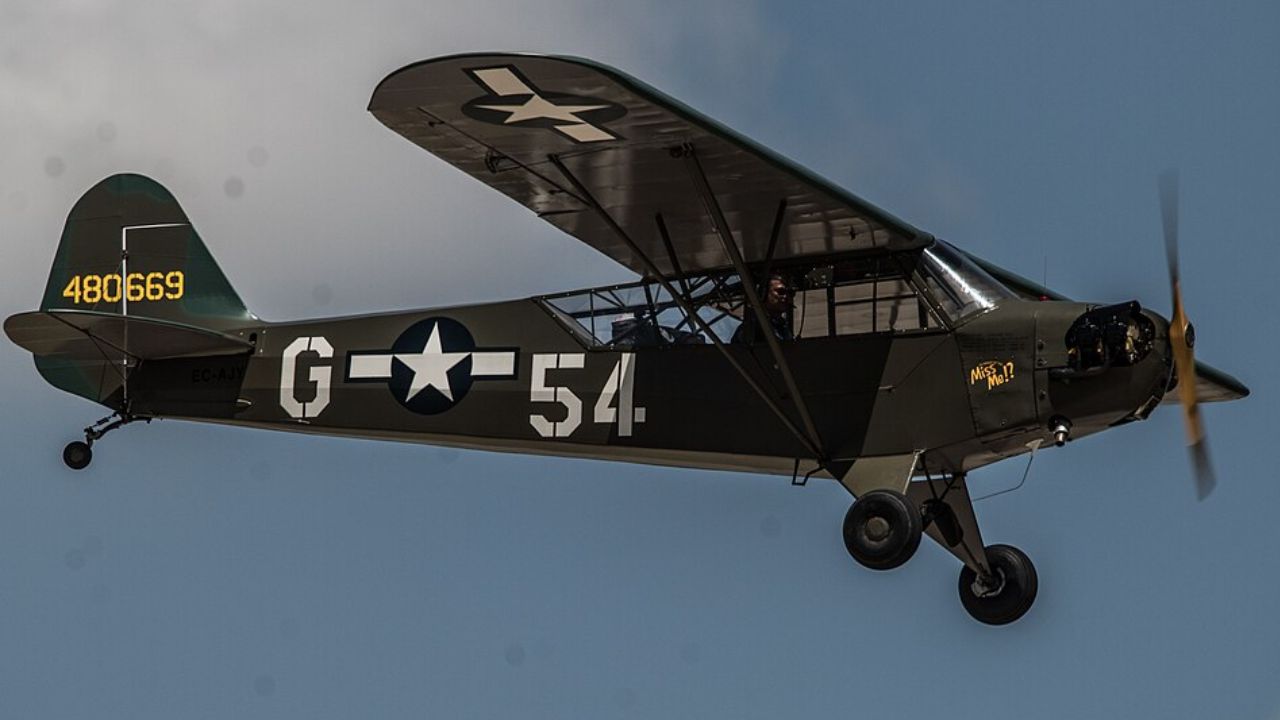
There are airplanes that change aviation through speed, range, or sheer technological bravado. And then there’s the Piper Cub, which did it the quieter way: by being the first airplane so many people ever flew. For decades, that little yellow taildragger has been aviation’s friendly handshake, the machine that made flight feel less like a miracle and more like something you could learn on a weekend.
Even now, long after GPS screens and glass cockpits became the norm, the Cub still shows up in hangars, on grass strips, and in the stories pilots tell when they’re swapping “first solo” memories. It’s hard to overstate the airplane’s cultural footprint. For a lot of aviators, the Cub wasn’t just an aircraft—it was a rite of passage.
A simple airplane with a big personality
The Piper Cub’s magic starts with its simplicity. It’s lightweight, fabric-covered, and famously uncomplicated, with basic instruments and a cockpit that feels more like a well-worn porch swing than a modern vehicle. You sit close to the elements, hear the engine’s honest rhythm, and feel every bump of air as if the sky is talking directly to you.
That “seat-of-the-pants” quality is exactly why instructors loved it. The Cub doesn’t hide what’s happening. If you’re not coordinated, you’ll know. If you’re sloppy with speed, it’ll gently (and sometimes not-so-gently) encourage you to pay attention.
Why the Cub became the training airplane
Flight training is all about building good habits, and the Cub is basically a habit-building machine. It rewards smooth control inputs, steady airspeed, and good rudder work—especially on takeoff and landing, where tailwheel airplanes can be charming and demanding in the same breath. You learn early that your feet aren’t just along for the ride.
It also has a way of making the basics feel fun rather than intimidating. The visibility is excellent, the airplane is forgiving at training speeds, and the performance is modest enough that students can think ahead without being overwhelmed. In a Cub, you don’t just learn to fly to a checklist—you learn to fly by feel.
From barnstorming vibes to everyday aviation
The Cub arrived in an era when aviation still felt young and personal. Small airplanes were becoming more accessible, and people were eager to see what the fuss was about. The Cub’s approachable design and comparatively affordable operating costs helped it spread far beyond big-city airports, popping up at local fields and rural strips where “general aviation” was a community activity, not a niche hobby.
That matters, because training isn’t only about the airplane—it’s also about the environment. The Cub fit naturally into grass runways, informal fly-ins, and small-town airports where someone would wander over just to chat. It helped turn flying into something neighborly.
World War II and the Cub’s quiet hero moment
If the Cub was already beloved before the war, World War II gave it a legendary chapter. Military variants—often associated with the L-4 “Grasshopper”—were used for liaison work, observation, and artillery spotting. They weren’t glamorous in the Hollywood sense, but they were effective, and the Cub’s low-speed handling and short-field capability made it useful where bigger airplanes couldn’t go.
There’s a certain charm in the idea that an airplane best known for teaching beginners also played a part in serious, high-stakes missions. It’s like finding out your friendly high school coach once did something wildly intense in their past. The Cub’s wartime service only deepened the respect pilots already had for it.
The view from the back seat (and why it’s a little weird at first)
One of the Cub’s signature quirks is the seating arrangement. In many versions, the pilot sits in the rear seat, which can feel backward—literally—if you’re used to sitting up front with all the instruments and knobs. Taxiing can be a new kind of puzzle because the nose sits high, and you often weave a bit to see ahead.
But that oddness is part of the Cub’s teaching power. It nudges you into better habits: looking outside, planning your movements, and staying ahead of the airplane. And once you get comfortable, that rear-seat perspective starts to feel like the best seat in the house.
Why it still matters in a glass-cockpit world
Modern trainers are fantastic, and today’s avionics can do things Cub-era pilots wouldn’t have believed. But the Cub still offers something that’s hard to replicate: a direct connection between pilot and airplane. There’s no autopilot to lean on and no flashing screens to distract you—just airspeed, attitude, sound, and the horizon doing its job.
That’s why you’ll still see Cubs used for tailwheel endorsements, stick-and-rudder refreshers, and pure joyrides. Pilots who spend their weekdays managing airliners or corporate jets often talk about Cubs the way chefs talk about a perfect tomato. It’s simple, but it’s the point.
A flying welcome sign for new pilots
Ask pilots what they remember from early training and you’ll hear the same themes: the smell of the hangar, the first time the wheels left the ground, the sudden realization that you’re actually doing it. For many, those memories happened in a Cub or an airplane that followed the Cub’s philosophy. The Cub didn’t just teach procedures; it taught confidence.
And it did it without pretending flying is easy. The Cub asks for attention and respect, but it also gives something back—an experience that feels honest and human. If you’ve ever watched one float over a grass field at sunset, you know it’s not just transportation. It’s a reminder that flight can be wonderfully uncomplicated.
More than an airplane, it’s a shared story
The Cub’s biggest legacy might be how it connects people. Mention “Piper Cub” at an airport café and someone will almost always have a story: a first solo, a windy landing, a childhood ride, a family photo in front of a yellow wing. It’s a kind of aviation shorthand for “this is where it started.”
That’s why the Cub endures. Not because it’s the fastest or the newest, but because it’s friendly, capable, and stubbornly timeless—like a well-loved bicycle that still rides perfectly. Generations of pilots learned the sky through the Cub, and in a lot of ways, the Cub taught them how to love it.