
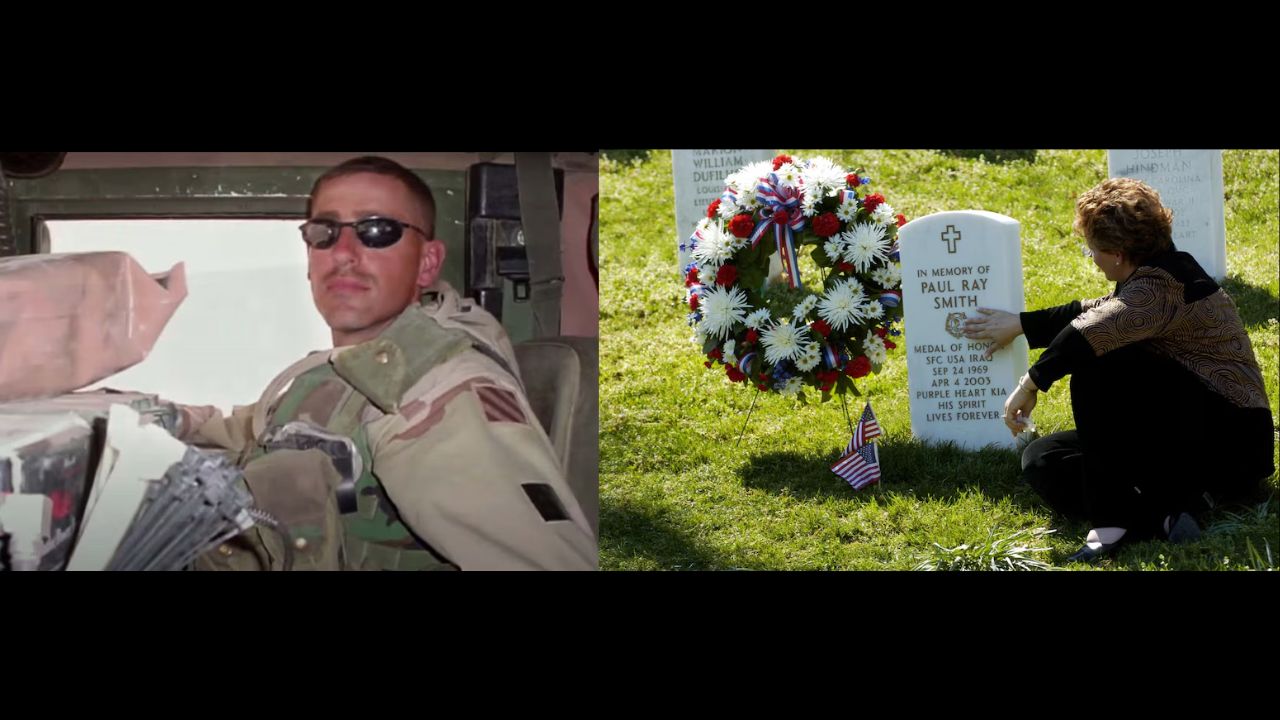
In the annals of military heroism, few stories stand out as vividly as that of Sergeant First Class Paul Ray Smith. On a fateful day in April 2003, in the early stages of the Iraq War, Smith’s valorous actions saved the lives of his fellow soldiers. His courageous stand against overwhelming enemy forces became a defining moment in modern military history.
The Man Behind the Medal: Paul Ray Smith
Early Life and Military Career
Paul Ray Smith was born on September 24, 1969, in El Paso, Texas. Raised in a military family, Smith was no stranger to the values of discipline and service. His father served in the U.S. Air Force, which instilled in him a commitment to the armed forces from a young age. After graduating from high school, Smith enlisted in the Army in 1989, eager to follow in his father’s footsteps and make a difference.
His military career quickly blossomed, showcasing his dedication and skill. Smith was deployed to the Gulf War in 1991, where he first demonstrated his potential as a leader. Over the years, he continued to rise through the ranks, earning respect and accolades for his unwavering commitment to his duties and his soldiers. His journey was a testament to his tenacity and passion for his country.
Character and Leadership
Smith was not just a soldier; he was a mentor and a leader who inspired those around him. Known for his no-nonsense attitude and unyielding work ethic, he held his team to the highest standards. His leadership style was characterized by leading from the front, always setting an example for others to follow. Fellow soldiers often described him as a person who could be counted on in the toughest situations.
His influence extended beyond the battlefield. Smith was the kind of leader who knew his soldiers well, understanding their strengths and weaknesses. He was approachable, yet firm, ensuring his team was always prepared for the challenges they faced. His dedication to his soldiers was evident in the way he prioritized their safety and well-being, even at the expense of his own life.
The Battle Unfolds: A Day of Valor
The Mission and Initial Engagement
In April 2003, during the early stages of the Iraq War, Smith’s company was tasked with securing a strategic position near the Baghdad International Airport. The mission was critical, as controlling the area was essential for coalition forces to maintain their advance into the city. However, the situation quickly escalated when they encountered a formidable enemy force determined to repel their efforts.
The initial engagement was intense, with enemy forces launching a surprise attack on Smith’s unit. The odds were heavily stacked against them, with the enemy significantly outnumbering the American soldiers. Despite the chaos, Smith maintained his composure, rallying his troops and preparing them for the fight of their lives. The battle that ensued was a testament to his strategic acumen and fearless leadership.
Tactical Decisions and Heroic Actions
As the battle raged on, Smith made a series of crucial tactical decisions that would prove pivotal. Recognizing the dire situation, he took command of a small group of soldiers and orchestrated a counterattack to hold off the advancing enemy. Smith personally manned a .50 caliber machine gun, providing suppressive fire that allowed his unit to regroup and reinforce their position.
Despite being under heavy fire, Smith remained undeterred, his actions buying precious time for his fellow soldiers to evacuate the wounded and secure an escape route. His courage under fire was unparalleled, and his unwavering determination inspired those around him to fight on. Smith’s heroic stand was instrumental in holding back the enemy long enough for dozens of soldiers to escape, ultimately saving countless lives.
The Aftermath: Escape and Survival
Securing the Escape Route
Smith’s actions on that day provided a critical window of opportunity for his comrades. His bravery and quick thinking ensured that the troops could safely withdraw from the battlefield, avoiding what could have been a catastrophic defeat. Soldiers who managed to escape due to Smith’s sacrifice later recounted the intense moments, emphasizing how his leadership and bravery allowed them to live to fight another day.
The testimonies from those who survived paint a vivid picture of the chaos and bravery on the battlefield. Many soldiers described Smith as the linchpin of their survival, crediting his decisive actions for their safe evacuation. His ability to remain calm in the face of overwhelming odds was a true testament to his character and training.
Impact on Troop Morale and Mission Success
The immediate effects of Smith’s actions were felt across the mission. His bravery not only averted a potential disaster but also boosted the morale of the troops. The knowledge that such a selfless leader was among them strengthened the resolve of Smith’s comrades, inspiring them to continue the fight with renewed determination.
Smith’s sacrifice had a profound impact on the overall success of the mission. His ability to hold the line allowed coalition forces to maintain their momentum, ultimately contributing to the successful capture of Baghdad. His actions became a rallying point for the troops, reinforcing the importance of courage and leadership in the face of adversity.
Recognition and Legacy: Honoring Bravery
Awarding the Medal of Honor
In recognition of his extraordinary heroism, Paul Ray Smith was posthumously awarded the Medal of Honor, the United States’ highest military decoration. The process of awarding the medal involved a thorough review of Smith’s actions, highlighting his unparalleled bravery and selflessness. The ceremony, attended by Smith’s family and peers, was a poignant reminder of the sacrifices made by those who serve.
The significance of this award cannot be overstated. It serves not only as a tribute to Smith’s valor but also as an enduring symbol of the courage displayed by countless service members. The story of his heroism is shared across military circles, ensuring that his legacy continues to inspire new generations of soldiers.
Enduring Legacy and Influence
Smith’s heroism has left a lasting impact on the military community and beyond. His story is often cited as an example of the highest standards of courage and leadership. Military academies and training programs across the country use his example to teach future leaders about the importance of selflessness and tactical acumen.
Beyond military circles, Smith’s legacy resonates with the public, serving as a reminder of the sacrifices made by service members. His story has been immortalized in books and documentaries, ensuring that his bravery will never be forgotten. Smith’s actions continue to inspire not just those in uniform, but anyone who values courage and commitment to a greater cause.
Lessons in Leadership and Courage
Tactical Lessons from the Battlefield
Smith’s actions on that fateful day offer valuable lessons in leadership and tactical decision-making. His ability to assess the situation quickly and take decisive action under pressure is a critical skill for military leaders. By understanding the importance of adaptability and courage, Smith demonstrated how effective leadership can turn the tide in even the most dire circumstances.
Military strategists and historians continue to analyze Smith’s decisions to extract lessons that can be applied to future conflicts. His story serves as a case study in the importance of maintaining composure under fire and the value of leading by example. These lessons extend beyond the battlefield, offering insights into effective leadership in any high-pressure environment.
Inspiring Future Generations
The legacy of Paul Ray Smith is a powerful tool for inspiring future generations of leaders. His story is incorporated into military training programs, emphasizing the qualities of dedication, bravery, and self-sacrifice. By learning from Smith’s example, young leaders are encouraged to cultivate the same qualities in their own careers.
Smith’s heroism also serves as a reminder of the importance of personal sacrifice and commitment to a greater cause. His willingness to put his life on the line for his comrades highlights the true essence of leadership. As his story continues to be shared and celebrated, it ensures that the values he embodied will endure, shaping the leaders of tomorrow.