
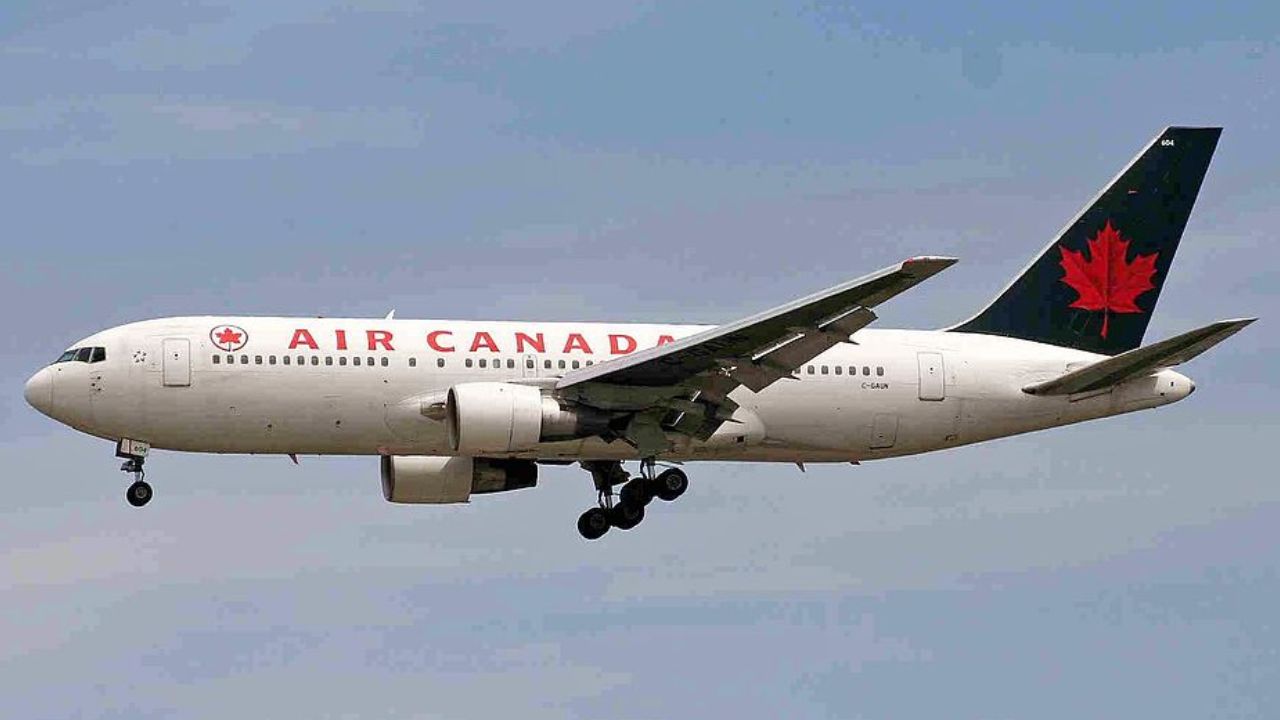
Sometimes, the reliability of a machine can mean the difference between life and death, triumph and tragedy. From space missions to wartime voyages, these vehicles and vessels made history by holding strong when the stakes were highest. Here are eight incredible stories showcasing their durability and dependability.
Apollo 13 Command Module
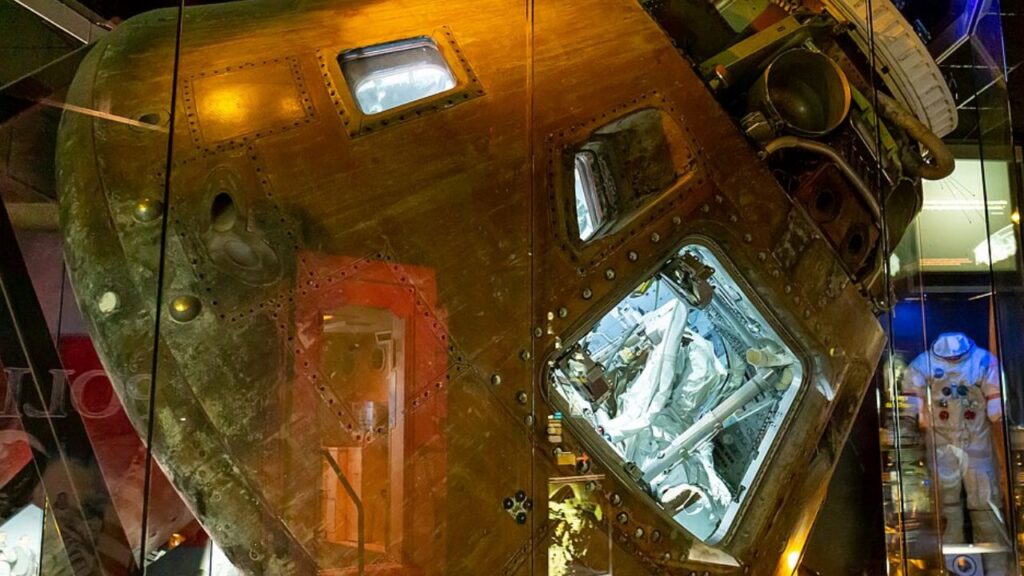
When the Apollo 13 mission suffered an oxygen tank explosion, the command module, “Odyssey,” became a lifeline for the astronauts on board. While the lunar landing was abandoned, the command module’s systems played a crucial role in the safe return of the crew. Against all odds, it served as a reliable haven, allowing the astronauts to navigate back to Earth.
The teamwork between NASA’s ground control and the astronauts was supported by the module’s design and functionality. It might not have reached the moon, but “Odyssey” proved its worth by delivering the crew safely home, encapsulating a story of ingenuity and perseverance.
The Titanic’s Lifeboats
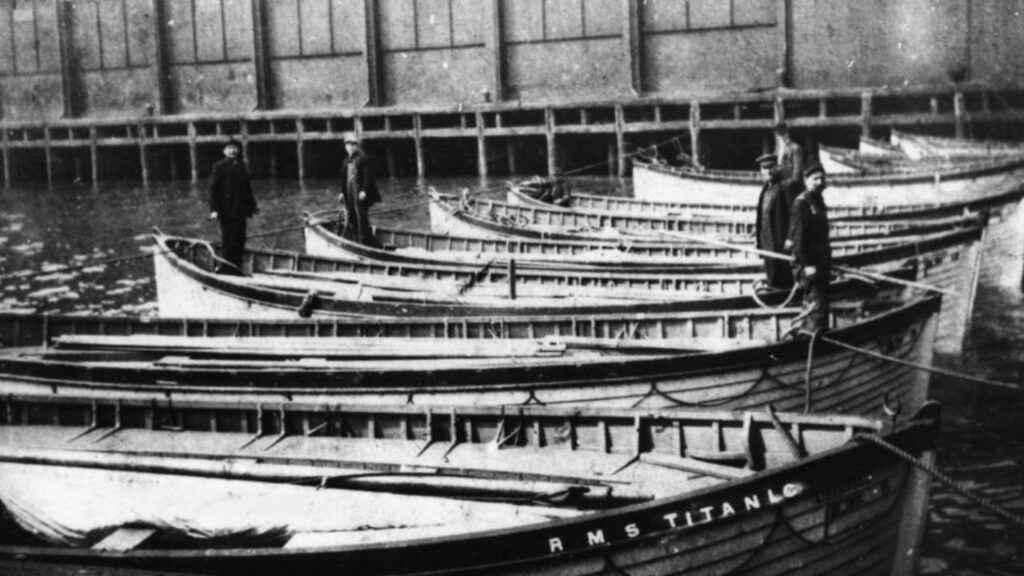
The tragedy of the RMS Titanic is well-known, yet amidst the disaster, the ship’s lifeboats became unsung heroes. Although there were not enough lifeboats for all passengers, those that were launched played an essential role in saving approximately 700 lives. The davits and lifeboats functioned as designed, even in the chaotic scramble.
These lifeboats, despite their limited numbers, were the final refuge for many passengers. They ferried survivors to safety, proving that even in the darkest times, small acts of preparedness can make a significant difference.
Boeing 747 “Gimli Glider”
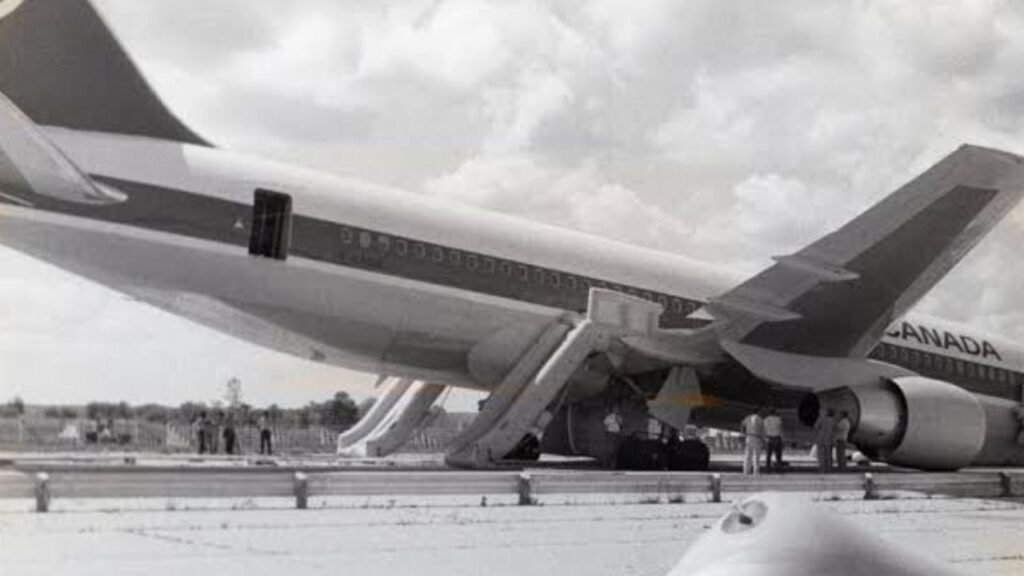
The story of Air Canada Flight 143, known as the “Gimli Glider,” is a testament to flying skill and the durability of the Boeing 747. In 1983, a metric conversion error resulted in the plane running out of fuel mid-flight. The pilots managed to glide the massive aircraft safely to an abandoned airfield in Gimli, Manitoba, without engine power.
This unexpected glider landing was possible due to the pilots’ expertise and the sturdy design of the aircraft. It highlighted how robust engineering can help avert disaster, transforming a potential catastrophe into a legendary aviation feat.
USS Yorktown (CV-5)
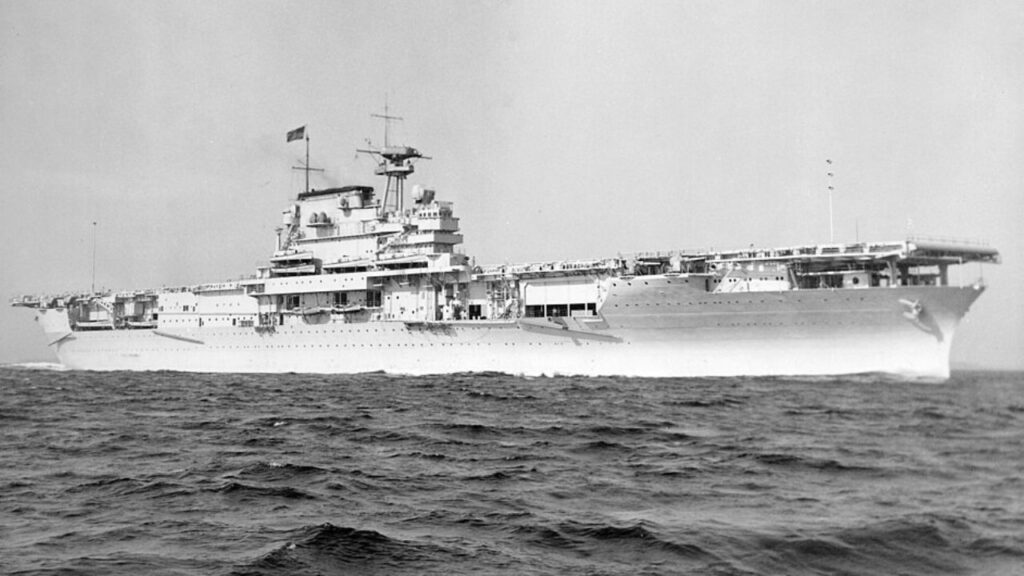
The USS Yorktown played a pivotal role in the Pacific Theater during World War II. Despite suffering severe damage at the Battle of Coral Sea, it was quickly repaired and sent back into action at the Battle of Midway. The repairs took an astounding 72 hours, showcasing the Navy’s determination and the carrier’s resilience.
Yorktown’s involvement at Midway was instrumental in the U.S. victory, proving that even a vessel battered by combat could contribute significantly to a critical turning point in history. It was a testament to both the ship’s and its crew’s unwavering spirit.
The Little Boy Bomb Carrier “Enola Gay”
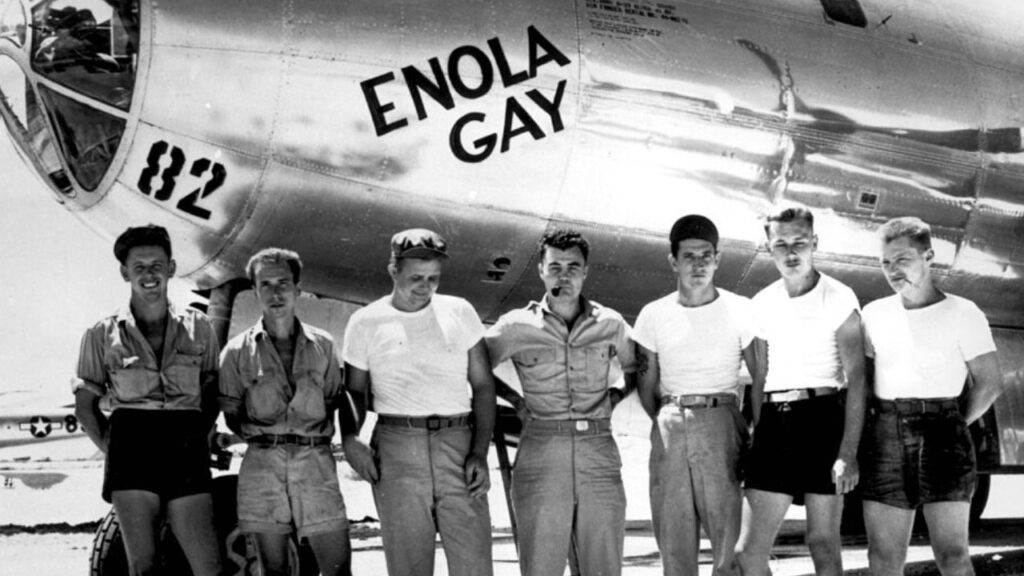
The B-29 Superfortress known as the “Enola Gay” carried out one of the most significant missions of World War II, dropping the atomic bomb on Hiroshima. The aircraft, piloted by Colonel Paul Tibbets, shown here in the middle, successfully completed its mission, changing the course of the war.
The precision and reliability of the Enola Gay were paramount in ensuring that the mission went according to plan. This aircraft’s role in history is a reminder of the profound impact that technology and reliability can have in wartime efforts.
The Queen Mary during World War II
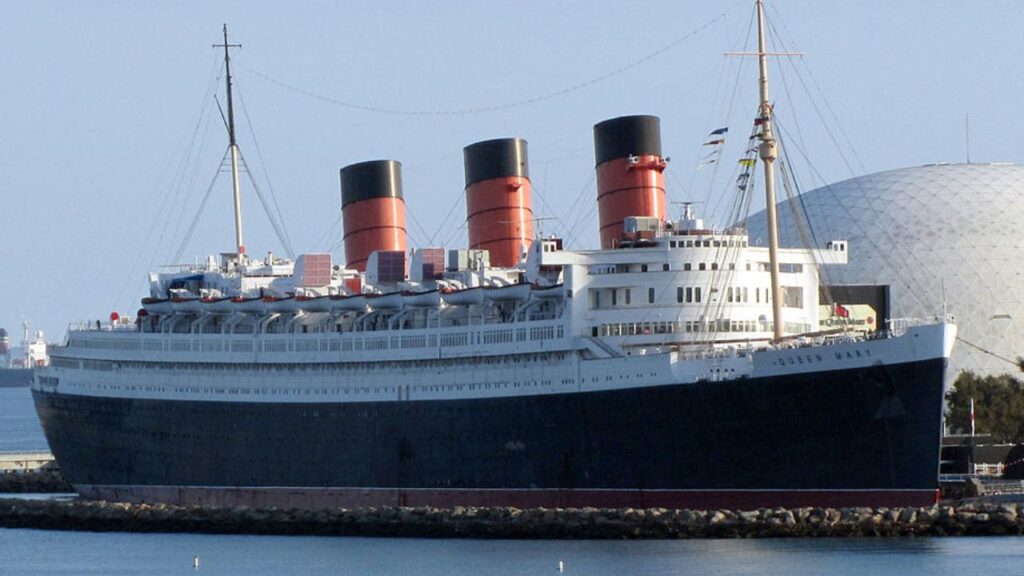
The RMS Queen Mary, originally a luxury ocean liner, was transformed into a troopship during World War II. Known as the “Grey Ghost” due to her color and speed, she transported hundreds of thousands of troops across the Atlantic, evading enemy submarines.
Her speed and size made her a valuable asset in the war effort. Despite being a prime target, the Queen Mary completed her missions without incident, proving her worth not as a luxury liner, but as a steadfast transporter of soldiers to battle.
Spirit of St. Louis
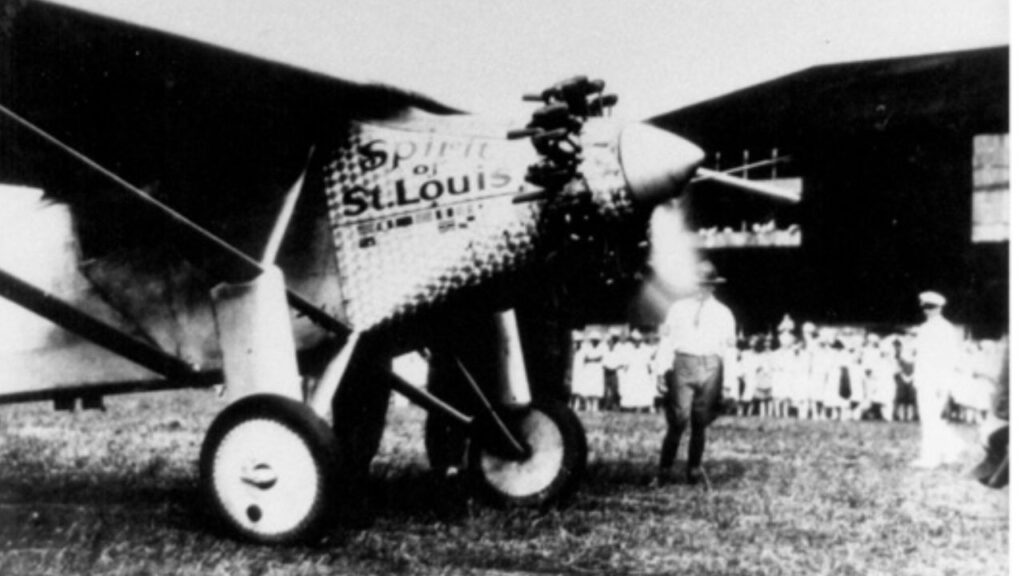
Charles Lindbergh’s “Spirit of St. Louis” became the first aircraft to make a nonstop solo transatlantic flight in 1927. The plane’s single-engine design, coupled with Lindbergh’s determination, made this historic flight possible, spanning 33.5 hours from New York to Paris.
Despite the challenges of fatigue and navigating without modern instruments, the aircraft performed flawlessly. The Spirit of St. Louis proved that with innovation and courage, even the longest journeys could be conquered, paving the way for future advancements in aviation.
The RMS Carpathia
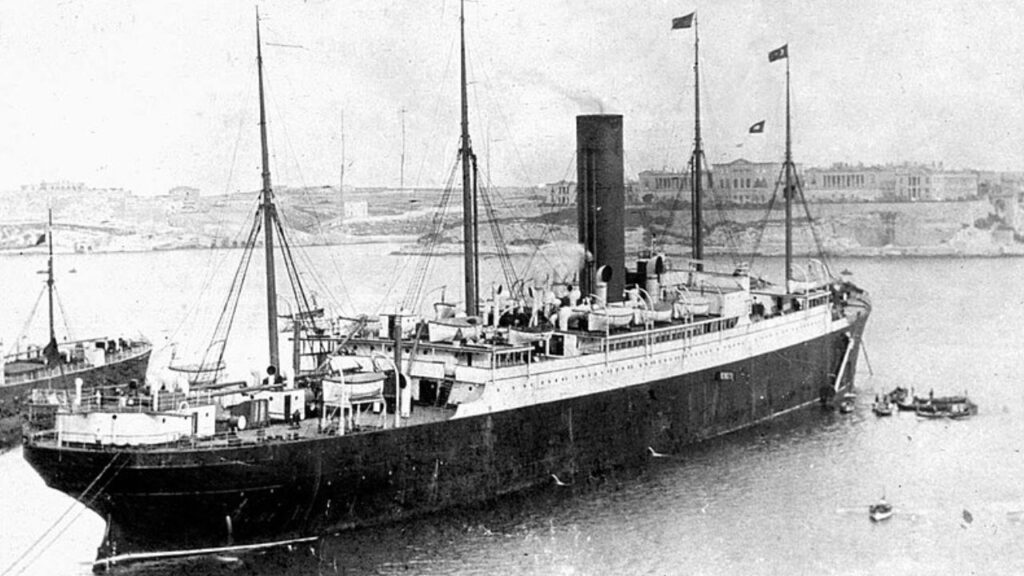
The RMS Carpathia is best remembered for rescuing the survivors of the Titanic disaster. Upon receiving the distress call, Captain Arthur Rostron ordered the Carpathia to steam full speed ahead, navigating icebergs in the dead of night to reach the lifeboats.
By the time the Carpathia arrived, it was too late to save those in the water, but her crew managed to rescue over 700 people from the lifeboats. This swift response and the ship’s reliability in treacherous conditions turned it into a symbol of hope amidst tragedy.