

Space is increasingly becoming a strategic arena for military operations. As countries expand their capabilities beyond Earth’s atmosphere, the line between peaceful exploration and militarization blurs. From anti-satellite tests to the establishment of space-focused military branches, these pivotal moments underscore the growing importance of space in national defense strategies.
The Launch of Sputnik 1: The Dawn of Space Race
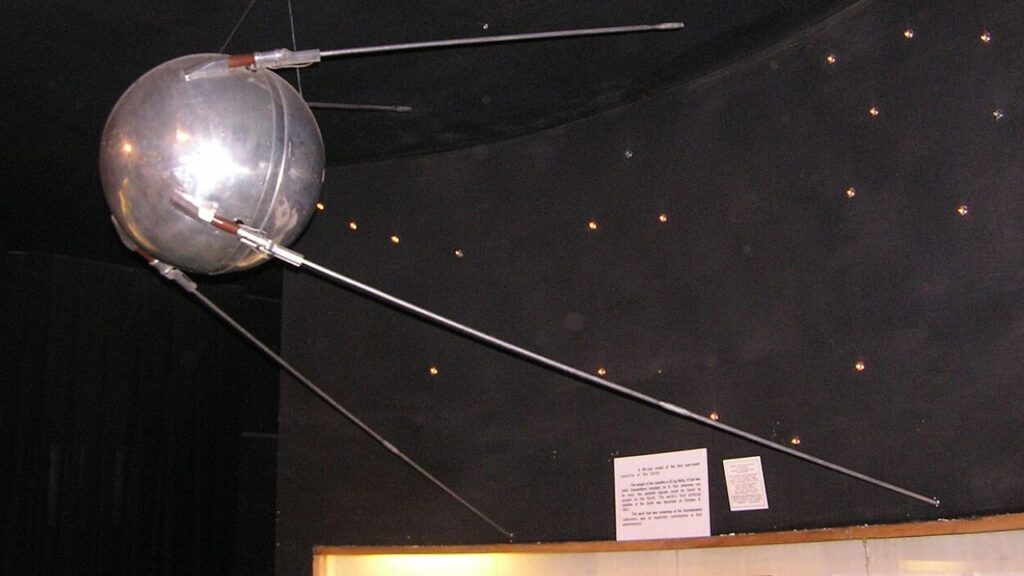
The launch of Sputnik 1 by the Soviet Union in 1957 marked the beginning of the space age and the subsequent space race between the United States and the Soviet Union. This event not only demonstrated the potential for technological advancements in space exploration but also raised concerns about the militarization of space. The launch signaled that space could serve as a new domain for military advantage, prompting countries to invest heavily in space technology and defense capabilities.
Sputnik’s success spurred the U.S. to accelerate its own space program, leading to the creation of NASA and the development of military space initiatives. This period laid the groundwork for future space-based military operations, highlighting the strategic importance of controlling access to and use of outer space.
The Establishment of the United States Space Force
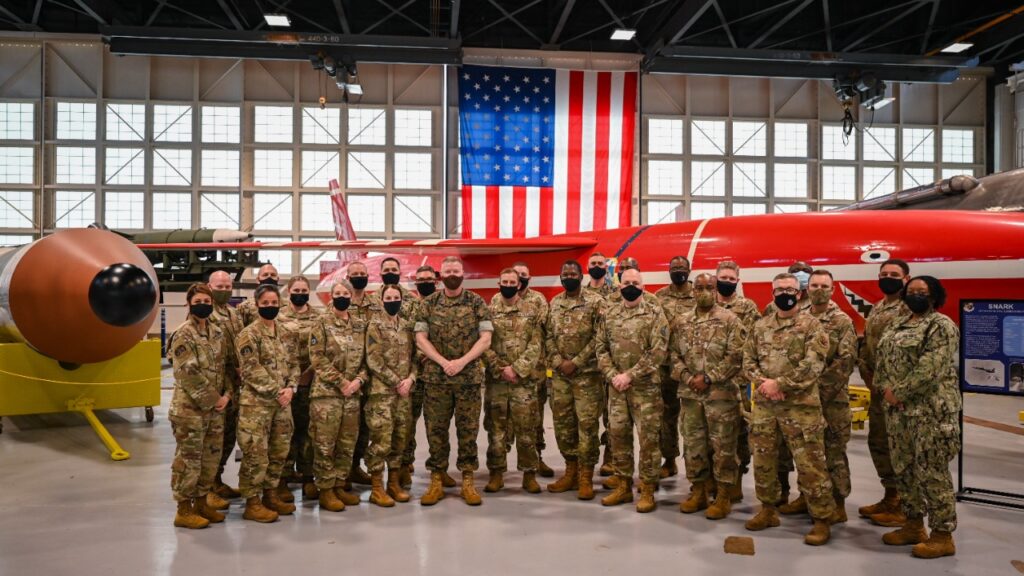
In December 2019, the United States formally established the U.S. Space Force as the sixth branch of its armed forces. This move underscored the growing recognition of space as a critical domain for national security. The Space Force’s mission includes protecting U.S. and allied interests in space, deterring aggression, and ensuring freedom of operation in the domain.
The creation of the Space Force reflects the need for a dedicated military branch to address challenges in space, including satellite protection and space traffic management. It also emphasizes the strategic importance of space in modern military operations and the need for specialized capabilities to maintain a competitive edge.
China’s Anti-Satellite Missile Test
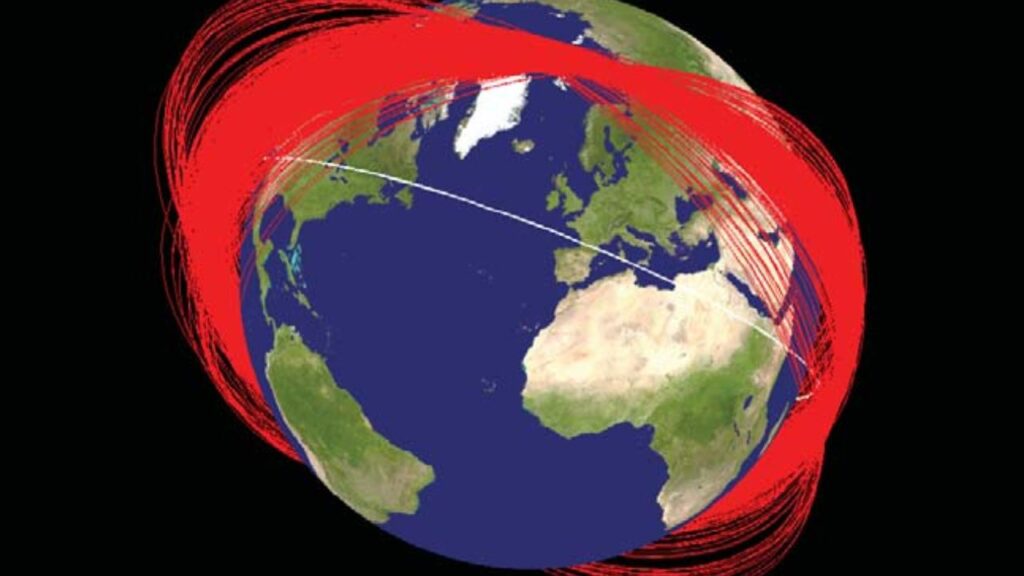
In 2007, China conducted an anti-satellite (ASAT) missile test, successfully destroying one of its own weather satellites in orbit. This test demonstrated China’s ability to target and eliminate space-based assets, raising international concerns about the potential for space conflict and the risk of space debris.
This event highlighted the vulnerabilities of satellites, which are crucial for communication, navigation, and surveillance. It also prompted other nations to enhance their own ASAT capabilities and develop strategies to protect their space assets, contributing to the perception of space as a military frontier.
The X-37B Orbital Test Vehicle Missions
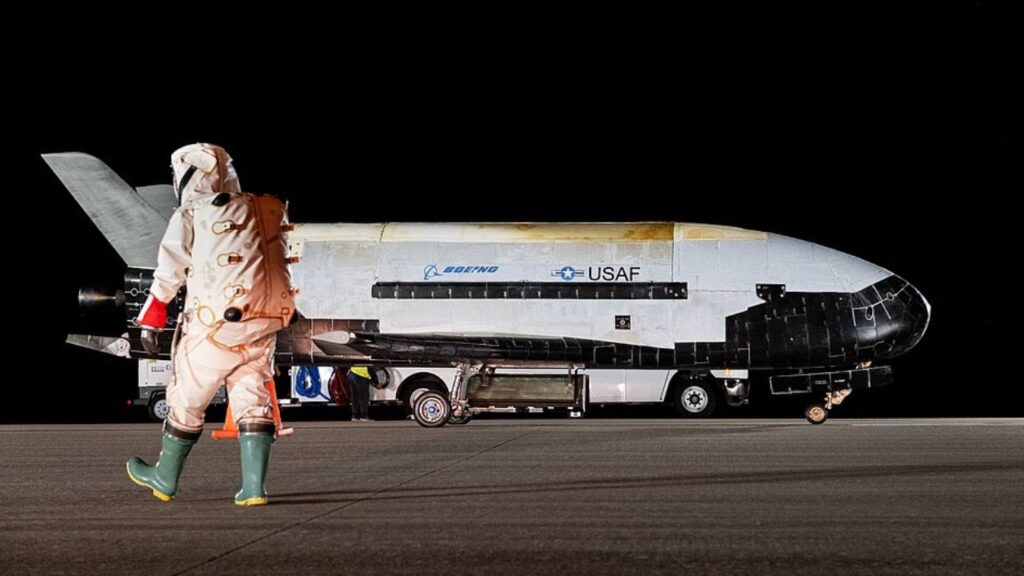
The U.S. Air Force’s X-37B Orbital Test Vehicle has been conducting secretive missions since its first launch in 2010. While the specifics of these missions remain classified, the X-37B is believed to be testing new space technologies and capabilities that could be used for military purposes.
The X-37B’s extended missions in orbit demonstrate the potential for reusable space vehicles to conduct long-duration operations, gather intelligence, and test advanced technologies. This capability represents a significant step forward in the militarization of space and the ability to project power beyond Earth’s atmosphere.
The Artemis Accords: Militarization Concerns

The Artemis Accords, initiated by NASA in 2020, aim to establish a framework for international cooperation in lunar exploration and beyond. However, some critics argue that the Accords could pave the way for the militarization of space by allowing countries to establish “safety zones” around their operations, potentially leading to territorial claims.
While the Accords emphasize peaceful exploration, the lack of clear guidelines on military activities in space raises concerns about the potential for conflicts. As more countries sign onto the Accords, the balance between cooperation and competition in space exploration will be crucial in preventing the militarization of space.
India’s Successful Anti-Satellite Test
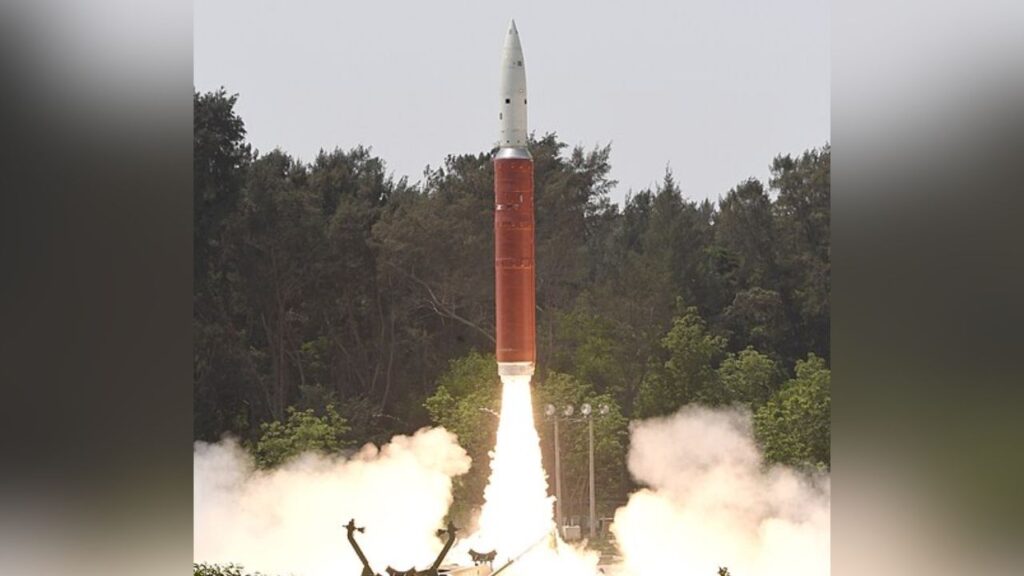
In 2019, India joined the ranks of countries with anti-satellite capabilities by successfully conducting its Mission Shakti test. The test involved an interceptor missile destroying a live satellite in low Earth orbit, showcasing India’s ability to protect its space assets and deter potential threats.
This demonstration of military capability in space further highlighted the growing trend of nations developing ASAT technologies. As more countries acquire the ability to target satellites, the risk of a space arms race increases, emphasizing the need for international agreements to regulate military activities in space.
The Development of Space-Based Missile Defense Systems
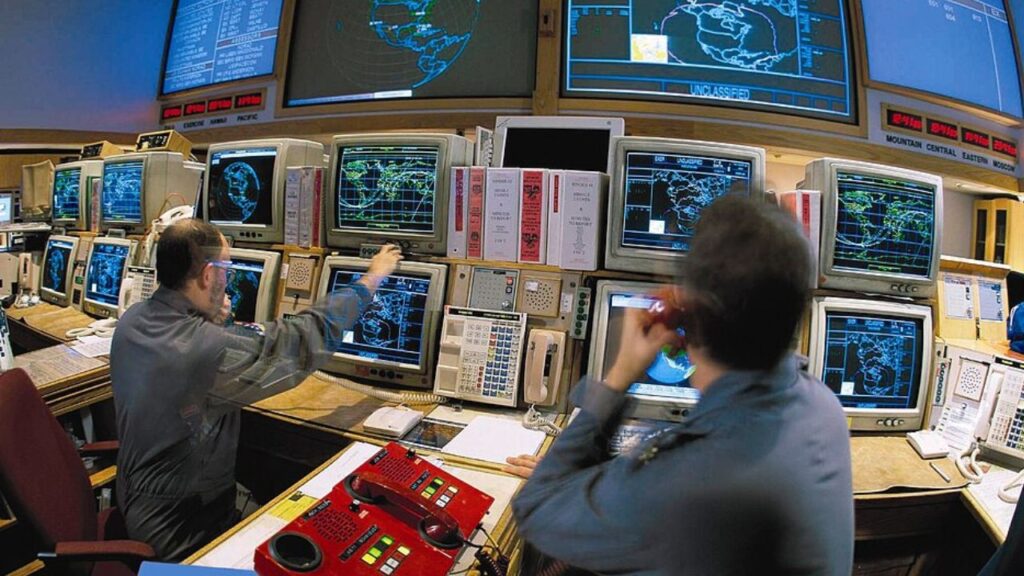
Space-based missile defense systems have emerged as a critical component of national security strategies. These systems, which include missile-tracking satellites and interceptors, offer the potential to detect and neutralize threats before they reach their targets.
Countries like the United States are investing in advanced technologies to develop these systems, which could provide a strategic advantage in deterring and defending against missile attacks. The deployment of such systems represents a significant step towards the militarization of space and the integration of space assets into national defense architectures.
NATO Recognizing Space as an Operational Domain

In 2019, NATO officially recognized space as an operational domain, highlighting its importance to the alliance’s security and defense strategies. This recognition marks a shift in NATO’s approach to space, emphasizing the need to protect space infrastructure and ensure collective defense capabilities.
By acknowledging space as a domain, NATO member states are encouraged to develop and share space-based capabilities, enhancing situational awareness and resilience against potential threats. This development underscores the strategic importance of space in modern military operations and the need for cooperation among allies to maintain security in the domain.
The Rise of Private Military Contractors in Space Operations

The involvement of private military contractors in space operations is on the rise, reflecting the increasing commercialization and privatization of space activities. Companies like SpaceX and Blue Origin are not only advancing space exploration but also providing launch services and developing technologies that could support military operations.
This trend raises questions about the role of commercial entities in space defense and the potential for conflicts of interest. As private companies become more integrated into military space operations, the lines between commercial and military activities may become increasingly blurred, further complicating the landscape of space as a military frontier.