
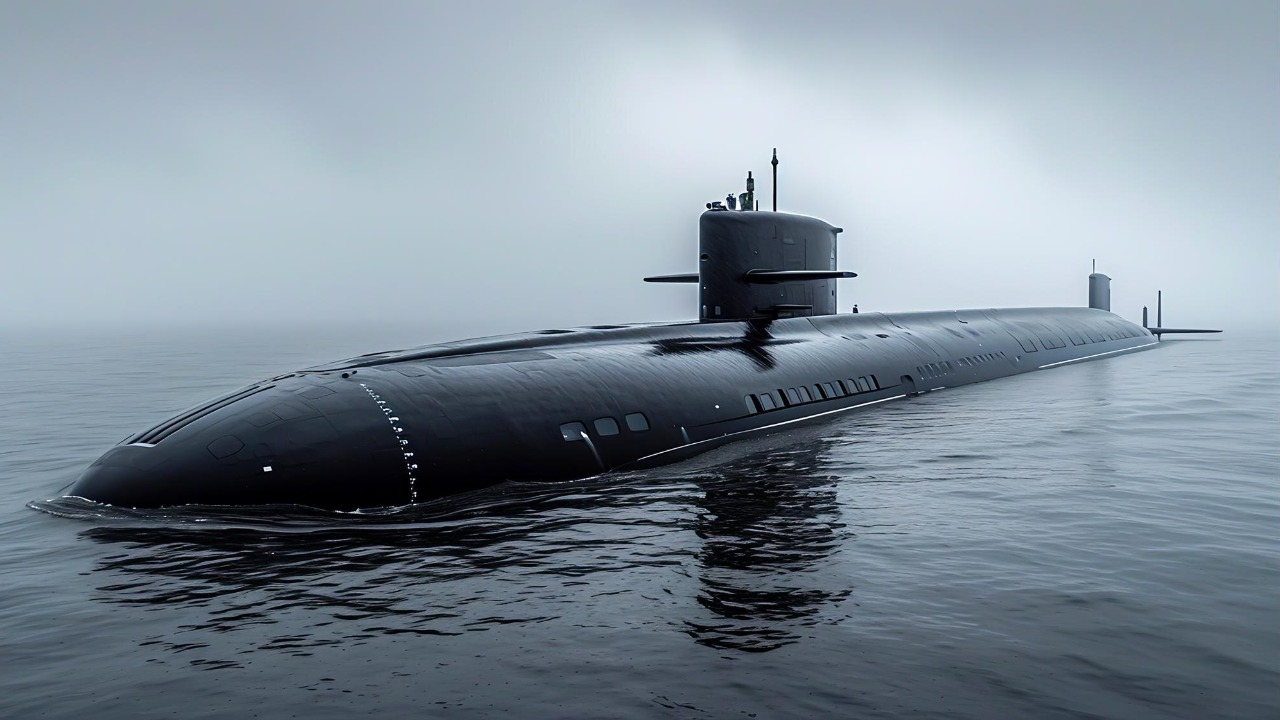
Far below the surface, where sunlight fades and pressure mounts, modern submarines carry a quiet kind of power. Their strength is measured less in noise and spectacle than in the ability to remain unseen, to endure, and to be ready when the moment of crisis arrives. That resilience is built from a combination of engineering, strategy, and human discipline, rarely visible to the public.
Yet the stakes are immense. Submarines shape nuclear deterrence, protect sea lanes, and shadow rivals in contested waters, all while operating in an environment that punishes error. Understanding how this silent strength is forged, and how it is being challenged, reveals a great deal about the future balance of power beneath the waves.
From Silent Service to Strategic Backbone
The United States Navy has long treated the deep ocean as a decisive arena, turning the so called Silent Service into a strategic backbone rather than a supporting arm. The U.S. Navy calls its Submarine Force the Silent Service because these boats operate undetected, conducting missions from nuclear deterrence to intelligence collection. That quiet posture is not symbolic; it is central to the Submarine Force’s strategic role, remaining hidden until its presence—or the possibility of it—affects an adversary’s decisions.
Over more than a century of undersea operations, the Navy has refined this approach into a culture that prizes discretion, technical mastery, and endurance. Modern submarines exploit the ocean’s depths as a shield, using sound and light distortions to remain concealed while maintaining agility in hostile environments. That combination of stealth and maneuverability allows submarines to slip into contested waters, monitor rival fleets, and, if ordered, deliver decisive strikes, all while preserving the ambiguity that makes deterrence credible.
Allied Innovation Beneath the Surface
Silent strength under the sea is not an American monopoly, and allied navies have invested heavily in their own undersea capabilities. The royal navy’s astute class submarines, for example, represent the United Kingdom’s latest attack submarine capability, built to deliver precision strike, intelligence gathering, surveillance, and anti submarine warfare in a single platform. These boats are engineered to operate for extended periods without surfacing, integrating advanced sensors and weapons into a hull optimized for quiet running.
These allied platforms are critical because undersea warfare increasingly relies on coalition operations with shared patrol areas, data, and tactics. When Astute class Submarines patrol alongside American boats, they extend the reach of the broader alliance and complicate the planning of any potential adversary. Their ability to conduct intelligence gathering, surveillance, and anti submarine warfare in contested regions reinforces the idea that undersea deterrence is collective, and that the silent strength below the waves is multiplied when partners bring their own cutting edge capabilities to the fight.
The Harsh Physics of the Underwater Battlefield
For all their sophistication, submarines operate in an environment that resists easy control. The underwater domain is shaped by physics that can both protect and expose a vessel, particularly through the way sound travels differently through layers of water. Temperature, salinity, and depth can bend acoustic waves, creating shadow zones where a submarine can hide, as well as channels that carry noise over long distances. Anti submarine warfare specialists study these patterns relentlessly, seeking to place sensors and patrols where they can exploit the physics rather than be fooled by it.
This complexity drives a technological arms race between submarines and their hunters. Modern anti submarine warfare relies on networks of sonar arrays, maritime patrol aircraft, and surface ships, all tuned to detect the faintest acoustic signatures. Yet as detection systems improve, submarine designers respond with quieter propulsion, better hull coatings, and tactics that use the ocean’s structure to break contact. The result is a silent battle beneath the waves, where each side tests new detection systems and innovative tactics against opponents who are equally determined to remain unseen.
Human Endurance and Rising Competition
Behind every quiet hull is a crew that must live and work in isolation, often for months at a time. A report from Sailor for a Day, Beneath the Surface in Norfolk, Virginia, detailed how the Navy trains sailors to operate in cramped compartments with no natural light, limited personal space, and constant operational demands. That experience, documented by WDBJ, shows how the Navy builds resilience through rigorous qualification processes, cross training, and a culture that expects every sailor to understand the systems that keep the boat alive.
Life aboard a submarine is defined by routine and readiness, from carefully scheduled watches to drills that simulate fires, flooding, or equipment failures. The Navy’s emphasis on mental toughness and technical proficiency is not optional, it is the margin of safety when a crew is hundreds of feet below the surface with no immediate help available. That human factor contributes to the Silent Service’s battle-tested reputation, as every deployment requires crews to maintain focus and cohesion in conditions that would challenge less disciplined teams.
At the same time, the strategic environment around these crews is growing more contested. Analysts have warned that China’s submarine fleet within the People’s Liberation Army Navy could soon overtake the American Silent Service in sheer numbers, a shift that would alter the balance of power in the Indo Pacific. This scenario increases pressure on the Submarine Force to maintain its qualitative advantage in stealth, sensor technology, and crew training. Battle approved strength below the waves, in this context, is not a static achievement but an ongoing contest, one in which technology, tactics, and human endurance must all keep pace with a rapidly changing threat.