

Throughout history, certain warships have demonstrated that sheer toughness and the ability to withstand adversity are invaluable. These ships have become symbols of resilience, facing overwhelming odds and often coming out on top. Here are nine warships that have left their mark on naval history due to their incredible endurance.
USS Constitution

Known affectionately as “Old Ironsides,” the USS Constitution is a wooden-hulled frigate that played a pivotal role during the War of 1812. In an era dominated by wooden ships, the Constitution earned its legendary nickname for its ability to withstand British cannon fire, which seemed to bounce off her sides. This venerable ship remains afloat today, a testament to her remarkable resilience and the pride of the United States Navy.
Launched in 1797, the Constitution is the world’s oldest commissioned naval vessel still afloat. Her legacy is celebrated not just by historians but also by anyone who values maritime heritage. The ship’s ability to endure both battles and the passage of time highlights the importance of robust design and craftsmanship.
HMS Victory
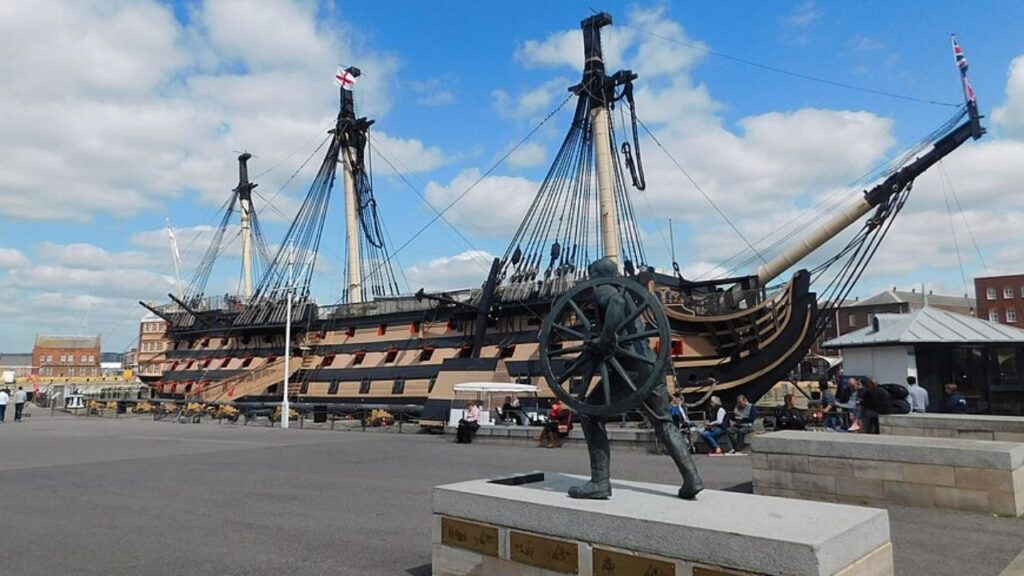
The British Royal Navy’s HMS Victory is another iconic vessel that has stood the test of time. Best known for her role as Admiral Horatio Nelson’s flagship during the Battle of Trafalgar in 1805, Victory played a crucial part in establishing British naval dominance. Despite being heavily outgunned, Nelson’s strategic brilliance and the ship’s sturdy construction ensured a decisive victory.
Today, Victory can be visited at Portsmouth Historic Dockyard, where she continues to inspire visitors with tales of bravery and tactical prowess. Her preservation serves as a reminder of the resilience that defined her illustrious career on the high seas.
Bismarck
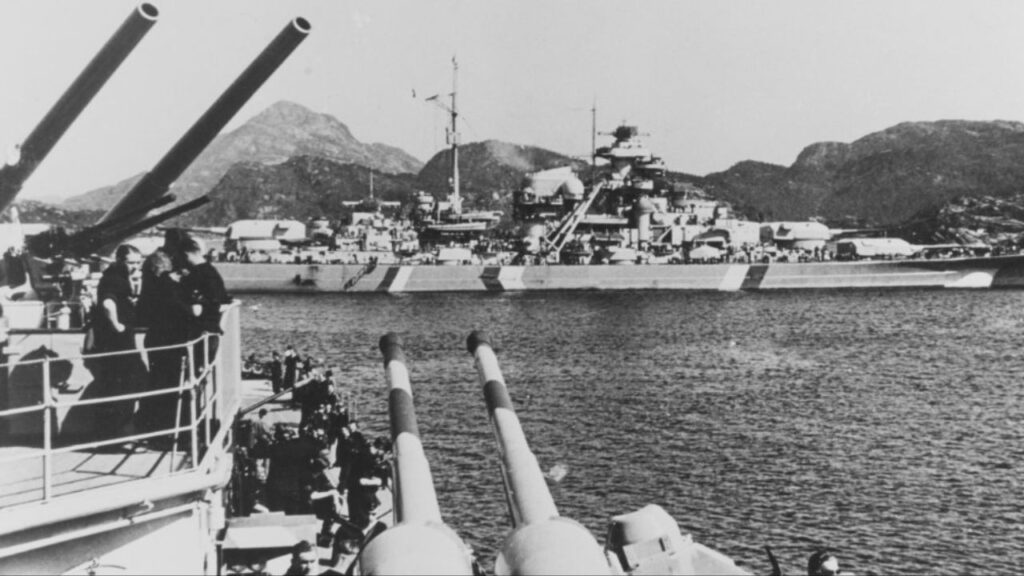
The German battleship Bismarck was a formidable force during World War II. Despite her short operational life, Bismarck’s resilience was evident in her final battle. After being hunted by the British fleet, she demonstrated remarkable durability, withstanding numerous attacks before finally succumbing to overwhelming firepower.
The story of Bismarck is a blend of engineering marvel and tactical blunder, but her ability to endure intense bombardment has become legendary. Her demise marked a turning point in naval warfare, highlighting the importance of strategic planning alongside sheer resilience.
USS Enterprise (CV-6)
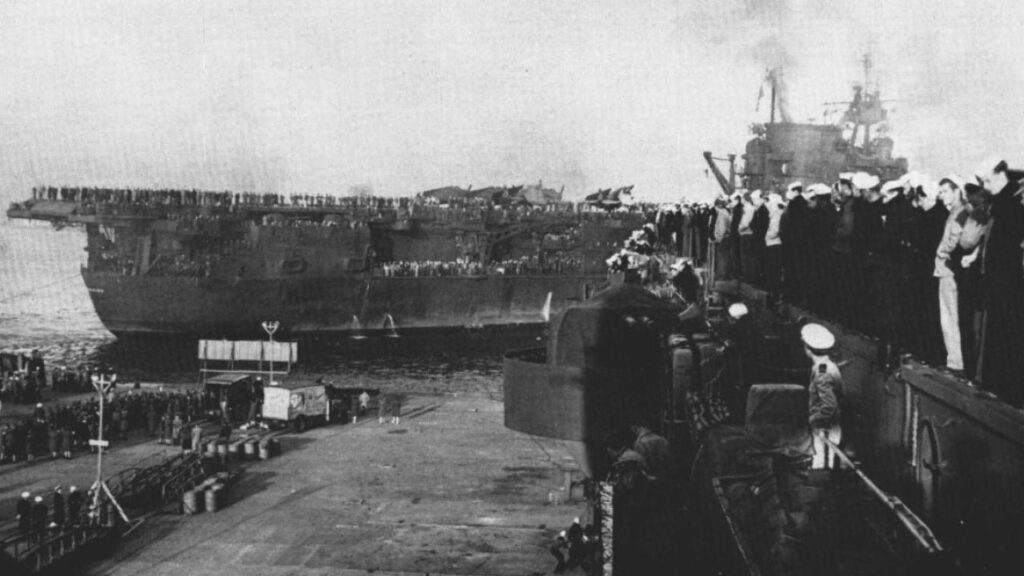
Referred to as the “Big E,” the USS Enterprise (CV-6) was one of the most decorated ships of World War II. Her resilience was unmatched, surviving numerous battles across the Pacific Theater. From the Battle of Midway to the Doolittle Raid, Enterprise played a critical role in turning the tide against the Axis powers.
The Enterprise’s contributions were so significant that her name has continued to be used by the U.S. Navy for subsequent ships. Her legacy lives on, celebrating not just her resilience but also her pivotal contributions to the Allied victory.
Yamato

The Japanese battleship Yamato was the heaviest and most powerfully armed battleship ever constructed. Her resilience was tested in the final months of World War II when she embarked on a one-way mission to Okinawa. Despite her overwhelming firepower, Yamato was sunk by U.S. aircraft, but not without putting up a fierce fight.
The sinking of Yamato marked the end of an era for battleship dominance, underscoring the shift in naval strategy toward air power. Her story remains a poignant reminder of the limits of resilience in the face of evolving warfare technology.
HMS Dreadnought

Launched in 1906, HMS Dreadnought revolutionized naval warfare with her advanced design and firepower. This British battleship was so influential that her name became synonymous with an entire class of warships. Her resilience was evident during World War I, where she served with distinction in the Royal Navy.
The Dreadnought’s innovative design set a new standard for naval architecture, emphasizing the importance of combining resilience with cutting-edge technology. Her legacy is reflected in the ships that followed, shaping naval strategy for generations.
USS Missouri
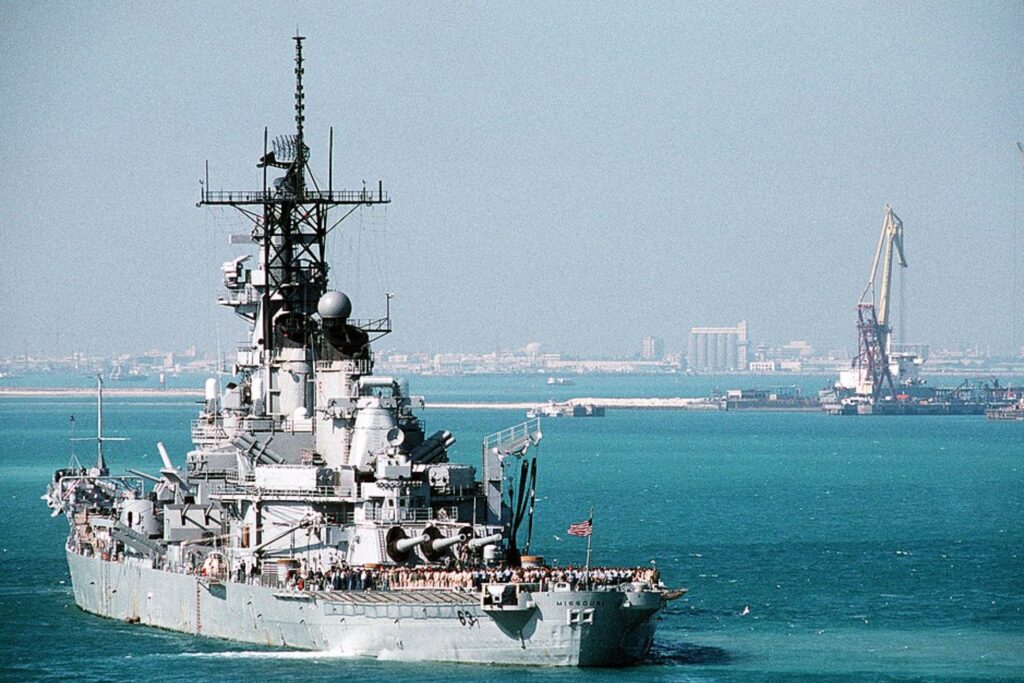
The USS Missouri, also known as the “Mighty Mo,” was the site of Japan’s formal surrender at the end of World War II. This iconic moment solidified Missouri’s place in history, but her resilience extended beyond ceremonial duties. She served in the Korean War and later in Operation Desert Storm, showcasing her versatility and endurance.
Missouri’s story exemplifies the adaptability and longevity of well-designed warships. Her presence at pivotal moments of 20th-century history underscores the enduring importance of resilience in naval operations.
Admiral Graf Spee

The German pocket battleship Admiral Graf Spee was involved in one of the earliest naval engagements of World War II. Known for her speed and firepower, Graf Spee’s resilience was on display during the Battle of the River Plate. Despite being outnumbered, she managed to inflict significant damage on the Allied forces before retreating to neutral waters.
Ultimately, her captain scuttled the ship to prevent her capture, but Graf Spee’s legacy lives on. Her story reflects the challenges of maintaining resilience in the face of strategic dilemmas and international pressure.
USS Cole
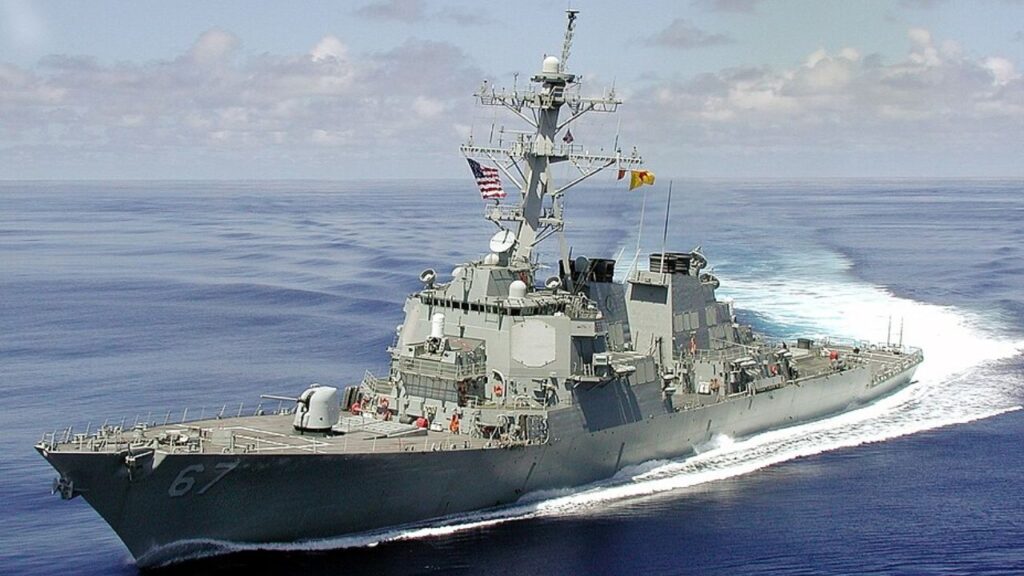
The USS Cole’s resilience was put to the test on October 12, 2000, when she was attacked by terrorists in the Yemeni port of Aden. Despite suffering significant damage and the loss of 17 sailors, the crew’s quick response and determination prevented further disaster. Cole was repaired and returned to service, embodying the spirit of resilience.
This modern example of perseverance highlights the ongoing challenges faced by naval vessels in an unpredictable world. The resilience of the USS Cole serves as an inspiration for current and future generations of sailors.