

As the space industry advances, a new breed of spacecraft is emerging, each promising to redefine our approach to exploring the cosmos. These next-generation vehicles are designed to tackle the challenges of space travel, from transporting astronauts to deep space destinations to enabling commercial space tourism. Here’s a closer look at some of the most exciting spacecraft shaping the future of space travel.
Starship by SpaceX

SpaceX’s Starship is a fully reusable spacecraft designed to carry both crew and cargo to a variety of destinations, including Mars. This ambitious project aims to reduce the cost of space access and facilitate interplanetary colonization. With its stainless steel construction and innovative heat shield, Starship is engineered to withstand the rigors of space travel and atmospheric reentry.
Starship’s development has been marked by a series of high-altitude test flights and prototypes. The spacecraft’s massive payload capacity and versatility make it a game-changer for both scientific missions and commercial ventures. SpaceX has plans to use Starship for missions as diverse as lunar landings and point-to-point travel on Earth, promising a new era of accessibility to space.
Orion by NASA
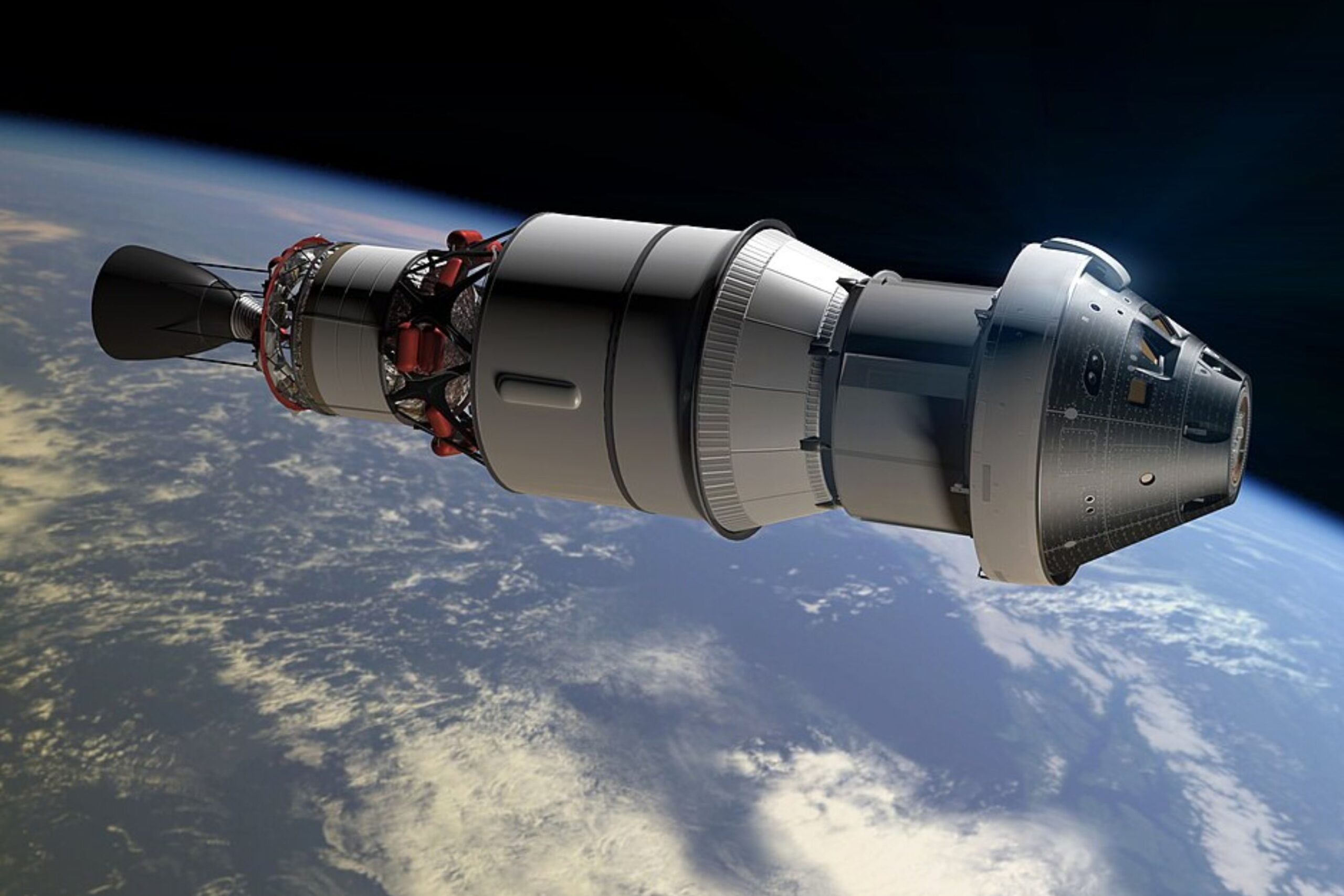
NASA’s Orion spacecraft is a key component of the Artemis program, which aims to return humans to the Moon and eventually send astronauts to Mars. Designed for deep-space missions, Orion is equipped with advanced navigation, life support, and communication systems. Its crew module can accommodate up to four astronauts on missions lasting several weeks.
The Orion spacecraft has already completed a successful test mission, known as Exploration Flight Test-1, which provided valuable data on its performance in space. Future missions will see Orion traveling to the lunar Gateway and beyond, expanding humanity’s presence in the solar system.
New Shepard by Blue Origin

Blue Origin’s New Shepard is a suborbital spacecraft designed for space tourism and scientific research. It features a reusable booster and a crew capsule capable of carrying six passengers. The spacecraft offers a few minutes of weightlessness and stunning views of Earth from space.
New Shepard has completed numerous successful test flights, demonstrating its reliability and safety. Blue Origin plans to use New Shepard for commercial flights, making space travel accessible to private citizens. The company’s long-term vision includes enabling millions of people to live and work in space, with New Shepard serving as a stepping stone toward that goal.
Dream Chaser by Sierra Nevada Corporation
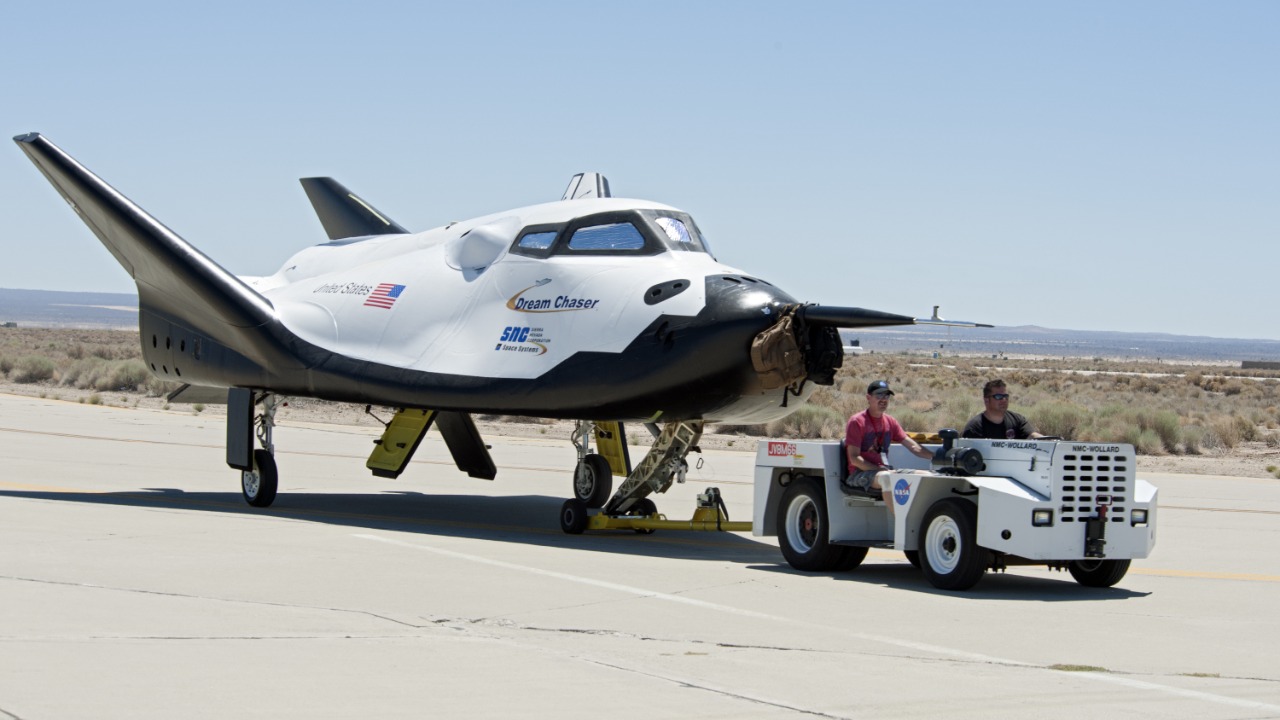
The Dream Chaser is a spaceplane developed by Sierra Nevada Corporation for cargo resupply missions to the International Space Station (ISS). Its design is based on NASA’s HL-20 lifting body concept, allowing it to land on conventional runways.
Dream Chaser’s versatility and reusability make it an attractive option for a variety of missions. It is capable of carrying both pressurized and unpressurized cargo to the ISS and returning to Earth with sensitive scientific experiments. The spaceplane’s ability to land at commercial airports enhances its flexibility for rapid turnaround and redeployment.
Dragon 2 by SpaceX

Dragon 2, also known as Crew Dragon, is SpaceX’s next-generation spacecraft for transporting astronauts to and from the ISS. Building on the success of its predecessor, Dragon 2 features enhanced safety systems, including a launch escape system and automated docking capabilities.
Since its first crewed flight in 2020, Dragon 2 has become a key component of NASA’s Commercial Crew Program. It has successfully transported astronauts to the ISS, demonstrating its reliability and paving the way for future missions. SpaceX also envisions using Dragon 2 for private missions, further expanding access to space.
Artemis Gateway by NASA
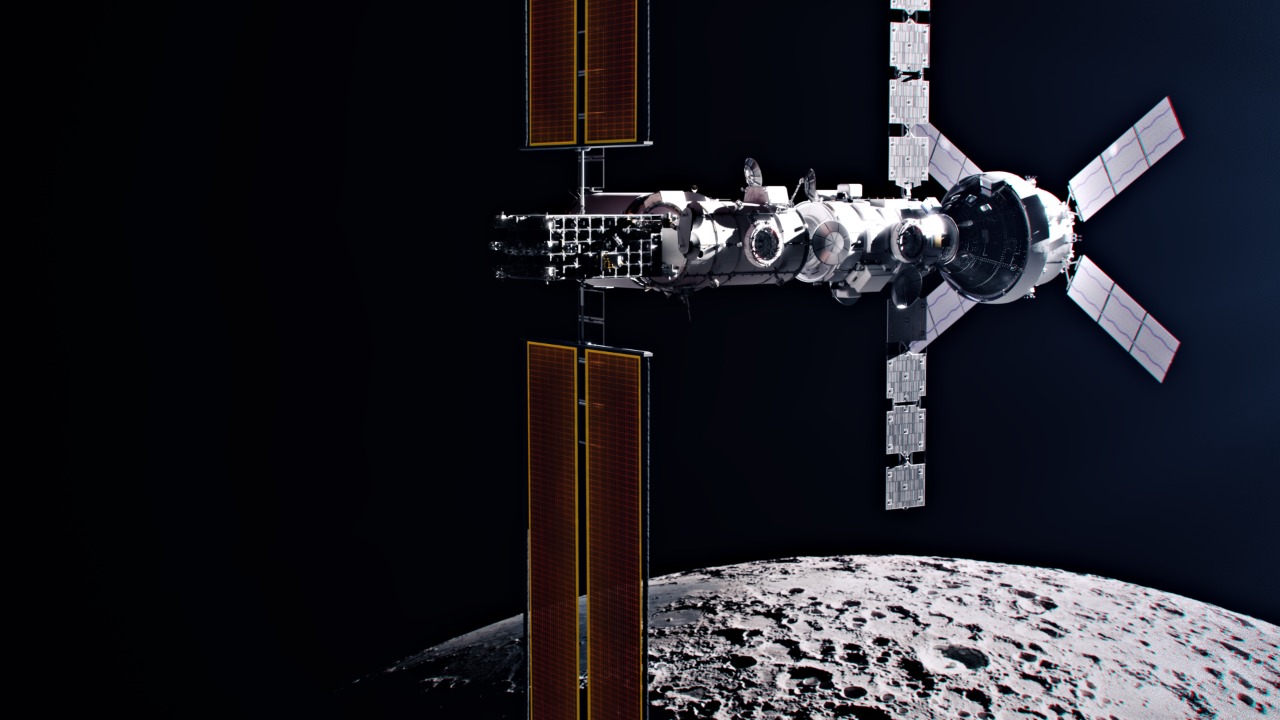
The Artemis Gateway is a planned lunar outpost that will orbit the Moon, serving as a staging point for missions to the lunar surface and beyond. Developed as part of NASA’s Artemis program, the Gateway will facilitate international collaboration and support long-duration lunar exploration.
The Gateway will provide a platform for scientific research, technology demonstrations, and crewed missions. Its modular design allows for incremental expansion, accommodating a variety of missions and partners. The outpost is a critical step toward establishing a sustainable human presence on the Moon and preparing for future missions to Mars.
Tianhe by China National Space Administration (CNSA)
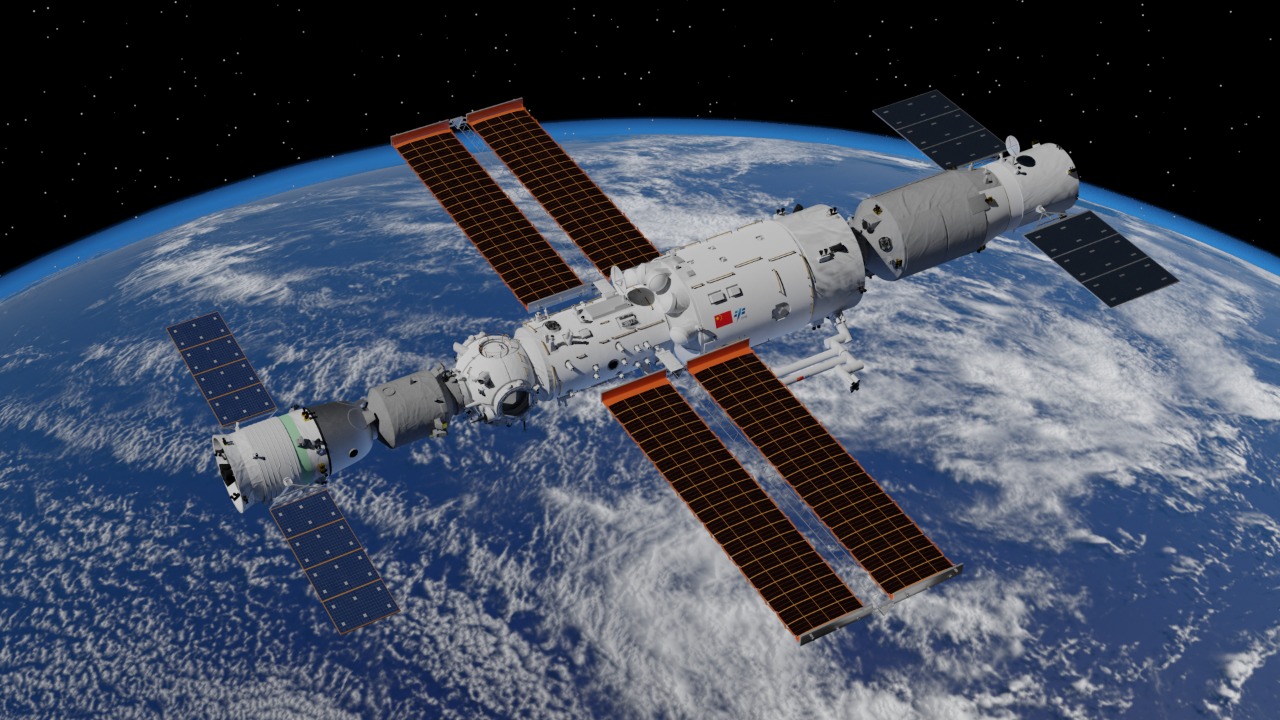
Tianhe is the core module of China’s Tiangong space station, which is set to be fully operational by the mid-2020s. Launched by the China National Space Administration (CNSA), Tianhe serves as the control hub for the station, housing life support and living quarters for astronauts.
The Tiangong space station represents China’s growing capabilities in human spaceflight and international cooperation. The station’s modular design allows for future expansion, with plans for scientific research, Earth observation, and technology development. Tianhe’s successful deployment marks a significant milestone in China’s space ambitions.
H-II Transfer Vehicle (HTV-X) by JAXA

The H-II Transfer Vehicle (HTV-X) is the next-generation cargo spacecraft developed by the Japan Aerospace Exploration Agency (JAXA) for resupply missions to the ISS. Building on the success of the original HTV, the HTV-X offers enhanced performance and flexibility.
With its increased payload capacity and improved systems, the HTV-X is designed to support a wide range of missions, including space station resupply and technology demonstrations. Its ability to deliver both pressurized and unpressurized cargo makes it a versatile asset for international space collaboration. The HTV-X’s development underscores Japan’s commitment to advancing space technology and fostering global partnerships.