
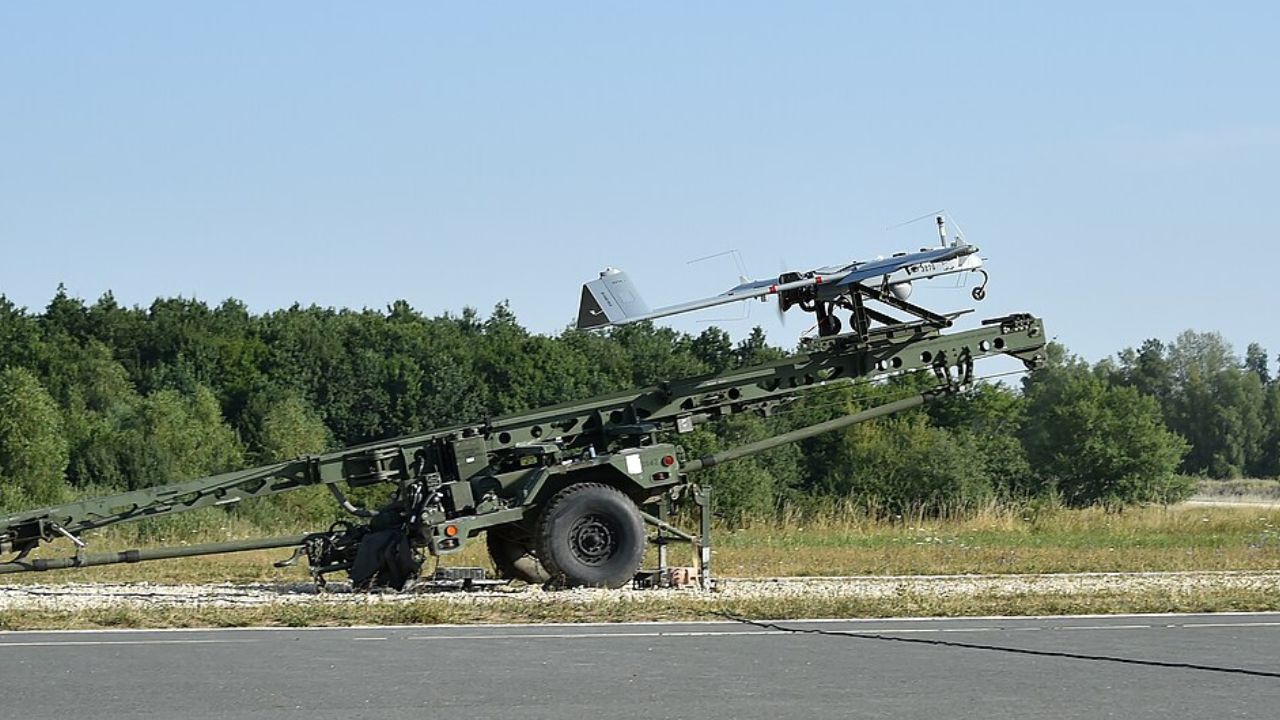
In the rapidly evolving landscape of warfare, military drones have emerged as pivotal tools that redefine strategic operations. These unmanned aerial vehicles (UAVs) are transforming the battlefield, offering new dimensions of surveillance, precision strikes, and tactical advantages. Let’s delve into eight military drones that have significantly impacted modern warfare.
Predator MQ-1
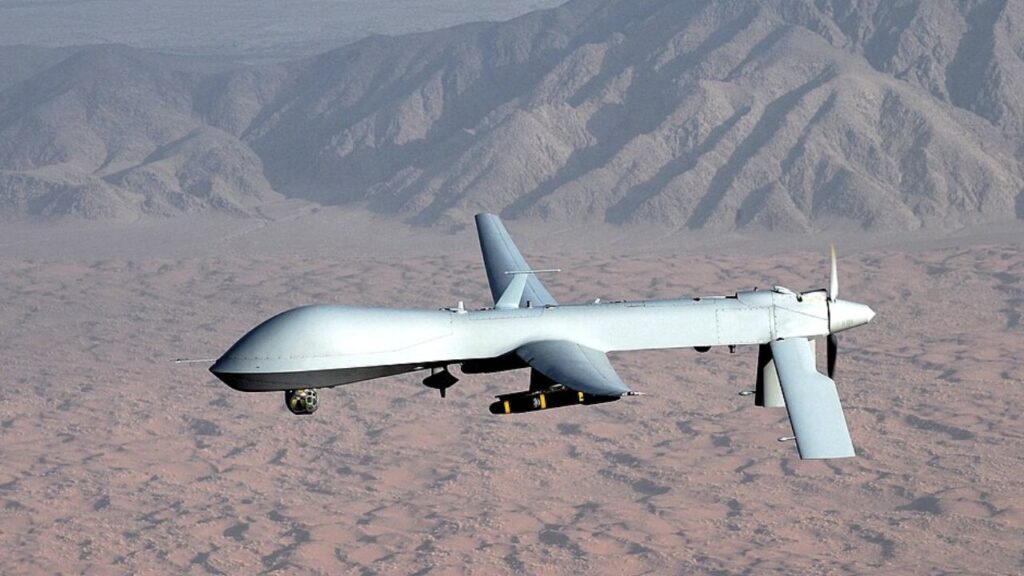
The Predator MQ-1, developed by General Atomics, is a trailblazer in UAV technology. First deployed in the mid-1990s, it played a crucial role in reconnaissance and intelligence missions. Its ability to hover over areas for extended periods provided military forces with real-time surveillance capabilities. The MQ-1’s integration of Hellfire missiles later expanded its function to include targeted strikes, marking a significant shift in military tactics.
This drone’s impact was notably seen during operations in the Middle East, where it provided critical support in both Afghanistan and Iraq. The Predator MQ-1’s dual capability of surveillance and precision striking demonstrated the potential of drones in modern warfare.
Reaper MQ-9
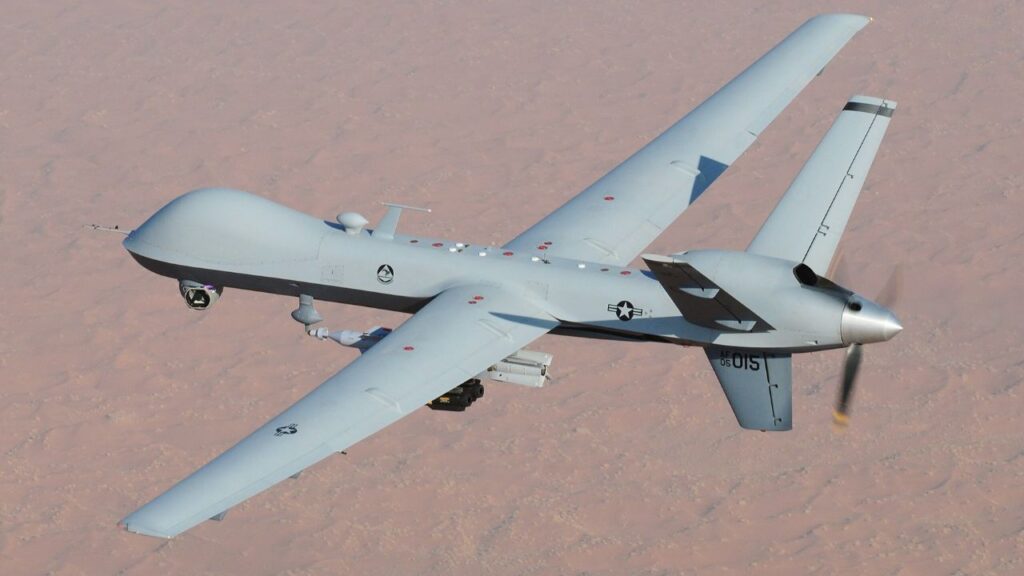
The Reaper MQ-9, an evolution of the Predator, offers enhanced capabilities with greater endurance and payload capacity. This UAV is designed for long-endurance, high-altitude surveillance, and is equipped with advanced sensors and weaponry. It can carry a larger arsenal, including laser-guided bombs and air-to-ground missiles.
Deployed in various conflicts, the MQ-9 has been instrumental in anti-terrorism operations, providing persistent surveillance and precision strikes. Its operational success in regions like Yemen and Somalia underscores its strategic value in modern military engagements.
Global Hawk RQ-4
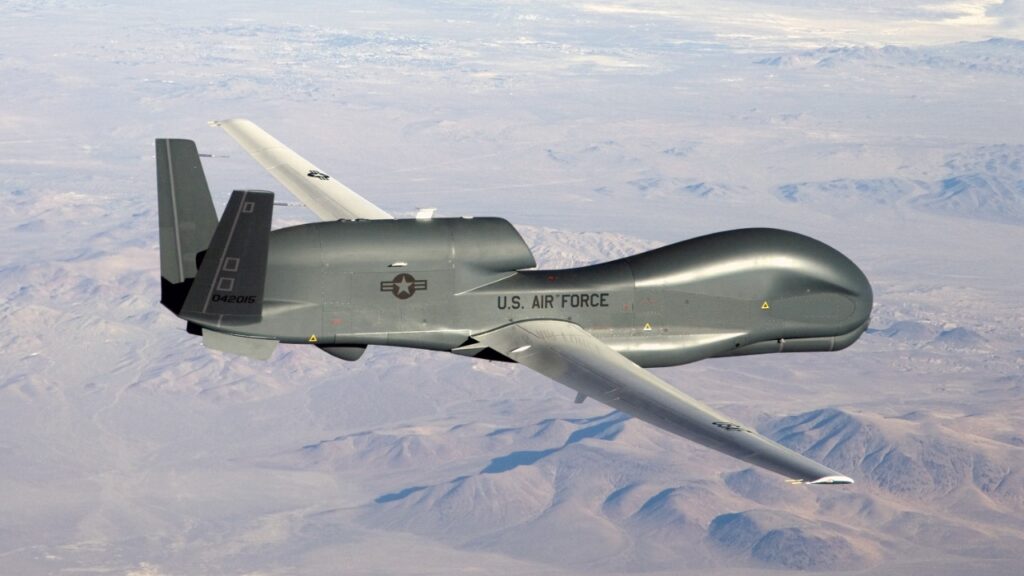
The Global Hawk RQ-4 by Northrop Grumman is renowned for its high-altitude, long-endurance capabilities. Designed primarily for surveillance, this UAV can cover vast distances and gather intelligence over large geographic areas. It operates at altitudes of up to 60,000 feet, beyond the range of most surface-to-air missiles.
This drone has been pivotal in providing critical intelligence during humanitarian crises and military operations worldwide. The RQ-4’s ability to deliver near real-time data has made it an indispensable asset for strategic decision-making.
Switchblade 300
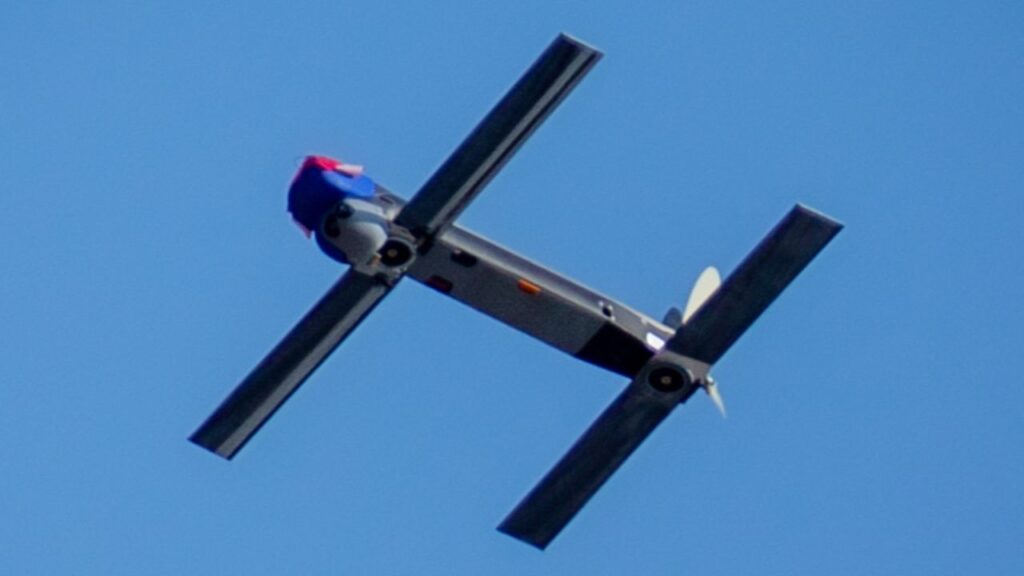
The Switchblade 300, developed by AeroVironment, is a compact yet powerful loitering munition. Its portability and ease of deployment make it ideal for ground forces, offering precision strikes with minimal collateral damage. This drone carries a small explosive payload and can be launched from a backpack-sized container.
Used effectively in combat zones like Afghanistan, the Switchblade 300 provides tactical units with an agile and responsive strike option. Its ability to hover and adjust its path mid-flight offers unique operational flexibility.
Bayraktar TB2
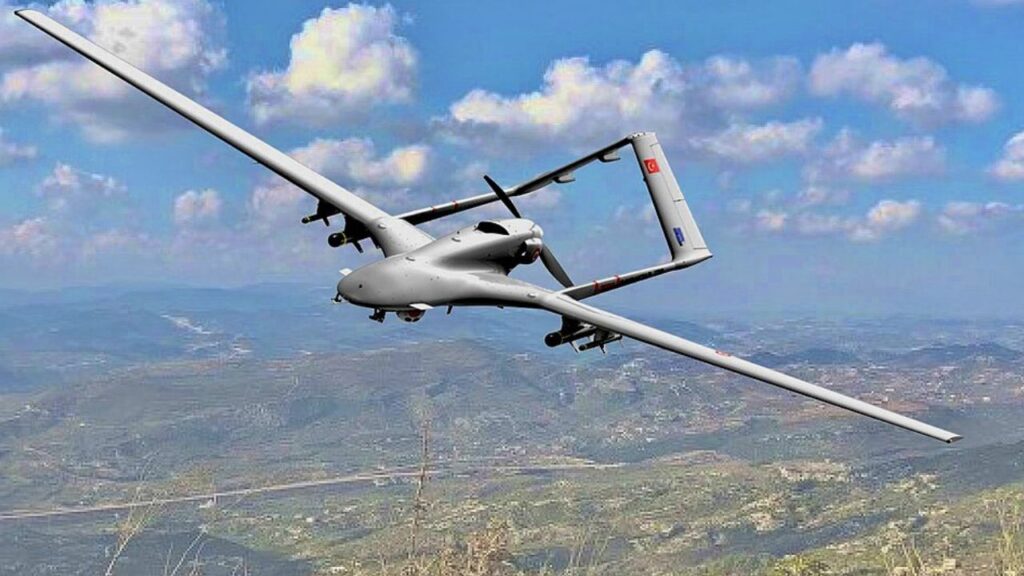
The Bayraktar TB2, a product of Turkish company Baykar, has gained prominence for its role in various regional conflicts. This medium-altitude, long-endurance drone is celebrated for its cost-effectiveness and combat versatility. Equipped with cameras and laser-guided bombs, it has been used extensively in operations in Syria, Libya, and Nagorno-Karabakh.
The TB2’s robust performance in these conflicts has showcased its capability to conduct surveillance and execute precision strikes, significantly influencing the outcomes of the engagements it has been involved in.
Heron TP
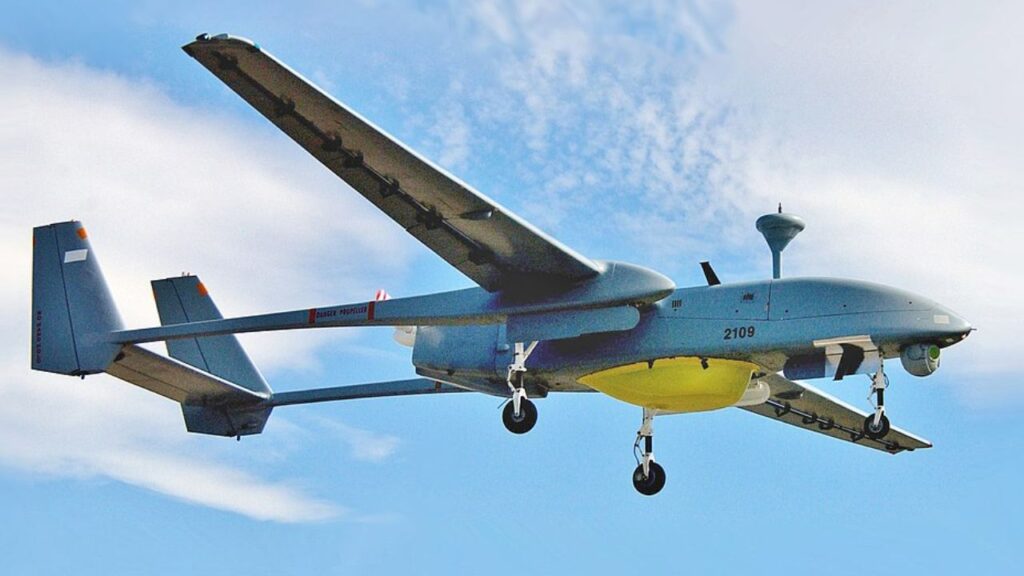
Israel Aerospace Industries’ Heron TP is a versatile UAV designed for medium-altitude, long-endurance missions. This drone is equipped with state-of-the-art sensors and can perform a variety of tasks, including surveillance, reconnaissance, and attack missions.
With deployments in various theaters, the Heron TP has been instrumental in intelligence-gathering and supporting ground operations. Its adaptability and advanced technology make it a critical component of Israel’s defense strategy.
Shadow RQ-7B
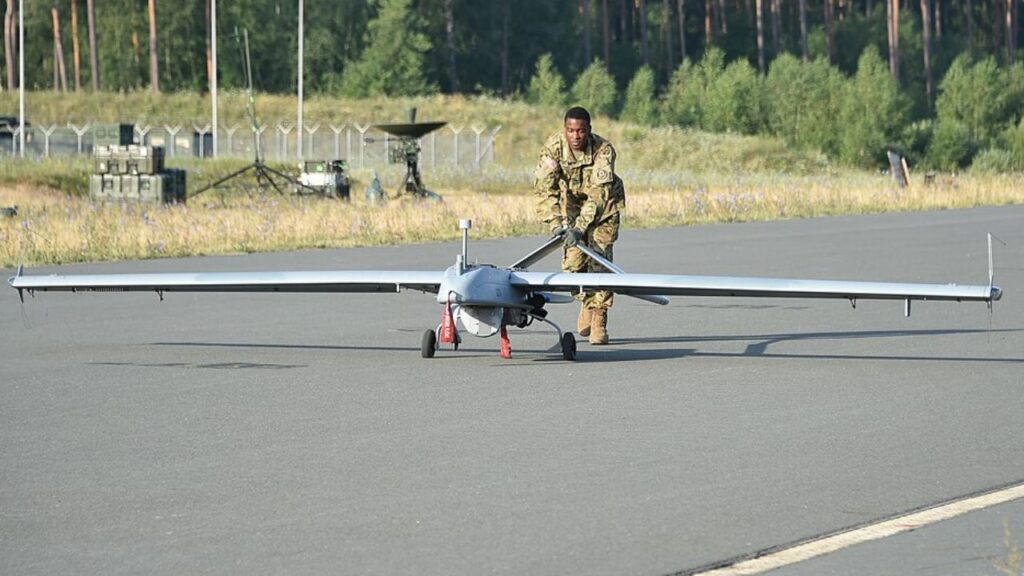
The Shadow RQ-7B, developed by AAI Corporation, serves as a tactical UAV for the United States Army. Known for its reconnaissance capabilities, it provides real-time intelligence and target acquisition. The Shadow’s relatively small size allows for easy deployment and operation in various environments.
Its contributions have been vital in operations in Iraq and Afghanistan, where it has supported ground troops with critical situational awareness and intelligence. The Shadow RQ-7B exemplifies the importance of UAVs in tactical battlefield support.
X-47B Unmanned Combat Air System
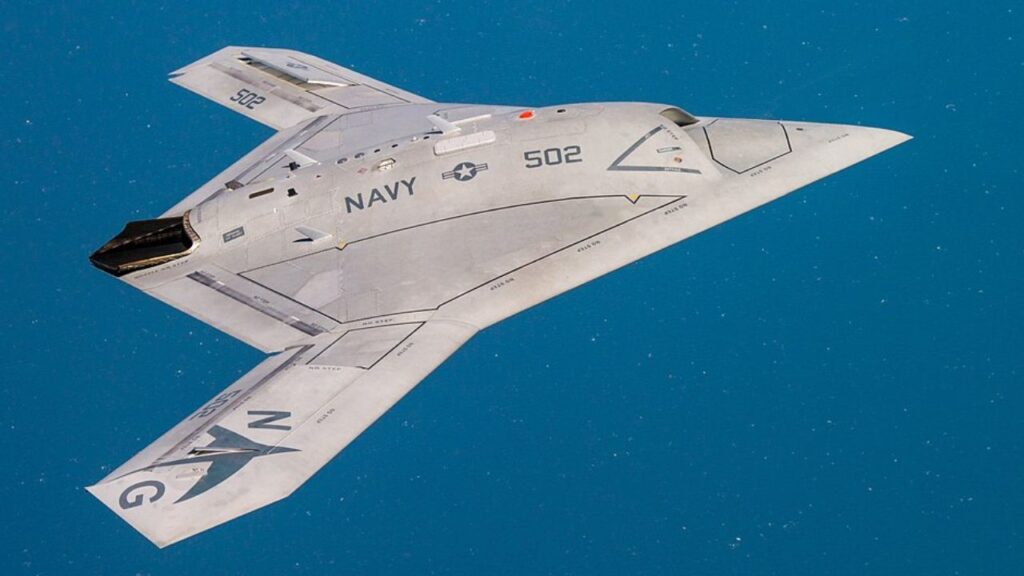
The X-47B, developed by Northrop Grumman, represents a leap forward in UAV technology with its ability to operate from aircraft carriers. As a part of the Unmanned Combat Air System program, the X-47B demonstrated capabilities in autonomous aerial refueling and carrier-based launch and recovery.
Although it is a demonstrator, the X-47B’s successful tests have paved the way for future carrier-based UAVs. Its innovations highlight the potential for UAVs to perform complex missions, traditionally carried out by manned aircraft, marking a new era in naval aviation.