

Throughout military aviation history, several warplanes have demonstrated remarkable resilience, continuing to fly despite severe damage. These aircraft, often regarded as engineering marvels, have completed missions with engines shot out or critical systems failing. This list explores seven such warplanes that have earned their place in aviation lore.
Boeing B-17 Flying Fortress
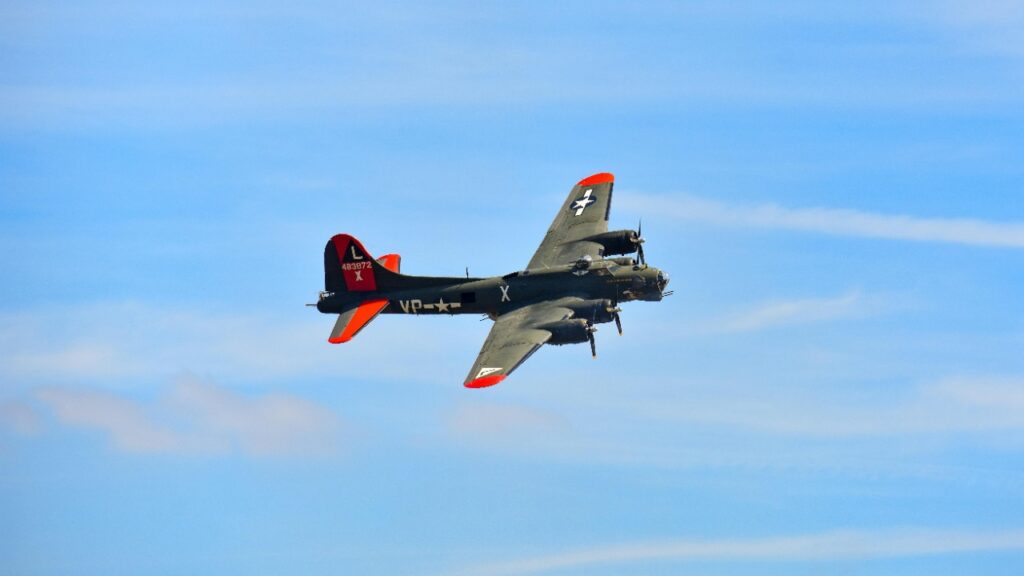
The Boeing B-17 Flying Fortress is a symbol of durability in aerial combat. During World War II, these bombers were known for their ability to sustain heavy damage and still return home. One famous example is the Memphis Belle, which completed 25 missions despite facing severe enemy fire. The B-17’s robust design, featuring multiple engines and redundant systems, allowed it to fly even when one or more engines were knocked out.
Its ability to endure intense combat situations made the B-17 a favorite among its crews. The aircraft’s resilience was not just due to its engineering but also the skill and determination of the crews who flew them. The B-17’s legendary status continues to be a subject of fascination for aviation enthusiasts and historians alike.
Lockheed P-38 Lightning

The Lockheed P-38 Lightning was a versatile fighter aircraft used extensively during World War II. Its unique twin-boom design and powerful engines made it an effective long-range escort and interceptor. One remarkable incident involved a P-38 flown by Richard Bong, America’s top ace, who managed to return to base after losing an engine during combat over the Pacific.
The aircraft’s distinctive design allowed it to stay airborne even with significant damage. The P-38’s successful missions in the face of adversity exemplified its robustness and innovative engineering. Its contributions to Allied victory underline its place in aviation history.
A-10 Thunderbolt II

Known for its durability and firepower, the A-10 Thunderbolt II, often referred to as the “Warthog,” has been involved in numerous missions where it sustained heavy damage yet continued to operate effectively. Its titanium armor and redundant control systems enable it to survive direct hits from ground fire. Notably, during the Gulf War, an A-10 flown by Captain Kim Campbell returned safely after losing hydraulic power, thanks to its manual reversion system.
The A-10’s reputation for toughness is well-earned, and its ability to remain operational in harsh conditions is a testament to its design and engineering. Its continued use in modern conflicts highlights its effectiveness on the battlefield.
McDonnell Douglas F-4 Phantom II

The McDonnell Douglas F-4 Phantom II served as a workhorse for several air forces during the Vietnam War and beyond. Its twin engines and rugged construction allowed it to complete missions even after sustaining significant damage. A notable incident involved an F-4 returning to base with severe structural damage after engaging enemy aircraft.
The Phantom’s versatility as a fighter-bomber and its capability to absorb punishment while remaining operational made it a favorite among pilots. Its service record showcases the aircraft’s adaptability and durability in various combat scenarios.
Supermarine Spitfire
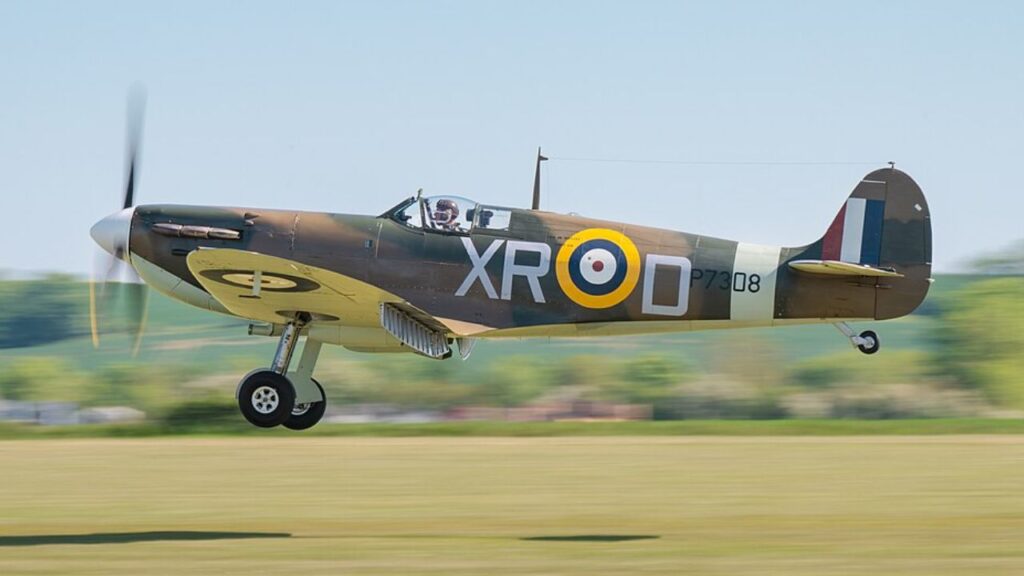
The Supermarine Spitfire is celebrated for its role in the Battle of Britain, where its agility and speed were pivotal in defending against the Luftwaffe. Despite its lightweight design, the Spitfire demonstrated remarkable resilience. Numerous accounts exist of pilots safely landing their Spitfires after suffering significant battle damage.
The aircraft’s combination of performance and survivability made it a key asset for the Royal Air Force. Its legacy as a symbol of British resolve and engineering prowess endures, capturing the imaginations of aviation enthusiasts worldwide.
Fairchild Republic A-10 Warthog
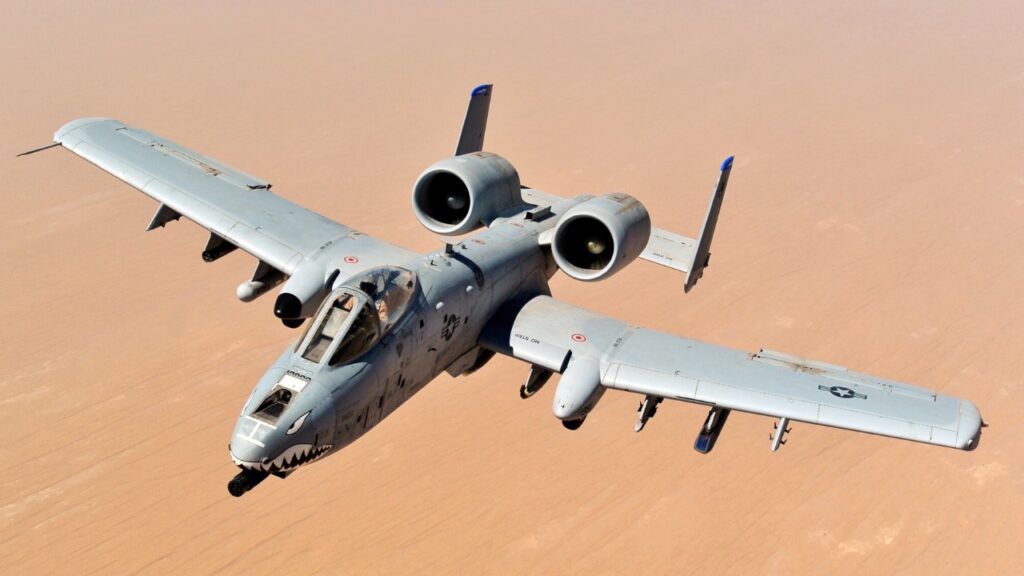
Often confused with the Thunderbolt II, the Fairchild Republic A-10 Warthog is renowned for its ability to withstand substantial damage. Its robust design allows it to fly even with critical systems impaired. During Operation Iraqi Freedom, an A-10 piloted by Major Chris Gallop continued its mission despite being hit by anti-aircraft fire, demonstrating the aircraft’s ruggedness.
The Warthog’s resilience is complemented by its potent armament, making it a formidable presence on the battlefield. Its continued service underscores its effectiveness and adaptability in modern warfare.
Avro Lancaster
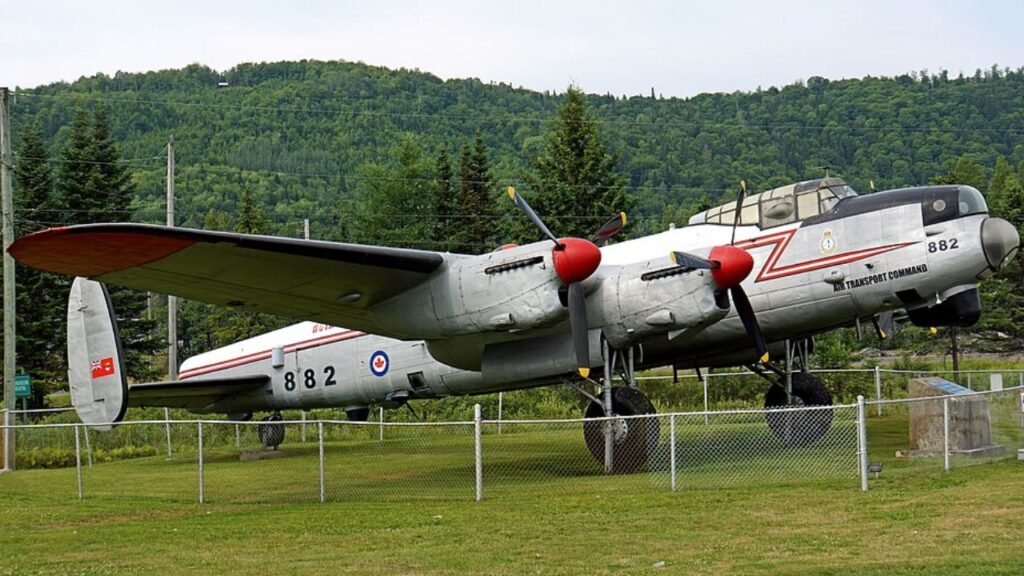
The Avro Lancaster was a vital bomber for the Royal Air Force during World War II, known for its capacity to carry heavy bomb loads over long distances. Despite its size, the Lancaster proved surprisingly resilient. Many Lancasters returned from missions with engines shot out or significant structural damage.
One notable example is the “Phantom of the Ruhr,” which completed 121 missions, overcoming various mechanical and combat-related challenges. The Lancaster’s service record is a testament to its robust design and the bravery of its crews, solidifying its status in aviation history.
For more insights into aviation and military technology, consider exploring this article on contemporary air combat lessons.