

Throughout military history, certain tanks have proven their effectiveness and durability by remaining in service long after their initial deployment. These tanks have not only outlasted the conflicts for which they were originally designed but have also seen continued use across various armies worldwide. Their longevity is a testament to their design, versatility, and enduring performance.
M4 Sherman

The M4 Sherman was a mainstay of the Allied forces during World War II. Known for its reliability and ease of production, the Sherman played a crucial role in the success of Allied operations. Despite its relatively thin armor compared to some of its adversaries, its versatility allowed it to be adapted for various roles, including as an artillery piece and a mine clearer.
After World War II, the Sherman continued to serve in numerous conflicts, including the Korean War. Many countries, such as Israel and India, have utilized upgraded versions of the Sherman well into the late 20th century, highlighting its adaptability and lasting impact on armored warfare.
T-54/55

The T-54/55 series, developed by the Soviet Union, is one of the most produced tank models in history. It first entered service in the late 1940s and has since been employed by numerous countries worldwide. Its simple design, robust construction, and ease of maintenance have made it a favorite among various armed forces.
These tanks have seen action in numerous conflicts, from the Vietnam War to the Gulf War. Even today, some nations continue to use upgraded versions of the T-54/55, underscoring its enduring presence on the battlefield. For more on major tank platforms, see this article.
Centurion

Developed by the United Kingdom, the Centurion tank entered service just after World War II and quickly became one of the most respected tank designs of the 20th century. Known for its excellent armor and firepower, the Centurion was effective in various terrains and conditions, proving its worth in conflicts such as the Korean War and the Indo-Pakistani Wars.
The Centurion’s adaptability led to numerous upgrades over the decades, allowing it to remain in service with several countries well into the 21st century. Its versatility and combat effectiveness have cemented its place in military history.
Leopard 1
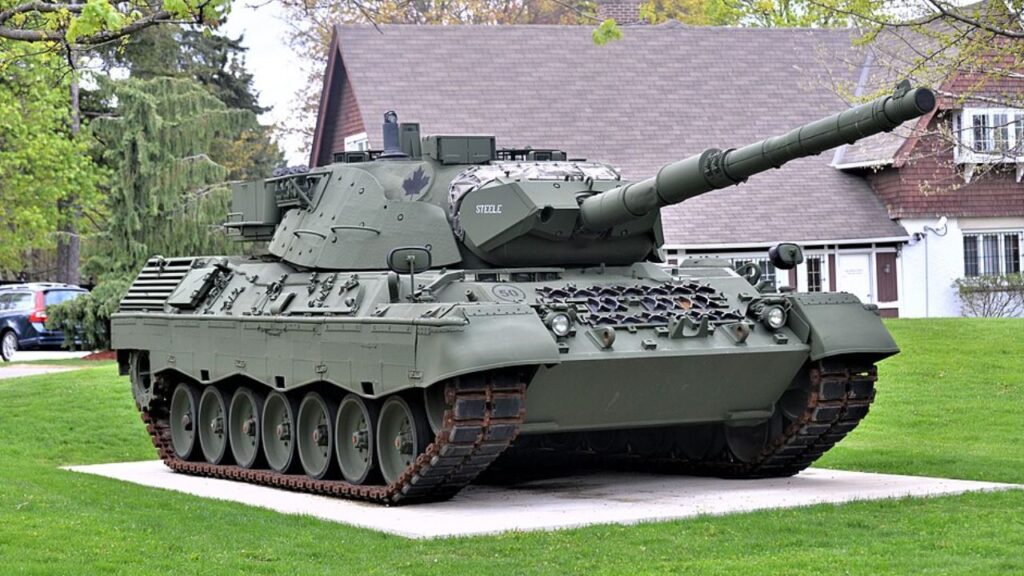
Germany’s Leopard 1 tank was designed in the 1960s to replace the aging American tanks in service with the Bundeswehr. Renowned for its speed and mobility, the Leopard 1 emphasized firepower and agility over heavy armor, making it a formidable opponent on the battlefield.
The Leopard 1 has been used by numerous countries around the world and has undergone various upgrades to maintain its effectiveness. Its continued use in some countries today demonstrates the tank’s lasting influence and capabilities.
T-34
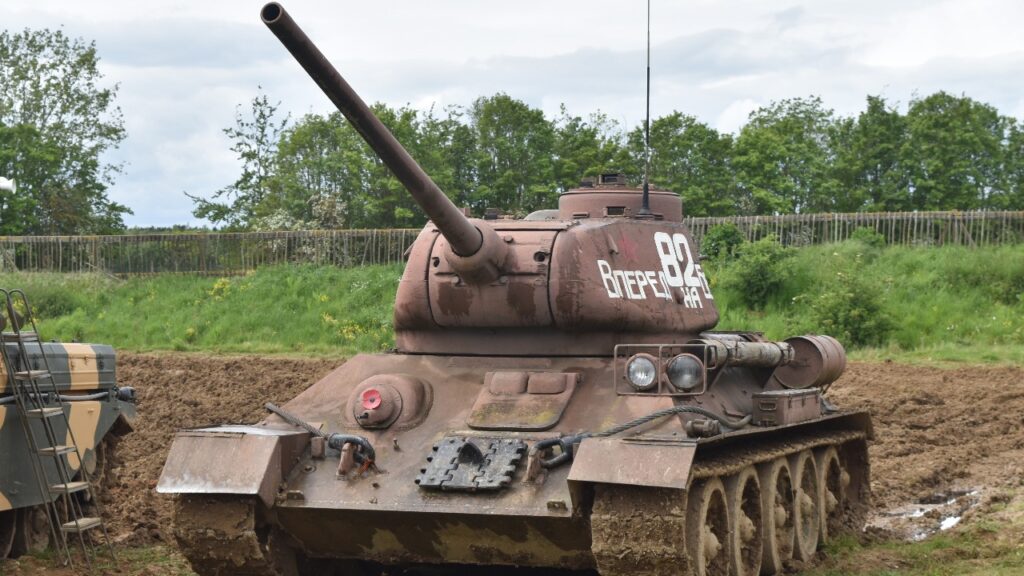
Developed during World War II, the Soviet T-34 tank is often credited with playing a pivotal role in the defeat of Nazi Germany. Its revolutionary design, featuring sloped armor and a powerful engine, provided a perfect balance of firepower, protection, and mobility.
The T-34’s influence extended well beyond the Second World War, as it was used in various conflicts around the globe. Its simplicity and effectiveness have made it a model for subsequent tank designs.
Challenger 1
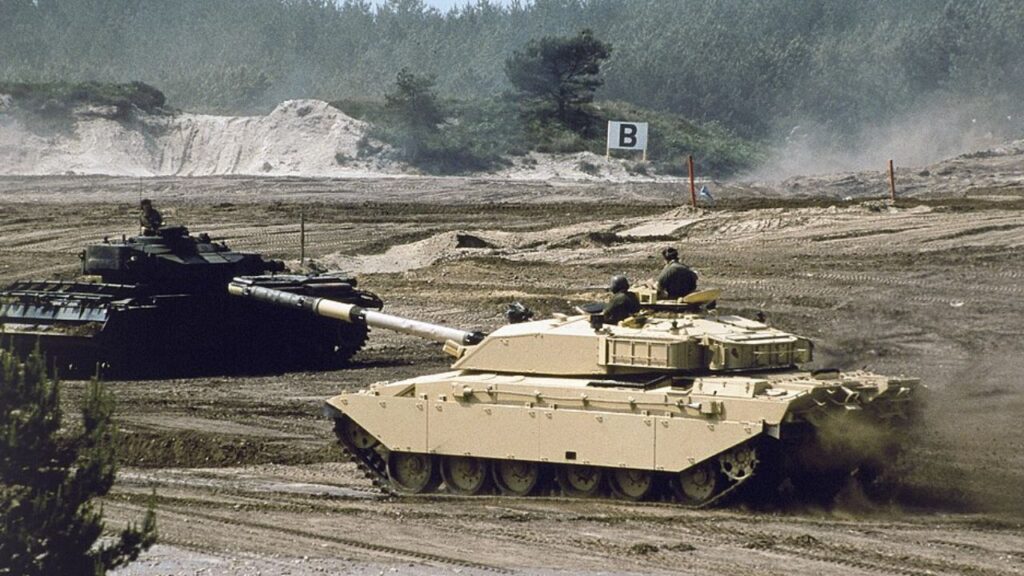
The British Challenger 1 tank was introduced in the early 1980s and was notable for its advanced Chobham armor, which provided exceptional protection against enemy fire. Its service in the Gulf War demonstrated its impressive combat capabilities, where it earned a reputation for its accuracy and durability.
Though it was eventually replaced by the Challenger 2 in the British Army, the Challenger 1 continued to see service in other countries, including Jordan. Its legacy is characterized by its resilience and technological advancements in tank armor.
M60 Patton

As a successor to the M48 Patton, the M60 Patton entered service in the United States Army in the 1960s. It was an integral part of U.S. armored forces during the Cold War, thanks to its improved firepower and armor protection.
The M60 has been widely exported and used in various conflicts, including the Yom Kippur War and the Iran-Iraq War. Its continuous upgrades have allowed it to remain in service with some countries into the 21st century, showcasing its adaptability and enduring utility.