
Choke points in maritime navigation, such as the Strait of Hormuz, are critical and strategic areas where naval forces must be prepared. These narrow passages demand specialized weapons to ensure control and security. Here, I explore seven naval weapons designed for these challenging environments.
Anti-Ship Cruise Missiles
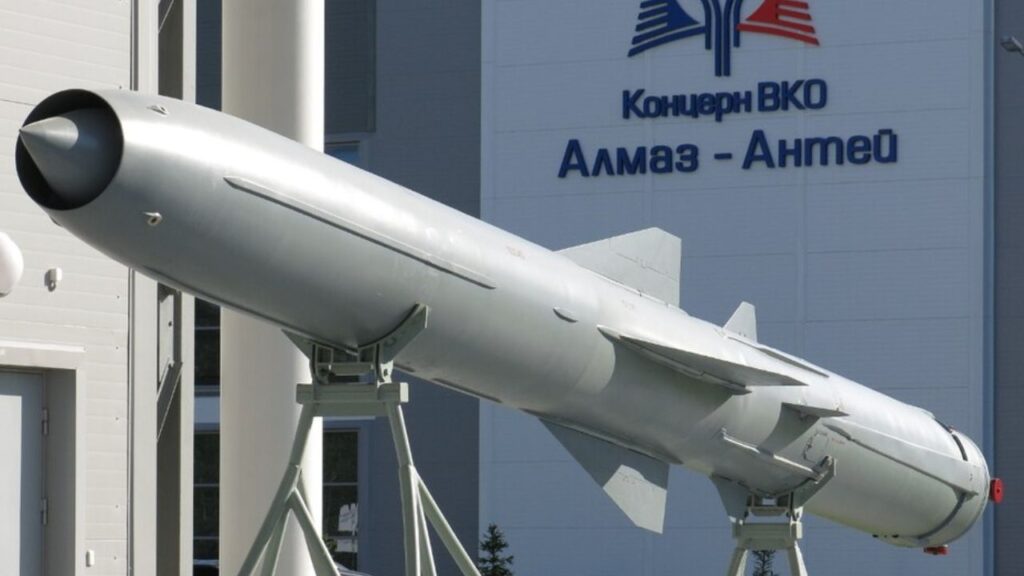
Anti-ship cruise missiles are precision-guided weapons designed to target and destroy enemy vessels. One notable example is the Russian P-800 Oniks, known for its supersonic speeds and ability to evade radar detection. These missiles are highly effective in choke points, where they can be launched from a variety of platforms, including ships and coastal batteries.
Their ability to fly at low altitudes and follow the terrain makes them difficult to intercept, which is crucial in narrow passages like the Strait of Hormuz. These missiles are an essential component of any naval warfare strategy, providing a significant deterrent against hostile forces.
Sea Mines
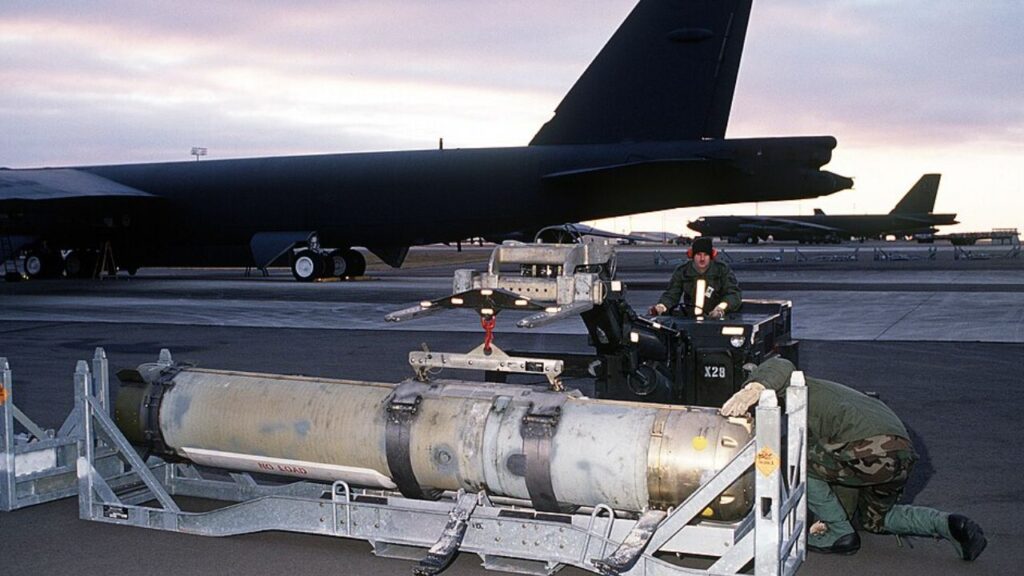
Sea mines are an ancient yet effective tool for controlling strategic maritime areas. Modern mines, such as the Mk 60 CAPTOR, are sophisticated devices that can target submarines and surface ships. They can be laid discreetly and programmed to activate under specific conditions, making them ideal for choke points.
Their presence poses a significant risk to any vessel attempting to navigate these waters, effectively denying access or forcing adversaries to take longer, less secure routes. Sea mines remain an indispensable asset for countries looking to protect their maritime borders.
Fast Attack Craft
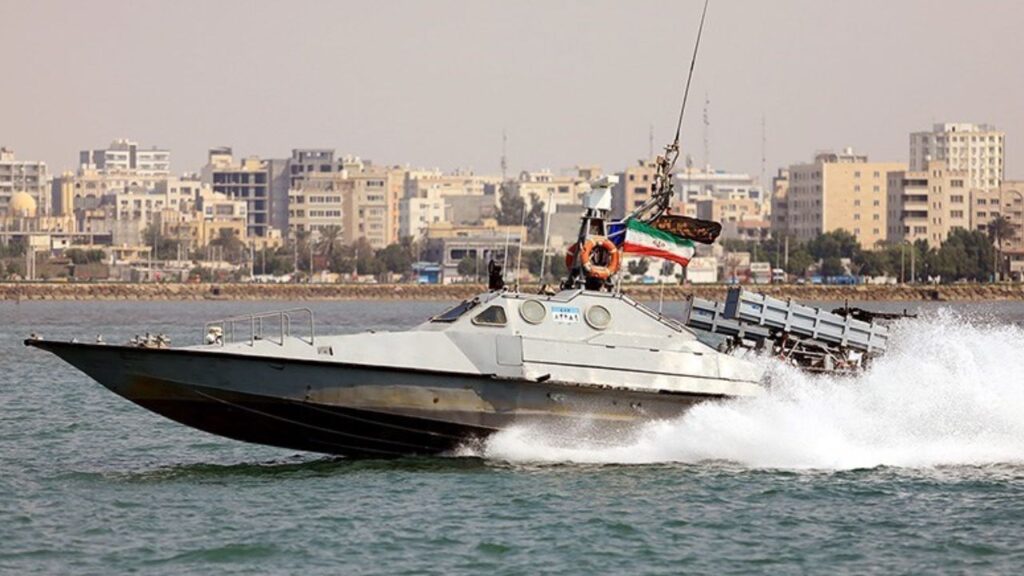
Fast attack craft are small, agile vessels designed for quick strikes and rapid maneuvers. The Iranian Peykaap class boats are a prime example, capable of operating effectively in the narrow confines of the Strait of Hormuz. These vessels are armed with torpedoes and machine guns, making them formidable opponents in close-quarter battles.
Their speed and agility allow them to outmaneuver larger ships, and their small size makes them harder to detect. Fast attack craft are particularly useful in asymmetrical warfare, where they can exploit their environment to gain an advantage over more powerful adversaries.
Submarines
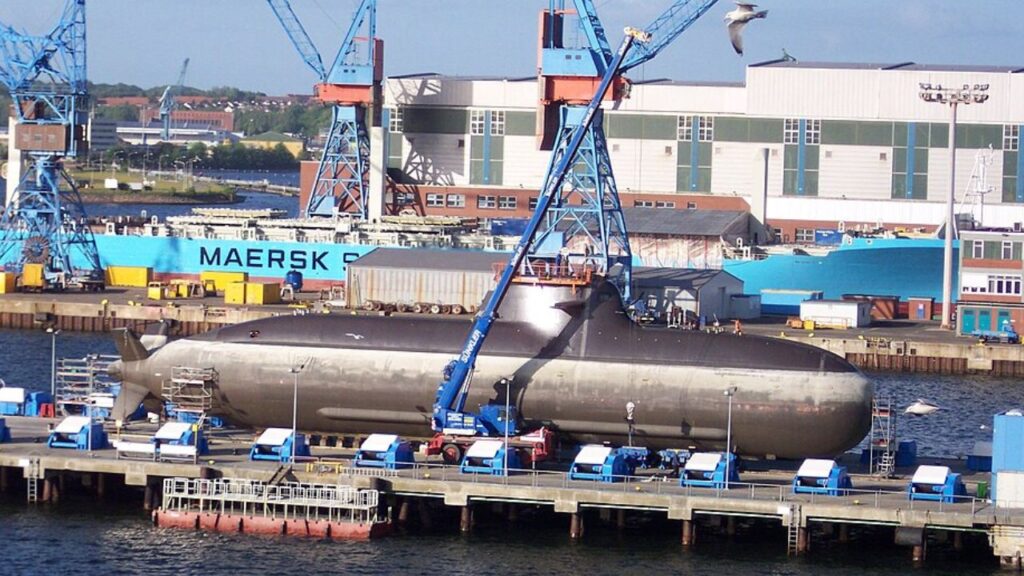
Submarines are stealthy and versatile platforms that excel in choke point operations. Diesel-electric submarines, like the German Type 212, are renowned for their quiet operation, making them difficult to detect. In strategic locations like the Strait of Hormuz, submarines can block or disrupt enemy shipping lanes effectively.
Their ability to launch torpedoes and anti-ship missiles from underwater provides a significant tactical advantage. Submarines can also gather intelligence and monitor enemy movements, making them invaluable assets for any naval force operating in critical maritime areas.
Coastal Defense Batteries
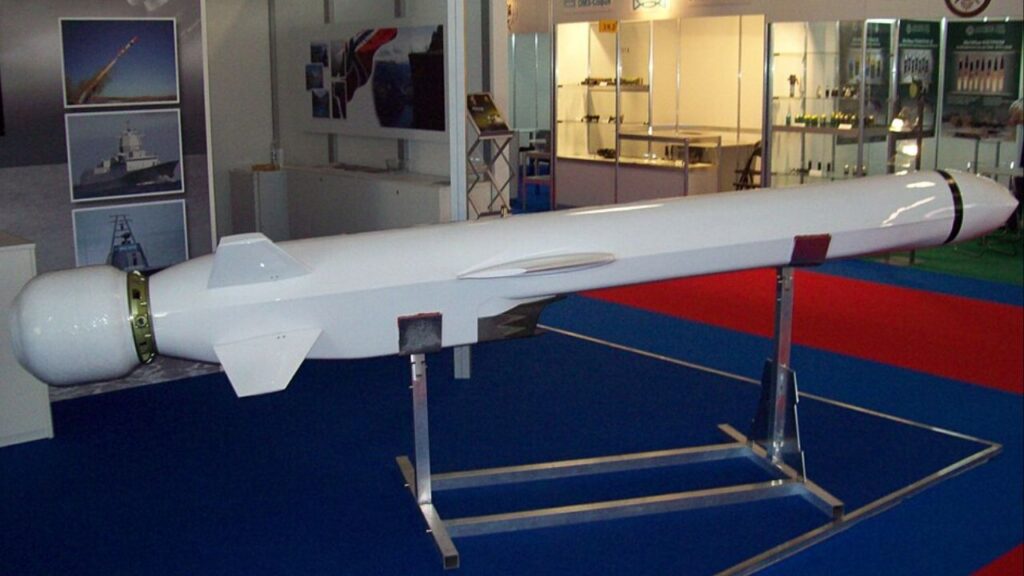
Coastal defense batteries are land-based installations equipped with long-range artillery and missile systems. The Norwegian Naval Strike Missile is deployed in coastal batteries to provide a formidable defense against seaborne threats. These installations are strategically placed to cover key maritime routes, such as the Strait of Hormuz.
Their ability to launch attacks from land provides a stable platform for precision strikes, making them a critical component in maintaining control over strategic waterways. Coastal defense batteries serve as a deterrent against potential adversaries, ensuring the security of national waters.
Unmanned Surface Vessels (USVs)
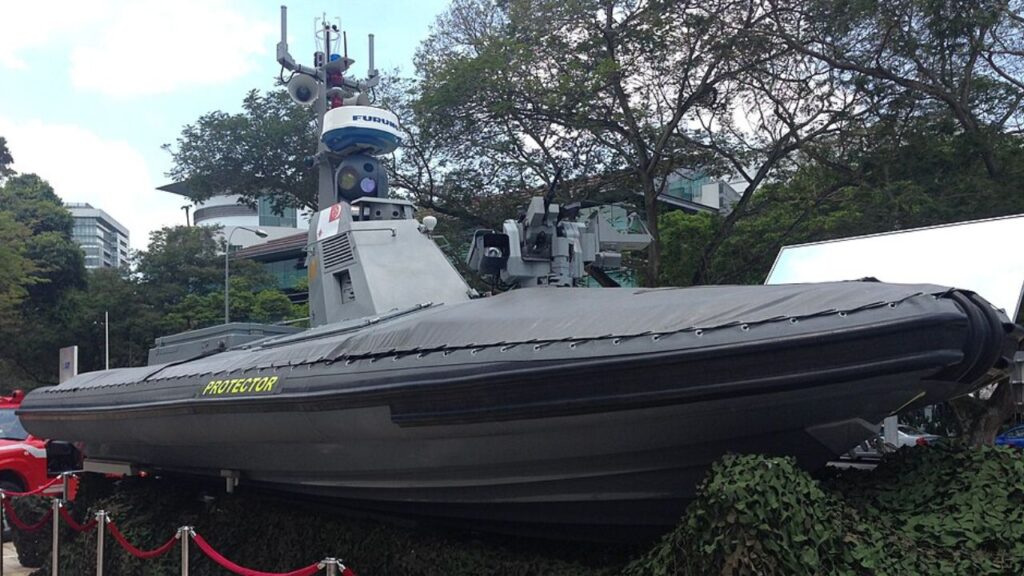
Unmanned Surface Vessels (USVs) are a modern addition to naval warfare, offering new capabilities in surveillance and combat. The Israeli Protector USV is an example, equipped with sensors and weaponry to perform a variety of missions autonomously. In choke points, USVs can patrol and secure areas without putting human lives at risk.
Their ability to operate in swarms and coordinate with manned vessels enhances situational awareness and response times. USVs are a flexible and cost-effective solution for maintaining a persistent presence in strategic maritime regions.
Maritime Patrol Aircraft
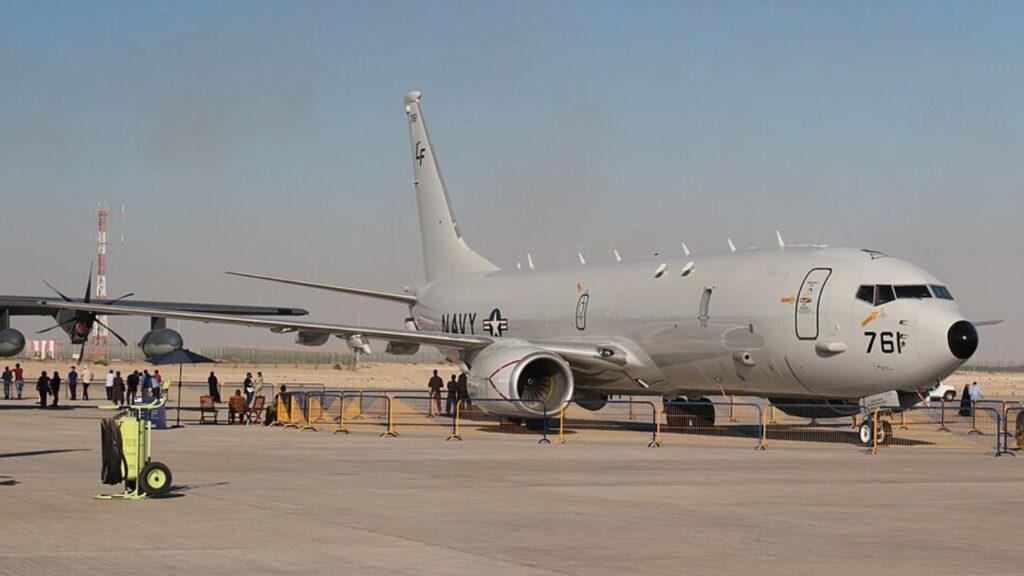
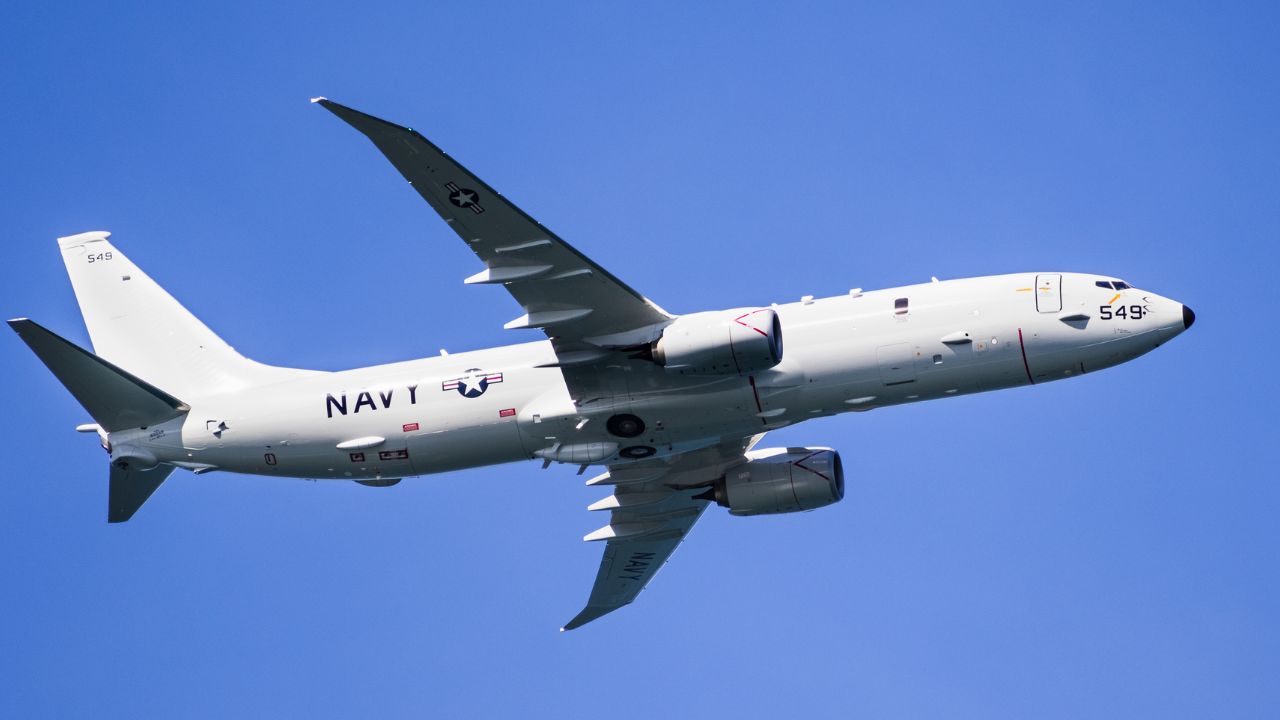
Maritime patrol aircraft are essential for monitoring and securing vast ocean areas. The Boeing P-8 Poseidon is a state-of-the-art aircraft designed for anti-submarine warfare, reconnaissance, and intelligence gathering. In choke points like the Strait of Hormuz, these aircraft provide critical support through aerial surveillance and rapid response capabilities.
Equipped with advanced radar and sensor systems, maritime patrol aircraft can detect and track potential threats from the sky, coordinating with naval forces to ensure maritime security. Their versatility makes them an integral part of any comprehensive naval defense strategy.