
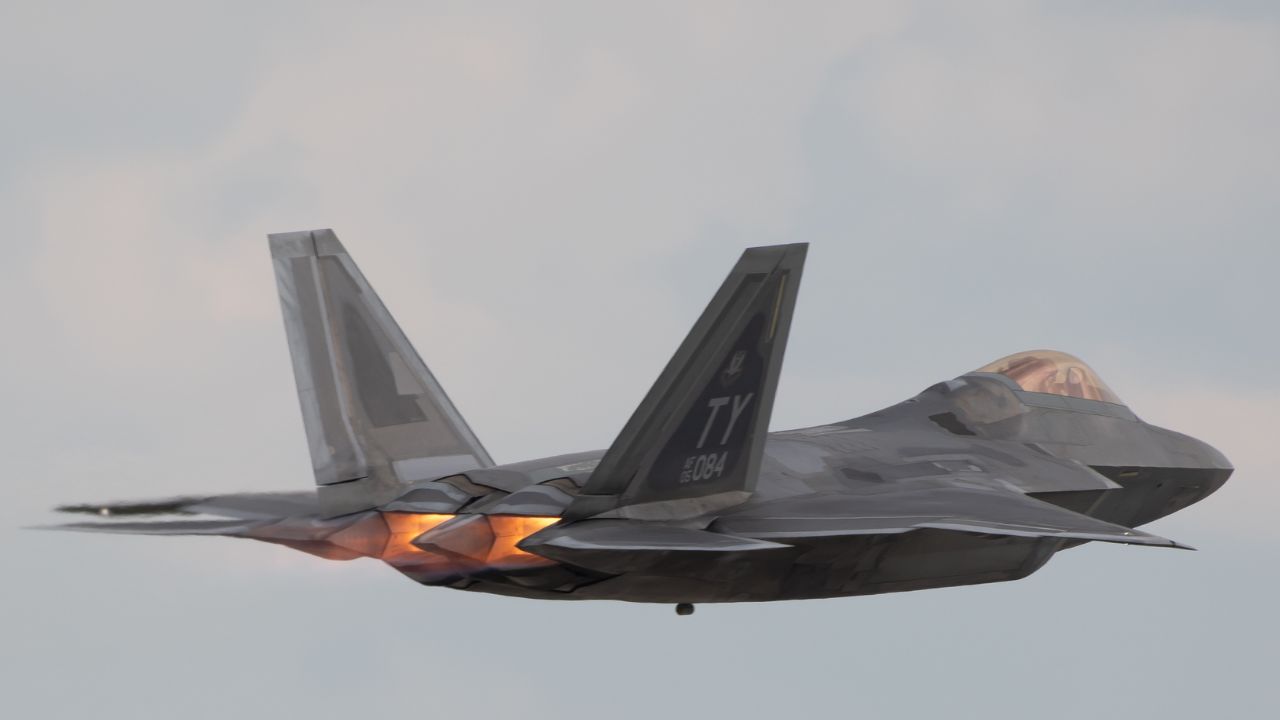
In moments when air superiority meant the difference between victory and defeat, certain aircraft proved exceptionally capable under intense combat pressure. From high-speed interceptors to rugged multirole fighters, these machines combined performance, reliability, and firepower to control the skies when it mattered most. Here are seven aircraft that rose to the challenge.
F-22 Raptor

The F-22 Raptor, developed by Lockheed Martin, is renowned for its stealth, speed, and agility. As a fifth-generation fighter jet, it incorporates advanced avionics and stealth technology, making it virtually undetectable to radar. Its ability to supercruise, or maintain supersonic speeds without afterburners, gives it a significant edge in combat scenarios.
In real-world operations, the F-22 has consistently demonstrated air superiority, particularly in exercises like Red Flag, where it has outperformed other aircraft in simulated combat. Its innovative design and cutting-edge technology ensure that it remains a vital component of the U.S. Air Force’s tactical fleet.
B-2 Spirit Stealth Bomber
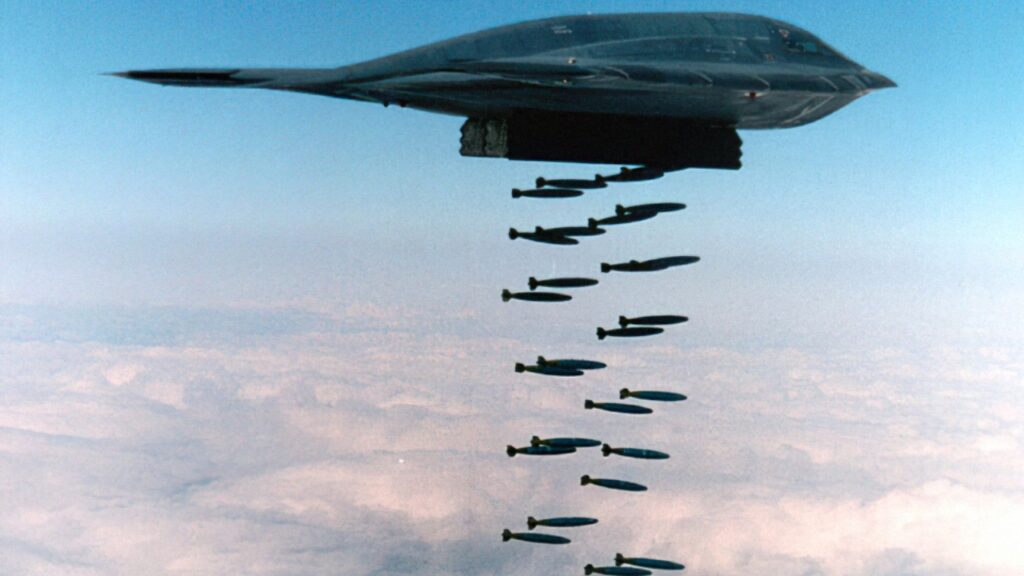
The B-2 Spirit Stealth Bomber, developed by Northrop Grumman, is an iconic aircraft known for its distinctive flying-wing design and radar-evading capabilities. It plays a crucial role in strategic bombing missions, capable of delivering both conventional and nuclear payloads with precision.
Its successful deployment in operations such as Operation Allied Force in Kosovo highlights its effectiveness in penetrating enemy air defenses undetected. The B-2’s ability to conduct long-range missions without refueling enhances its strategic value, making it a formidable force in modern warfare.
A-10 Thunderbolt II
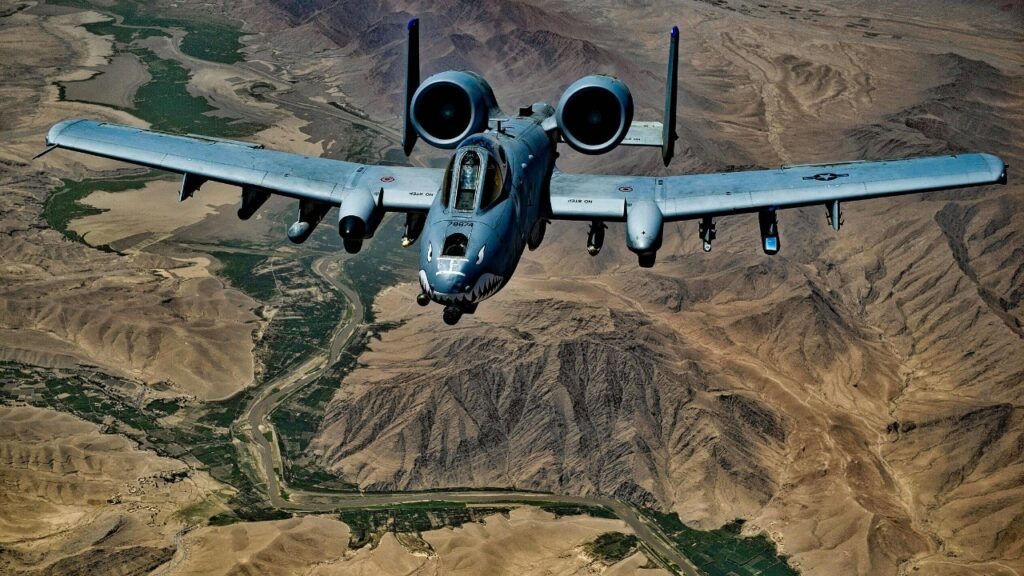
The A-10 Thunderbolt II, affectionately known as the “Warthog,” is celebrated for its rugged design and close air support capabilities. Built by Fairchild Republic, this aircraft is engineered to withstand significant damage and continue flying, thanks to its titanium armor and robust systems.
During conflicts such as the Gulf War, the A-10 excelled in providing ground troops with critical air support, effectively neutralizing enemy tanks and armored vehicles. Its powerful GAU-8/A Avenger rotary cannon and versatility in combat make the A-10 a staple in the U.S. Air Force arsenal.
F-15 Eagle
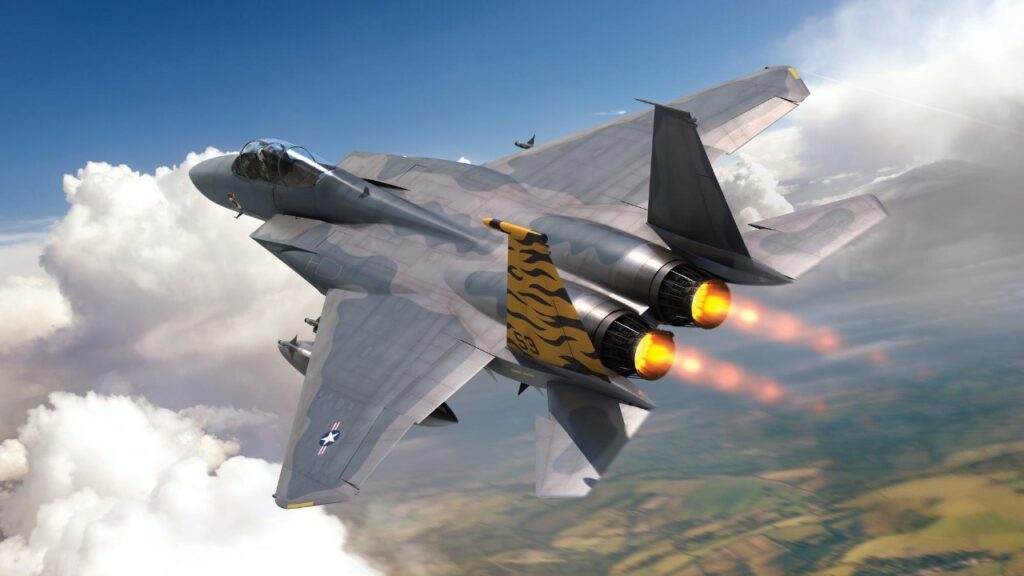
The F-15 Eagle, produced by McDonnell Douglas (now Boeing), is a twin-engine, all-weather tactical fighter renowned for its unmatched performance in air-to-air combat. With over 100 aerial combat victories and no losses, it has earned a reputation as one of the most successful modern fighters.
It has been a key asset in various military operations, including those in the Middle East, where its speed, maneuverability, and advanced radar systems have proven invaluable. The F-15’s continued evolution and upgradeability ensure its relevance in contemporary and future conflicts.
Eurofighter Typhoon
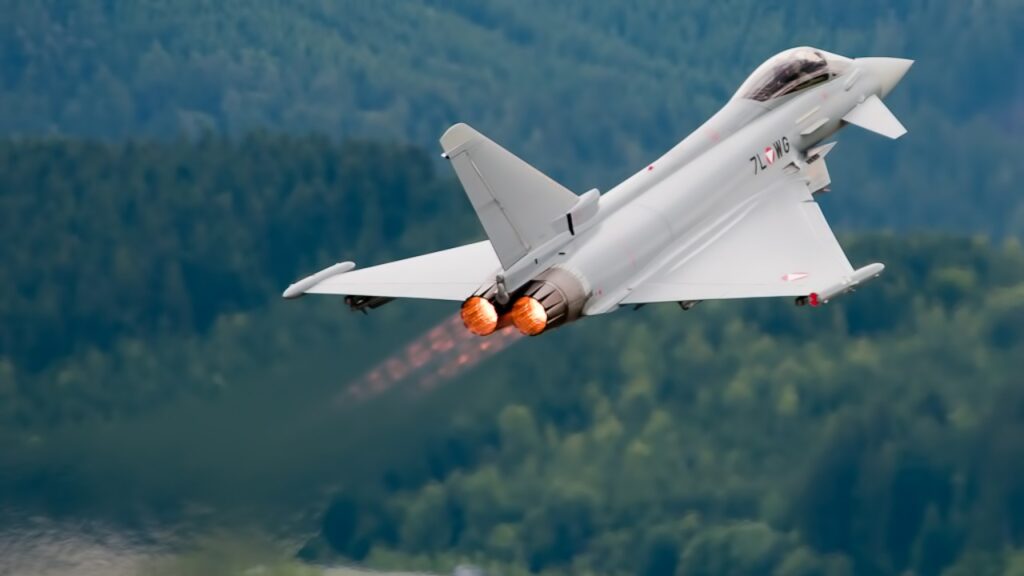
The Eurofighter Typhoon is a multi-role fighter aircraft developed by a consortium of European companies, including BAE Systems and Airbus. Known for its agility and advanced avionics, the Typhoon is designed to perform air superiority and ground attack missions effectively.
Its deployment in operations like Libya and the Baltics showcases its versatility and adaptability in various combat scenarios. Equipped with cutting-edge weaponry and electronic warfare systems, the Eurofighter Typhoon remains a crucial component of NATO’s defense strategy.
Su-27 Flanker

The Su-27 Flanker, developed by the Soviet Union’s Sukhoi Design Bureau, is a highly maneuverable fighter aircraft known for its impressive range and payload capacity. It was designed to counter U.S. fourth-generation fighters like the F-15, achieving remarkable success in dogfight situations.
Its participation in military exercises and air shows has consistently demonstrated its superior maneuverability and combat capabilities. The Su-27’s robust design has led to various successful derivatives, further cementing its status as a staple in many air forces worldwide.
F-4 Phantom II
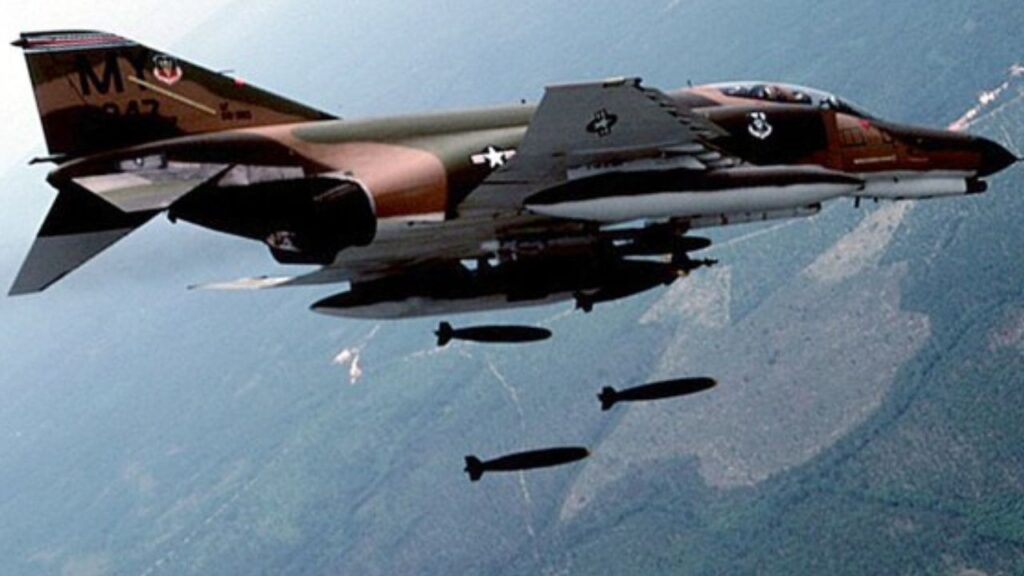
The F-4 Phantom II, designed by McDonnell Douglas, is a versatile fighter-bomber that served multiple roles, including air superiority, ground attack, and reconnaissance. Its adaptability and powerful twin engines made it a significant asset during the Vietnam War and beyond.
Notably, the F-4 became one of the most widely used aircraft during the Cold War, with numerous countries incorporating it into their air forces. Its continued use in various capacities, including as a target drone, highlights its enduring legacy and reliability in military aviation history.