

Modern navies talk endlessly about “next-generation” ships, but an equally important story is how often existing hulls are kept credible through staged upgrades, deep refits, and life-extension work. The driver is rarely nostalgia. Replacing major combatants is slow, expensive, and dependent on industrial and political timing. By contrast, inserting new capability into a proven class can preserve readiness and fleet size while the next design matures. The cases below show different ways warships are kept relevant across eras—sometimes by design, sometimes by necessity, and sometimes through a controversial bet that an older hull can still carry modern missions.
USS Arleigh Burke (DDG-51) / Arleigh Burke-class destroyers (USA)
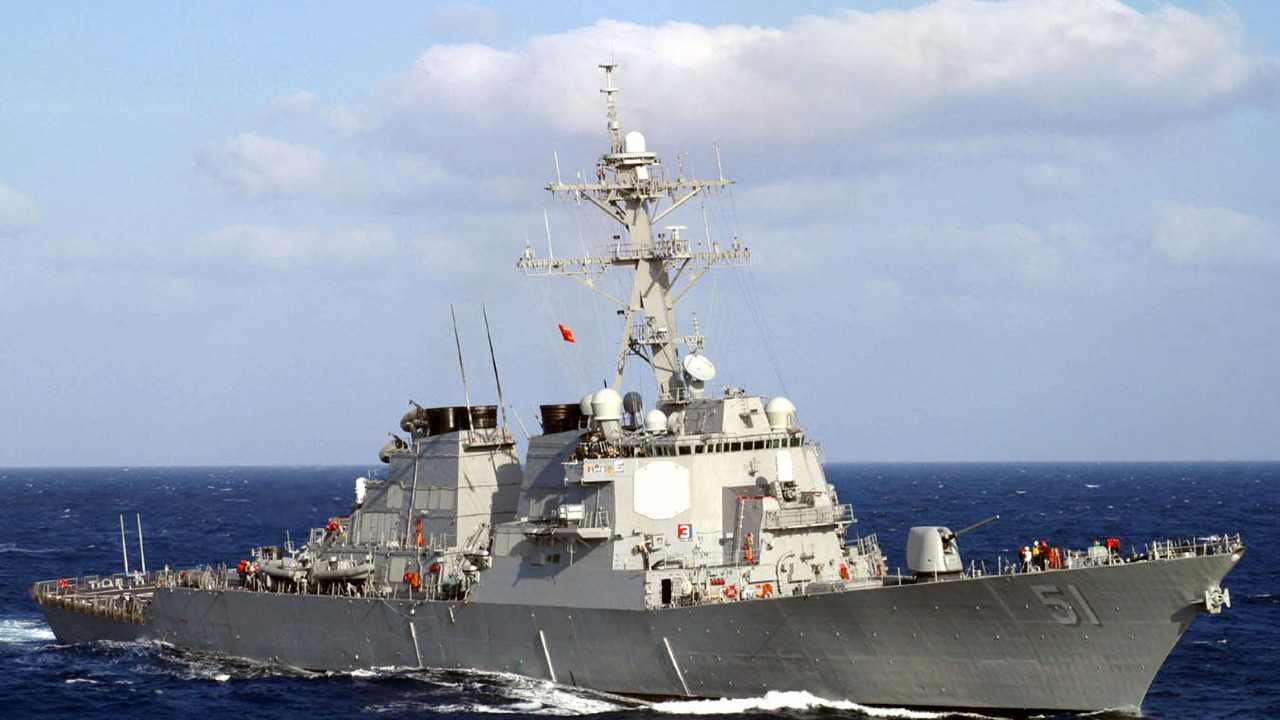
The Arleigh Burke class has become the U.S. Navy’s modern “baseline” surface combatant in a very literal way: it has been refreshed repeatedly rather than replaced outright. The U.S. Navy Fact File on destroyers (DDG 51) notes that USS Arleigh Burke (DDG-51) was commissioned on July 4, 1991, and that the class remains in production with major capability insertions, including Flight III ships. That combination—early-1990s origins and continued new construction—captures the Navy’s preference for evolving a core design instead of pivoting to a clean-sheet successor.
What stands out is not one upgrade, but the sustained decision to keep the same design family moving forward through new flights and modernization tied to Aegis-related improvements. The practical payoff is continuity: training, maintenance infrastructure, and tactics can adapt without the disruption of introducing a completely new surface combatant type in small numbers. At the same time, the Navy’s own framing is a reminder to be precise. Flight distinctions, and which hulls are Flight III, are the boundaries that define capability at any given moment.
USS Nimitz (CVN-68) / Nimitz-class aircraft carriers (USA)
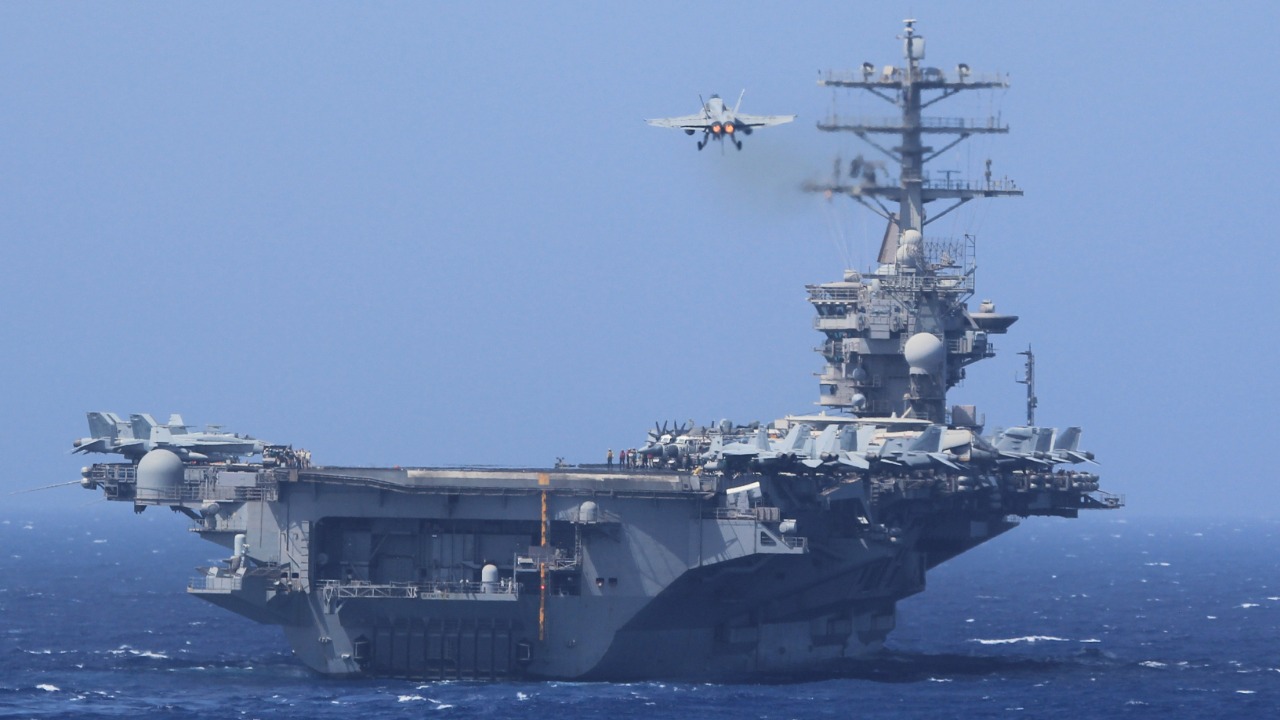
USS Nimitz (CVN-68) is a clear example of planned longevity built into a platform from the start. The U.S. Navy Fact File on aircraft carriers (CVN) states that Nimitz- and Ford-class carriers are designed for an approximately 50-year service life with a single mid-life refueling. That statement is less a marketing line than a force-structure approach: accept major mid-life work so each carrier remains usable for decades, rather than relying on frequent replacement.
The key is the wording: “approximately” 50 years and “a single” mid-life refueling describe an intended lifecycle model, not a guarantee that every hull will hit an identical retirement date. Strategically, it helps explain how carrier presence can be sustained even as procurement cycles stretch. Operationally, it also underscores that modernization is not optional—without the mid-life refueling and associated work, relevance would erode long before the fleet could afford like-for-like replacements.
Iowa-class battleships (USA) — e.g., USS Iowa (BB-61)
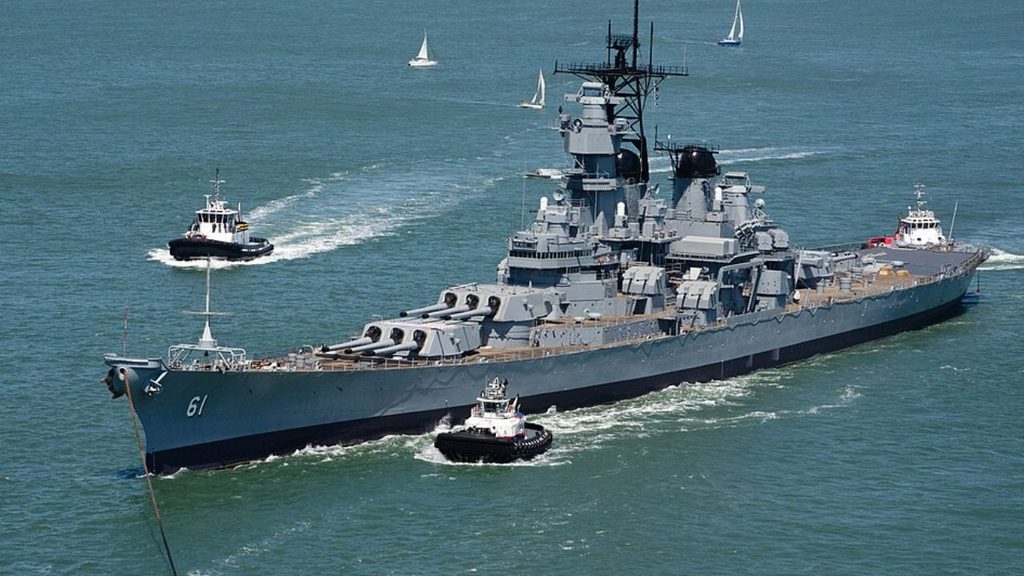
The Iowa class is a historical example of a ship type often seen as dated but made relevant again under modern requirements. The U.S. Naval History and Heritage Command notes that in the 1980s the class was reactivated and modernized with Tomahawk, Harpoon, and Phalanx CIWS—an explicit effort to connect a WWII-era hull to missile-age combat systems. The broader lesson is straightforward: when strategic demand is strong enough, navies will invest heavily to pull older platforms forward.
What makes this case notable is how directly it bridged eras: a battleship lineage paired with modern missiles and close-in defense. It also comes with an important limitation. The battleship “utility” debate remains contentious, and this example is best treated as proof of forced relevance rather than as a universal argument for battleships. It demonstrates what modernization can achieve, while also highlighting how quickly questions of cost, survivability, and fit for future missions resurface.
Ohio-class ballistic missile submarines (USA) — plus Trident II D5 Life Extension (D5LE)
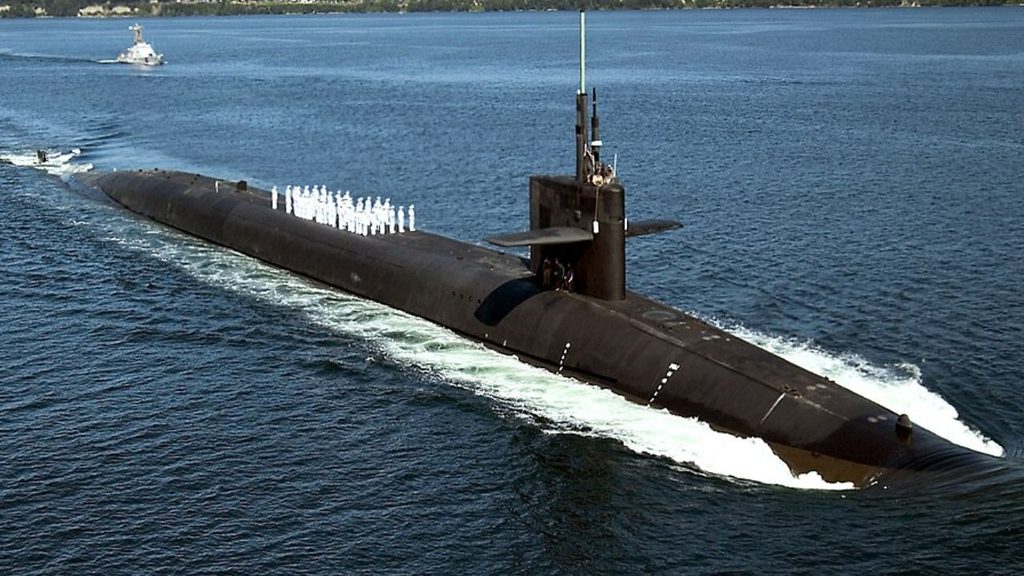
The Ohio-class SSBNs remain central to U.S. strategic deterrence, and their continued relevance depends on keeping both the submarines and their missiles viable on compatible timelines. The Naval History and Heritage Command notes the last Ohio-class SSBN reaching end of service life in 2040. Separately, the Navy’s Strategic Systems Programs (SSP) states the Trident II D5 Life Extension (D5LE) will be in service through the 2040s, supporting Ohio life and the initial Columbia loadout. Taken together, those timelines show deterrence as a system problem: the platform and the weapon must remain credible together.
The crucial detail is the overlap—Ohio service life extending to 2040 and D5LE continuing through the 2040s—indicating a modernization path designed to span more than one submarine generation. The real-world effect is stability in the Navy’s most consequential mission area. It is also where precision matters most: platform timelines and weapon timelines are related, but they are not the same, and they should not be blurred.
HMS Iron Duke / Type 23 “Duke-class” frigates (UK)
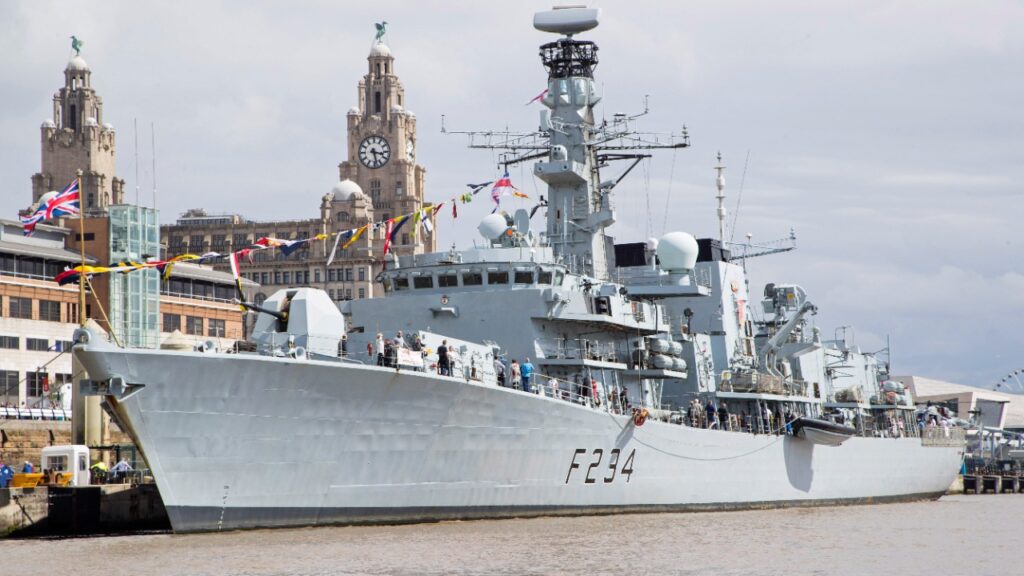
HMS Iron Duke highlights how the Royal Navy is extending the usefulness of Cold War-era hulls to meet current operational needs. The Royal Navy has described Type 23 life extension (LIFEX) work, including unusually extensive structural and hull effort on Iron Duke, as part of extending the class. That emphasis matters because it points to a less visible truth: a ship can only carry modern sensors and weapons if its underlying structure can safely support continued service.
The notable point is the focus on hull and structural work—life extension as engineering, not just electronics. The operational consequence is time: every Type 23 kept available helps sustain coverage while newer ships enter service. The Royal Navy’s own messaging also reinforces a key nuance often lost in shorthand claims: some Type 23s retire earlier than others, so “the class” does not necessarily share a single end date, and ship-by-ship refit decisions shape what the fleet can actually field.
Admiral Nakhimov (Project 1144/11442M “Kirov-class” nuclear battlecruiser) (Russia)

Admiral Nakhimov, a Project 1144/11442M Kirov-class nuclear battlecruiser, is a dramatic example of trying to return a Cold War-era capital ship to modern relevance through a long modernization effort. The appeal is easy to understand: a very large hull, if successfully renewed, can re-enter service as a highly visible concentration of capability. But the same approach carries a built-in warning label—this kind of refit can demand enormous resources and comes with significant schedule and execution risk.
The clearest takeaway is the implied time scale of a “decade-plus” modernization, which signals how these efforts can become marathons rather than predictable refits. The practical consequence is planning uncertainty. When timelines stretch, fleets and shipyards must operate in the uncomfortable space where the ship is both “expected to return” and effectively unavailable for years at a time. This is the highest-stakes version of staying power: if it succeeds, it can reshape perceptions; if it slips, it can consume attention and resources while delivering capability late.