
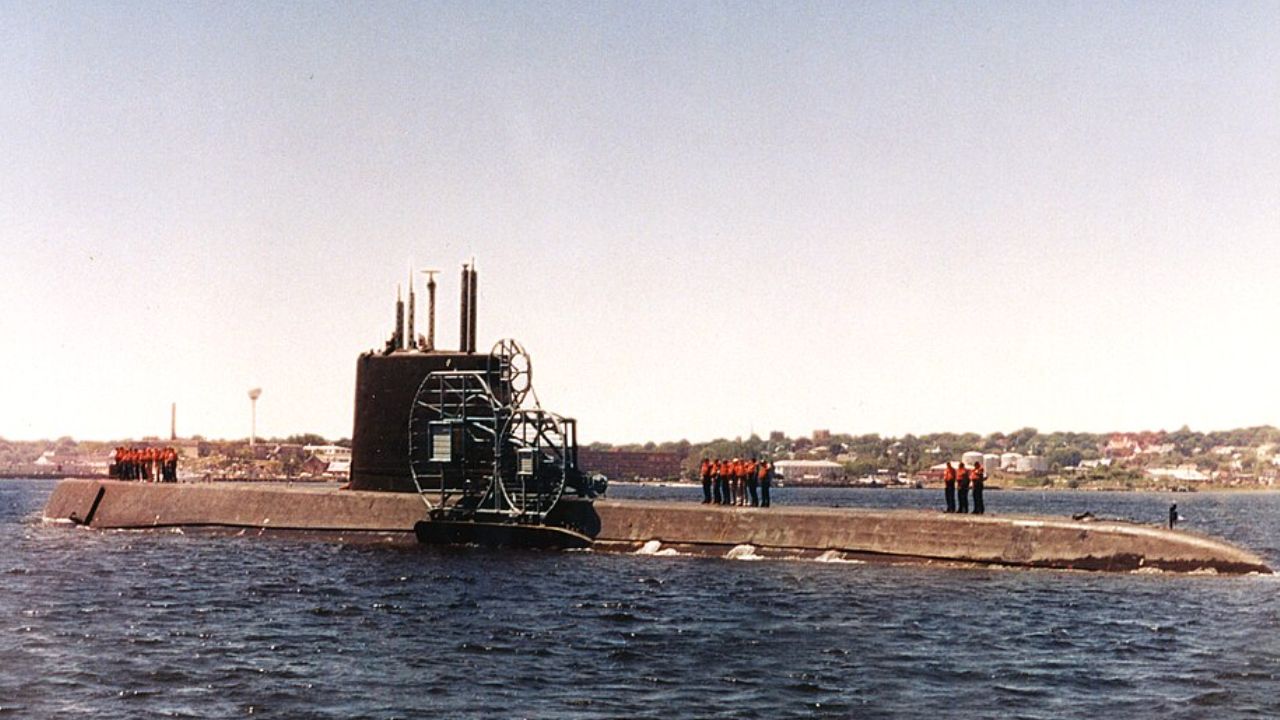
Throughout history, certain naval vessels have gained legendary status for their resilience and reliability in the face of adversity. From wooden warships to nuclear-powered submarines, these vessels have become symbols of maritime excellence and strategic innovation. Here are six ships that crews trusted when survival depended on their strength and capabilities.
USS Constitution
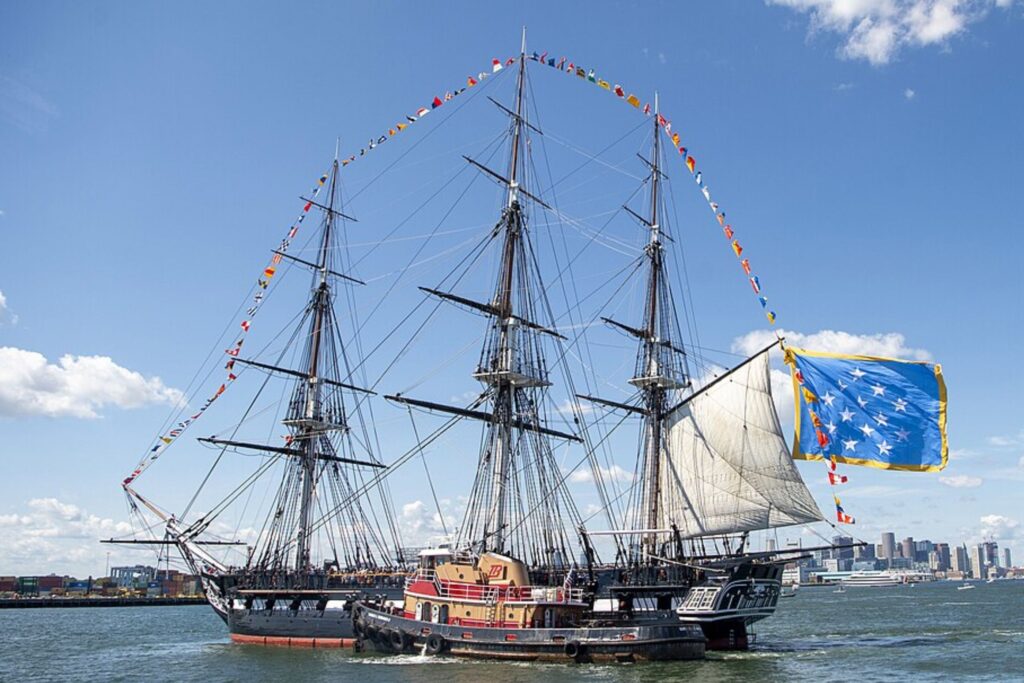
When discussing iconic naval vessels, the USS Constitution, also known as “Old Ironsides,” is a name that stands out. Launched in 1797, this wooden frigate earned its reputation during the War of 1812 where its sturdy build and powerful armament allowed it to emerge victorious in battles against the British Navy. The USS Constitution’s crew trusted it to withstand enemy fire and navigate the treacherous waters of the Atlantic, making it a symbol of American naval power.
Today, the USS Constitution remains a testament to early American shipbuilding prowess. Preserved as a museum ship in Boston, it serves as a reminder of the courage and resilience of the sailors who once called it home. Its ability to inspire trust and confidence in its crew solidifies its place in naval history.
HMS Victory

The HMS Victory is perhaps best known for its role as Admiral Horatio Nelson’s flagship during the Battle of Trafalgar in 1805. This British warship exemplified naval excellence with its combination of firepower and strategic design. The crew’s unwavering trust in the Victory was justified as it played a pivotal role in defeating the combined fleets of France and Spain.
Preserved at Portsmouth Historic Dockyard, the HMS Victory continues to be an enduring symbol of British naval heritage. Its storied past and the trust it inspired in its crew highlight its significance, not just as a vessel of war, but as a symbol of naval tradition and leadership.
Bismarck
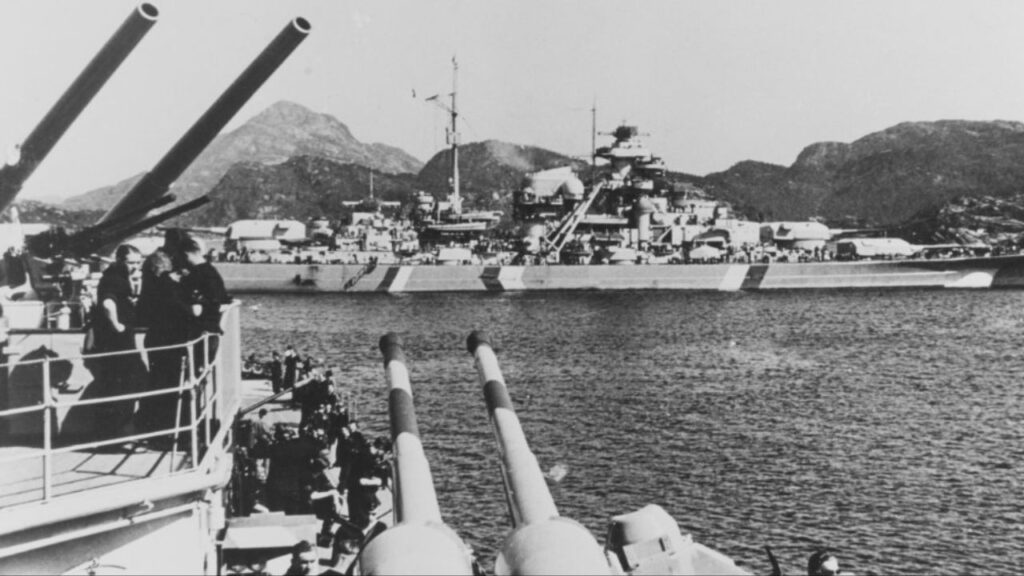
The Bismarck, one of the most formidable battleships of World War II, was a symbol of German naval might. Launched in 1939, it was equipped with advanced technology and powerful artillery, making it a fearsome opponent on the high seas. The crew’s confidence in the Bismarck’s capabilities was evident during its operations in the Atlantic.
Despite its eventual sinking in 1941, the Bismarck’s short-lived yet impactful service demonstrated the strategic importance of battleships during wartime. The trust placed in its advanced design and weaponry by its crew underscores its place in naval history as a vessel of strength and determination.
USS Enterprise (CV-6)
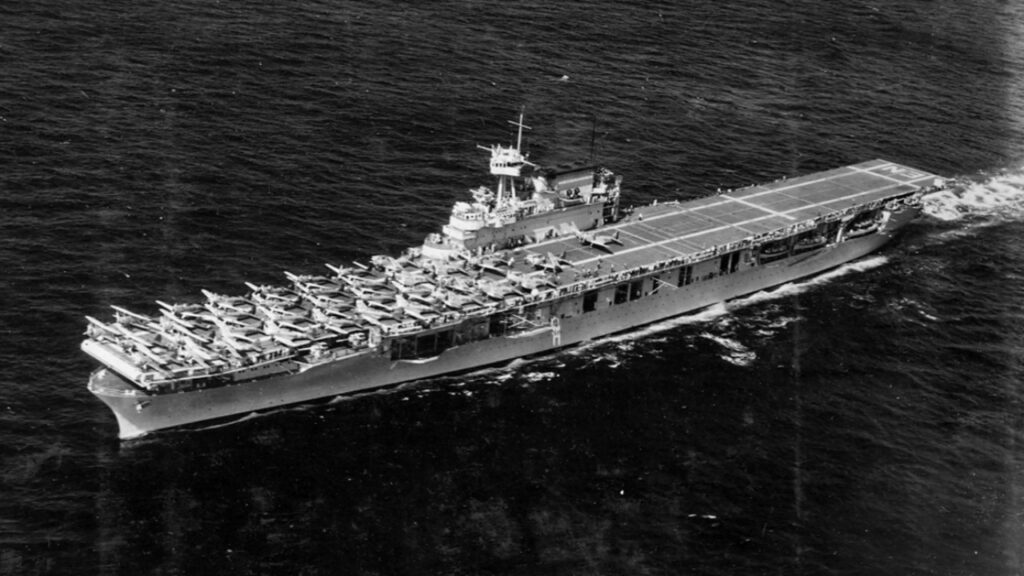
The USS Enterprise (CV-6) was one of the most decorated ships of World War II, earning the nickname “The Big E.” As an aircraft carrier, it played a crucial role in several key battles, including the Battle of Midway and the Doolittle Raid. Its ability to launch and recover aircraft with precision contributed significantly to the Allied victory in the Pacific.
The crew’s trust in the Enterprise’s capabilities was unwavering, as it continuously delivered effective air support and endured numerous attacks. The legacy of the USS Enterprise is a testament to the strategic importance of aircraft carriers and the trust they inspire in their crews.
HMS Dreadnought

The launch of HMS Dreadnought in 1906 marked a revolutionary shift in naval warfare. As the first battleship powered by steam turbines, it set a new standard for speed and firepower. Its innovative design rendered previous battleship classes obsolete and established the Dreadnought as a symbol of modern naval engineering.
The crew’s confidence in the Dreadnought was well-founded, as it demonstrated superior performance and durability. Although it saw limited action during World War I, its impact on naval strategy and ship design was profound, making it a trusted and iconic vessel of its time.
USS Nautilus (SSN-571)
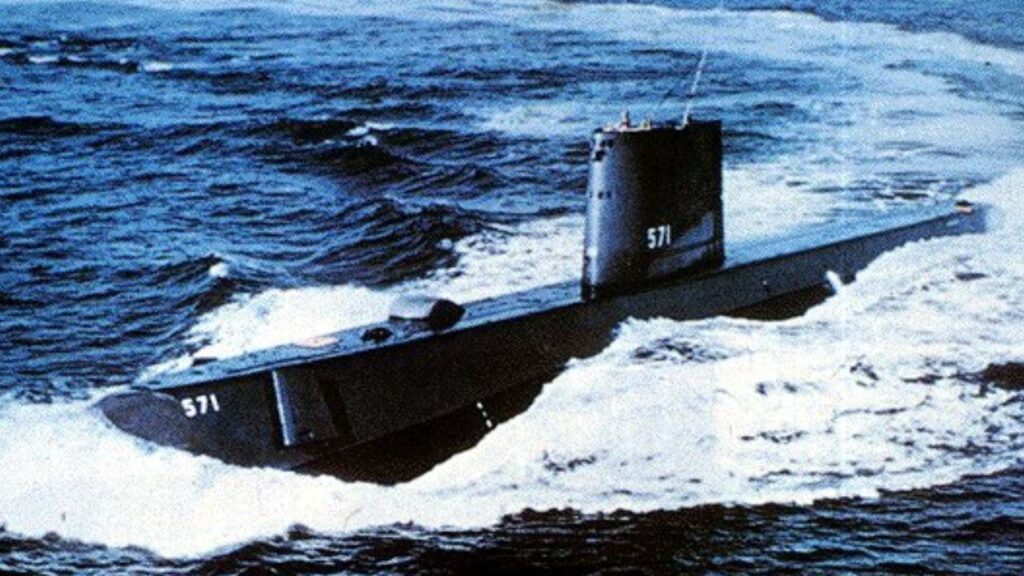
The USS Nautilus (SSN-571) was the world’s first operational nuclear-powered submarine, launched in 1954. It represented a significant leap in submarine technology, offering greater speed, endurance, and stealth capabilities. The crew placed immense trust in the Nautilus as it embarked on historic missions, including the first submerged transit of the North Pole in 1958.
The Nautilus transformed submarine warfare, proving the strategic advantage of nuclear power. Its pioneering achievements and the trust it inspired in its crew have cemented its legacy as a groundbreaking vessel in naval history.