
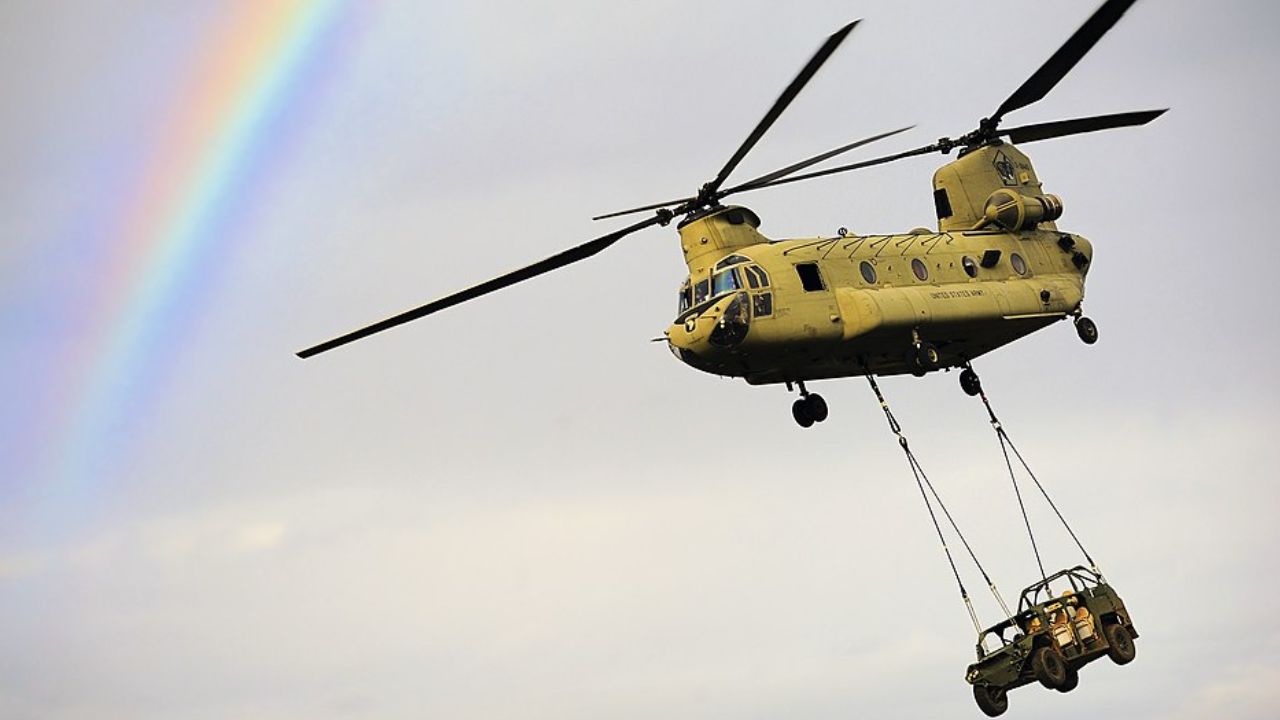
Military helicopters have played an instrumental role in shaping modern warfare, providing unparalleled versatility and capability on the battlefield. From attack helicopters to transport workhorses, these aircraft have redefined how forces engage and maneuver. Here are 11 military helicopters that have had a significant impact on the evolution of military tactics and strategies.
AH-64 Apache
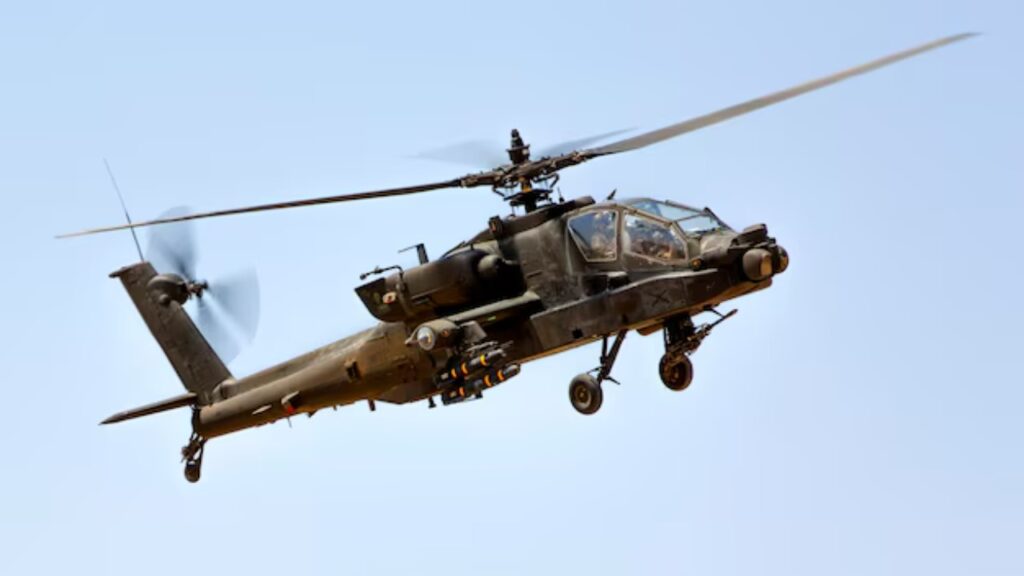
The AH-64 Apache stands out as a formidable attack helicopter, renowned for its advanced technology and firepower. Developed by Boeing, it first entered service in the mid-1980s and quickly became the backbone of many military forces worldwide. Known for its Hellfire missiles and 30mm M230 chain gun, the Apache provides ground support and reconnaissance capabilities.
Utilized extensively in conflicts such as the Gulf War and the Iraq War, the Apache’s ability to perform in diverse environments has proven invaluable. Its advanced targeting systems and night vision capabilities make it a reliable asset for modern armies.
UH-60 Black Hawk

The UH-60 Black Hawk is a versatile utility helicopter developed by Sikorsky Aircraft. First introduced in the late 1970s, it has become a staple in the U.S. Army and other military forces around the world. Designed for troop transport, medical evacuation, and cargo lift, the Black Hawk is a multi-mission workhorse.
Its performance in operations like the U.S. invasion of Grenada and the Battle of Mogadishu has cemented its reputation. The Black Hawk’s adaptability to various missions and environments ensures its continued relevance in modern military operations.
CH-47 Chinook

The CH-47 Chinook is a heavy-lift helicopter recognized for its tandem rotor design, making it uniquely suited for transporting heavy loads. Developed by Boeing Vertol, it entered service in the early 1960s and remains essential for logistical operations.
With the ability to carry troops, vehicles, and artillery, the Chinook has been pivotal in conflicts like the Vietnam War and more recent engagements in Afghanistan. Its robust design and lifting capacity make it a critical component of military logistics.
AH-1 Cobra

The AH-1 Cobra was the first attack helicopter to see production and has significantly influenced helicopter design and strategy. Developed by Bell Helicopter, it served as the primary attack helicopter for the U.S. Army during the Vietnam War.
Equipped with a 20mm cannon and rocket pods, the Cobra provided close air support to ground forces. Its tandem cockpit and narrow profile made it effective in combat, setting the standard for future attack helicopters.
Sikorsky UH-34 Seahorse

The Sikorsky UH-34 Seahorse was a piston-engine helicopter that played a vital role during the Vietnam War and the early years of helicopter deployment. Known for its reliability and versatility, the UH-34 was used for troop transport, medical evacuation, and search and rescue missions.
Its use in operations like the evacuation of Saigon highlighted its effectiveness in challenging environments. The Seahorse’s robust design allowed it to operate in diverse conditions, contributing to its legacy in military aviation history.
Eurocopter Tiger

The Eurocopter Tiger, now produced by Airbus Helicopters, is a modern attack helicopter developed by France and Germany. Entering service in the early 2000s, the Tiger is equipped with advanced avionics and weaponry, including air-to-air and air-to-ground missiles.
Designed for agility and stealth, the Tiger has been deployed in various international missions, including Afghanistan and Libya. Its multi-role capabilities allow it to perform reconnaissance, escort, and attack missions, making it a versatile tool for modern armed forces.
Mil Mi-24 Hind
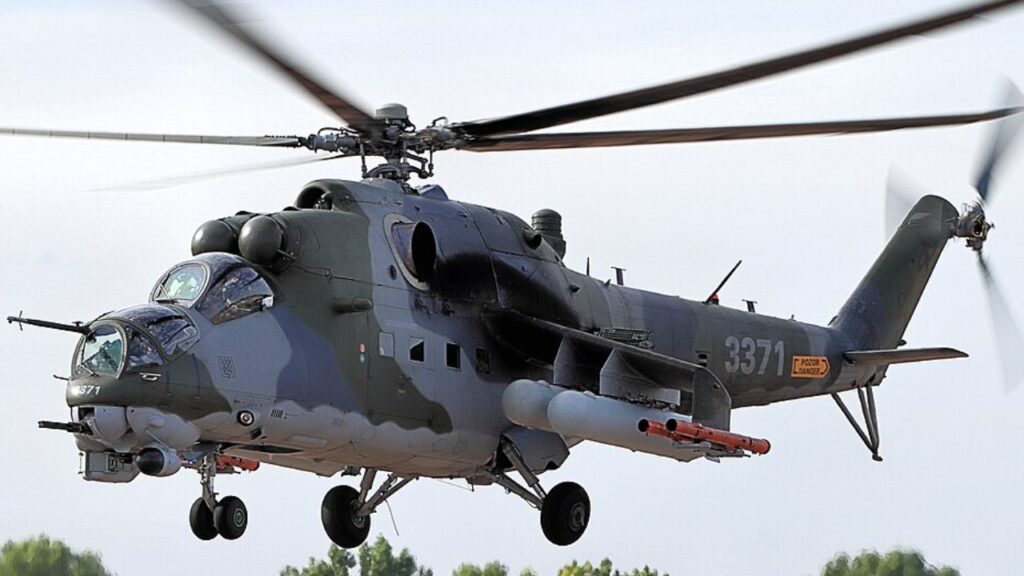
The Mil Mi-24 Hind is a Soviet-designed attack helicopter that uniquely combines troop transport capabilities with heavy firepower. First introduced in the 1970s, it saw extensive use in the Soviet-Afghan War, showcasing its durability and effectiveness in combat.
Equipped with a variety of weapons, including machine guns and anti-tank missiles, the Hind can carry up to eight troops, allowing it to provide close air support while deploying soldiers to the battlefield. Its distinctive design and versatility have made it an enduring symbol of Soviet military aviation.
Bell UH-1 Iroquois (Huey)
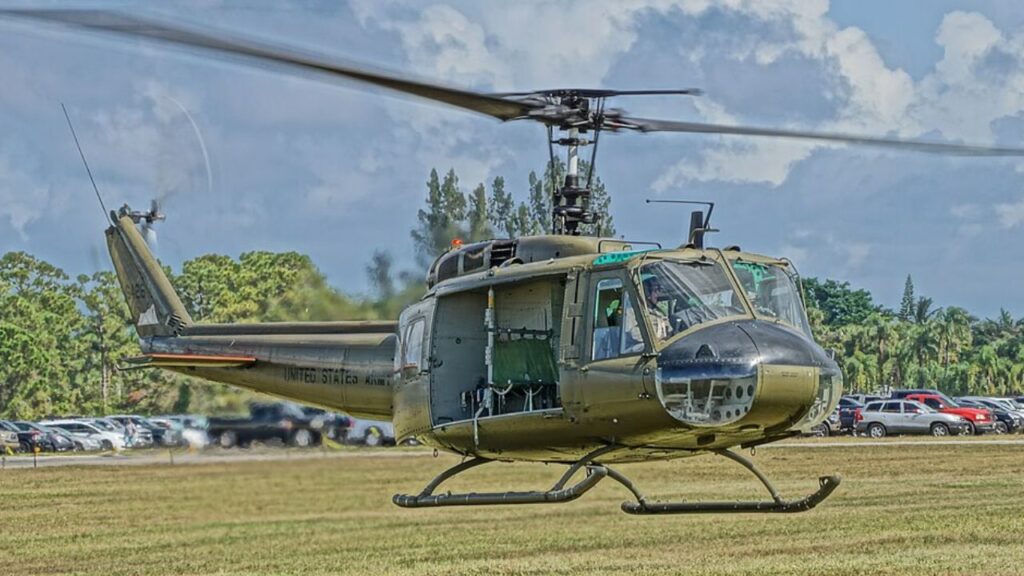
The Bell UH-1 Iroquois, commonly known as the Huey, is an iconic helicopter that became synonymous with the Vietnam War. Its introduction in the 1960s revolutionized air mobility with its ability to transport troops and provide medical evacuation under fire.
The Huey’s distinctive rotor sound and pivotal role in air assault operations have cemented its place in history. Its adaptability and effectiveness in various roles have ensured its continued use in military and civilian applications worldwide.
Westland Lynx

The Westland Lynx is a British multi-purpose helicopter known for its agility and advanced technology. Developed by Westland Helicopters, it entered service in the 1970s and has been used by numerous countries for both military and civilian purposes.
The Lynx’s versatility is demonstrated in its roles, ranging from anti-submarine warfare to search and rescue missions. Its innovative design, including a rigid rotor system, allows for exceptional maneuverability, making it a valuable asset for various military operations.
Kamov Ka-50 Black Shark
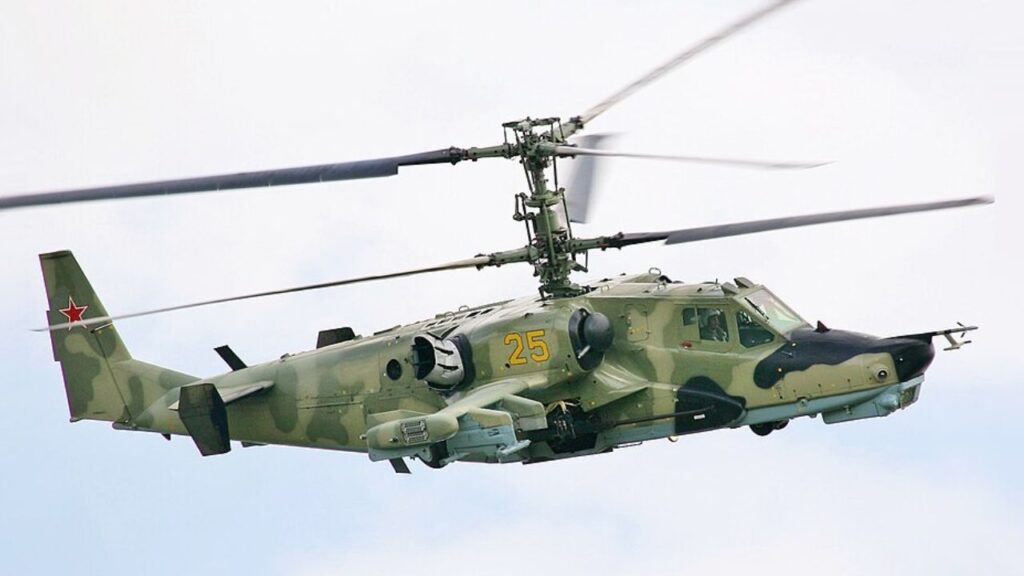
The Kamov Ka-50 Black Shark is a Russian attack helicopter known for its coaxial rotor system and unique single-pilot configuration. Introduced in the 1990s, the Ka-50 is equipped with a range of weaponry, including anti-tank missiles and a 30mm cannon.
Its ability to perform in challenging environments and its innovative design have made it a significant part of Russia’s attack helicopter fleet. The Ka-50’s advanced avionics and combat capabilities make it a formidable presence on the battlefield.
NH90 Tactical Transport Helicopter
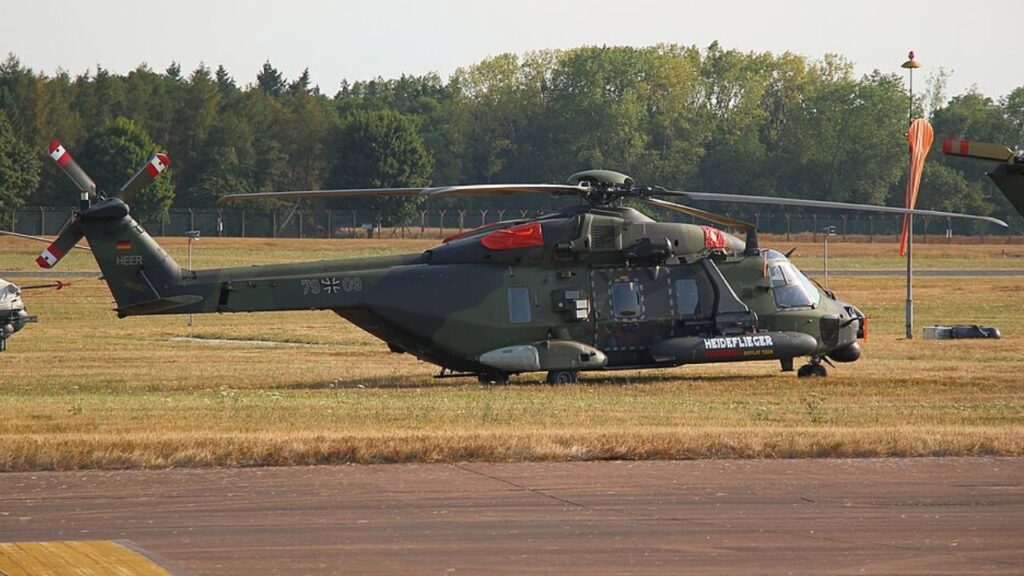
The NH90 is a modern multi-role military helicopter developed through a collaboration of several European countries. Designed for tactical transport and naval operations, it has been in service since the early 2000s.
The NH90’s advanced composite airframe and fly-by-wire controls provide enhanced performance and survivability. Its ability to operate in diverse roles, from troop transport to anti-submarine missions, highlights its importance in contemporary military operations.