
Civil aviation didn’t spring fully formed from peacetime ingenuity. Many features passengers now treat as routine—reliable navigation in poor weather, a comfortable cabin at altitude, efficient cruise aerodynamics, and standardized maintenance—were accelerated by wartime aerospace research and development, especially during World War II and the early Cold War. Combat priorities pushed air forces, navies, government labs, and manufacturers to solve problems of speed, survivability, range, and production at scale. Airlines and regulators then spent years turning those results into safe, economical, certifiable systems.
It also isn’t a simple “military invented, civilian copied” story. Several advances had prewar roots or parallel civilian work, and many required substantial redesign to meet civil requirements for reliability, maintainability, and predictable failure behavior. Even so, wartime urgency created test data, manufacturing capability, and engineering confidence that later became foundational to global air transport.
1) Jet propulsion: from combat urgency to commercial service

Jet propulsion is the clearest example of a wartime-driven breakthrough that reshaped civilian flight. Early jet engine work is often associated with pioneering UK programs and RAF interest in performance, while US industry and major engine houses such as Rolls‑Royce, GE, and Pratt & Whitney helped scale designs and production in the postwar period. The first commercial jets were not simply military aircraft with seats: airlines needed engines and airframes that could support dependable maintenance intervals, consistent operating procedures, and high utilization.
Over time, jets changed airline economics and route planning by enabling higher cruise speeds and longer stage lengths. They also anchored a high-value industrial base in materials, precision manufacturing, and overhaul capacity—capabilities that remain closely linked to defense and commercial aerospace alike.
2) Pressurized cabins: making altitude usable for passengers and crews
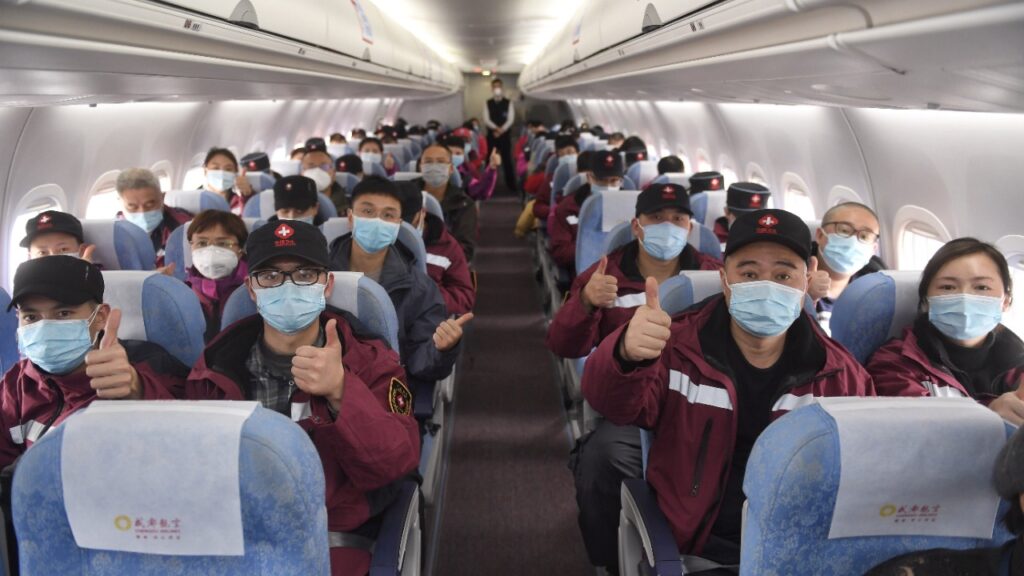
Pressurization moved from a niche challenge to an operational expectation as wartime designers pushed aircraft to higher altitudes. For combat aircraft, altitude could improve survivability and flexibility; for airlines, it enabled more comfortable, more consistent operations above much of the weather. The civil payoff arrived only after sustained work on structures, sealing, fatigue understanding, inspection practices, and maintenance routines.
That legacy still shapes modern airliner design and certification. A “comfortable cabin” is also a structural and life-management problem, influencing inspection regimes, airframe longevity, and operating cost.
3) Radar: from detection to safer all-weather operations

Wartime radar work—often highlighted in the UK context—helped normalize the idea that sensors could provide usable awareness in darkness and poor weather. In civilian aviation, radar evolved into multiple roles, including weather avoidance, approach support, and broader surveillance functions that help air traffic services keep aircraft separated and moving efficiently. The military-to-civil transition required more than different hardware; it also demanded standardized procedures, training, and integration into air traffic systems.
In practical terms, radar improved operational resilience by reducing the risk and disruption associated with deteriorating weather and rising traffic density. It also reinforced the need for long-term investment in national air navigation services as dual-use infrastructure.
4) Radio navigation aids: building the foundations of managed airspace

Wartime long-range operations demanded more dependable radio navigation to reach targets, coordinate formations, and return home. After the war, those concepts and practices migrated into civilian networks of radio-based navigation aids and standardized procedures that made regular airline schedules feasible when visual references were limited. The shift was as much institutional as technical, affecting pilot training, route planning, and the organization of air traffic services.
For airlines, better navigation translated into more predictable operations and, over time, more efficient routing. For governments, it meant building and maintaining ground infrastructure and standards—the “airspace plumbing” that supports both civil mobility and national readiness.
5) De-icing and anti-icing: from survivability to dispatch reliability

Operating combat aircraft across diverse climates accelerated practical de‑icing and anti‑icing methods. In civil aviation, icing is less about combat survivability than about safe, predictable schedules and reduced weather-related disruption. The civil transition also tightened expectations: systems must be consistent, inspectable, maintainable, and designed to fail safely.
The broader effect is operational resilience. More reliable cold-weather capability supports steadier airport throughput and reduces cascading delays—benefits that matter commercially and for national mobility in emergencies.
6) Swept wings and high-speed aerodynamics: research that later improved efficiency
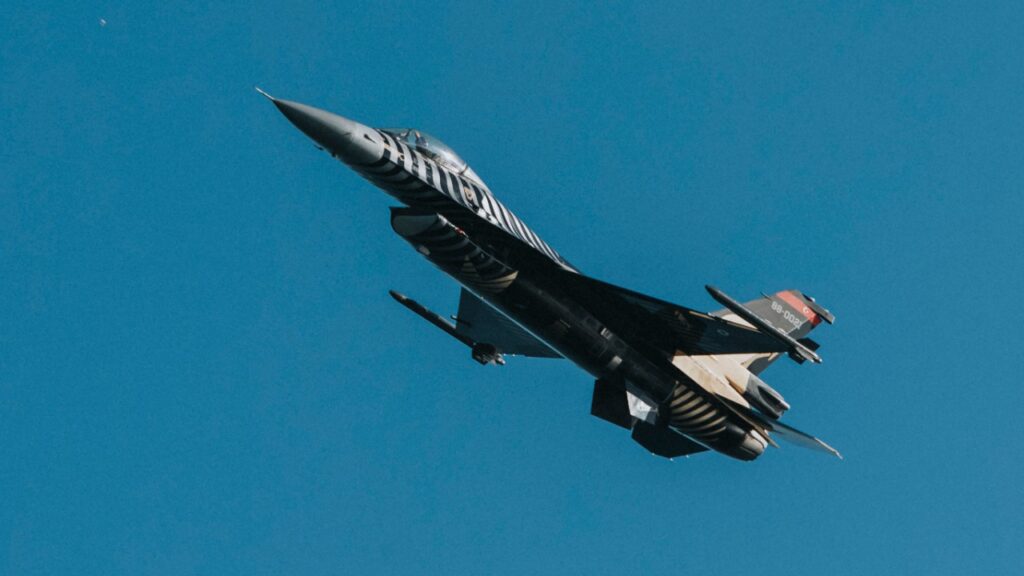
As wartime and early Cold War designers pursued higher speeds, aerodynamic research intensified, influencing swept-wing thinking and other high-speed refinements. Postwar, those lessons were adapted to commercial designs where the objective is not maximum speed at any cost, but efficient cruise, range, and stable handling across a wide operating envelope. Making that leap required careful work on low-speed behavior, structural loads, and handling qualities, along with the operational and regulatory practices to manage them.
For airliners, the payoff was better cruise performance and improved long-route economics. For industry, the underlying aerodynamic capability—wind-tunnel work, flight testing, and strong links between government labs and manufacturers—became a durable competitive advantage.
7) High-lift devices: expanding airport access while managing complexity
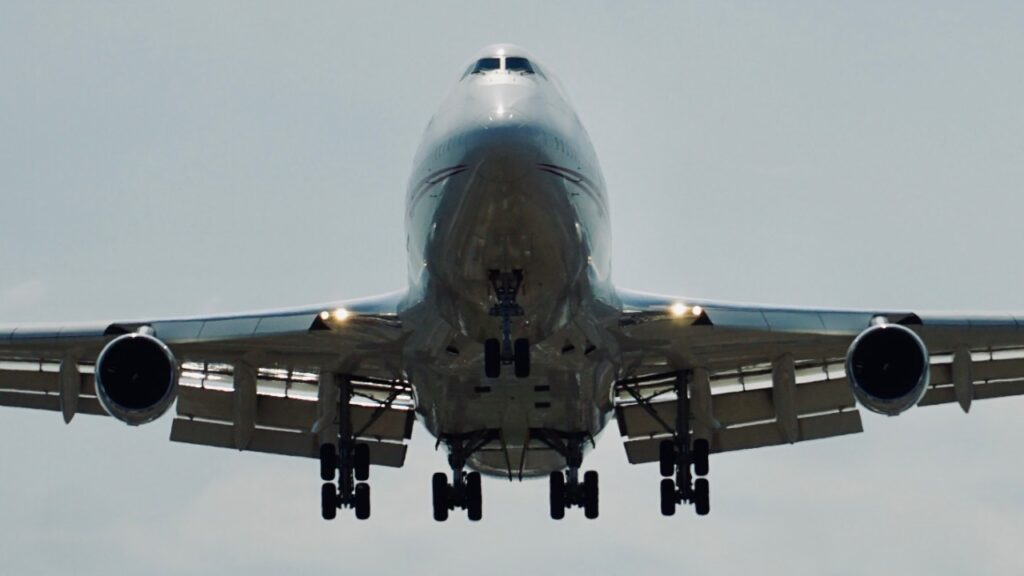
Combat requirements such as carrier operations, dispersed bases, and heavy-load performance helped accelerate practical high-lift devices, including flap systems and related mechanisms. In commercial service, high-lift systems lowered takeoff and landing speeds, widened the range of usable airports, and increased margins during critical phases of flight. They also added complexity: more moving parts, more inspection burden, and additional failure modes to address through design and training.
That tradeoff remains central to airline operations. High-lift capability expands route flexibility and airport access, while maintenance and reliability considerations shape how aircraft are operated and supported.
8) All-metal stressed-skin structures: durable design at industrial scale

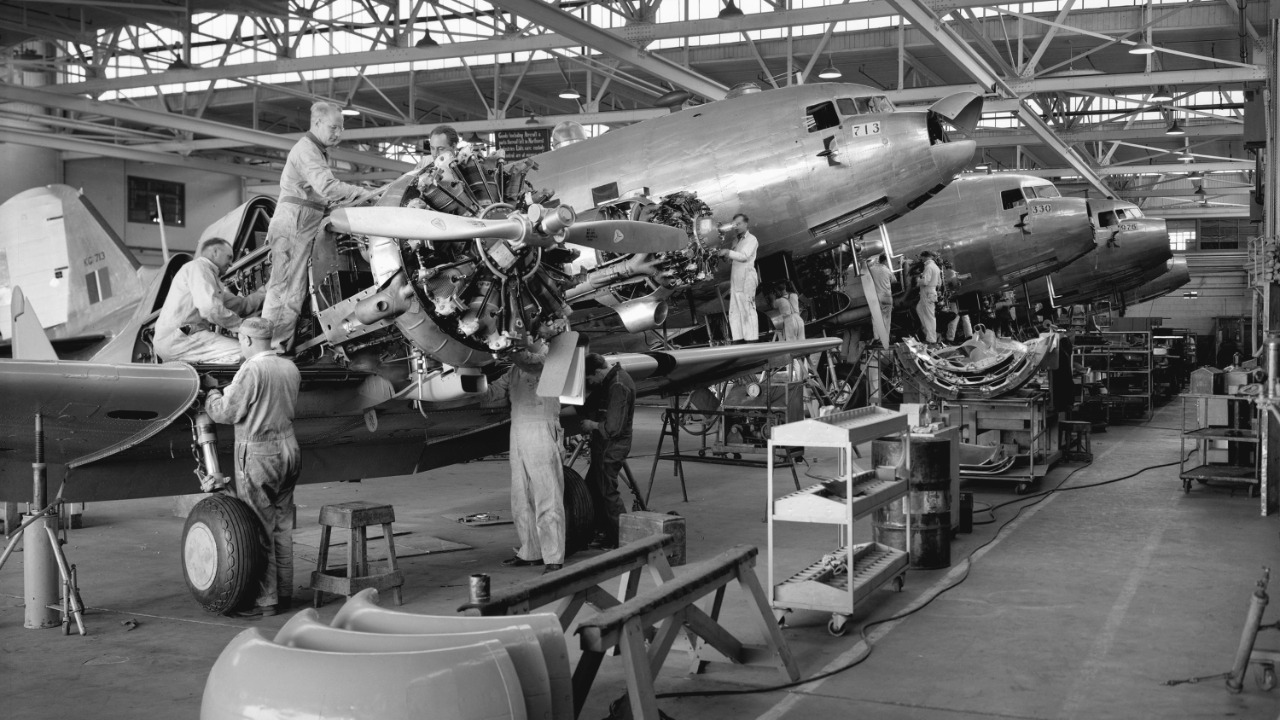
The wartime push to build large fleets accelerated all-metal stressed-skin structures and the production discipline needed to manufacture them in volume. In the US industrial ecosystem, manufacturers such as Boeing, Douglas, and Lockheed refined tooling, inspection practices, and repeatability—methods that later supported airlines operating standardized fleets with predictable structural behavior. This was as much a manufacturing-system advance as an airframe-design advance.
For civil aviation, robust metal structures improved durability and maintainability, supporting postwar fleet growth and more consistent maintenance planning. Strategically, the ability to produce and sustain complex aircraft at scale became part of national aerospace strength with clear dual-use implications.
9) Redundancy and reliability engineering: moving from “mission completion” to “predictable safety”
Wartime operations reinforced a practical lesson: systems fail, and aircraft must remain controllable and recoverable when they do. That mindset—redundancy, safer system architectures, and disciplined failure analysis—carried into civilian design and later into regulatory expectations. Civil aviation’s threshold is different: rather than accepting elevated risk for mission success, airlines and regulators demand demonstrable, repeatable safety and reliability.
The benefits show up in day-to-day operations through fewer in-service disruptions, clearer maintenance programs, and more standardized troubleshooting. The costs are real as well—added weight, parts count, and training burden—but redundancy is a core reason routine air travel became broadly acceptable at scale.
10) Avionics and autopilots: reducing workload to improve consistency

Improved avionics and autopilots grew from the same wartime drivers that pushed navigation and sensor development: reduce pilot workload, stabilize flight precisely, and support operations in demanding conditions. In civil aviation, those capabilities became tools for safety and efficiency—holding altitude and speed accurately, flying consistent procedures, and reducing workload during high-demand phases of flight. As with other transitions, airline use required maturity in reliability, human-factors design, training, and maintenance.
This area also illustrates a recurring dual-use pattern. Military demand can fund capability development, while airline-scale production and operational experience can drive reliability and cost improvements across shared suppliers and support ecosystems.
What this means now: dual-use advantage, with important caveats
Different wartime ecosystems contributed pieces of what became the modern aviation “stack,” spanning the US, UK, Germany, the USSR, and Japan, with varying combinations of government labs, military services, and manufacturers driving progress. Discussion of German or Soviet-era transfers deserves care: postwar movement of knowledge and personnel could involve captured material and ethically fraught programs, and it is easy to drift into oversimplified “wonder-weapon” narratives. A more grounded view is that wartime pressure accelerated prototypes, data, and production methods that others later refined—and that civil certification demanded years of additional engineering and operational learning.
The strategic takeaway is straightforward. Sustained aerospace research, testing, and industrial capacity can deliver more than military capability; it can also seed civilian competitiveness in airframes, engines, avionics, and the navigation infrastructure that keeps economies moving. The next “civilian dividend” from defense R&D will depend less on any single breakthrough than on long-tail investments—standards, quality control, maintainability engineering, and operational feedback—that turn wartime innovation into everyday safety and reliability.