

The evolution of fighter jets has played a pivotal role in establishing air superiority. Over the decades, several models have stood out for their innovative designs and cutting-edge technology. Here’s a look at ten remarkable fighter jets that have left an indelible mark on aerial combat.
F-86 Sabre
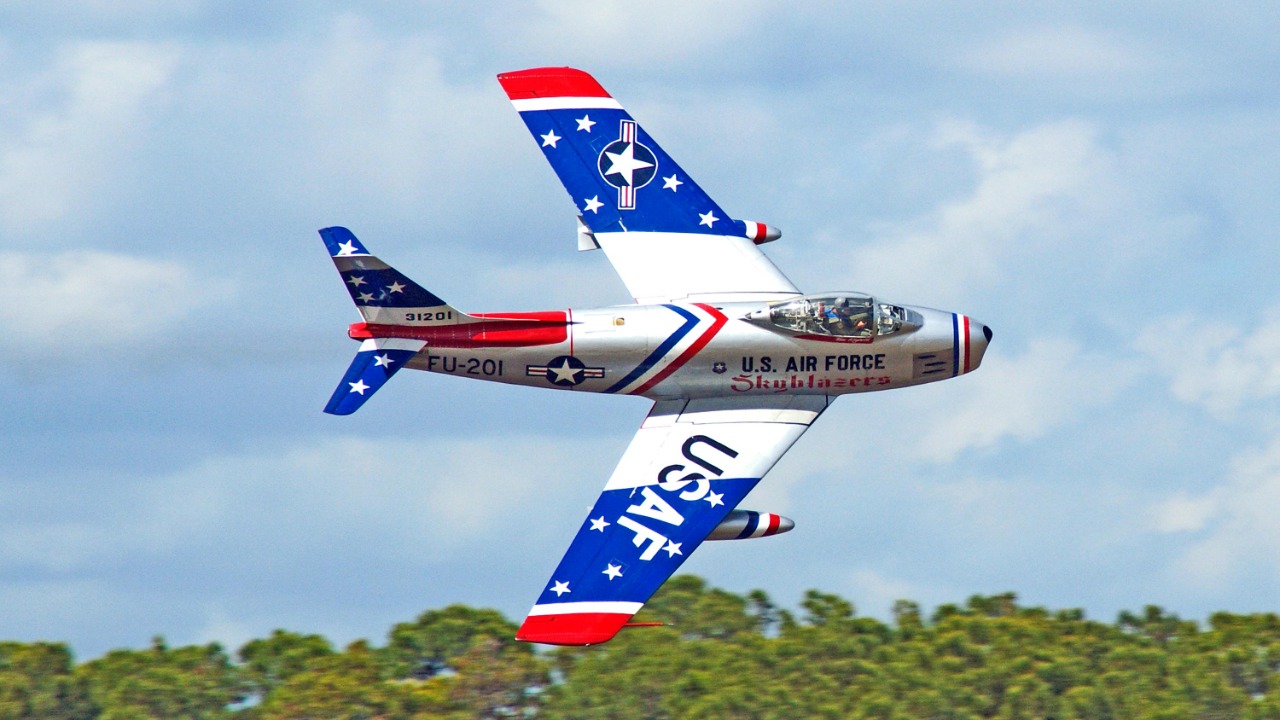
The North American F-86 Sabre was a game-changer during the Korean War, dominating the skies with its swept-wing design. It was one of the first fighters to break the sound barrier in a dive. The Sabre was instrumental in countering the Soviet MiG-15, achieving an impressive kill ratio. Its agility and speed made it a favorite among pilots, with over 9,800 units produced during its service.
Equipped with six .50 caliber machine guns, the F-86 changed air-to-air combat tactics. Its impact on aerial dogfighting and air force strategy cemented its legacy as a cornerstone in aviation history.
MiG-15

The MiG-15, developed by the Soviet Union, was a formidable opponent during the Korean War. Known for its exceptional climb rate and high-altitude performance, the MiG-15 was a significant threat to U.S. forces. Its introduction marked a new era in jet-powered flight, forcing adversaries to rethink their strategies.
With its 37mm and dual 23mm cannons, the MiG-15 was a powerhouse in aerial battles. Its influence extended beyond the Korean War, serving in numerous air forces worldwide, showcasing the durability and adaptability of Soviet engineering.
F-4 Phantom II
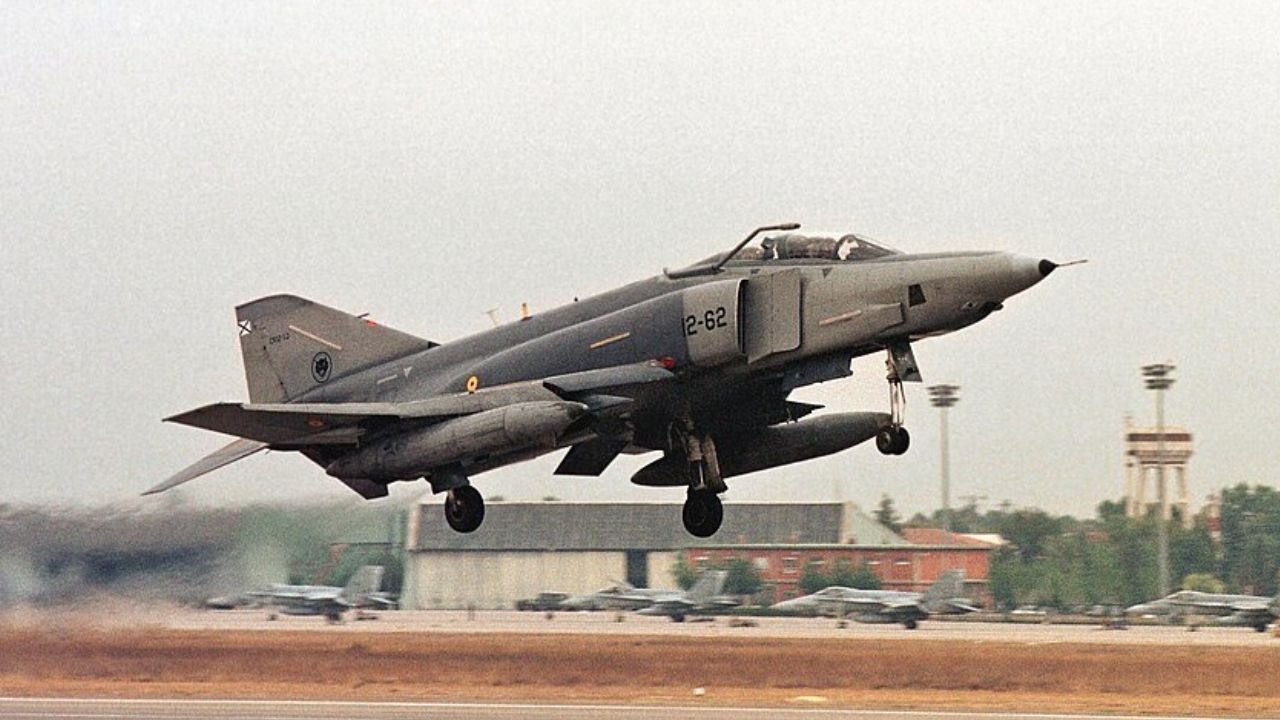
The McDonnell Douglas F-4 Phantom II became a symbol of American air power during the Vietnam War. As a versatile multirole fighter, it could perform air superiority, ground attack, and reconnaissance missions. The Phantom II’s twin-engine design and advanced radar made it a formidable adversary.
With over 5,000 units built, the F-4 was adopted by multiple countries, becoming one of the most widely used fighters in history. Its adaptability and technological advancements set the stage for future multirole combat aircraft.
MiG-21

The MiG-21, a product of Soviet innovation, became one of the most produced fighter jets in aviation history. Its simple yet effective design allowed for rapid production, making it a staple in over 50 air forces worldwide. Known as the “Fishbed” in NATO parlance, the MiG-21 excelled in speed and maneuverability.
Its delta wing design and powerful engine enabled it to reach supersonic speeds, while its reliability and ease of maintenance made it a favorite among pilots. The MiG-21’s legacy is evident in its continued use and influence on modern fighter design.
F-15 Eagle
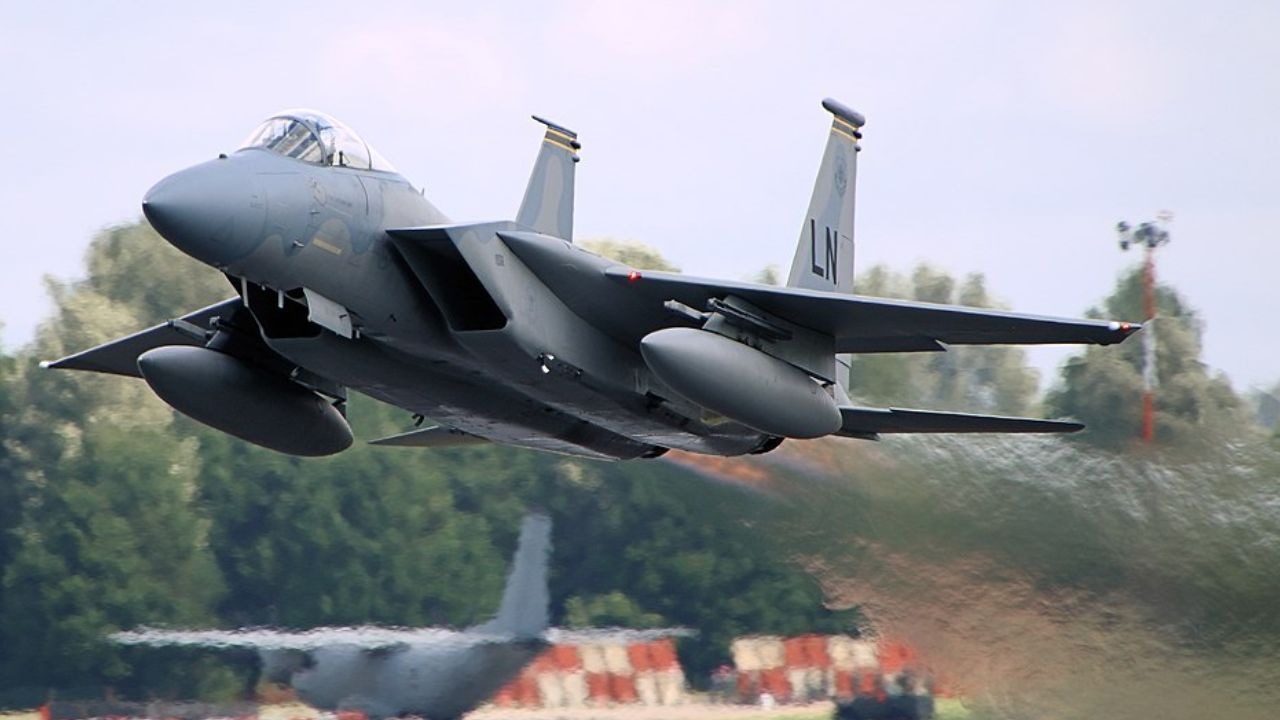
The F-15 Eagle, developed by McDonnell Douglas, has been the backbone of U.S. air superiority for decades. Known for its unmatched speed, agility, and range, the F-15 has a perfect combat record, with over 100 aerial victories and no losses. Its twin-engine design and advanced avionics provide exceptional performance in air-to-air combat.
The F-15’s adaptability has allowed it to evolve over the years, with newer variants featuring state-of-the-art technology. Its continued success underscores its status as one of the most successful fighter jets ever built.
Su-27 Flanker

Russia’s Su-27 Flanker, developed by Sukhoi, is renowned for its exceptional agility and advanced aerodynamics. Designed to counter the F-15 Eagle, the Flanker features a powerful radar and a long-range missile capability. Its supermaneuverability allows it to perform complex aerial maneuvers, earning it respect in aerial combat circles.
The Su-27’s design has spawned numerous variants, each enhancing its capabilities further. It’s a testament to Russian engineering, showcasing the blend of power, precision, and technological innovation.
F-16 Fighting Falcon

The F-16 Fighting Falcon, developed by General Dynamics, revolutionized multirole fighter design with its versatility and affordability. Known for its agility and air-to-air combat prowess, the F-16 has been a staple in numerous air forces around the world. Its fly-by-wire control system and advanced avionics set a new standard for fighter jets.
With over 4,500 units produced, the F-16 continues to be a key player in modern air forces, offering a balance of performance and cost-effectiveness that is hard to match.
Eurofighter Typhoon
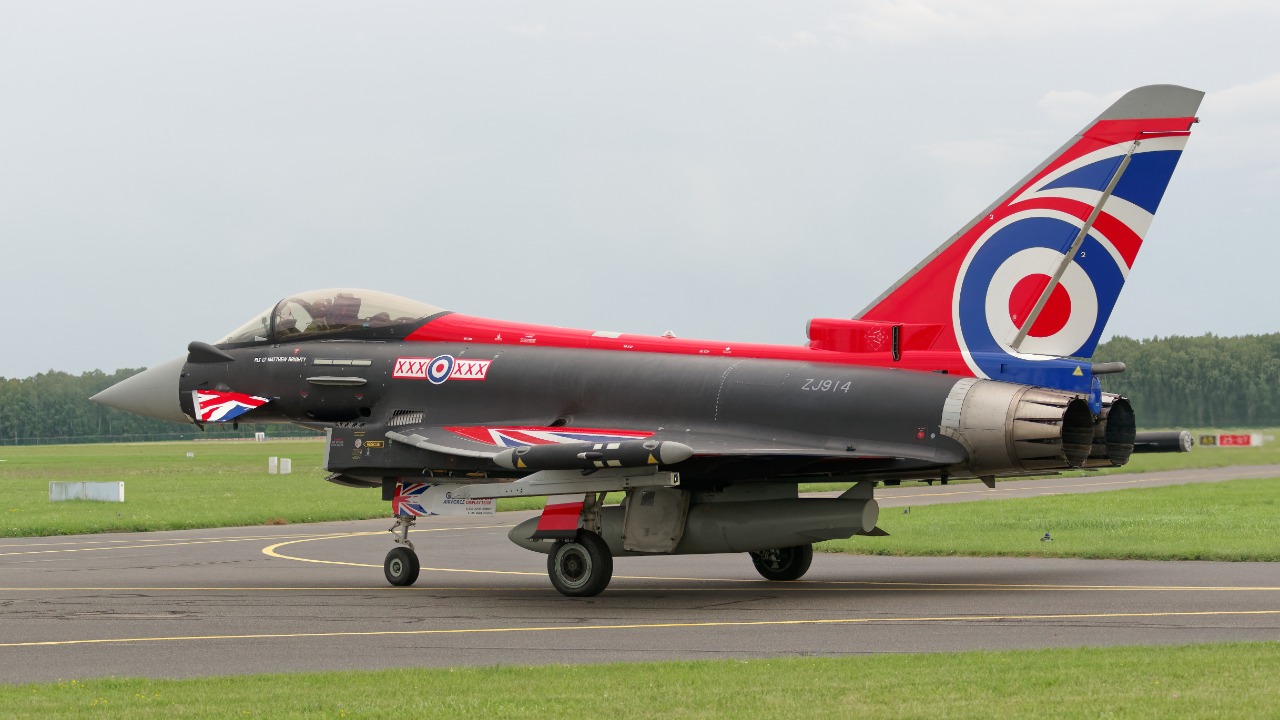
The Eurofighter Typhoon, a product of European collaboration, represents a leap forward in multirole fighter capabilities. With its advanced avionics, supercruise capability, and agile performance, the Typhoon is designed for air superiority and ground attack missions. Its delta wing and canard design allow for exceptional maneuverability and speed.
The Typhoon’s adaptability and cutting-edge technology have made it a valuable asset for NATO allies, ensuring a robust defense capability in a rapidly evolving threat environment.
F-22 Raptor
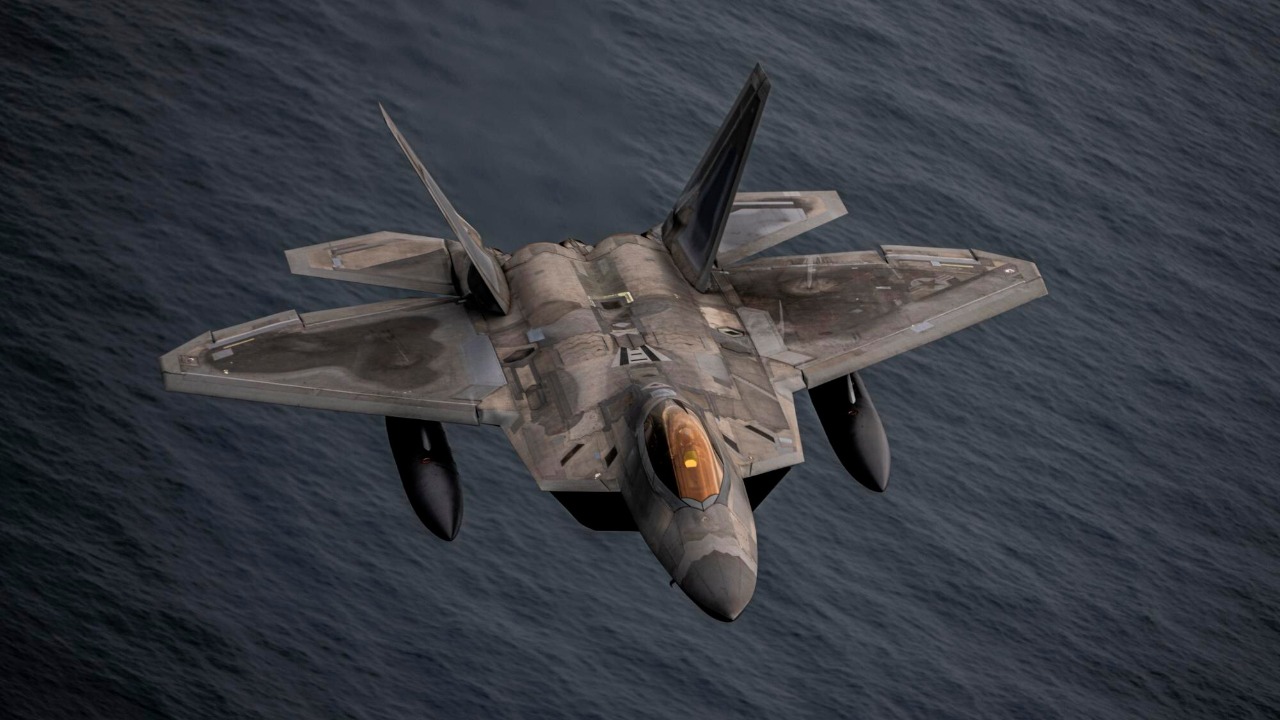
The F-22 Raptor, developed by Lockheed Martin, is a fifth-generation stealth fighter that has set the standard for air dominance. Its stealth capabilities, combined with supercruise and advanced sensor fusion, provide an unparalleled advantage in modern warfare. The Raptor’s agility and speed make it a formidable opponent in both air-to-air and air-to-ground missions.
Despite its limited production, the F-22 remains a critical component of U.S. air superiority, showcasing the potential of cutting-edge technology in maintaining a competitive edge.
F-35 Lightning II
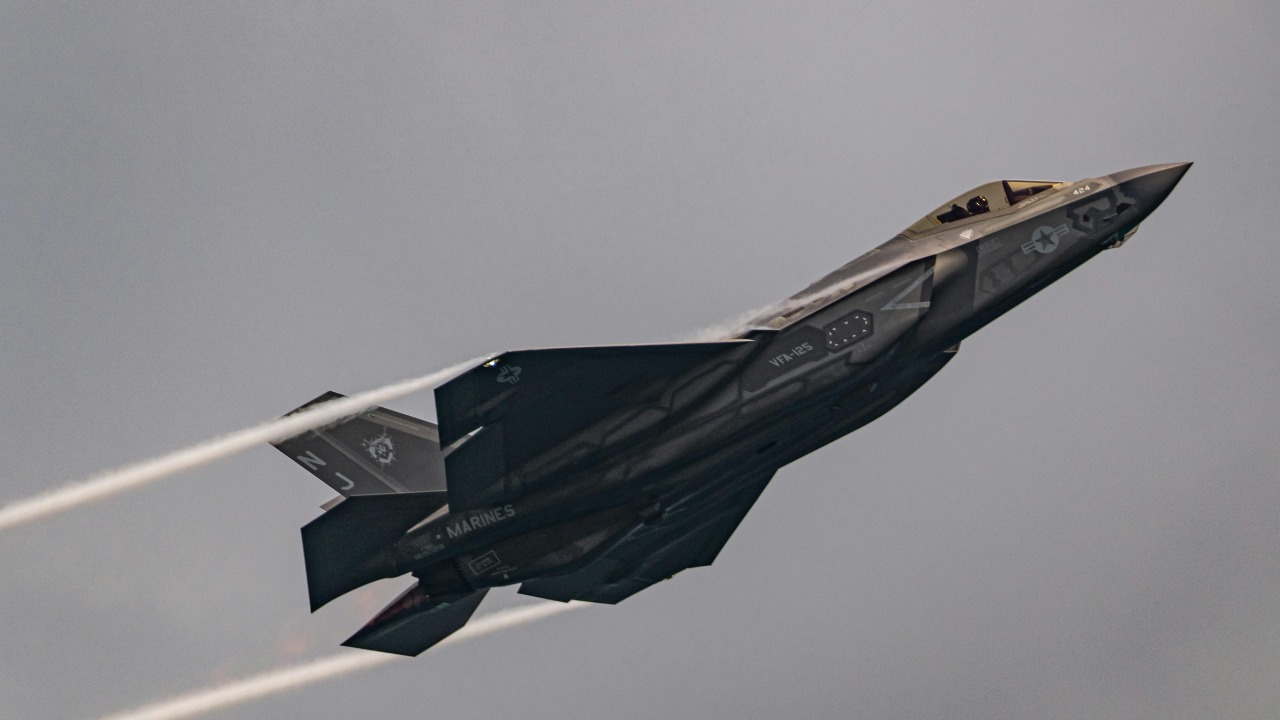
The F-35 Lightning II, a product of the Joint Strike Fighter program, represents the latest in multirole stealth fighter technology. With variants designed for conventional takeoff, short takeoff/vertical landing, and aircraft carrier operations, the F-35 offers unparalleled versatility. Its advanced avionics and sensor suite provide pilots with a comprehensive view of the battlespace.
The F-35’s international adoption underscores its importance in modern military strategy, as it continues to redefine the capabilities expected of next-generation fighter jets.