
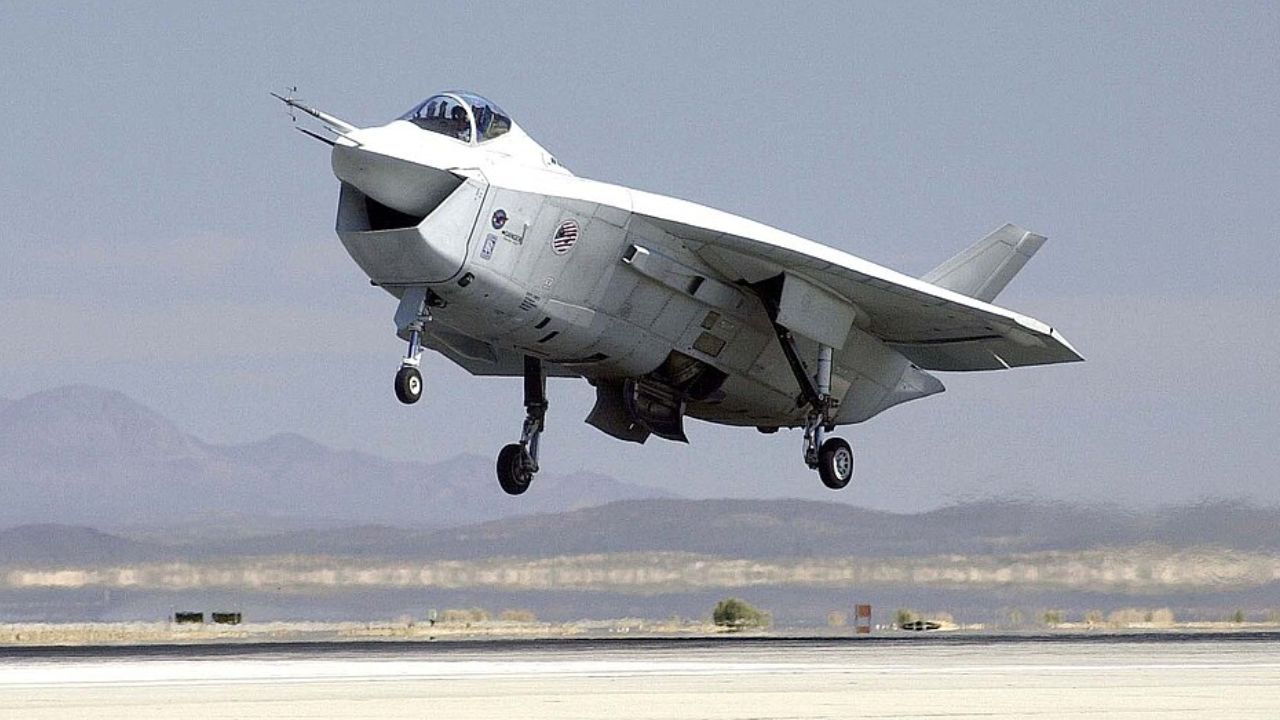
Throughout aviation history, experimental military aircraft have played a crucial role in pushing the boundaries of what is possible in flight. These cutting-edge machines have often been at the forefront of technological innovation, paving the way for advancements in speed, stealth, and aerodynamics. Here, I explore ten experimental military aircraft that have significantly influenced aviation design and technology.
North American X-15

The North American X-15 was a rocket-powered aircraft that made significant strides in high-speed, high-altitude flight. Operated by NASA and the United States Air Force, the X-15 flew at altitudes of over 300,000 feet and reached speeds exceeding Mach 6.7. This aircraft provided invaluable data on aerodynamics, thermal protection, and pilot physiology, which contributed to the development of future spacecraft.
The X-15 program, which ran from 1959 to 1968, included 199 flights. Pilots who flew the X-15 earned their astronaut wings due to the extreme altitudes reached. The insights gained from the X-15 project were instrumental in the design of the Space Shuttle.
Lockheed YF-12
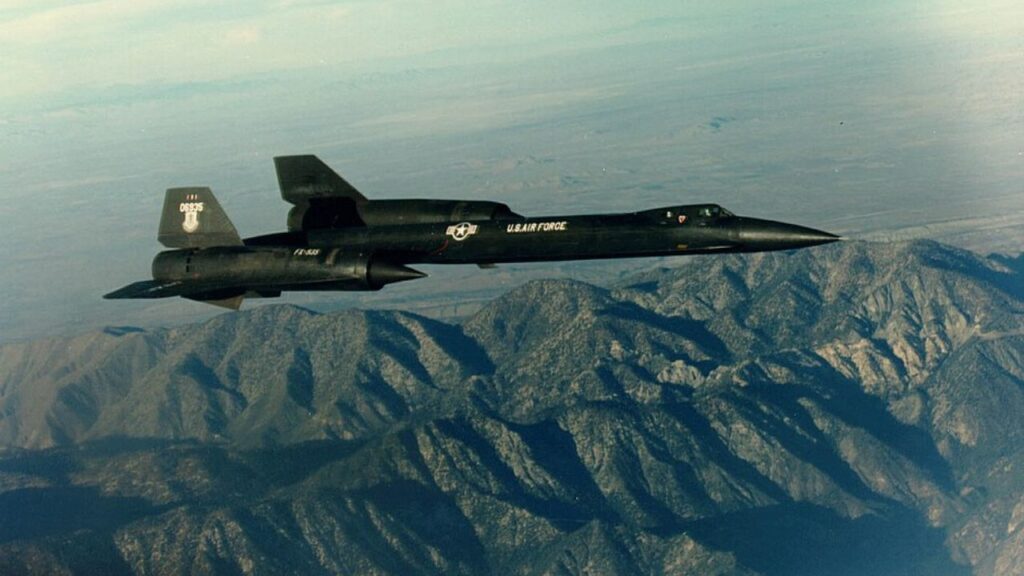
The Lockheed YF-12 was an interceptor prototype developed from the A-12 reconnaissance aircraft. With a top speed of over Mach 3, the YF-12 was designed to intercept and destroy enemy aircraft at long distances. Although the YF-12 never entered full production, it served as a precursor to the more famous SR-71 Blackbird.
During its testing phase, the YF-12 set numerous speed and altitude records. Its advanced radar and weapons systems were groundbreaking for the time, and research from the YF-12 program contributed to the development of modern fighter jet technologies.
Boeing X-37

The Boeing X-37, also known as the Orbital Test Vehicle (OTV), is an unmanned spaceplane developed for the U.S. Air Force. Initially designed by NASA, the X-37 program was transferred to the Department of Defense, where it continues to operate in secrecy. The X-37 is capable of long-duration space missions, often lasting over a year in orbit.
The X-37 has been utilized to test technologies related to reusable spacecraft and autonomous re-entry, landing, and spaceflight operations. Its ability to return to Earth and land autonomously makes it a pivotal platform for testing new space technologies.
Bell X-1
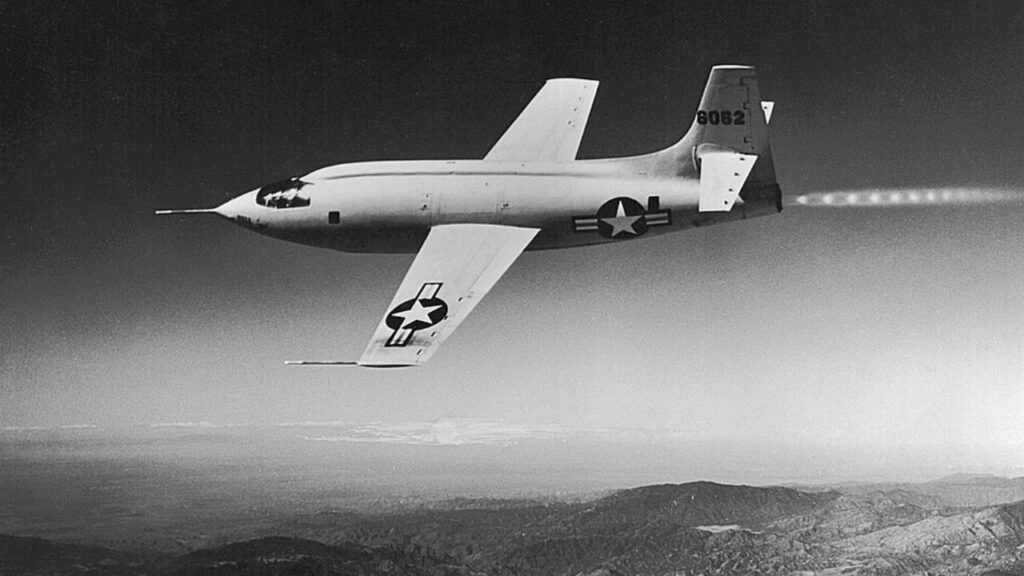
The Bell X-1 holds the distinction of being the first aircraft to break the sound barrier in level flight. Piloted by Chuck Yeager on October 14, 1947, the aircraft reached Mach 1.06 at an altitude of 45,000 feet. The X-1’s success proved that controlled supersonic flight was achievable, setting the stage for future high-speed aircraft.
Nicknamed “Glamorous Glennis” after Yeager’s wife, the X-1 was powered by a liquid-fueled rocket engine. The data collected during its flights were crucial in understanding the aerodynamics of supersonic flight, influencing the design of subsequent military and commercial jets.
Grumman X-29

The Grumman X-29 was an innovative experimental aircraft featuring forward-swept wings, which provided enhanced maneuverability and control at high angles of attack. The X-29 utilized advanced composite materials and fly-by-wire control systems to maintain stability, despite its unconventional design.
Two X-29 aircraft were built and flew a total of 437 test flights between 1984 and 1991. The research conducted with the X-29 demonstrated the potential benefits of forward-swept wings and contributed to the development of modern fighter technologies in aerodynamics and materials science.
McDonnell Douglas X-36
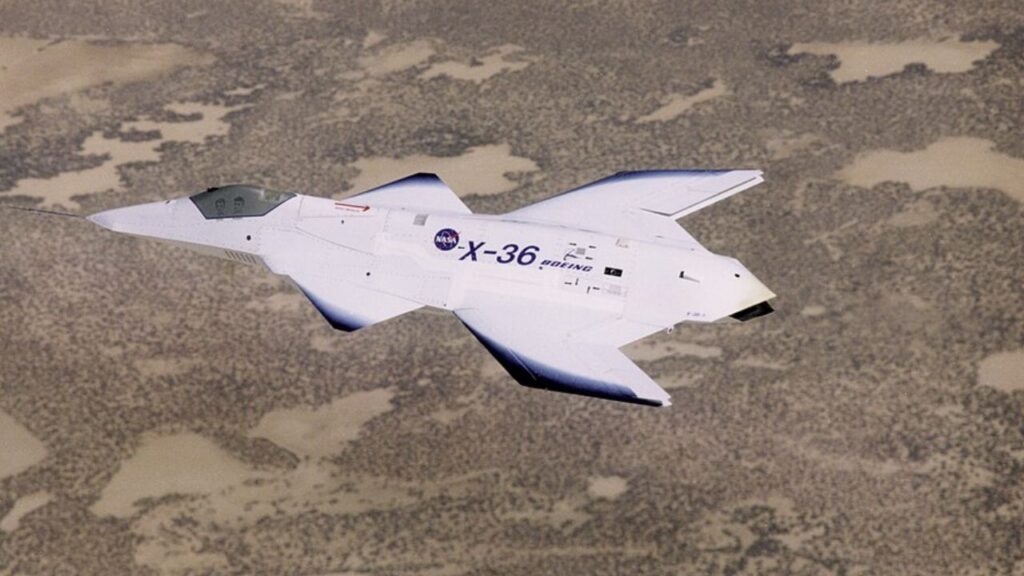
The McDonnell Douglas X-36 was an unmanned tailless fighter aircraft prototype designed to test agility and performance in combat scenarios. The absence of a traditional vertical tail reduced radar cross-section and drag, potentially increasing stealth capabilities.
Despite its small size, the X-36 demonstrated impressive stability and maneuverability during its 31 test flights. The program provided valuable data on tailless aircraft designs, which have implications for future stealth aircraft development, including the potential for improved agility and reduced radar signature.
NASA X-43
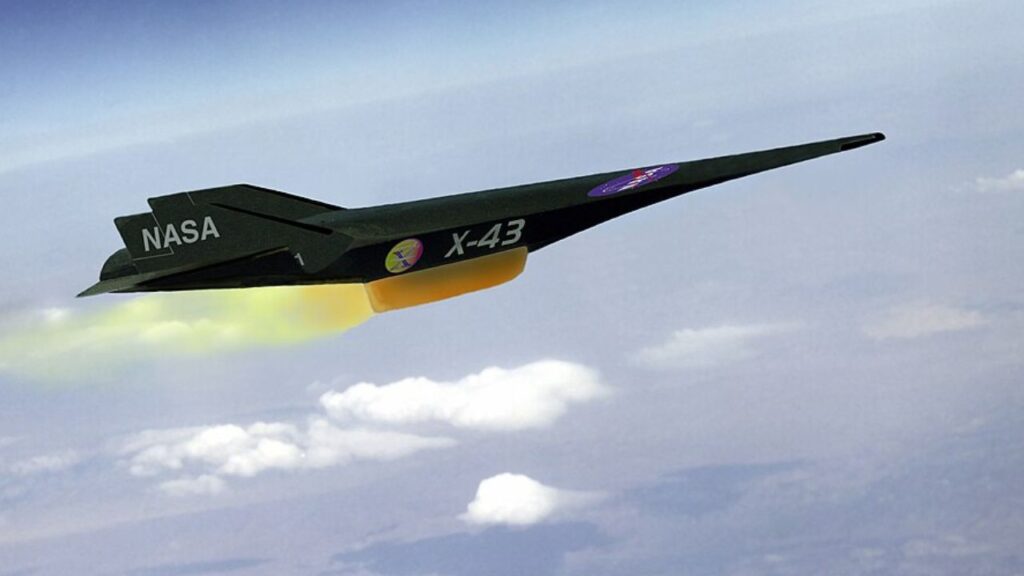
The NASA X-43 was an experimental aircraft designed to test scramjet propulsion technology, which allows for hypersonic flight at speeds exceeding Mach 5. The X-43A achieved a record speed of Mach 9.6 in 2004, making it the fastest air-breathing aircraft in history.
Scramjet engines operate efficiently at hypersonic speeds, using atmospheric oxygen for combustion instead of carrying heavy oxidizers. The X-43 program’s success demonstrated the feasibility of scramjet technology, paving the way for future developments in high-speed travel and potential applications for military and space exploration.
Northrop YB-49

The Northrop YB-49 was a jet-powered flying wing bomber prototype that laid the foundation for modern stealth aircraft. Its unique design minimized drag and allowed for increased payload capacity. Although the YB-49 never entered production, it played a critical role in the development of future aircraft such as the B-2 Spirit stealth bomber.
First flown in 1947, the YB-49 faced several challenges, including stability issues and political hurdles. Despite this, its innovative design influenced future generations of aircraft, particularly in terms of stealth technology and aerodynamic efficiency.
Bell X-2

The Bell X-2 was an experimental aircraft designed to investigate the effects of flight at extreme altitudes and speeds, specifically near Mach 3. The research conducted with the X-2 helped address the thermal and aerodynamic challenges associated with high-speed flight.
In 1956, the X-2 reached a maximum speed of Mach 3.2, setting a speed record at the time. Although the program ended tragically with the loss of an aircraft and a pilot, the insights gained were crucial for the development of future high-speed aircraft and understanding of flight dynamics at the edge of the atmosphere.
Boeing X-32

The Boeing X-32 was a contender in the Joint Strike Fighter competition, aimed at developing a multirole stealth fighter for the U.S. military. The X-32 featured a unique delta wing design and advanced avionics, but ultimately lost to the Lockheed Martin X-35, which became the F-35 Lightning II.
Despite not being selected, the X-32 program contributed valuable data on design and performance that informed future aircraft development. Its participation in the competition highlighted the importance of balancing stealth, speed, and versatility in modern military aircraft designs.