
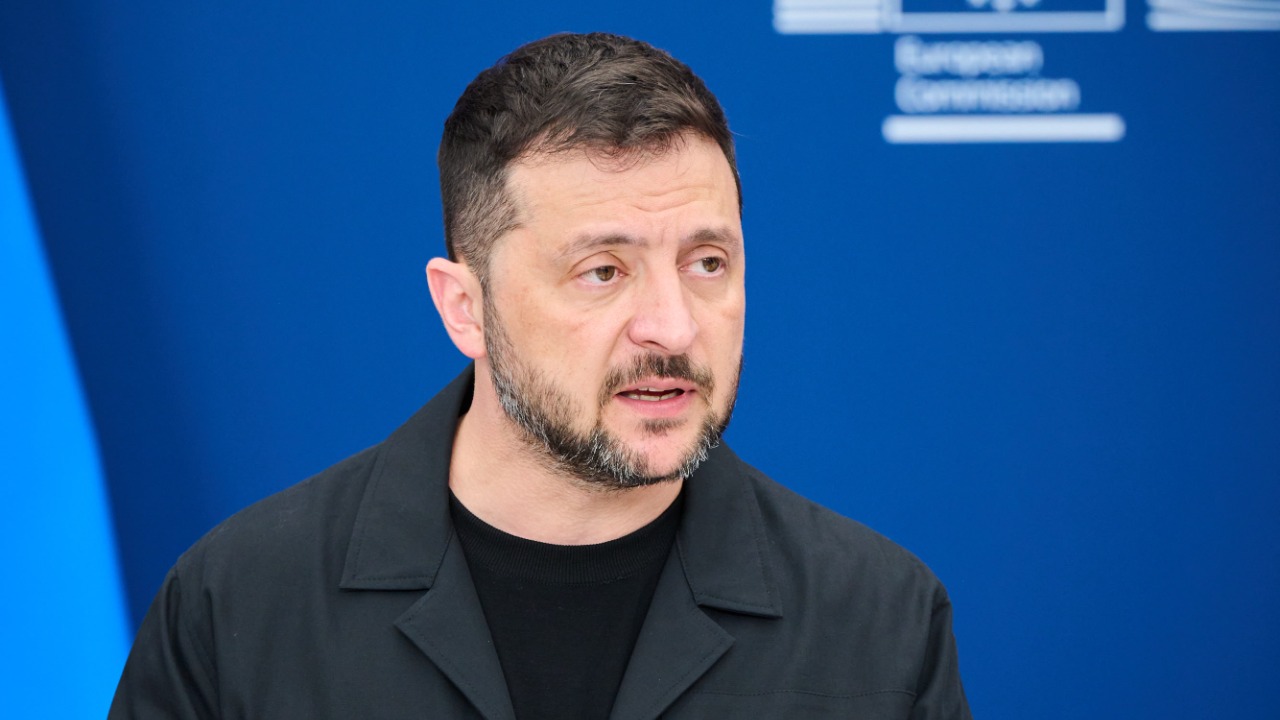
President Volodymyr Zelenskiy has confirmed that high-stakes three-way talks aimed at ending the war are now fixed for Feb. 4 and 5 in Abu Dhabi, turning the United Arab Emirates into the latest focal point of shuttle diplomacy. The meeting will bring together delegations from Ukraine, the United States, and Russia for what Kyiv is presenting as a critical test of whether battlefield stalemate can be translated into a political framework for peace. After months of grinding combat and cautious contacts, the announcement signals that the diplomatic track is no longer tentative but locked into a specific venue and timetable.
The decision to return to Abu Dhabi follows an earlier round of discussions in the same city and reflects a calculation that a neutral Gulf setting can host direct engagement even as fighting continues. Zelenskiy has framed the gathering as part of a broader push to secure a “dignified end” to the conflict, while warning that no one should expect a quick breakthrough. The talks are being prepared against a backdrop of renewed strikes and fragile ceasefire arrangements, underscoring how narrow the margin is between progress at the table and escalation on the ground.
The road to Abu Dhabi: from Kyiv announcement to fixed dates
When Zelenskiy addressed the public from KYIV and stated that the next trilateral session would take place in Abu Dhabi on Feb. 4 and 5, he was signaling that the diplomatic calendar is now as important as the military one. His message followed a report from his negotiating team that the dates for the new round of U.S.-brokered contacts had finally been agreed, turning earlier tentative planning into a firm commitment. The Ukrainian leader described the format as a continuation of intensive engagement between Ukraine, the United States, and Russia, and he stressed that the aim is to move closer to a comprehensive settlement rather than a temporary pause in hostilities. His statement from KYIV framed the gathering as part of a U.S.-brokered effort that has been building over several weeks.
The choice of Abu Dhabi is not accidental. The capital of the United Arab Emirates already hosted delegations from the three countries in Jan., when negotiators met face to face on Jan. 23 and 24 for what participants described as constructive but incomplete talks. Those earlier sessions, referenced in delegation accounts, laid the groundwork for the new dates by testing whether all sides were prepared to keep talking despite continued fighting. By returning to the same city, negotiators hope to build on working relationships and procedural habits already established in the Jan. meetings.
Behind-the-scenes maneuvering and U.S. brokerage
The decision to lock in early February dates came only after a period of behind-the-scenes maneuvering that highlighted Washington’s central role. Reporting on the process notes that the trilateral format is U.S.-brokered, with American officials working to keep both Kyiv and Moscow engaged even as domestic pressures mount in each capital. In late Jan., a Russian envoy, Kirill Dmitriev, met Special Envoy Steve Witkoff in Miami, where they briefed U.S. President Trump on the state of contacts and the prospects for further engagement. That Miami meeting, described as part of a broader diplomatic track, helped clear the way for Zelenskiy to confirm that the next round in Abu Dhabi would go ahead.
European coverage of the process has emphasized that the talks were initially delayed after U.S. and Russian officials met separately, underscoring how sensitive the sequencing of contacts has become. One account credits President Volodymyr Zelenskyy with announcing that the dates for the next U.S.–Ukraine–Russia meeting had to be adjusted after Washington and Moscow held their own discussions, a reminder that Kyiv is determined not to be sidelined in negotiations about its own future. That same reporting, attributed to Emmy Sasipornkarn with AP, AFP, and Reuters, underlines that the United States is walking a tightrope between engaging Russia directly and reassuring Ukraine that it remains a full partner in any peace framework.
Ceasefire strains, battlefield pressure, and domestic expectations
The diplomatic choreography is unfolding against a volatile military backdrop. A temporary ceasefire declared by Russia has already expired, and within hours of Zelenskiy’s announcement of the Abu Dhabi dates, Russian forces resumed attacks on Ukrainian energy infrastructure. One report describes a drone strike that hit a facility in the city of Dnipro, illustrating how quickly the situation can deteriorate even as negotiators prepare to sit down together. The same account notes that bookmark coverage of the ceasefire highlighted its fragility and the limited trust between the sides.
Inside Ukraine, expectations are high but tempered by hard experience. In a message posted on Telegram, the Ukrainian president said that his team had just reported back from earlier sessions and that the dates for the next round were now set, adding that the goal remained a dignified end to the war. Yet there was no immediate comment from Russia on the new timetable, and Moscow has continued to press its offensive in areas it has not yet captured. Ukrainian officials have warned that any perception of ceding ground would embolden Moscow, a concern echoed in analysis that highlights territorial issues as the most politically explosive part of the agenda.
What is on the table in Abu Dhabi
Although officials have released few specifics, the broad contours of the Abu Dhabi agenda are becoming clearer. Negotiators from Ukraine, United States are expected to focus on security guarantees, control of occupied territories, and the sequencing of any future ceasefire with political steps. Earlier commentary from Zelenskyy stressed that control over eastern and southern regions remains non-negotiable for Kyiv, and that any settlement must reflect the sacrifices made over four years of resistance with Western support. Those priorities were echoed inan analysis that described how talks in the UAE have already touched on military issues and the future of contested areas.