
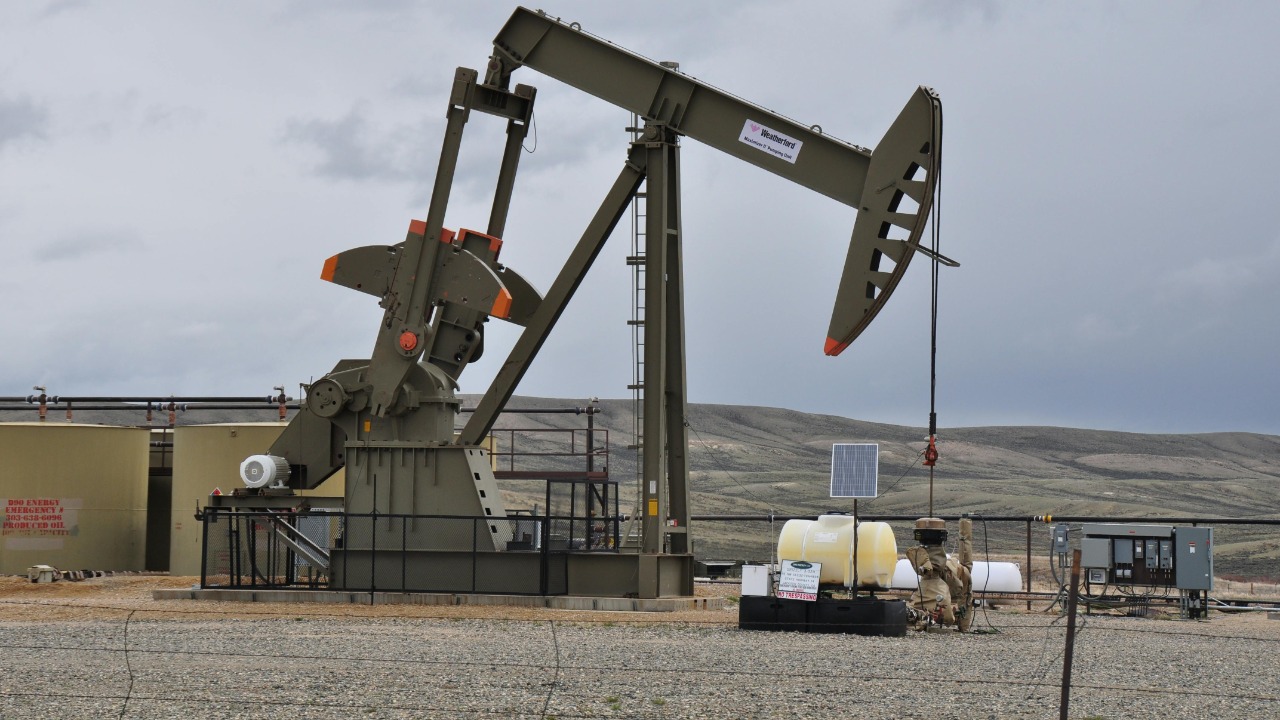
Venezuela sits on a notional 303 billion barrels of crude, the largest proven reserves on the planet, yet its oil sector is crippled and its politics are volatile. As President Donald Trump escalates threats and signals that Caracas is now a front line in his “America First” energy and security agenda, the question is not just how much oil is in the ground, but how far Washington is prepared to go to control it. The standoff is turning a broken petrostate into a test of whether raw resource wealth still dictates great‑power strategy in the twenty‑first century.
Trump’s rhetoric and moves around Venezuela suggest a mix of motives, from domestic politics to regional security, but the scale and specific qualities of the country’s reserves keep pulling the conversation back to oil. Understanding what 303 billion barrels really mean, how usable that crude is, and why it matters to United States refineries is essential to judging whether Venezuela is the prize the White House is truly after or a symbol in a much broader confrontation.
The lure and limits of 303 billion barrels
On paper, Venezuela is an energy superpower. Official data and industry analysis agree that the country has the world’s largest proven crude reserves, with figures that reach a notional 303 billion barrels concentrated largely in the Orinoco Belt. Energy specialists note that, indeed, Indeed, Venezuela has notionally 303 billion barrels of crude, but most of it is the extra‑heavy gunk of the Orinoco, which is far harder and more expensive to produce than the light, sweet grades that dominate global benchmarks. United States government assessments similarly describe how, in 2023, Venezuela had the world’s largest proven crude oil reserves, yet its actual output has collapsed because of underinvestment, sanctions, and mismanagement.
That gap between theoretical wealth and real‑world production is central to the current crisis. Analysts who frame the confrontation as a scramble for a giant prize point out that Venezuela’s Oil and Why It Matters is precisely that it represents the largest single pool of untapped heavy crude left in the global system, a resource that could anchor long‑term supply for any power willing to rehabilitate the sector. Yet the same reporting stresses that turning those reserves into export barrels would require tens of billions of dollars, years of technical work, and a stable political environment that Venezuela currently lacks. In other words, the 303 billion figure is both a magnet for geopolitical ambition and a reminder that geology alone does not guarantee energy dominance.
Trump’s Venezuela fixation: oil or regime change?
Inside Washington, there is a sharp debate over what is really driving Trump’s fixation on Caracas. Some foreign policy specialists argue that the administration’s push for regime change is rooted less in a direct grab for barrels and more in ideology, regional influence, and domestic messaging. One detailed examination of the White House’s strategy notes that There are lots of reasons why the Trump administration is angling for regime change in Caracas, and that whatever else the United States is doing, it is officially not after the country’s oil. This view casts the confrontation as part of a broader effort to roll back left‑wing governments in the hemisphere and to showcase American power after messy conflicts elsewhere.
Yet Trump’s own words and political style make it hard to separate strategic doctrine from resource ambition. Commentators tracking his public statements point out that, As for Venezuela, As for Venezuela itself, Trump has occasionally let slip just how important he considers securing and profiting from its oil, framing control of foreign resources as a way to make conflicts “pay for themselves.” Another detailed Analysis by David Goldman describes how Trump has been threatening to attack a country with more oil than Iraq while publicly tying his stance to stopping illegal migration and illegal drugs from Venezuela, a blend of security rhetoric and energy subtext that keeps oil at the center even when it is not named outright.
Heavy crude, hungry refineries, and the “America First” energy map
Beyond the rhetoric, there is a hard structural reason Venezuela looms large in Trump’s energy thinking: the specific type of crude it produces and the way United States refineries are built. For decades, the complex plants along The US Gulf Coast were configured to run on heavy, sour grades imported from countries like Venezuela, which allowed refiners to buy cheaper feedstock and turn it into high‑value fuels. Industry observers underline that Trump Understands That the US Needs Venezuelan Oil because The US Gulf Coast heavily relies on Venezuelan crude, and losing that supply has forced refiners to seek lower‑quality alternatives, threatening energy stability.
Sanctions and political breakdown in Caracas have already slashed exports to the United States, leaving plants from Texas City to Port Arthur scrambling for substitutes. Trade and financial analysts note that, Citing cnn.com, Citing President Nicol Maduro, Venezuela’s critics and supporters alike acknowledge that United States refineries need Venezuelan oil even as the country’s energy infrastructure is in disrepair. Market specialists add that Venezuelan oil is a heavy, sour crude variety, in contrast to lighter, sweeter crude produced in the U.S., and that this mismatch makes Venezuelan barrels uniquely valuable to certain American refiners who cannot simply switch to domestic shale without costly retooling.
Maduro’s narrative: sanctions, sovereignty, and “colony never again”
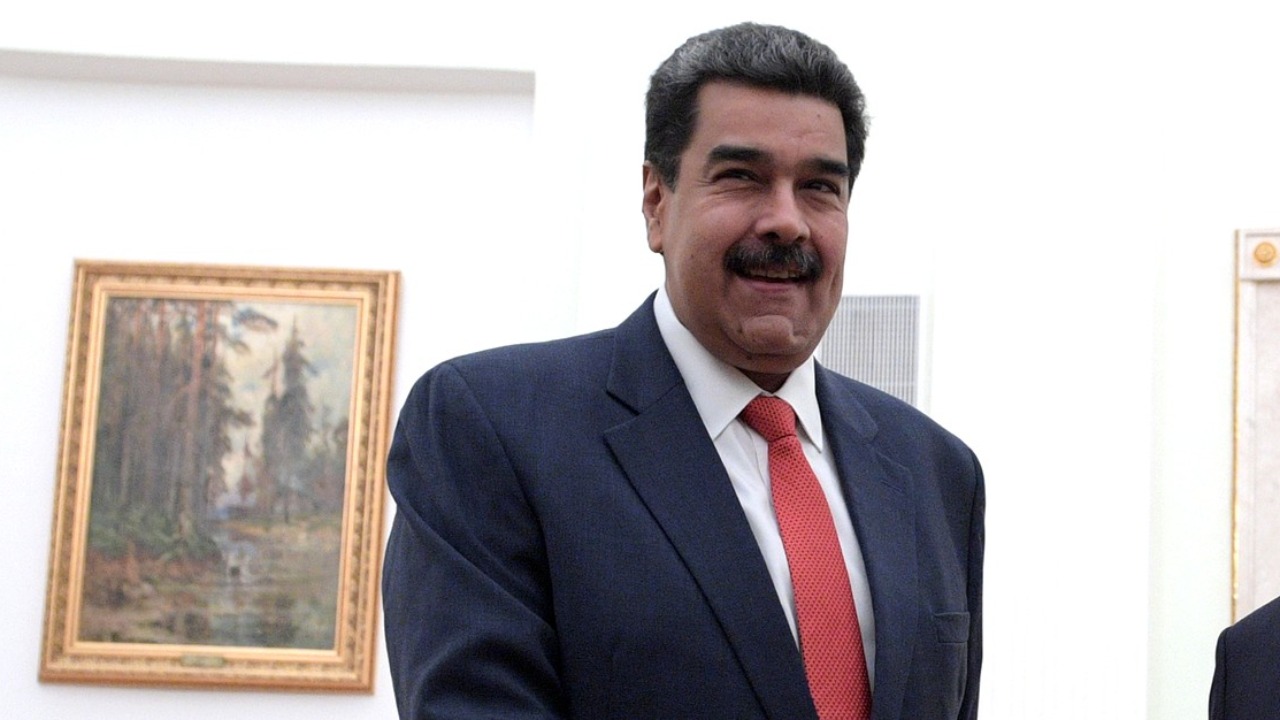
On the other side of the standoff, President Nicolás Maduro has built a narrative that casts Trump’s pressure campaign as a bid to loot the country’s natural wealth. In speeches and interviews, he has accused Washington of using economic warfare and the threat of force to seize control of the Orinoco Belt and reverse the nationalist legacy of Hugo Chávez. One detailed report describes how Maduro accuses the United States of wanting to seize Venezuelan oil reserves and notes that Download Straight Arrow News coverage highlights how Venezuela is pumping only around 0.8 million barrels per day currently, a fraction of its potential, which Maduro blames on sanctions rather than mismanagement.
Maduro has also tried to frame the confrontation in historical and moral terms, insisting that Venezuela will be a “colony never again” and portraying Trump as the face of a neo‑imperial project. Human rights and peace advocates have amplified his claim that United States measures are turning ordinary Venezuelans into “slaves of peace,” arguing that These sanctions, which have limited Venezuela’s ability to export its most valuable natural resource, are considered on the ground as a violation of its sovereignty and proof that the world is still all hooked on oil. In this telling, the 303 billion barrels are less a prize than a curse, inviting foreign interference while the domestic economy craters.
Domestic politics, war talk, and the “oil prize” narrative
Trump’s Venezuela posture is not only about barrels and borders, it is also about voters. Political strategists describe how the White House has tried to sell a potential conflict to a war‑weary public by wrapping it in nationalist language and economic promises. One detailed account of the administration’s messaging strategy argues that There’s a fourth domestic rationale for going to war with Venezuela that the administration denies but privately must believe, namely that controlling foreign oil could be sold as part of a plan to restore American Greatness and keep gasoline cheap. This logic dovetails with Trump’s broader “America First” framing, which treats foreign resources as assets to be leveraged for domestic gain rather than as neutral commodities in a global market.
Energy commentators inside the United States have picked up on the same theme, warning that the country’s own production boom may be peaking and that foreign heavy crude will remain essential. One analysis bluntly states that, as domestic output plateaus, Our domestic energy production is peaking and that Trump’s “Drill, Baby, Drill” policy involves a significant expansion of leasing at home while also eyeing foreign reserves that are a tempting target. Another piece focused on Dec, Here, Why Trump May Be Eyeing Venezuela, Oil, and President Donald Trump argues that Here’s Why Trump May Be Eyeing Venezuela is precisely because of the 303,000,000,000 barrels of oil in reserve, which could, in theory, underpin decades of United States energy security if brought under friendly control.
How much is Venezuela really worth to the West?
Even if Trump’s motives are mixed, the strategic value of Venezuelan crude to Western consumers is not in doubt. Energy market specialists stress that Venezuela’s oil will be valuable in the West for years to come, particularly because its heavy crude production and export capacity can complement lighter grades from the United States and other producers. This long‑term value helps explain why European and Asian companies have quietly lobbied for a political settlement that would allow them back into the Orinoco, even as public rhetoric focuses on democracy and human rights.
At the same time, the technical and financial hurdles to unlocking that value are enormous. Detailed sector studies on Venezuela’s Oil and Why It Matters emphasize that pipelines, upgraders, and refineries are decaying, skilled workers have fled, and the state oil company is burdened with debt. Even if a friendly government took power tomorrow, it would take years to restore production to levels that could reshape global markets. Until then, the 303 billion barrels function as a geopolitical mirage: vast enough to tempt presidents and provoke threats, but locked behind layers of engineering, politics, and risk that no outside power can wish away.