
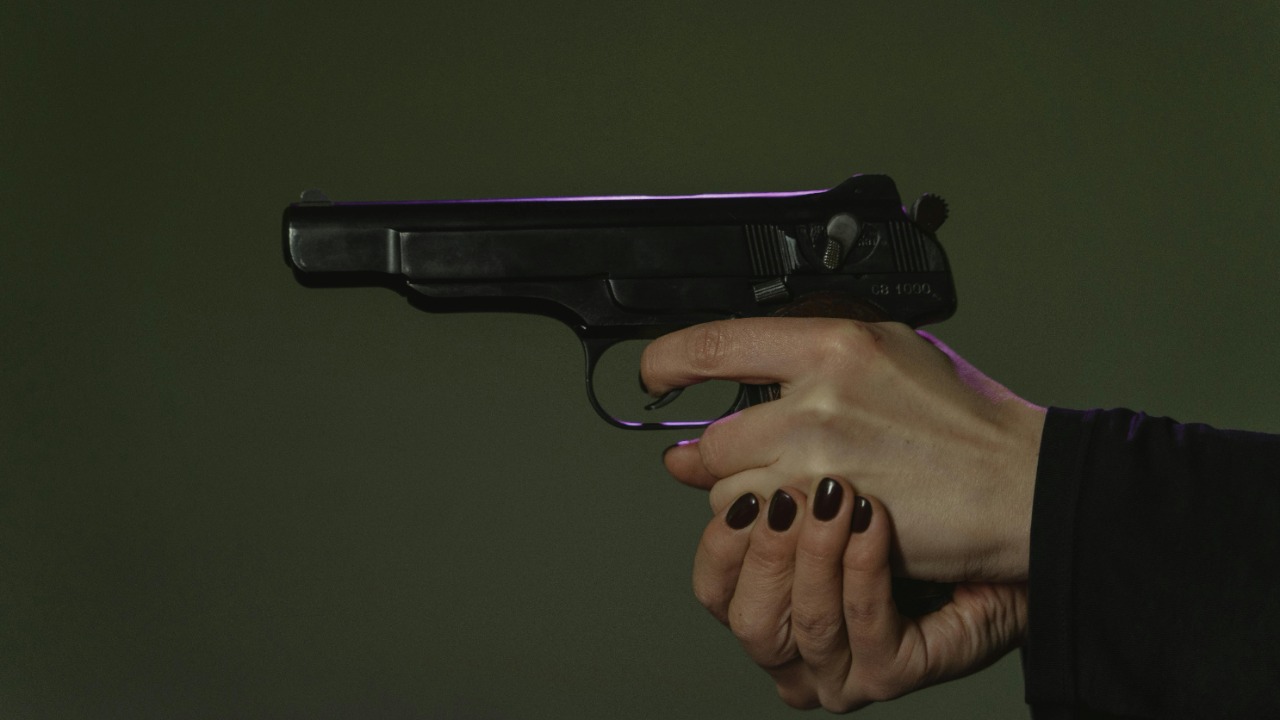
Trigger feel is the handshake between you and your handgun, and like any bad handshake, a mushy or unpredictable one can ruin the whole relationship. The way a trigger moves, stacks, breaks, and resets quietly dictates whether your shots land where you meant or wander off like a distracted golden retriever. When that interface is clean and consistent, the gun stops feeling like a stubborn machine and starts behaving like an extension of your intent.
Once you understand how weight, travel, wall, break, and reset work together, you see why two pistols of the same model can feel like completely different animals. That subtle difference is not just about comfort or snobbery, it affects safety, speed, and how much mental bandwidth you have left for things like sights, recoil, and not pointing the muzzle at your own foot.
The trigger as your primary interface
Every time I press a handgun trigger, I am literally operating the firing mechanism with one finger, which is why the trigger is often described as the interface between shooter and gun. When I move it, I am releasing the firing pin or hammer and starting a controlled explosion a few inches from my face, so the way that control feels matters more than any slide serration or fancy optic. Different designs build in different pull weights, travel lengths, and reset points, and those variables decide whether the gun encourages a smooth press or practically begs me to yank it off target.
That is why I pay close attention to how much take-up there is before I hit the wall, how defined that wall feels, and how cleanly the shot breaks. A long, gritty pull with a vague break invites me to snatch at the trigger, which is a reliable recipe for low-left impacts and bruised ego. A more predictable system with a clear wall and consistent break, like the ones described in detailed breakdowns of trigger parts, lets me focus on sight alignment instead of guessing when the shot will go.
Why “feel” quietly controls accuracy
When people complain about shooting low or jerking shots, they usually blame their hands, their nerves, or the phase of the moon, but the trigger’s behavior is often the real accomplice. If the pull stacks unpredictably or the break feels like biting through a stale baguette, my brain starts anticipating the bang and my body flinches to meet it. That anticipation shows up as classic trigger jerk, which is why so many coaching tips boil down to slowing down the press, building pressure straight to the rear.
Trigger reset is the other half of this quiet control. After the shot, as the trigger moves forward, there is a specific point where the internal parts re-engage and the gun is ready to fire again, and that reset distance can be long and vague or short and crisp. When I ride the reset, easing the trigger forward only until I feel or hear that click, I avoid unnecessary finger travel and keep the sights steadier, which is exactly why detailed training pieces describe trigger reset as a secret to more consistent shooting. If I instead let the trigger fly all the way forward and then yank it again, that extra motion adds noise to every shot and makes tight groups a lot harder than they need to be.
Single stage, two stage, and the “wall” in your head
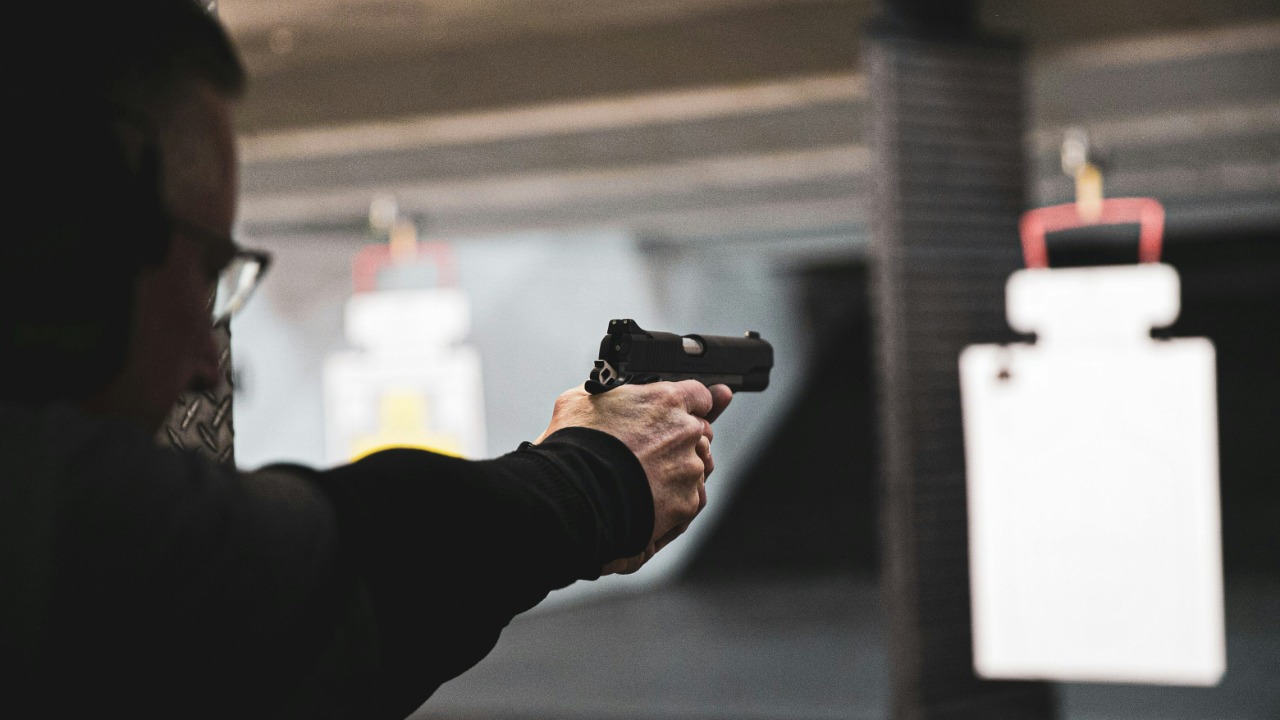
Once I started paying attention, I realized that not all triggers are trying to do the same job in the same way. A single stage trigger gives me one continuous pull from rest to break, which can feel wonderfully simple on a range day and terrifyingly hair-trigger when adrenaline is high. A two stage trigger, by contrast, gives me a light first movement, then a distinct wall before the final press, so my brain gets a clear “you are about to fire” signal instead of a surprise party, a distinction that shows up clearly in explanations of two stage triggers.
That wall is not just a mechanical feature, it is a psychological speed bump. Under stress, when my fine motor skills are on vacation, a very light single stage can lead to unintentional shots because I have less tactile warning that I am at the edge. With a two stage setup, I can take up the slack as I decide whether to fire, then commit with a short, deliberate press if the situation demands it.
Reset, rhythm, and shooting faster without getting dumber
Speed is where trigger feel graduates from “nice to have” to “this is my entire personality now.” When the reset is short and clearly defined, I can build a rhythm where each shot flows into the next with minimal wasted motion, like a metronome that happens to throw brass. Training pieces on short reset emphasize that this reduced travel lets me prep the next shot while the gun is cycling, which means my finger is ready before my sights have even fully settled back on target.
The catch is that chasing reset can become its own bad habit. If I fixate on feeling or hearing that click more than watching my sights, I end up timing my shots to the trigger instead of to what the gun is actually doing. That is why good instructors stress a correct reset that happens as the gun returns from recoil, not a theatrical “click hunting” routine, a point hammered home in explanations of proper trigger reset. When I get it right, the trigger’s feel supports my decision making instead of hijacking it, letting me shoot faster without turning my brain into a passenger.
When trigger mods help, and when they are a terrible idea
At some point, every handgun owner looks at their trigger and thinks, “It is not me, it is you.” Aftermarket parts promise lighter pulls, shorter resets, and smoother breaks, and some of them deliver exactly that. A well designed drop-in group can change the trigger shoe shape to improve finger placement and leverage, reduce slack, and make the break more predictable, which can translate directly into better control and less movement at the moment of ignition, as seen in detailed reviews of trigger upgrades and breakdowns of Aftermarket components.
For a carry gun, though, I treat trigger mods like home dentistry: technically possible, rarely wise without a professional. Lightening the pull too much can make negligent discharges more likely under stress, and poorly installed parts can cause malfunctions or unreliable resets, which is not the kind of surprise I want in a defensive encounter. Safety focused guidance on whether you should modify your carry gun consistently warns that any change must preserve reliability and safe operation, and that a competent gunsmith is not optional if I am altering the system that literally controls when the gun fires.
Training your finger, not just your hardware
The most humbling part of chasing better trigger feel is realizing that my own technique can sabotage even the nicest setup. If I slap the trigger, crush the grip with my whole hand, or anticipate recoil, I can turn a beautifully tuned pistol into a shotgun pattern at seven yards. That is why so many experienced shooters tell new handgun owners that the best “trigger job” is usually dry fire, thousands of repetitions of a smooth press and clean reset, advice that shows up again and again.
Good training also includes understanding how malfunctions feel through the trigger. A dead trigger, a mushy press with no break, or an unexpected reset can all signal problems like failures to fire or cycle, which are covered in basic guides to common malfunctions. When I know what “normal” feels like on my gun, any deviation stands out immediately, and I can clear the issue instead of standing there confused, wiggling the trigger like a broken TV remote.
In the end, trigger feel changes everything in a handgun because it quietly governs how my brain, my finger, and the mechanical reality of the firearm negotiate each shot. A predictable wall, a clean break, and a consistent reset give me the confidence to press instead of yank, to shoot faster without losing control, and to recognize when something is wrong before it becomes dangerous. The hardware matters, but the real magic happens when my technique and the gun’s design finally agree on what a good trigger press is supposed to feel like.