
After a lethal series of U.S. strikes on suspected drug smuggling boats in the eastern Pacific, the most haunting images were not of explosions but of people in the water. For several days, U.S. crews scoured a vast stretch of ocean for survivors who had abandoned the targeted vessels. When the U.S. Coast Guard ultimately halted that effort, the decision raised urgent questions about how long the United States will search for those caught between counter-narcotics firepower and unforgiving seas.
The choice to suspend the mission was not a quiet bureaucratic step, but a calculated judgment shaped by search metrics, survival science, and the limits of what even a well-equipped rescue force can do in open water. Understanding why the search ended helps explain how the United States is trying to balance aggressive strikes against alleged narco-terrorist networks with long-standing obligations to save lives at sea, even when those lives belong to suspected criminals.
How the strikes turned into a rescue mission
The operation began as a show of force, not a rescue. U.S. Southern Command ordered lethal strikes on suspected narco-terrorist vessels in the eastern Pacific, targeting what officials described as drug smuggling boats operating far from land. The attacks destroyed multiple craft and, according to early assessments, killed at least 115 people linked to the smuggling networks. In the chaos that followed, some of those on board reportedly jumped into the water to escape the explosions and fires, transforming a counter-narcotics mission into an urgent search-and-rescue effort.
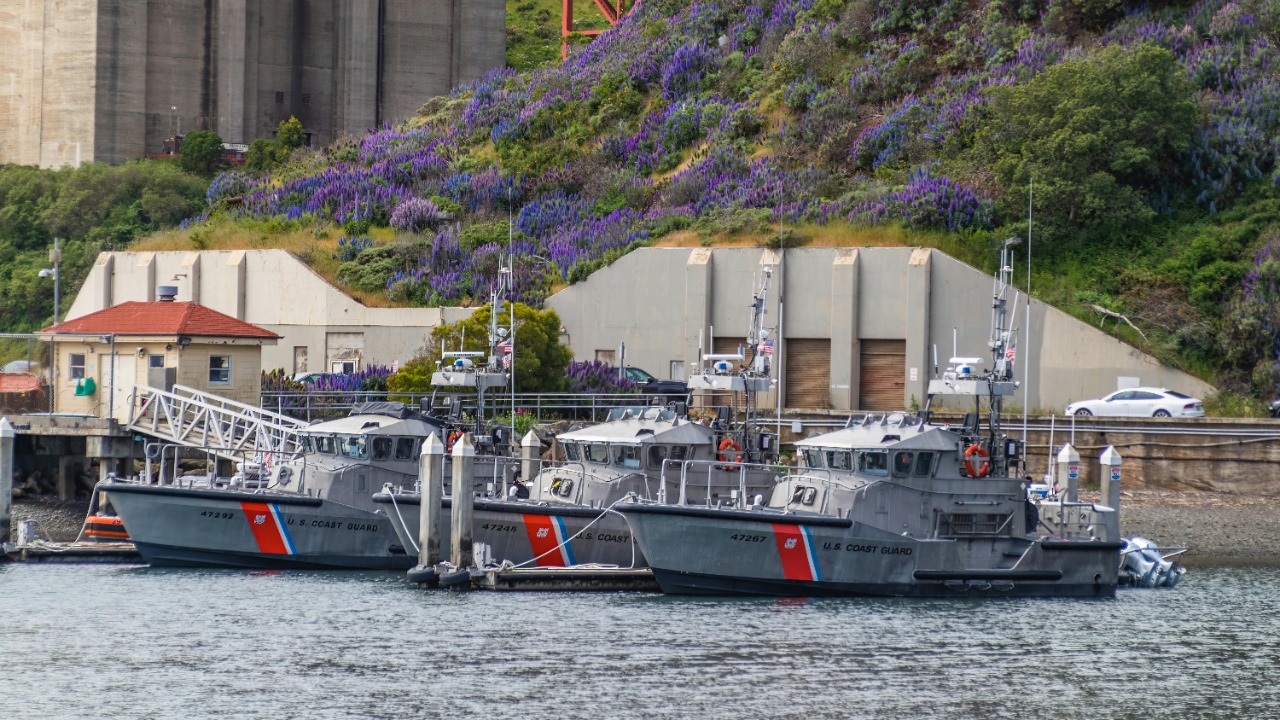
Once it became clear that people had abandoned the stricken vessels, the U.S. Coast Guard moved from a supporting role to a central one. The service coordinated with other U.S. assets and nearby ships to look for survivors in the eastern Pacific, a region where distances are measured in hundreds of nautical miles and weather can shift quickly. Officials described the targets as suspected drug boats and narco-terrorist vessels, language that underscored the security stakes but did not change the Coast Guard’s legal and moral obligation to attempt a rescue once people were in the water, a duty reflected in the subsequent search announcement.
The scale and limits of the search effort

From the outset, the search was both intense and constrained by geography. The Coast Guard reported that it coordinated more than 65 hours of search efforts over an area roughly 400 nautical miles from shore, a distance that complicated everything from fuel planning to medical evacuation. Another official summary put the search area at more than 1,090 nautical miles, a reminder that crews were not combing a tight grid but a sprawling patch of ocean where currents and wind could scatter debris and people in unpredictable directions.
To cover that expanse, the Coast Guard relied on both aircraft and surface vessels. A C-130 aircrew flew repeated patterns over the eastern Pacific, using altitude and speed to scan wide swaths of water for any sign of life or wreckage. At sea level, cutters and other ships maneuvered through the search box, guided by coordinates and drift models that tried to predict where anyone who had gone overboard might have been carried. According to operational accounts, the C-130 and participating vessels worked in concert, with aircrews vectoring ships toward possible targets and surface teams ready to pull survivors from the water if any were found.
Why the Coast Guard decided to suspend the mission
Despite the intensity of the effort, the search produced no confirmed rescues, and the signs that typically keep a mission going never materialized. Coast Guard leaders pointed to an “exhaustive search effort,” a lack of positive indications such as debris fields or life jackets, and the reality of declining probabilities of survival in open water as time passed. After more than 65 hours of coordinated searching, the calculus shifted from hope of rescue to the likelihood that anyone who had gone overboard during the strikes had already succumbed to exposure, drowning, or injuries.
That shift is captured in the language officials used when they announced the decision. A senior officer described how “Suspending a search is never easy and given the exhaustive search effort, lack of positive indications and declining probabilities of survival, the decision was made to suspend the active search.” The phrasing, reported in official statements, reflects a standard Coast Guard framework that weighs how long a person can realistically survive in given sea conditions against the resources already committed and the absence of new leads. Once those factors cross a certain threshold, the service typically moves from active searching to a suspended status, while still remaining ready to respond if new information emerges.
The legal and ethical tension at sea
Behind the operational language sits a deeper tension. The people who jumped into the water were described as alleged drug smugglers and narco-terrorists, individuals the United States had just targeted with lethal force. Yet maritime law and long-standing Coast Guard practice treat anyone in distress at sea as a person to be rescued, regardless of their suspected crimes. That duality was evident in the way officials spoke about the mission, emphasizing both the security rationale for the strikes and the humanitarian imperative that followed once the boats were disabled and people were in the water.
The Coast Guard’s response illustrates how those obligations play out in practice. Even as U.S. Southern Command framed the operation as part of a broader campaign against drug trafficking networks, the service devoted aircraft, cutters, and coordination time to searching for survivors who, if found alive, would likely have faced prosecution. The decision to suspend the search after exhaustive efforts did not erase that initial commitment. Instead, it marked the point at which commanders judged that continued searching would no longer meaningfully improve the chances of saving lives, a conclusion consistent with the survival models and search metrics described in post-mission reporting.
What the decision signals for future Pacific operations
The suspension of the search also offers a preview of how future U.S. operations in the Pacific may unfold. As the United States leans more heavily on long-range strikes against maritime targets tied to drug trafficking, the likelihood of people ending up in the water far from land will only increase. That reality means the Coast Guard will remain central to any such campaign, not only as a law enforcement partner but as the primary agency responsible for search and rescue in vast stretches of the Pacific where few other assets are routinely present.
In practical terms, the recent mission underscores the need for clear protocols that link lethal operations to immediate rescue planning. The rapid deployment of a C-130 aircrew and coordinated surface searches showed that those mechanisms already exist, but the decision to halt the effort after more than 65 hours and over 1,090 nautical miles of searching highlights the hard limits of what can be done once a strike has scattered people into open ocean. As described in official updates and operational summaries, the Coast Guard’s choice to end active searching did not signal indifference, but rather the point at which science, experience, and finite resources converged on a grim conclusion: in this case, there was nothing more that additional hours in the air or at sea were likely to change.