
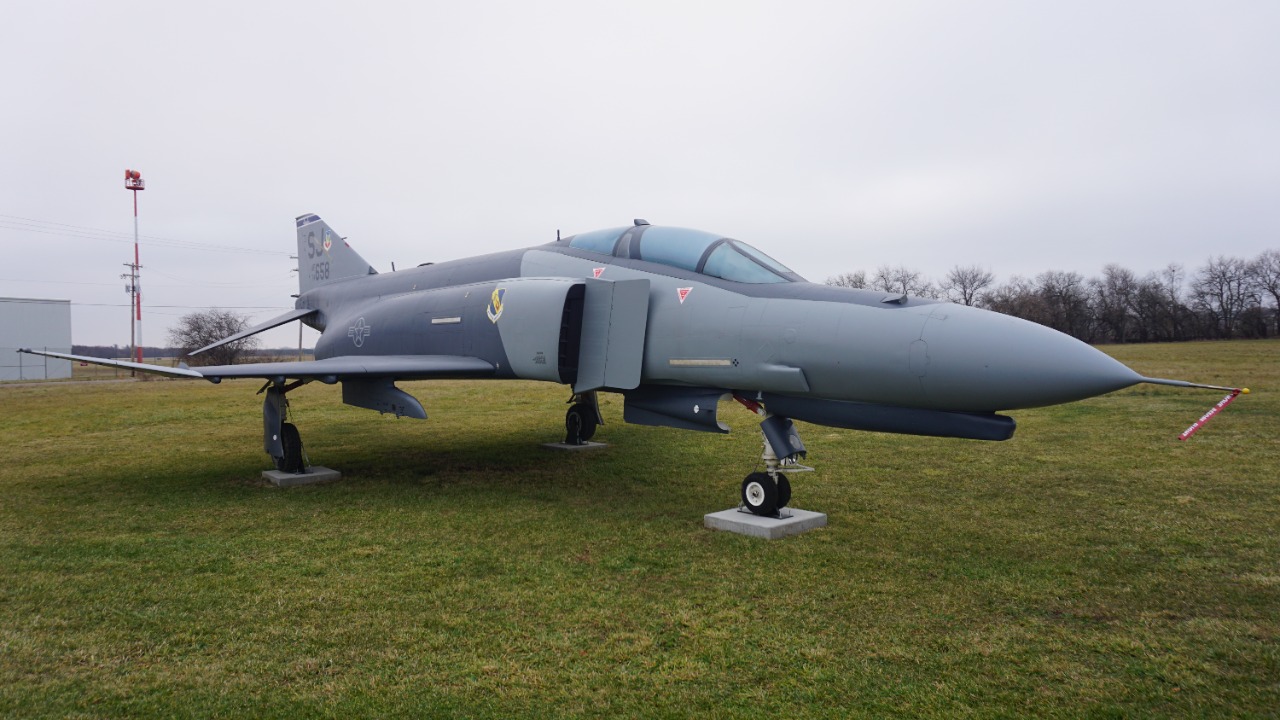
The McDonnell Douglas F-4 Phantom II is old enough to qualify for a senior discount, yet air forces and flight schools still treat it like a visiting professor of aerial violence. Long after sleeker jets took over front-line duties, the Phantom keeps showing up in syllabi, simulators and war colleges as the aircraft that turned messy Vietnam lessons into modern air combat doctrine. Its legacy is not nostalgia, it is a hard-earned playbook on what to do, what never to do again and why the basics still matter even when the cockpit looks like a gaming PC.
From its bruising early dogfights to its later career hunting surface-to-air missiles, the Phantom became a flying case study in how technology, training and tactics either work together or get pilots killed. The jet’s story still shapes how instructors teach maneuvering, teamwork and mission design, and it quietly underpins how newer fighters, from air superiority specialists to multirole workhorses, are built and flown today.
From wunderjet to wake‑up call
On paper, the Phantom arrived as a miracle machine, a tandem two-seat, twin-engine, all-weather, long-range supersonic jet interceptor that could also haul a serious bomb load. It was conceived for naval fleet defense, then adapted as an Air Force fighter-bomber, the kind of flexible airframe that could be produced fast, supported by a shared parts pipeline and tailored to each service’s doctrine. That promise of One jet to do almost everything looked irresistible, and the design set the mold for the modern multirole tactical aircraft that followed.
Reality, as usual, was less polite. The Air Force and Navy had spent the late 1950s obsessed with nuclear delivery and long-range interception, so the Phantom went to war in Southeast Asia optimized to shoot down Sovi bombers at distance, not knife-fight nimble MiGs over jungle. It carried sophisticated Missiles and radar for BVR engagements, but early versions lacked an internal gun and were saddled with weapons like the AIM-4D Falcon that were poorly suited to close-in maneuvering. The result was a painful drop in air-to-air kill ratios, a vivid example of Technological Disadvantages Against the North Vietnamese No gun and a design that was clearly Designed as a Cold War interceptor rather than a dogfighter.
Vietnam’s harsh syllabus in basic airmanship
Vietnam turned the Phantom into a flying red pen, underlining every bad assumption about missiles making dogfighting obsolete. Pilots discovered that even with advanced radar and BVR weapons, they still had to merge, visually identify targets and fight within visual range against smaller opponents that could out-turn them. Learning from the past is key in military strategy, and Take the Vietnam War as the moment when aircrews realized that sleek technology could not replace core competence in basic skills like energy management, situational awareness and close-in weapons employment.
The Phantom’s own flight characteristics forced those lessons home. In the F-4, once a pilot went over 19 units angle of attack, roll control largely disappeared and the jet would lose energy and airspeed quickly, a nasty surprise for anyone who tried to yank it around like a lightweight fighter. This gave the MiGs an advantage in tight dogfights, offset only by the Phantom’s ability to outrun and outclimb them if the crew managed their energy wisely. Training films from the era describe the Phantom as a versatile tactical fighter that could act as fighter-bomber, interceptor or air superiority platform, but they also hammer home that success depended on disciplined tactics, not just raw thrust.
Two seats, one brain: crew coordination as a combat skill
If the Phantom punished sloppy stick-and-rudder work, it absolutely exposed weak teamwork. Getting F-4s to fly and fight required a pilot up front and a radar intercept officer or weapon system officer behind, and the mastery of the Phantom was a truly dual achievement. Without a pilot, the Phantom was strictly no-go, but Without a skilled back-seater managing radar, sensors and weapons, the jet was largely just another piece of aerial transportation, not a precision fighter.
The WSO was responsible for operating the aircraft’s powerful radar, tracking enemy aircraft and guiding weapons like the AIM-7 Sparrow and AIM-9 Sidewinder, which meant the crew had to function as one mind under pressure. Modern instructors still use that model when they talk about mutual support and communication, the idea that Nevertheless, the very basic principles of aerial combat remain virtually unchanged even as cockpits fill with screens. Whether the call sign is Sting or something less glamorous than 111, the expectation is the same: clear calls, shared mental picture, and no one in the formation flying their own private war.
Design quirks that still shape tactics
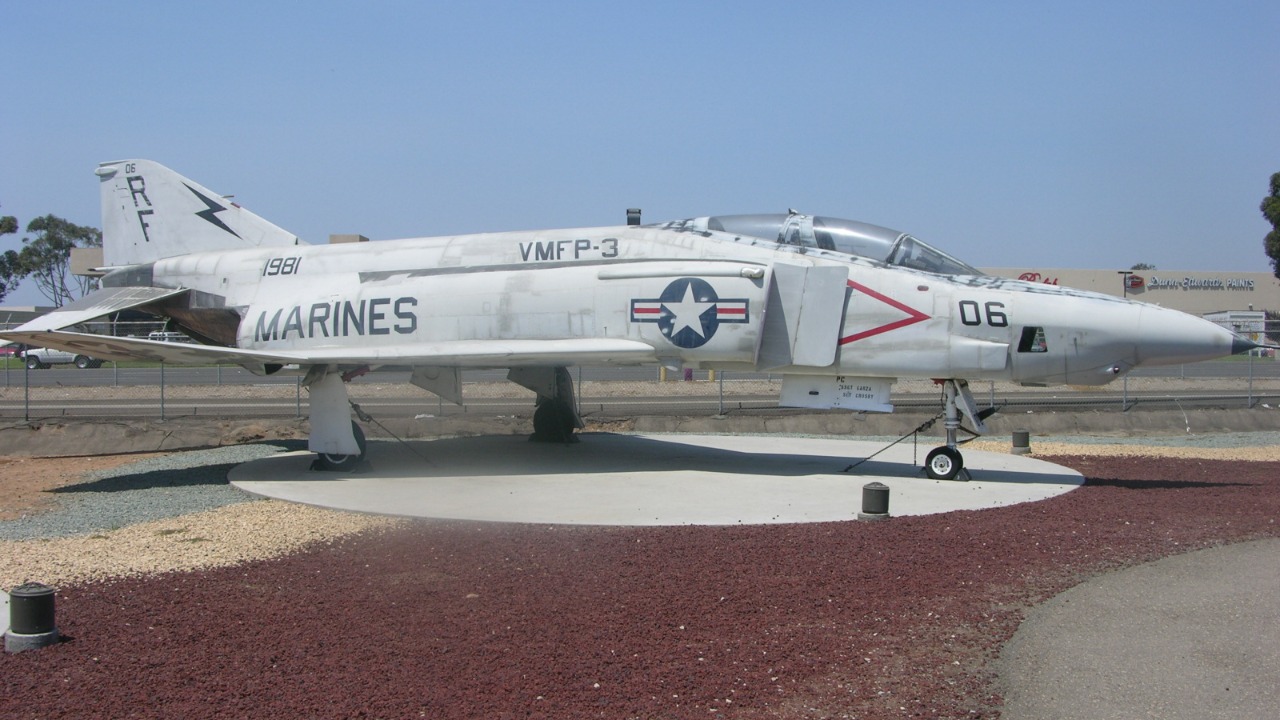
The Phantom’s odd silhouette, with its drooping tailplanes and anhedral wings, was not a stylistic choice, it was the product of 5,300 hours of wind tunnel tests that revealed serious stability issues at high speed. Engineers solved those problems with aerodynamic tweaks and powered controls that could move surfaces faster than a pilot could manually, but the price was a jet that demanded respect at the edge of the envelope. Instructors still point to those quirks when they explain why pilots must understand how their aircraft bleeds energy, departs controlled flight or masks its own sensors in high-angle maneuvers.
Those same design compromises also turned the Phantom into a template for later fighters. The F-4 set the mold for the modern multi-role tactical aircraft in terms of performance, payload, range and utility, and it showed that a single airframe could credibly handle air superiority, escort, strike, reconnaissance and complex strike missions Over Southeast Asia. Even today, many modern aircraft are inspired by the Phantom II, and the Mcdonnell Douglas lineage runs straight into later designs that refined the balance between agility, sensors and survivability. The Phantom’s limitations in close-in maneuvering, and the way it would lose energy and airspeed if mishandled, still inform how pilots are taught to fight in heavier multirole jets that will never turn like a pure dogfighter but can dominate if flown to their strengths.
From Wild Weasel to red air: the Phantom as teacher’s pet
After Vietnam, the Phantom reinvented itself as a specialist in missions that demanded brains as much as bravery. The Phantom was used for reconnaissance and Wild Weasel Suppression of Enemy Air Defenses missions in the Gulf War, stalking radar sites that could swat down less prepared crews. Earlier, the F-105D/F variants had been the first aircraft converted to a two-seat Wild Weasel configuration, and The Wild Weasel concept of baiting enemy air defenses and then killing them became a core Phantom job, protecting F-4 fighter-bombers on strike missions. That evolution turned the jet into a case study in how to adapt an existing platform to new threats instead of waiting for a perfect replacement.
The Phantom also found a second life as a professional sparring partner. Adversary training units learned that to prepare for a first encounter with a real enemy, aviators needed surrogate opponents that approximated threat aircraft capabilities, and the Phantom’s size, speed and radar profile made it a useful stand-in. Squadrons tasked with evaluating enemy tactics discovered that Originally conceived as a naval fleet air defense aircraft, then adapted as an Air Force fighter-bomber, the F-4 could still lose energy and airspeed in the wrong hands, which made it ideal for teaching students what happens when they misjudge a merge. In modern simulators like DCS, instructors such as Spud lean into that same personality, using the Phantom to show new virtual pilots how unforgiving a heavy, powerful jet can be when flown without discipline.
Why its lessons outlive its airframe
The Phantom’s enduring value is not that it still flies combat sorties, it is that it turned a generation of painful mistakes into doctrine that now feels obvious. Air forces learned the hard way that BVR promises do not erase the need for visual identification, that no gun can be a fatal design choice and that a jet Designed for a specific Cold War scenario might struggle in a very different fight. They also learned that one airframe that could be produced fast and tailored to each service’s doctrine was attractive, but only if training and tactics kept pace with the hardware.
Modern tactics manuals quietly echo those insights. They stress that Nevertheless, the very basic principles of aerial combat remain virtually unchanged, even as mutual support, sensors and data links grow more sophisticated. They remind crews that Learning from the past is key, that Take the Vietnam War is not just a history lesson but a warning about overconfidence in technology. And they keep sending students back to the Phantom, in classrooms, cockpits and simulators, because this aging American icon still does what it has always done best: punish bad habits, reward disciplined flying and prove that in air combat, the fundamentals never really retire.