
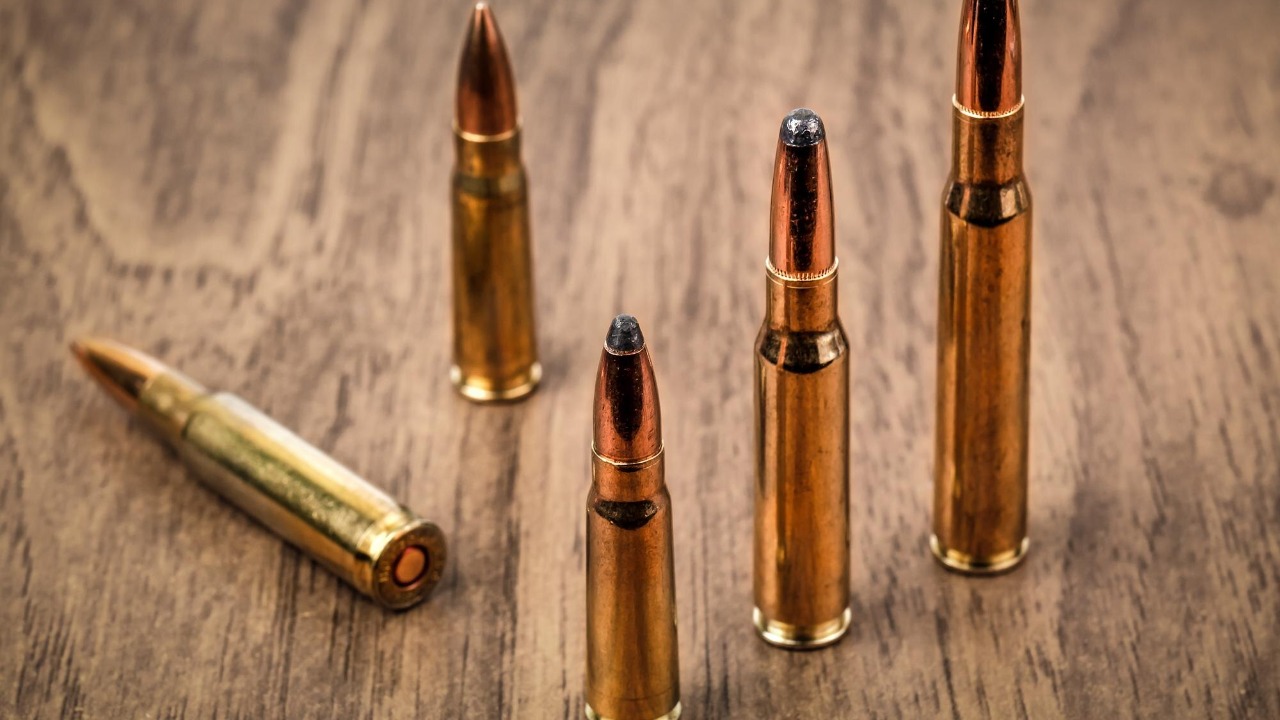
Some cartridges keep selling not because they are especially good at anything, but because they have a great story and a loud fan club. The gun world is full of calibers that live on legend, nostalgia, and internet bravado long after ballistics charts have quietly moved on. I want to look at how that happens, why some rounds still punch above their weight in the public imagination, and where the data politely taps those myths on the shoulder.
Reputation, recoil and the myth of “more power”
I have lost count of how many times I have heard a hunter praise a favorite caliber with the same tone usually reserved for classic muscle cars, then quietly admit it kicks like a mule and drops more deer on paper than in the field. When you spend enough time around rifles and big-game hunters, you start to notice a pattern: some calibers earn reputations for thunderous power, yet in practice they are known more for noise, recoil, and disappointment than for clean results. Reporting on rifle performance has pointed out that certain rounds are bought mostly because they sound exciting on paper, not because they consistently deliver humane kills in real hunts, which is a polite way of saying marketing is doing more work than physics.
The same dynamic shows up with handguns, where “stopping power” is treated like a mystical property instead of a mix of shot placement, penetration, and bullet design. A medical review of real shootings, summarized under the title The Association of Firearm Caliber With Likel, found that larger calibers do increase the likelihood that a wound is fatal, but not in the superhero way internet arguments suggest. The numbers were similar to earlier research and showed that while caliber matters, it does not magically fix poor marksmanship or bad decisions. In other words, a cartridge can be loud, punishing, and famous, yet still underperform if the shooter cannot control it, which is exactly how some rounds end up coasting on reputation instead of results.
When tiny calibers get grandfathered in
On the other end of the spectrum, some small calibers survive not because they are fearsome, but because they are friendly. I have watched new shooters fall in love with .22 LR the way kids fall for their first bike: it is approachable, cheap, and forgiving when you make mistakes. One guide for new gun owners notes that 22 LR is widely known as the best caliber for beginners, thanks to low recoil, affordability, and suitability for target practice and youth shooters. That kind of early positive experience builds loyalty, and loyalty has a way of turning into myth: the humble plinking round becomes “all you really need” in the hands of someone who has never had to push it beyond its comfort zone.
Even slightly larger pocket calibers can ride this wave of familiarity. In one self-defense roundup, a writer describes carrying .380 ACP in a tiny P3AT and choosing a specific load, the Hornady 90-grain FTX Critical Defense, to squeeze as much performance as possible out of the small cartridge. The exact phrasing, 380, 90-grain, is a reminder that modern bullet design can make a modest round more capable, but it does not change the basic physics of a light, slow projectile. These cartridges endure because they are easy to shoot and easy to carry, and because generations of owners have told their friends, “It works for me,” which is technically true and also not the same thing as “It is the best tool for every job.”
Self-defense calibers: data versus bravado
When the conversation turns to self-defense, reputations get even louder. I have heard people dismiss 9 mm as “too small” in one breath and then admit they carry it every day in the next, which is a pretty good sign that myth and reality are not on speaking terms. Ballistics experts point out that the 9 mm Luger loaded with a modern hollow point offers a strong balance of power, penetration, capacity, and concealability, making it one of the best all-around choices for personal defense. That is not a romantic story, it is a practical one, and it undercuts the idea that you need a hand cannon to be safe.
Medical research adds another layer of cold water to the caliber chest-thumping. The same analysis that produced The Association of Firearm Caliber With Likel shows that while larger handgun calibers are associated with a higher chance of a fatal outcome, the difference is not infinite, and it is dwarfed by factors like where the bullet actually goes. That means a controllable round like 9 mm Luger, paired with good training and reliable hollow points, can outperform a bigger, harder-kicking caliber that the shooter flinches with. Yet the legend of “bigger is always better” survives, partly because it is simple, and partly because no one wants to admit they bought an overpowered pistol that mostly lives in the safe.
How beginners get steered by myths

New shooters walk into this mythology like tourists stepping into a bar fight. They ask a simple question about what caliber to buy, and suddenly they are refereeing a decades-long argument between people who have already made up their minds. Practical guides try to cut through the noise by explaining that Caliber, measured in inches or millimeters, affects the size, power, and purpose of a handgun, and that smaller calibers are easier to control while larger ones are chosen for their stopping power. That kind of explanation, laid out in a straightforward Caliber overview, is not as dramatic as a campfire story about a one-shot stop, but it is far more useful.
Still, the myths have a way of sneaking back in. A beginner who hears that 22 LR is ideal for learning may also hear an uncle insist that anything less than a large-bore magnum is “pointless.” The same person might read that 22 LR is widely known as a top choice for new shooters and then watch a video where someone like Chris talks about the seven best guns for SHTF or Wol, leaning heavily on rugged image and worst-case scenarios. The result is a kind of cognitive whiplash: one set of voices says “start small and learn,” another says “prepare for the end of the world,” and very few stop to explain that the best caliber is the one you can actually hit with under stress. In that confusion, certain calibers keep selling simply because they are loud in the culture, not because they are the best fit for the person holding the gun.
Backcountry legends and the romance of overkill
If there is any environment where caliber myths go feral, it is the backcountry. I have listened to campfire debates where people describe their bear-defense rifles as if they are auditioning for an action movie, complete with dramatic hand gestures and sound effects. When Ruger bought Marlin, for example, many shooters hoped that classic lever guns would return to prominence, and that is exactly what happened as new models hit the market and rekindled interest in traditional big-bore woods rifles. In lists of backcountry defense guns, those lever actions show up as reassuringly old-school answers to modern problems, even when more moderate calibers and platforms might be easier to shoot well under pressure.
The romance of overkill is not limited to rifles. Some handgun carriers insist on heavy revolver calibers for wilderness defense, even though the recoil and limited capacity make them difficult to run quickly. Guides that catalog When Ruger and Marlin combinations or other big-iron setups often acknowledge that these guns are not for everyone, but the legend of the “bear stopper” persists. It is a powerful story: one gun, one shot, one charging animal stopped in its tracks. The less cinematic reality is that shot placement, follow-up shots, and the ability to actually carry the gun all day matter more than the caliber stamped on the barrel, yet the myth keeps certain cartridges in circulation long after more balanced options have proven themselves.
Why some calibers outlive their performance
Underneath all of this is a simple truth I have seen repeated across hunting camps, ranges, and online forums: people fall in love with stories, not spreadsheets. A caliber that sounds impressive, has a colorful history, or is tied to a beloved gun model can survive decades of underwhelming real-world performance. Reports on rifle rounds that are known for noise, recoil, and disappointment show how a cartridge can be bought mostly because it looks good in marketing copy, even if it leaves animals wounded or shooters bruised. At the same time, medical research like The Association of Firearm Caliber With Likel quietly reminds us that the gap between calibers is real but not magical, and that training and judgment do more work than caliber choice once bullets start flying.
Some cartridges, like 22 LR or .380 ACP loaded with something like the Hornady 90-grain FTX Critical Defense, endure because they are easy to live with and have been part of people’s lives for generations. Others, from overbore magnums to thundering backcountry rounds, hang on because they promise drama and decisiveness in a world that feels uncertain. Guides that highlight the balance of 9 mm Luger for self-defense, or that patiently explain how Caliber affects recoil and purpose, are trying to nudge shooters toward evidence instead of legend. Yet as long as campfires, gun counters, and comment sections exist, some calibers will keep coasting on reputation alone, loudly defended by people who love them, even when the data quietly suggests there might be better choices.