
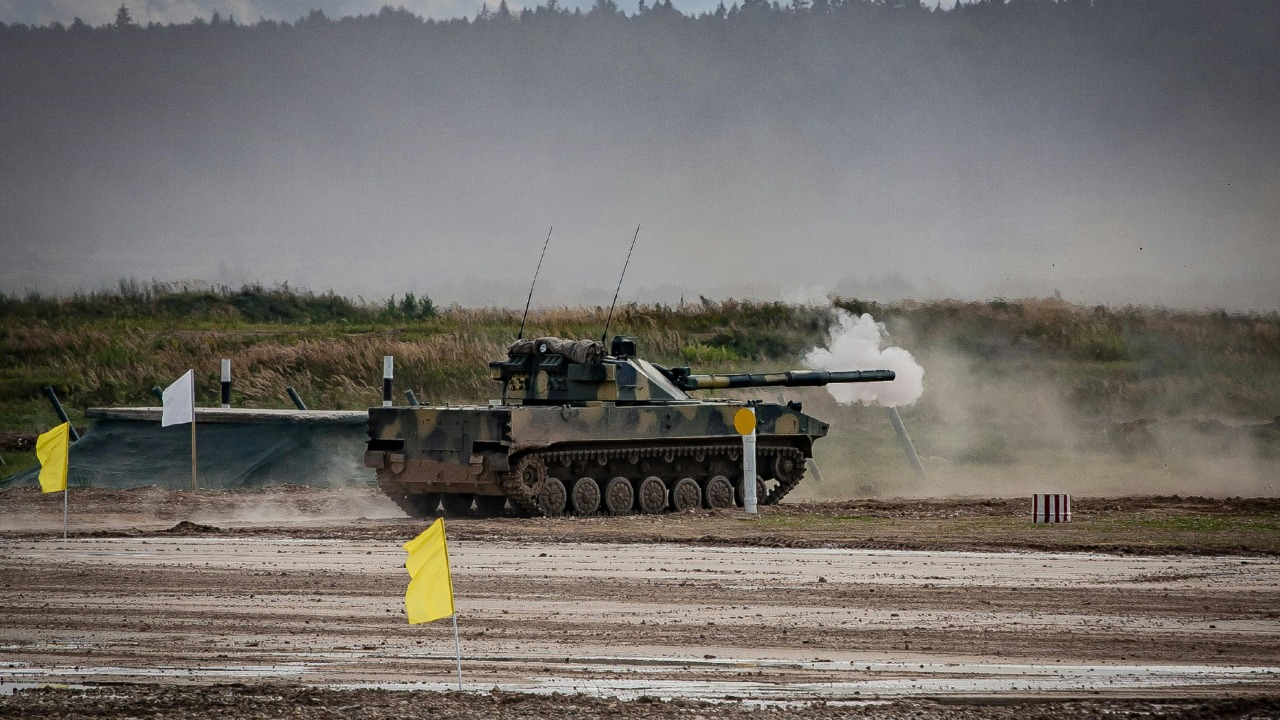
Modern battlefields are crowded with drones, algorithms and enough sensors to make a Silicon Valley product manager weep with envy, yet the ghosts of retired weapons still shape what gets built next. Designers keep raiding the museum shelf, not because they want to fight the last war, but because old hardware quietly solved problems that new hardware keeps rediscovering in more expensive packaging. The result is a strange feedback loop where yesterday’s guns and gadgets, even when they are no longer practical to field, still whisper design advice into tomorrow’s blueprints.
That influence is not about dragging a World War II tank back into combat, it is about mining the logic behind why that tank looked, fired and broke the way it did. Even when experts argue that the number of truly viable World War II systems today is “approximately zero,” their performance, failures and improvisations still shape how engineers think about survivability, logistics and cost. The hardware may be retired, but the design arguments it started are very much still on active duty.
Old weapons as cautionary tales, not comeback tours
When military historians and practitioners are asked which World War II weapons could still be rolled out today, the sober answer is that the usable list rounds to nothing. One analyst, writing under the name Meltaburn, put it bluntly that the number of viable World War II systems is “approximately zero,” a verdict that covers both weapons and major equipment. That is not because the classics suddenly became bad at their jobs, it is because the jobs themselves have changed, from the ranges at which forces engage to the sensors that spot them and the logistics chains that keep them running.
Yet those same obsolete systems still sit in the mental toolkit of designers as bright red warning labels. The fact that a World War II era tank or aircraft would be shredded in a modern fight is exactly why its armor layout, fuel storage and crew ergonomics are studied so closely. Engineers look at how those vehicles failed under stress, then reverse engineer the failure into a design requirement for the next generation. The verdict that almost no World War II hardware is directly usable today, echoed in debates that conclude the viable number is “approximately zero,” becomes less a dismissal and more a design constraint: if a new system behaves like an old one under modern conditions, it is probably a bad idea. In that sense, retired weapons are not comeback candidates, they are the control group in a never ending experiment about what not to repeat.
Design DNA that refuses to retire
Even when the original hardware is hopelessly outclassed, its underlying design logic often survives, quietly reincarnated in new forms. The basic idea of a belt fed machine gun that can sustain fire over long periods, for example, has not gone anywhere, even if the exact World War II models are now museum pieces. Debates about whether any of those older guns could still be fielded usually concede that while the specific weapons are outdated, the concept of a crew served weapon providing suppressive fire remains central, a point that surfaces in arguments about medium and heavy machine gun roles. The metal has changed, the optics have improved and the mounts now talk to digital fire control, but the design DNA is unmistakable.
The same pattern shows up in less glamorous corners of the arsenal. Logistics gear, field radios and even the humble entrenching tool all carry forward lessons from earlier conflicts, even if nobody is dragging a 1940s radio set into a modern command post. Analysts who argue that the number of truly viable World War II systems is effectively zero still acknowledge that the way those systems were used, maintained and broken down in the field informs current choices. When planners decide how rugged a new radio needs to be or how quickly a vehicle should be repairable under fire, they are quietly arguing with the ghosts of older designs that failed those tests. The hardware is retired, but the design arguments it started are still getting promoted.
Why “approximately zero” still matters to engineers
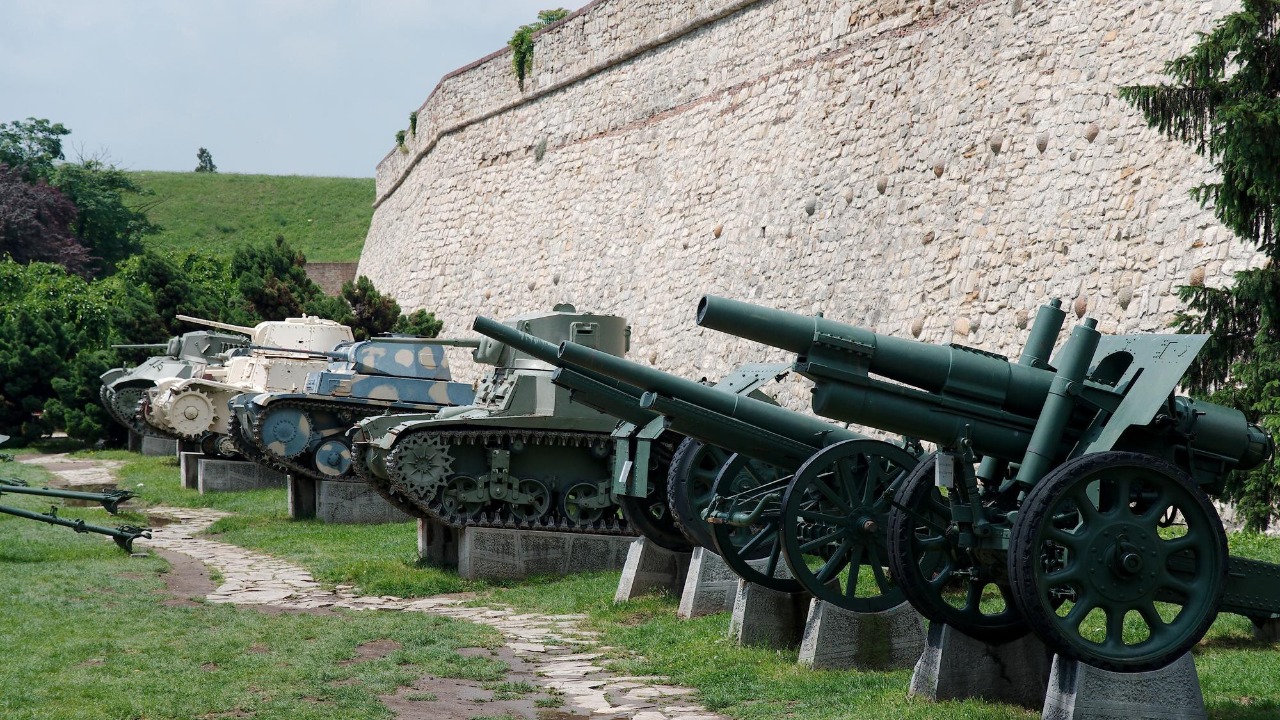
At first glance, the claim that the number of World War II era weapons still viable today is “approximately zero” sounds like a conversation ender. In practice, it is a starting gun for engineers who treat that verdict as a challenge to explain exactly why each system fell off the list. When Meltaburn and others point out that both weapons and equipment from that era are essentially unusable in modern combat, they are not just being dismissive, they are cataloging the ways in which technology, doctrine and threat environments have shifted, as seen in the detailed breakdowns of World War II equipment limits. Every reason something no longer works becomes a design parameter for what must change in the next iteration.
This is where the influence of retired weapons gets oddly powerful. If a tank failed because its armor could not handle shaped charges, that failure becomes a data point for modern armor composites. If a field gun was too heavy to move quickly enough, its logistical drag becomes a cautionary tale for current artillery designers. The conclusion that the viable number of World War II systems is effectively zero is less about nostalgia and more about benchmarking. Engineers treat that “approximately zero” as a floor they are determined never to hit again, using the shortcomings of old gear as a checklist of sins not to repeat. In a profession that learns best from mistakes, retired weapons are the most brutally honest teachers in the room.
Myth, nostalgia and the reality check of modern firepower
Popular culture loves the idea that some rugged World War II relic is still secretly the perfect tool for modern war, a kind of steel bodied superhero waiting for its third act. The people who actually study or plan wars are far less sentimental. When they walk through a museum, they see not just iconic silhouettes but also ballistic vulnerabilities, maintenance nightmares and ergonomics that would get laughed out of a modern design review.
Yet the myths have their own kind of influence. Because older weapons are so familiar in movies and games, soldiers and even some officers arrive with strong opinions about what “should” work, based more on pop culture than physics. Designers and trainers then have to spend time explaining why a beloved classic would be a liability under modern surveillance and precision strike conditions. The hard line that the viable number of World War II era systems is essentially zero becomes a useful reality check, a way to puncture nostalgia with data. In doing so, it forces everyone involved to focus less on the romance of old steel and more on the unglamorous details of survivability, logistics and integration with digital networks, the very areas where retired weapons quietly continue to shape expectations.
From museum glass to CAD screen
Walk through any serious military museum and the layout looks suspiciously like a design studio mood board. Engineers and officers study the curves of old armor, the placement of hatches and the thickness of gun barrels not because they want to resurrect them, but because each choice encodes a trade off that still matters.
That library feeds directly into the computer aided design tools that shape new platforms. A designer sketching a next generation vehicle might borrow the low profile of an old tank, then adjust it for modern sensors and armor materials. A weapons engineer might look at how a classic machine gun balanced rate of fire, barrel life and weight, then plug those trade offs into a new, digitally controlled mount. The fact that the original hardware would not last five minutes on a contemporary battlefield does not make its design story irrelevant. If anything, the consensus that the viable number of World War II systems is effectively zero gives designers the freedom to be ruthless, to strip old ideas for parts without the temptation to bolt the whole thing back together. Retired weapons may never fire another shot in anger, but their fingerprints are all over the blueprints of whatever comes next.