
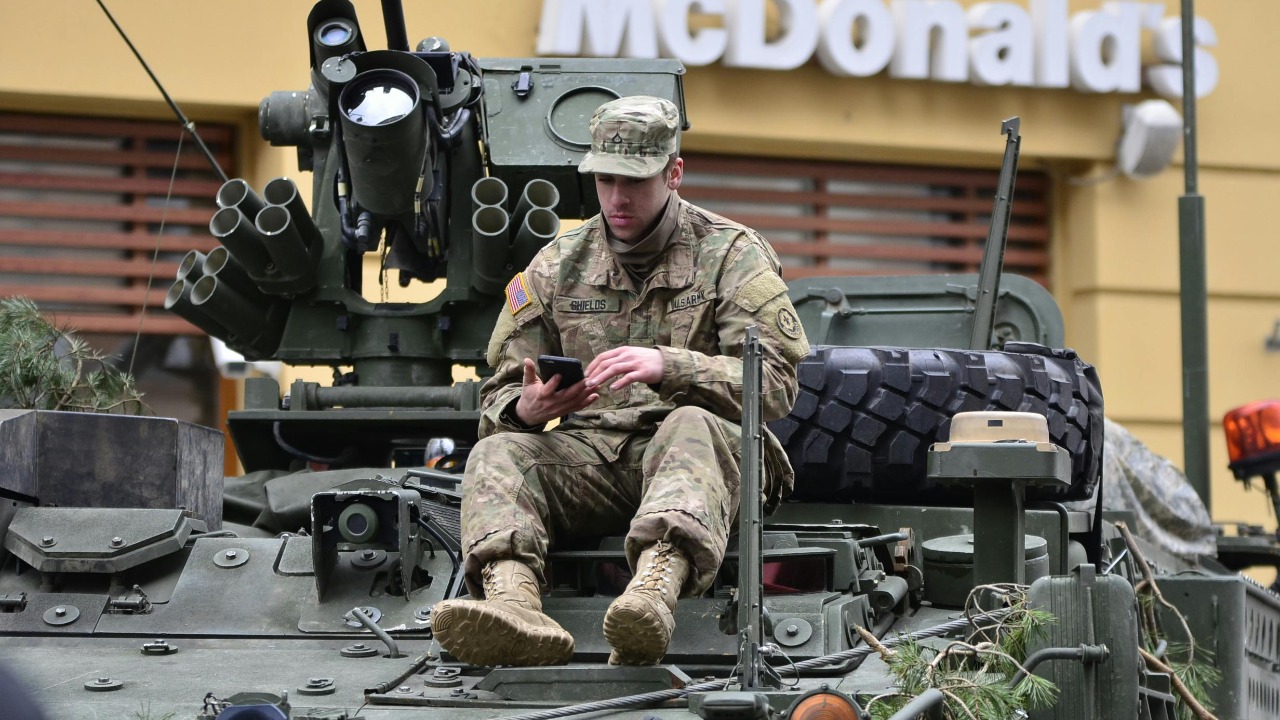
On real battlefields, the gear that quietly works every single time usually beats the shiny prototype that promises to change warfare forever but needs a software patch before lunch. Militaries keep rediscovering the same lesson: in combat, the most advanced system in the world is useless if it crashes, jams, or needs a PhD and perfect weather to turn on. Reliability is not the boring alternative to innovation, it is the thing that keeps people alive when everything else is going wrong.
That is why forces still pour money into old airframes, “obsolete” radios, and batteries that look suspiciously like the ones in a 1990s camcorder. The pattern shows up from nuclear command networks to small drones and electronic warfare kits, where the most dazzling technology often introduces new vulnerabilities, training burdens, and failure modes that the enemy is only too happy to exploit.
Why the military’s fanciest tech often lags behind your phone
Anyone who has tried to update a battlefield laptop knows a slightly awkward truth: the average infantry soldier’s personal smartphone is usually more modern than the rugged tablet issued by the quartermaster. Engineers who work with both worlds point out that, for electronics and computers, the gap often runs in the “wrong” direction, with consumer devices racing ahead while military hardware stays frozen on older, proven designs that can survive heat, dust, and neglect over years of deployment.
This is not because generals secretly hate progress and love beige plastic. It is because every new chip, sensor, or operating system is another thing that must be hardened, certified, and then supported for decades in the field, often by conscripts who would rather be anywhere else. Weapon systems and military vehicles are required to meet the strictest standards of production and operational quality, including functioning in extreme weather conditions and under complex operational requirements, which is why designers obsess over ruggedized Weapon systems and batteries instead of chasing the latest consumer gadget trend. In practice, that means the military often chooses “old but immortal” over “new and exciting,” because the former can be thrown into a muddy truck, forgotten for six months, and still work when someone finally flips the switch.
Cold War hardware, new tricks: why old jets keep getting new brains
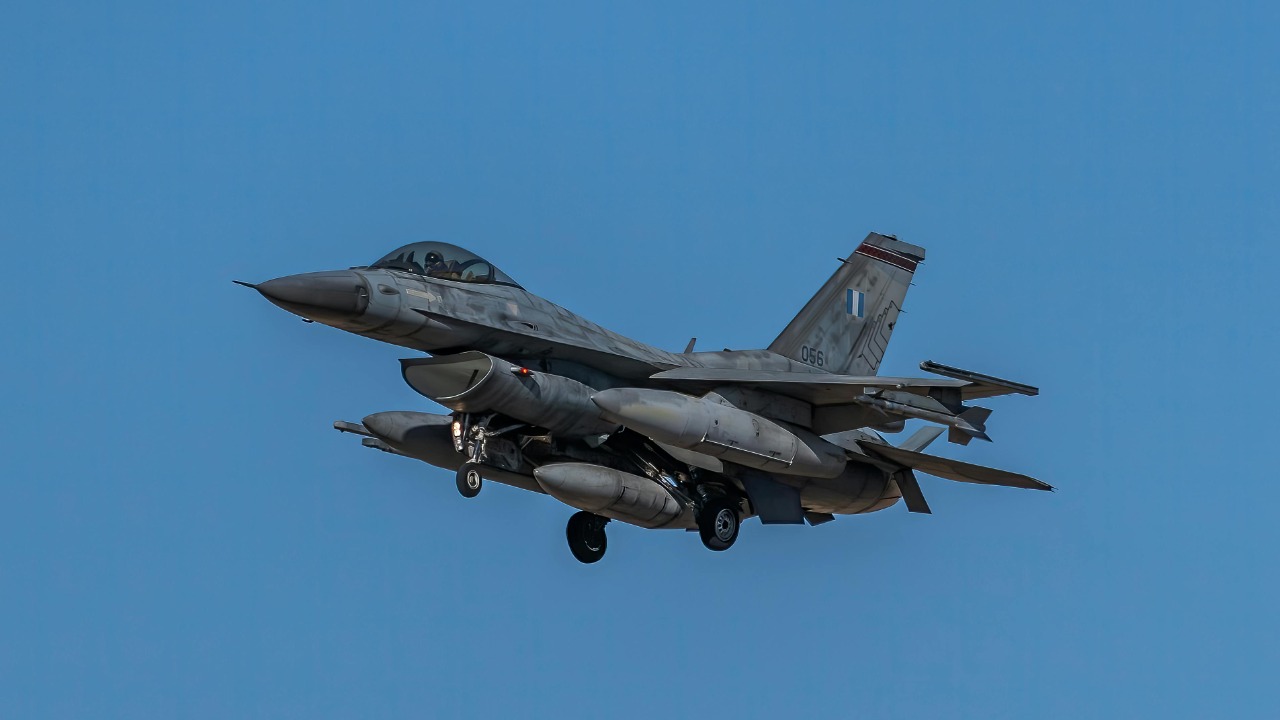
Nothing captures the reliability obsession quite like the United States quietly upgrading a fighter jet that first flew when rotary phones were still a thing. While much of the world’s attention is fixated on sleek stealth fighters and futuristic sixth generation prototypes, the United States is still pouring money into a roughly half-century-old airframe because it simply works. A recent explainer on why Washington is upgrading a 50 year old jet noted that, while everyone loves a prototype, the proven platform already has logistics, training pipelines, and a track record of surviving combat, which makes it a safer bet to modernize with new sensors and weapons rather than start from scratch, as highlighted in a video that referenced research methods around a prototype.
The F-15 is the poster child for this logic. One analysis pointed out that the F-15 airframe is almost 50 years old and is in need of an avionics upgrade to stay current with near peer threats, which is why the United States is investing in the Eagle Passive Active Warning Survivability System, or EPAWSS, to give the venerable jet an intelligent electronic warfare suite instead of retiring it outright, as described in a breakdown that noted the airframe is “almost 50 years old” and still central to the fleet, with “50” used as the key metric on However. The result is a kind of technological mullet: business in the back with a classic airframe, party in the front with cutting edge electronic warfare, giving pilots a familiar, reliable machine that now sees and jams like something straight out of a science fiction script.
When “too advanced” becomes a liability
There is a darker side to chasing the latest gadget, and it shows up most starkly in nuclear and high-end command systems, where failure is not just embarrassing but existential. Analysts of emerging technologies warn that new tools are reshaping not only conventional forces but also nuclear command, control, and communications, or NC3, and that these software-heavy, networked systems bring new vulnerabilities that did not exist when everything ran on analog switches and thick copper cables, as one study of deterrence and emerging tech noted in its discussion of how modern tools affect NC3 systems. During the Cold War, designers often stuck with older, simpler electronics precisely because the reliability simply was not there in newer components, and if you needed to launch a few hundred thermonuclear warheads halfway across the planet, you did not want your guidance computer to behave like a crashing web browser, a point underscored in a history of high reliability, or Hi-Rel, programs that described how “The reliability simply wasn’t there” for some newer tech at the time on Mar.
The same pattern repeats in more mundane but still lethal corners of the force. A detailed look at automation and unmanned systems argued that, while the promise of automation is exciting, the lessons from the Predator drone program show that cutting edge systems are not automatically cheaper or easier than humans, because they demand huge investments in time, training, and experience to operate and maintain, as one analysis of whether cutting edge tech is really cheaper than manpower put it in a section titled “Implications for the” and “While the” that drew on the Predator case. Another review of advanced ISR sensors warned that the modern system is perishable, unlike what some technology advocates imply, because it requires constant training and can quickly become ineffective if operators are not rigorously prepared, a reminder that the more complex the tool, the more fragile the human-machine team can become if the training pipeline slips, as highlighted in a discussion of how advanced ISR is “perishable” and dependent on a rigorous training regimen in It.
Complex systems, simple plans: the human factor that never goes away
Even the most dazzling hardware still has to fit inside the messy reality of human decision making, which is why militaries keep rediscovering the value of simple, robust concepts of operation. One analysis of planning doctrine put it bluntly: Simplicity is broadly acknowledged as a fundamental component of successful military operations, because it maximises subordinate understanding and minimises the chance that friction will turn a clever plan into a smoking crater, a point made in a discussion of “Simplicity” in planning and execution on Simplicity. That logic applies just as much to technology: a system that is slightly less capable but dramatically easier to use will often outperform a more advanced rival that requires a 300-page manual and a help desk.
Modern electronic warfare illustrates the point with a slightly evil grin. The market for these systems is projected to grow significantly, but analysts note that the specialized training and expertise required to operate and maintain complex electronic warfare suites can be a deterrent to adoption, because forces must commit to ongoing training to use the technology effectively, as one market assessment put it in a section that began with “Moreover” and stressed the burden of ongoing training. In the cat-and-mouse game of electronic warfare and electromagnetic spectrum operations, where adversaries constantly try to deny or degrade each other’s systems, the United States Army has even started pushing “reprogrammers at the edge” so that units can quickly update their gear in the field, a move that acknowledges both the power and the brittleness of software-defined tools, as described in a report that opened with “In the cat-and-mouse game of electronic warfare” and detailed efforts to reprogram systems at the edge.
AI, drones, and the temptation to over-automate war
Artificial intelligence and small drones are the latest contestants in the eternal talent show of “things that will revolutionize warfare,” but even their strongest advocates quietly admit that reliability and human judgment still do most of the heavy lifting. A study of AI in military decision making noted that AI today remains narrowly exceptional, able to outperform humans in very specific tasks such as analyzing large data sets, but still dependent on humans to define the problem, interpret the output, and update the code when the environment changes, a reminder that the machine is not a general-purpose genius but a very fast specialist that can break in surprising ways, as one analysis of AI and war put it in a discussion of how “AI today remains narrowly exceptional” on The Singleton Paradox. Another look at the “mind-tech nexus” argued that the best way to integrate technology is to put cutting edge systems directly into fighting formations, but it also stressed that this works only when humans are trained to understand and trust the tools, a point made in a discussion that began with “Thus” and “Thi” in a book on Human, Machine, War.
Small uncrewed aircraft systems, or sUAS, show how clever but fragile these tools can be. One study of their use in infiltration described a “second logic” of using uncertainty and dilemmas to impede an effective response by the adversary, essentially turning cheap drones into tactical puzzles that overload a human decision maker in war, a tactic that works best when the systems are simple, expendable, and easy to operate, as outlined in a section that referenced “Tactical” dilemmas in Cunning tools. At the same time, analysts of future work in warfare caution that technology is a massive contributing factor and might replace soldiers in some frontline roles, but there will still be a need for people to manage, protect, and repair these assets on and off the battlefield, a reminder that the human maintenance tail grows longer as the tech gets fancier, as argued in a piece that opened with “Technology – is a massive contributing factor” on Technology.
Old-school power: doctrine, backups, and the quiet MVPs
Underneath the gadgets, the real backbone of combat power is still doctrine, logistics, and the unglamorous systems that have been quietly battle tested for decades. A study of military innovation warned that destroying traditional capabilities is risky because they are often battle-tested methods of generating military power, and that ripping them out in favor of unproven concepts can leave forces weaker if the new systems fail or cannot be scaled, a point made in an analysis that opened with “Destroying traditional capabilities is risky” and described how old investments form a crucial “infrastructure” for power projection on Destroying. Another essay on technology and the nature of war noted that military forces throughout history have pursued new tools for the edge they seem to promise, but that these tools only become decisive combat multipliers when they are integrated into sound doctrine and supported by resilient organizations, as argued in a discussion that began with “Military forces throughout history” on Jan.
That is why commanders still love backups that look almost insultingly low tech. One online discussion about futuristic trajectories joked that it is hard to get technology so reliable that a low-tech backup is not a good idea, capturing the instinct to pair advanced systems with simpler fallbacks that can take over when the fancy gear has a bad day, as one commenter put it in a thread that began with “Maybe. The United States Army’s own digital transformation strategy quietly nods to this mindset, insisting that any new technology must be proven, well understood, and field tested to work in a variety of conditions before it is widely adopted, a sober requirement captured in a line that “An Updated Army It must be proven” and that stresses the need for tech that works in the real world, not just in slide decks, on An Updated Army It. In other words, the true minimum viable product in war is not the flashiest prototype, it is the thing that still functions after being dropped, jammed, hacked, and forgotten in the back of a Humvee, which is why reliability keeps quietly winning the fight.