
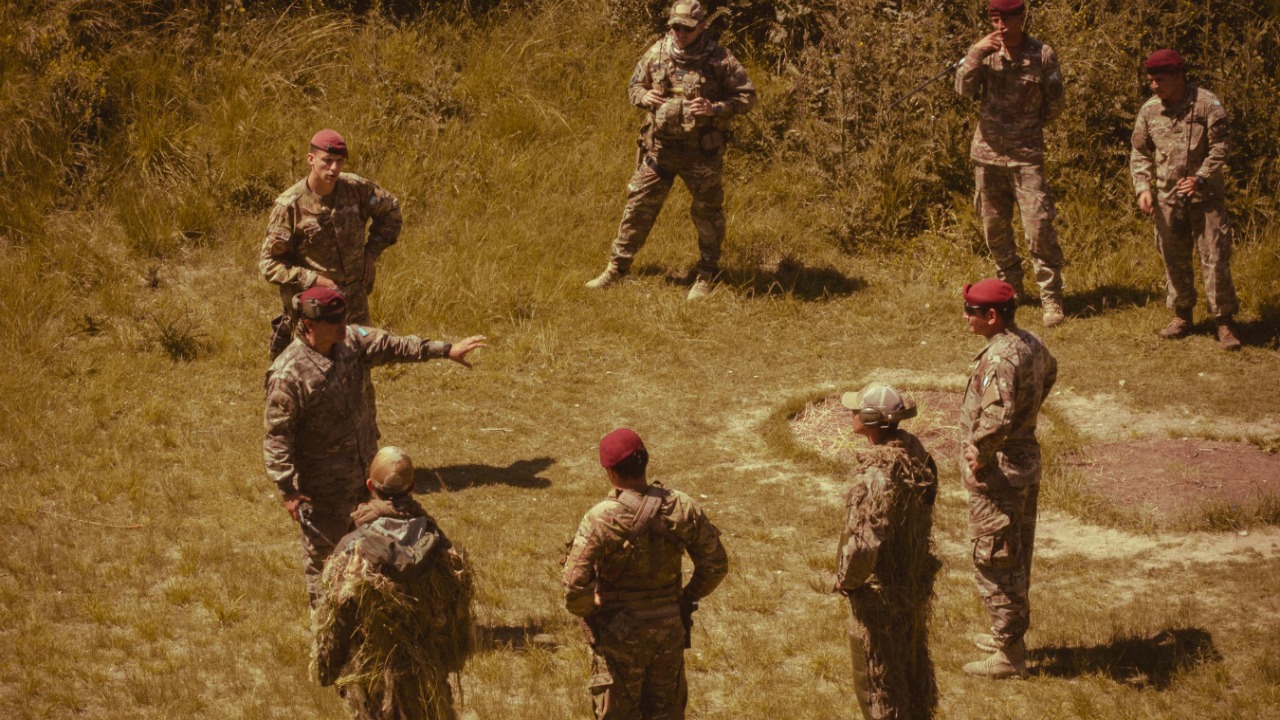
Modern militaries look like they are hoarding hardware the way some people hoard old phone chargers, but there is a method to the madness. Instead of tossing aging tanks, ships, and aircraft, defense planners keep refitting them with fresh software, sensors, and missions, turning yesterday’s platforms into today’s problem solvers. The result is a force that leans on familiar metal while quietly wiring in new brains, a strategy that trades showroom shine for staying power.
Capability, capacity, and the brittle middle
At the heart of the love affair with old platforms is a simple budgetary heartbreak: there is never enough money to buy all the shiny new toys and still field a large force. Modern defense spending often favors exquisite capability over raw numbers, which leaves militaries with a smaller but more sophisticated arsenal that can become surprisingly fragile when stretched across global commitments. Analysts have warned that this bias has produced a “brittle” force, where the ratio of high-end capability to overall capacity, captured in figures like 1.11 to 1 in one recent budget request, signals how tight the margin has become for sustaining daily presence and crisis response.
When the numbers look like that, retiring older gear on schedule starts to feel less like prudent modernization and more like self-sabotage. Keeping proven platforms in service, even if they are no longer cutting edge, helps plug the gap between what strategy demands and what the procurement spreadsheet can afford. Instead of betting everything on a small fleet of exquisite systems, commanders lean on legacy aircraft, ships, and vehicles to maintain routine patrols and deterrence while the premium assets are held back for the hardest fights. That mix of old and new is less glamorous than a clean-sheet force, but it is one of the few ways to keep capability and capacity from drifting even further apart.
When “good enough” beats “brand new”
There is also a stubborn operational truth that keeps old hardware around: if something still works, militaries are in no rush to bin it. Frontline units tend to be ruthlessly practical, and they know that replacing a reliable heavy machine gun or armored vehicle with a marginally better version can be a bad trade if the cost is huge and the performance gain is modest. As one discussion of long-serving weapons put it, Often the basic system still “gets the job done,” so there is little appetite to swap it for a boutique upgrade whose extra price tag is not proportional to the added value. Theres a reason the same HMG design can sit on vehicles for generations while the radios and optics around it change every few years.
This pragmatism extends to entire fleets. The A-10 is a classic example of a platform that refuses to retire on schedule, not because it is fashionable, but because it still delivers close air support in a way ground forces trust. Plans to replace it with the Lockheed Martin F-35 have run into developmental issues and fiscal pressure, which only reinforces the instinct to keep flying the older jet while the new one matures. Though the F-35 promises a leap in stealth and sensors, commanders know that an aircraft already integrated into tactics, training, and logistics has a value that is hard to capture on a spec sheet. In practice, the “good enough” platform that is fully understood often beats the “brand new” one that is still working through teething problems.
Old steel, new software
If the metal stays the same, the code most certainly does not. Militaries have discovered that the fastest way to give an aging ship or aircraft a midlife crisis in a good way is to treat it as a software platform. Instead of ripping out hulls and airframes, they bolt on new sensors, radios, and computing power, then let Software take the lead in defining what the system can actually do. Advocates of Software Defined Warfare argue that digital upgrades are now the primary driver of battlefield lethality, turning static platforms into flexible nodes that can be retasked with a software patch rather than a shipyard overhaul.
This approach mirrors civilian “legacy system” strategies, where Incremental modernization is often the safest way to keep critical infrastructure running while adding new features. By using modular architectures and lightweight integration layers, engineers can swap out individual components without destabilizing the whole system. In the naval world, that logic is pushing toward software defined warships that can host new combat systems and data links over time instead of being locked into whatever electronics were installed at launch. The hull might be old, but the digital nervous system can be refreshed repeatedly, which is far cheaper than building a new fleet every time a new radar or missile appears.
Threat informed, not platform obsessed
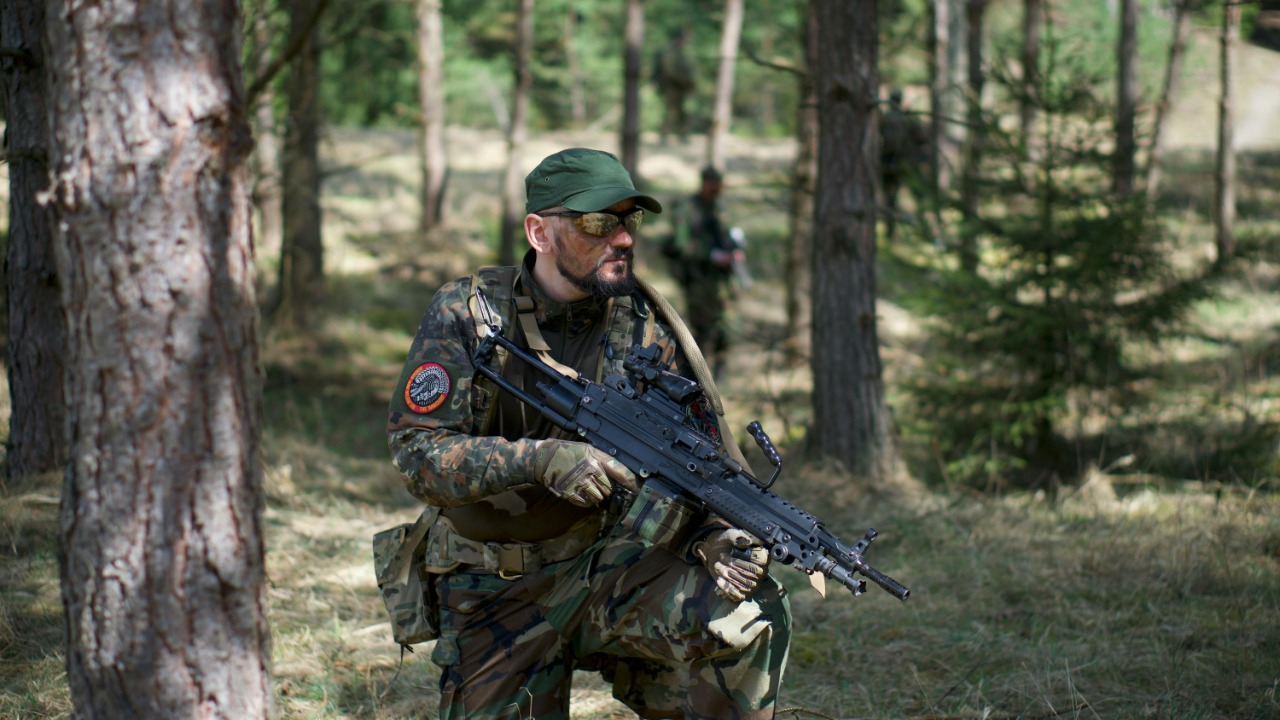
Behind the scenes, there is a quiet shift away from designing forces around specific platforms and toward shaping them around the threats they are meant to counter. Rather than asking what new tank or fighter to buy, planners are increasingly asking what combination of sensors, weapons, and networks can solve a particular operational problem, then figuring out which existing platforms can host those pieces. Analysts of future force design argue that New systems should be built with this flexibility in mind, so that operational and acquisition changes are driven by evolving threats instead of by the sunk costs of a particular vehicle or airframe.
This threat informed mindset also affects how old platforms are repurposed. A ship originally built for anti-submarine warfare might find itself hosting integrated air and missile defense (IAMD) capabilities once new sensors and interceptors are bolted on. Commentators on future IAMD concepts note that precision in matching interceptors to specific threats is essential to shifting the cost curve, which makes it attractive to reuse existing launchers and hulls while upgrading the brains that decide what to shoot and when. The steel is familiar, but the mission logic is new, and that is exactly the point.
Networks, not just hardware
Even the most lovingly upgraded legacy platform is only as useful as the network it plugs into, which is why militaries are pouring effort into communications and data sharing that can bridge generations of equipment. Building secure, trusted links among allies and partners is now treated as a strategic capability in its own right, especially for organizations like NATO that depend on federated mission networking. Analysts stress that Building trust among member nations is essential if intelligence and targeting data are to flow efficiently, and that means designing systems that let both new and old platforms share information without exposing everyone to unnecessary cyber risk.
That networking push has a hard edge. Modern operations rely on resilient communications that can survive jamming, physical attack, and network intrusion, which is why planners emphasize Resilient and Air Gapped Infrastructure in Military environments. At the same time, there is a growing recognition that digital connectivity is a double edged sword. Studies of digitally enabled warfare point out that while networked systems offer powerful capabilities, they are also vulnerable to network attack, whereas older analog hardware, precisely because it lacks connectivity, is generally more resilient. The result is a curious pairing on the battlefield: sleek, software heavy platforms sharing the fight with stubbornly analog systems that act as a kind of insurance policy when the network goes dark.
Allies, spare parts, and the economics of “obsolete”
Keeping old platforms in service is not just a national habit, it is increasingly a multinational business model. When allies converge on similar designs, they can share maintenance burdens, spare parts, and even crews, which makes it cheaper and easier to keep older ships and aircraft relevant. The UK and Norway’s cooperation on the Type 26 frigate is a case in point, with Maintenance costs expected to fall thanks to shared technical standards and common spares. In effect, each navy gets a larger virtual fleet, because a ship from one country can be supported almost as if it were an extension of the other’s.
Under the hood, the same logic applies to the electronic components that keep legacy systems alive. Defense and aerospace operators often find that While new components may offer better efficiency or extra features, the financial reality makes continued use of so called obsolete parts the most cost effective option. Stockpiling and managing older IGBT and power components can be cheaper than redesigning entire subsystems around the latest chips, especially when certification and testing costs are factored in. It is the military equivalent of keeping a beloved 2010 Toyota running with carefully sourced parts instead of buying a brand new electric SUV just because the infotainment screen is prettier.
Living with obsolescence
None of this means militaries are blind to obsolescence. They simply have a different relationship with it than consumer tech buyers. Practitioners often shrug and note that You pretty much just kinda deal with it and move on, because a new product does not make the old one obsolete until it is actually replaced in the field. That attitude reflects the reality that doctrine, training, and logistics all move slower than the commercial innovation cycle. A platform that looks outdated on paper can still be central to real operations if crews know it inside out and the supply chain is tuned to support it.
At higher levels of capability, the focus shifts from individual platforms to the strategic components that tie everything together, such as command and control networks, strategic weapons systems, and strategic lift capability. Analysts of alliance dynamics note that as overall capability rises, these strategic elements become more important than the specific age of any one vehicle or ship. In that context, an old transport aircraft that reliably moves troops and equipment, or a legacy command post that still functions under stress, can be more valuable than a brand new gadget that has not yet proven itself in the messy reality of coalition operations.
Militaries, in other words, are less sentimental about platforms than they appear. They keep old gear not out of nostalgia, but because it is often the most reliable, affordable, and adaptable way to meet new missions. The paint may be faded, the design may date back to another era, and the user manual may still be in a filing cabinet, but as long as the hardware can host new software, plug into evolving networks, and deliver effects that matter, it earns its place on the modern battlefield.