

Navies keep trying to invent the warship of the future, then quietly end up sailing into combat on the same “old” destroyers they already had. The label may sound like a relic from the age of Battleships, but the ships wearing it are still doing the hardest work in modern fleets. The result is a strange reality in which legacy destroyers, not shiny prototypes, still set the terms of naval warfare.
The destroyer that ate the fleet
Modern destroyers have quietly swallowed the roles of half the surface fleet, which is why the class refuses to retire gracefully. What started as a torpedo-boat hunter now carries long range missiles, advanced air defense radars, and anti-submarine gear, so the “destroyer” name is mostly a historical souvenir. In practice, these ships escort carriers, defend whole task groups from air and missile attack, hunt submarines, and, when needed, lob land-attack missiles at targets ashore, a job that used to belong to cruisers and specialized strike platforms.
That mission creep is not an accident. Naval analysts point out that as destroyers grew in size and capability, they became the default surface combatant while other categories were treated as obsolescent or unneeded as gunnery and torpedoes faded and missiles took over. The same logic shows up in discussions of how the destroyer concept changed in the Interwar years, when designers were already pushing them bigger and more capable until treaty limits got in the way. Today, debates over whether modern destroyers are really just cruisers in disguise, complete with heavy anti-submarine warfare (ASW) duties and the ability to threaten a country on their own, underline how the label has become more about tradition than tonnage.
Why “old” destroyers keep getting new leases on life
If destroyers are doing everything, navies cannot afford to give them up just because the paint is no longer factory fresh. The United States is extending the service life of a dozen of its workhorses, planning for twelve destroyers to operate beyond 35 years instead of heading straight for the scrapyard. These are not museum pieces. The latest Flight III ships in the same family come with hangars for two SH-60B/F LAMPS helicopters and upgraded defenses against missile and drone attacks, so the older hulls are being kept around to bulk out numbers while the more advanced variants arrive.
The logic is brutally practical. Building new large warships is slow and expensive, and the industrial base is already strained. One major yard, General Dynamics’ Bath Iron Works, only builds destroyers, and even that capacity is not enough to keep up with demand for repairs and new construction. On top of that, the Arleigh Burke design is a known quantity, with predictable performance and logistics, which is exactly what planners want when they are spending a large chunk of their tax money on hulls that must survive combat. It is easier to keep upgrading a proven platform than to bet the fleet on a brand new class that might show up late, over budget, or both.
From Battleships to Burkes: how destroyers became the backbone
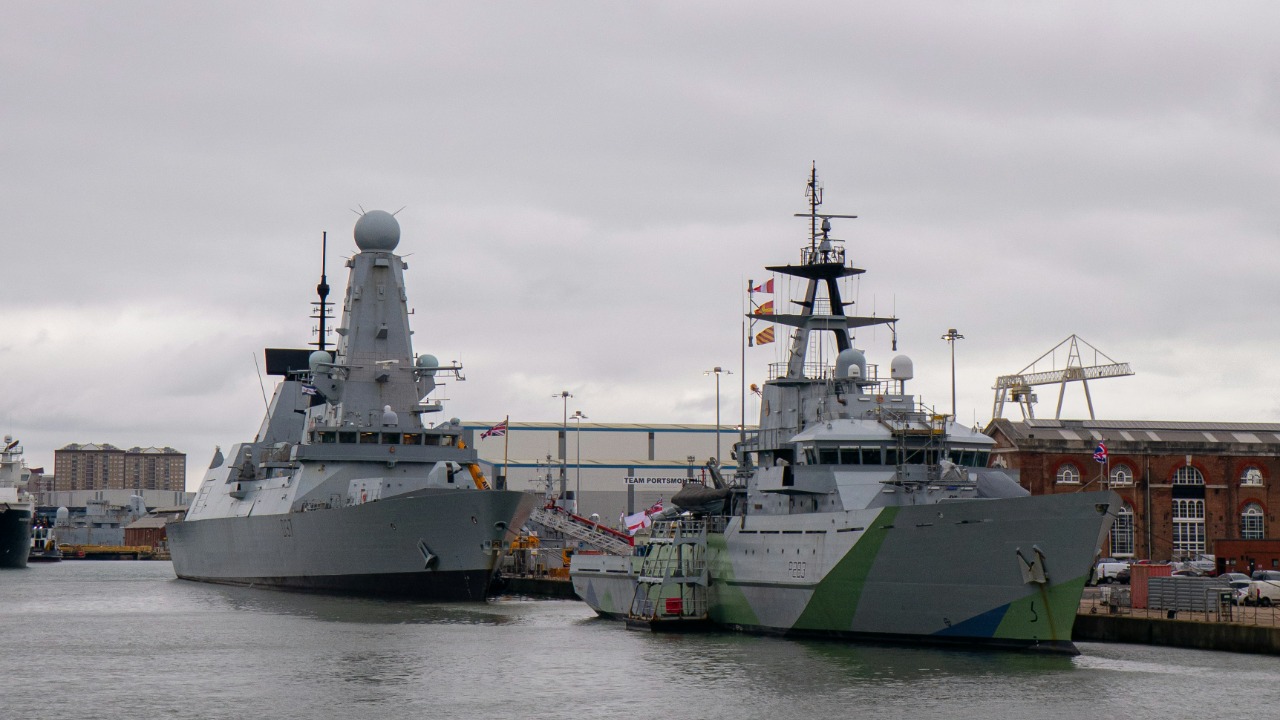
Once Battleships disappeared and aircraft carriers took over as the main symbols of naval power, destroyers quietly became the backbone that made those carriers survivable. Earlier in the twentieth century, Destroyers already proved they could do almost anything a major navy needed, from screening big ships to escorting convoys and attacking surface and submarine threats. They were not glamorous, but they were indispensable, and that versatility never went out of style.
As navies retired their heaviest surface combatants, the destroyer simply absorbed more responsibility. Video explainers on why navies scrapped their most powerful ships point out that cruisers were often too expensive to justify once missiles and sensors could be packed into smaller hulls. At the same time, modern analyses of why fleets still need destroyers stress that even in an era dominated by carriers and long range airpower, these ships remain the core of every major fleet. They are big enough to carry serious sensors and weapons, but still numerous enough to be risked in contested waters, which is a combination no other surface class has matched.
Legacy hulls, cutting edge guts
The secret to the destroyer’s longevity is that navies treat the hull like a durable smartphone case and the combat system like the app store. The outside may date back decades, but the electronics and weapons inside keep getting refreshed. The Arley Burke class guided missile destroyer USS Starret, for example, is described as one of the most heavily armed warships in the Unite States inventory, despite belonging to a design that first went to sea long ago. The same family’s Flight III variant is built around the Raytheon developed AN/SPY-6 radar system, often shortened to SPY-6, which is described as about 30 times more sensitive than the older sensors it replaces, a leap that turns a familiar silhouette into a far more lethal ship.
That pattern is not new. The Navy has already begun decommissioning some of its aging guided missile cruisers while building increasingly advanced versions of the destroyers that are as large as the old cruisers. In parallel, planners are laying the groundwork for a larger and more lethal next generation destroyer, noting that every time the Navy has changed the size and shape of its destroyers, it was in response to technology that demanded more power and space. In other words, the label stays the same, the hulls grow, and the electronics inside keep leaping ahead, which lets “legacy” ships punch far above the expectations set by their launch dates.
When “general purpose” becomes the default warship
Another reason legacy destroyers still dominate is that navies have drifted toward general purpose combatants instead of tightly specialized ships. Analysts observing modern corvettes and general purpose frigates note that this shift has driven almost every class up in displacement and capability, because the combatant needs to operate in a wide range of environments. Once every ship is expected to do a bit of everything, the destroyer, already large and flexible, becomes the natural template.
Online debates about why the destroyer class got bigger over time and then became the default in the modern era point out that as these ships grew, they simply took over roles from other categories that were seen as obsolete or redundant. The ASW mission, for instance, has long been a destroyer specialty, and discussions about whether modern destroyers are really cruisers in disguise still concede that they are the ones doing anti-submarine work while also carrying land attack and air defense weapons. In that environment, keeping older destroyers in service is less about nostalgia and more about preserving the only hulls that can credibly cover all those jobs at once.
The next generation is still a destroyer
Even the future, at least on paper, looks suspiciously like the present with a bigger power bill. The Navy’s early planning for a larger, more lethal next generation destroyer is driven by the need to host more powerful radars, bigger missile batteries, and energy hungry systems. Officials involved in that effort have noted that every previous jump in destroyer size and shape came in response to new technology and future combat capability power needs, and this round is no different. The label “destroyer” survives because it signals a multi-mission surface combatant, even as the ship itself grows closer in size to yesterday’s cruisers.
Meanwhile, the industrial and budget realities that keep legacy destroyers sailing are not going away. With yards like Bath Iron Works focused on destroyer construction and repair capacity already described as worrying, there is little appetite for a wholesale shift to an entirely new class that would require fresh tooling, training, and logistics. Instead, the fleet is likely to keep stretching the lives of existing hulls, upgrading their sensors and weapons, and sliding in new, larger destroyers at the top end. The names on the stern may change, but the basic pattern holds: the destroyer, old or new, remains the ship that quietly shapes how naval warfare is actually fought.