
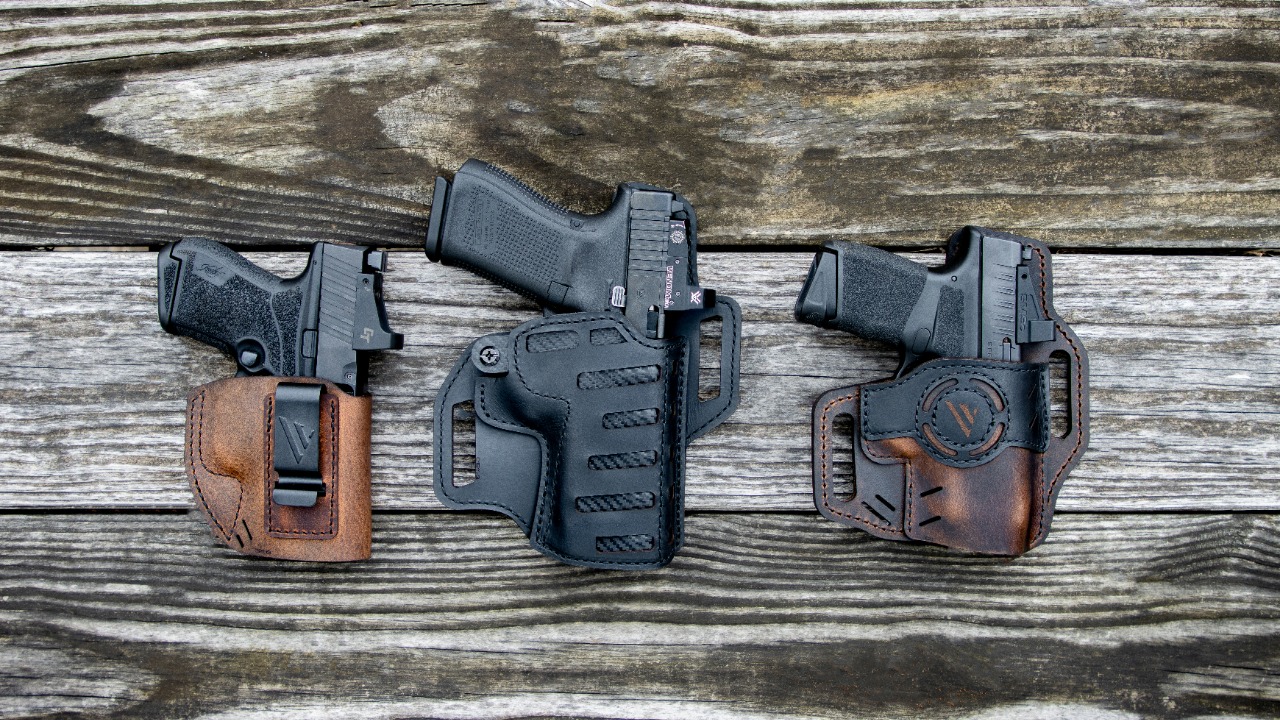
Micro-compact pistols promise big power in tiny packages, but experienced shooters increasingly treat them as specialized tools rather than default everyday carry choices. The smallest 9 mm handguns are easy to hide, yet their recoil, handling quirks, and reliability margins often demand more skill than many owners expect.
Seasoned carriers tend to favor slightly larger compacts that balance concealment with control, capacity, and durability, then reserve the trendiest pocket-size models for niche roles. Their caution is rooted less in fashion and more in hard lessons about shootability, training demands, and what actually works when stress is high.
Micro-compacts trade control for concealment
Veteran shooters usually start with a simple premise: a defensive handgun must be controllable first and compact second. Micro-compacts shrink grip length, slide mass, and sight radius, which concentrates recoil into a smaller contact patch in the hand and makes the gun more difficult to track between shots. Even advocates of ultra-small 9 mm pistols acknowledge that shooters cannot allow the gun to shift in their grip or let their wrists collapse during recoil if they want consistent performance, a standard that becomes harder to meet as the frame gets shorter and lighter, as detailed in guidance on ultra compact 9 mm handguns.
That same compactness also reduces the distance between front and rear sights, which experienced shooters know magnifies small aiming errors. Community discussions about how a compact pistol compares to a full-size model point out that shorter slides mean a shorter sight radius and that compact guns are often harder to grip well, a tradeoff that becomes even more pronounced in micro form factors. For shooters who prioritize fast, accurate follow-up shots under pressure, those geometry penalties are often too steep to accept as an everyday baseline.
“Snappy” recoil punishes imperfect technique
One of the most common complaints about micro-compacts is that they feel “snappy,” a shorthand for sharp, abrupt recoil that punishes any lapse in fundamentals. With less slide mass and a shorter recoil cycle, the gun completes its movement faster, which can feel more violent in the hand even if the overall energy is similar to a larger pistol. Instructional content on why these guns feel so aggressive underlines that shooters must lock their wrists and maintain a firm, consistent grip to keep the muzzle from jumping and the frame from shifting, or the pistol will feel far more difficult to manage than its caliber suggests, as highlighted in explanations of why micro-compacts are perceived as snappy.
Experienced carriers understand that this sensitivity to technique is not just a comfort issue, it is a performance and reliability concern. When the frame moves excessively in the hand or the shooter’s wrists act as a hinge, the slide can lose the resistance it needs to cycle correctly, which increases the risk of malfunctions. Training advice for ultra-compact 9 mm pistols stresses that shooters must prevent the handgun from shifting within their grip and must avoid letting their wrists break during recoil if they want to avoid reliability issues, a standard that is easier to meet with slightly larger guns that distribute recoil more forgivingly, as described in guidance on how to shoot ultra-compacts. For many seasoned users, that narrow margin for error is a compelling reason to step up one size class.
Shootability and training demands favor larger carry guns
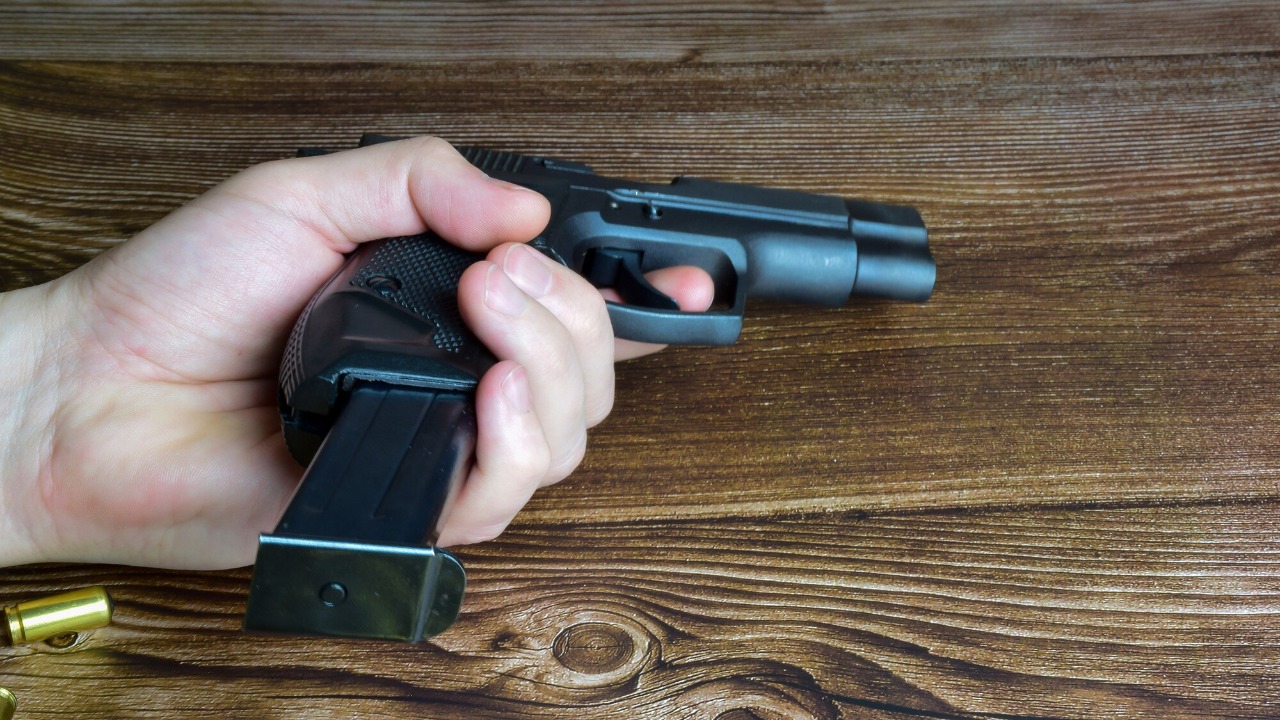
For shooters who carry daily, the concept of “shootability” often outweighs raw concealment. Guidance on selecting a carry gun defines shootability as a mix of shooting comfort and the speed and accuracy a person can deliver with a handgun, and notes that while some individuals can manage smaller or harder recoiling pistols, others perform better with slightly larger, softer shooting designs, as explained in discussions of Shootability. Experienced carriers tend to choose the largest handgun they can conceal comfortably because it usually offers a better balance of control, capacity, and sight radius, which translates into more consistent hits when it matters.
That preference is echoed in community debates about whether to carry a micro as a primary defensive tool. For shooters who already train regularly, that additional burden may be acceptable, but many experienced voices argue that it is more efficient to carry a slightly larger pistol that is easier to shoot well with the same amount of practice.
Real-world reliability and ergonomics can disappoint
Beyond recoil and accuracy, seasoned shooters pay close attention to how micro-compacts behave outside the marketing brochure. Reports on the most disappointing micro 9 mm pistols in a recent model year describe how some high profile releases struggled with reliability, trigger quality, or ergonomics once they reached regular users, even though they generated significant buzz at launch, as seen in coverage of underperforming Micro 9 mm pistols. Experienced carriers, who often shoot thousands of rounds per year, are quick to notice when a tiny frame leads to awkward controls, inconsistent feeding, or premature parts wear.
Even when a micro-compact is well executed, its ergonomics can still be a limiting factor for many hands. Analyses of tiny concealed carry guns point out that one of the biggest drawbacks of these pocket-size designs is the difficulty of achieving a full firing grip while the pistol is still in the holster, which can slow the draw and make it harder to present the gun smoothly from concealment, as outlined in discussions of why Micro vs. Might. For experienced shooters who drill their draw stroke until it is automatic, any platform that complicates a consistent grip is treated with caution, no matter how easy it is to hide.
Why many experts still carry “boring” compacts
When experienced shooters describe the qualities they want in a defensive handgun, they usually start with reliability, controllability, and the likelihood that they will actually carry the gun every day. Guidance on the essential traits of a defensive pistol emphasizes that a carry gun must be dependable, must fit the shooter’s hand, and must be something the owner is willing to keep on their person consistently, as summarized in key takeaways on the Qualities of a Defensive Handgun Key Takeaways. Slightly larger compacts tend to check those boxes more easily, offering enough grip length for control, enough slide mass to tame recoil, and enough capacity to reduce the need for frequent reloads.
That does not mean micro-compacts have no place in an expert’s rotation. Reviews of models such as the Springfield Armory Hellcat note that micro-compact firearms are usually easy to carry and tuck neatly into the waistband, and that some designs manage to deliver near compact-size capacity without requiring a full-size gun, as highlighted in assessments of what sets the Hellcat apart. Many seasoned carriers treat these pistols as deep concealment or backup options, relying on more traditional compacts for primary duty while acknowledging that the smallest guns can be invaluable when wardrobe or environment demands maximum discretion.
In practice, that hierarchy reflects a broader skepticism about chasing trends at the expense of fundamentals. Analyses of why tiny guns may not be mighty enough for concealed carry argue that while micro-compacts excel at disappearing under light clothing, their reduced shootability and more demanding handling characteristics make them a poor fit as a one-size-fits-all solution, as explored in discussions of Why Tiny Guns Might Not Be Mighty Enough for Concealed Carry. For experienced shooters, the fashionable choice is rarely the smallest gun available, but the one that can be drawn quickly, fired accurately, and trusted to run every time, even if it looks a little less trendy in a social media post.