
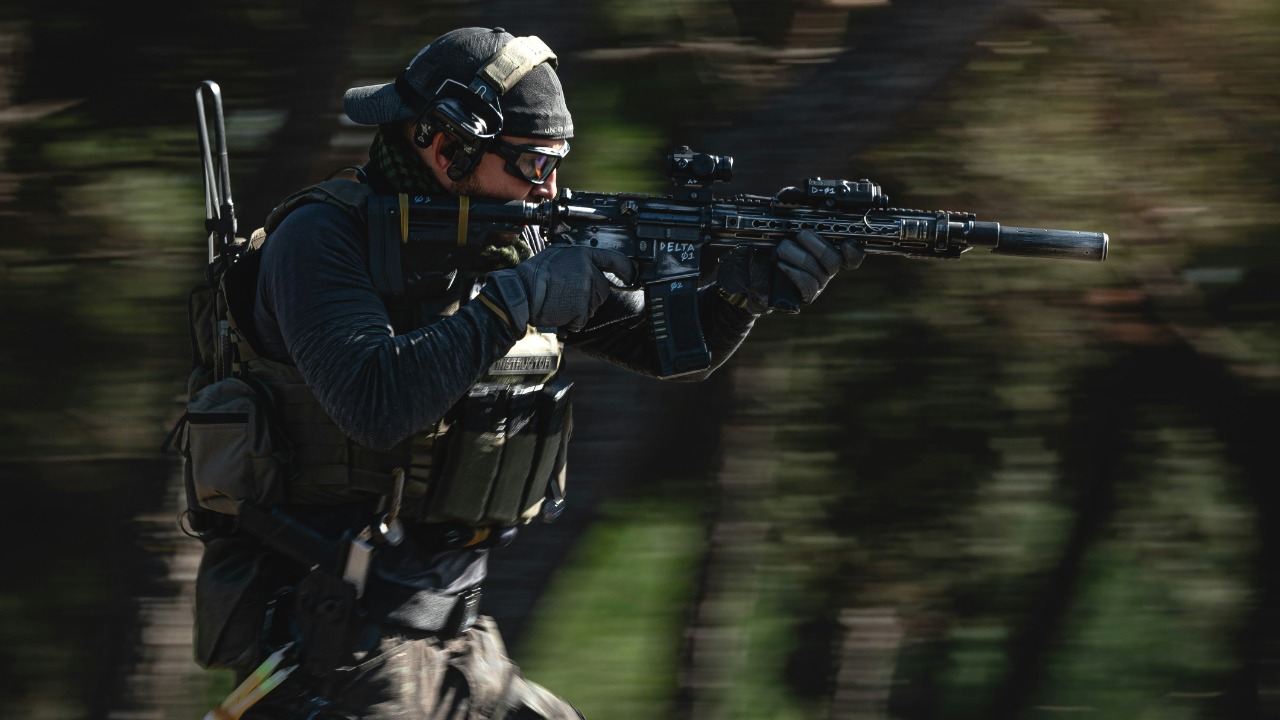
Modern militaries love shiny things. New jets, fresh camouflage patterns, and PowerPoint slides with arrows pointing at “lethality” look great in a briefing. Yet when the shooting starts, it is not the brochure specs that decide who walks away, it is the people who have already learned, the hard way, what happens when theory collides with chaos. Combat experience, ugly and unglamorous as it is, quietly rewrites the rules that glossy equipment catalogs pretend are fixed.
That is why the real edge on a battlefield rarely comes from the newest gadget, but from units that have already been punched in the mouth and figured out how to punch back. The difference between a force that has only trained and a force that has actually fought is the difference between someone who has read a cookbook and someone who has burned dinner enough times to finally get it right.
Specs Look Impressive, Until People Enter The Picture
On paper, authoritarian militaries often look terrifying. They can field large formations, buy advanced hardware, and stage parades where everything moves in perfect straight lines. Critics sometimes argue that Western troops, even with years of deployments, would be outmatched by the sheer scale and equipment lists of countries like China or Russia. The spreadsheets are intimidating, but they leave out the part where real people, with real fears and real judgment, have to make those systems work under fire.
Reporting on how Western forces might stack up against Chinese and Russian troops notes that the same doubts have long been thrown at Middle Eastern militaries. On the surface, some of those forces had modern gear and large budgets, yet struggled when confronted with flexible, combat-tested opponents. The criticism was not about the caliber of their rifles, it was about brittle command cultures, poor initiative at the small-unit level, and a lack of hard-earned battlefield adaptation. Specs did not save them from those human weaknesses, and they would not magically rescue any other force that treats combat like a scripted exercise.
What War Teaches That Training Cannot
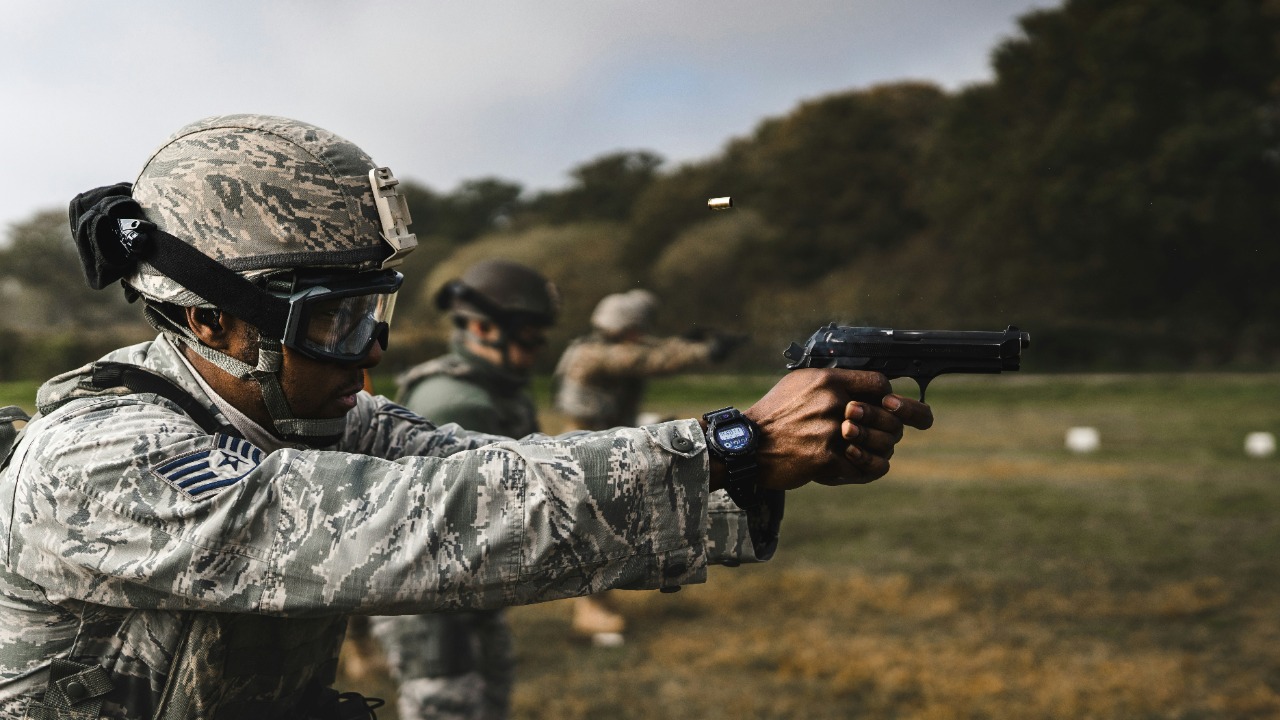
Training can simulate stress, but combat manufactures it. Soldiers who have actually fought talk about how the first contact with the enemy instantly rearranges priorities. Fancy doctrinal diagrams evaporate, and suddenly the only things that matter are communication, improvisation, and the ability to stay functional while the plan falls apart. That shift is not a theoretical lesson, it is a physical one, etched into memory by noise, confusion, and the realization that mistakes now have names and faces.
One veteran-focused discussion of the lessons only war can teach makes the point that this is not about glorifying combat or belittling those who have not seen it. Instead, it stresses that there are certain reactions, like how a unit handles sudden casualties or equipment failure under fire, that cannot be fully rehearsed. Troops discover which leaders stay calm, which procedures are actually usable, and which bits of kit are dead weight. That lived audit of what works and what does not is something no simulator can quite reproduce, no matter how many polygons or sound effects it adds.
Authoritarian Precision Versus Battlefield Reality
Authoritarian systems are very good at rehearsals. They can choreograph massive exercises, punish visible mistakes, and reward officers who keep everything looking tidy. The problem is that war is not tidy. When units from such systems face opponents who have spent years in messy, low-intensity conflicts, the contrast can be stark. The combat-experienced side tends to be more comfortable with ambiguity, more willing to let junior leaders improvise, and less shocked when the enemy refuses to follow the script.
Analysts comparing Western forces to Chinese and Russian troops have pointed out that the criticism leveled at some Middle Eastern armies applies here too. Troops from tightly controlled systems may have impressive kit and large formations, but if they lack real combat exposure, they often struggle with initiative and honest feedback. War has a rude habit of exposing those gaps. Units that have already been through that exposure, even with less dazzling equipment, tend to adapt faster because they have already paid tuition in blood and embarrassment.
How Experience Rewrites The Value Of Technology
Combat experience does not make technology irrelevant, it changes how it is used. A unit that has fought before will treat new gear less like a magic wand and more like a tool that needs to earn its place in the rucksack. Soldiers who have watched batteries die at the worst moment or seen a “must-have” gadget fail in dust and heat become ruthless about what actually helps them survive. They learn to pair high-tech systems with low-tech backups, and they stop assuming that a better spec sheet automatically means a better outcome.
Veterans who talk about the hard lessons of war often describe how experience strips away illusions about gear. Night-vision devices, encrypted radios, and precision weapons are invaluable, but only if the people using them have the judgment to know when to trust the tech and when to fall back on simpler methods. That judgment is not printed in any manual. It is built through repeated exposure to friction, where the unit discovers which systems keep working when the environment, the enemy, and their own exhaustion are all trying to break them.
Why Combat-Tested Forces Keep Their Edge
Over time, forces that have fought real campaigns accumulate a kind of institutional scar tissue. They update tactics, refine training, and quietly retire bad ideas that looked clever in peacetime. That process is not glamorous, and it rarely fits into a single procurement slide, but it is what turns a military from a collection of platforms into a learning organism. When those forces look at potential adversaries that have not been similarly tested, they see more than hardware, they see untested assumptions waiting to be shattered.
Reporting that weighs Western combat experience against the capabilities of Chinese and Russian troops notes that this edge is not automatic or permanent, but it is real. The same pattern that once undermined some Middle Eastern militaries, where impressive arsenals could not compensate for shallow battlefield learning, is a warning to any country that believes specs alone will carry the day. Combat-tested forces, for all their scars and imperfections, have already discovered that the real contest is not between machines, but between human organizations that can absorb punishment, adapt, and still function when the plan has gone out the window.