

Competitive shooters like to say that skill beats equipment, but the moment a magazine nose-dives or a scope loses zero, that slogan turns into very expensive comedy. The uncomfortable truth is that while good gear will not magically turn anyone into a marksman, bad gear can drag a capable shooter down to beginner level in a single stage. When equipment crosses the line from “not ideal” to “actively sabotaging you,” even disciplined fundamentals struggle to keep shots on target.
I have watched shooters with solid mechanics get outscored by people with half their experience simply because their rifles, pistols, or even airsoft replicas refused to cooperate. The pattern is consistent: once gear becomes the weakest link, performance plateaus, frustration spikes, and all that practice time starts to feel like a very loud, very smoky waste of effort.
Skill is king, but bad gear is a very loud court jester
I start from the same place most serious instructors do, which is that no piece of hardware can replace a solid grip, clean trigger press, and consistent sight picture. One detailed analysis of training culture notes that better gear will not make a beginner, intermediate, or even expert shooter more accurate if the fundamentals are missing, and that a new optic or trigger does not magically fix bad habits. The logic is simple: if a shooter cannot call shots or manage recoil, a race gun only helps them miss faster and more expensively.
Where things get interesting, and occasionally tragic for match scores, is the flip side of that argument. The same experts who insist that equipment is not a shortcut also warn that poor quality choices can actively undermine a competent shooter and, in defensive contexts, turn a living marksman into what one blunt assessment calls “a dead one.” That warning is not about chasing luxury brands, it is about avoiding gear so unreliable or ill suited that it masks feedback, fails under modest stress, or forces the shooter to fight the tool instead of the target.
When your gear lies to you about where the bullets go
One of the most demoralizing experiences on any range is watching rounds land high, low, or sideways from where the sights insist they should be. Guidance on troubleshooting pistol accuracy makes a crucial point that a handgun printing high does not automatically mean the firearm is defective, since shooter input and sight picture often explain the discrepancy. The recommended process is to verify fundamentals first, then confirm mechanical zero, so that the shooter knows whether the problem lives in their hands or in the hardware.
Once technique is squared away, however, bad or mismatched components can absolutely distort results. Poor gun fit, for example, makes it less likely that the muzzle is actually pointing where the shooter intends, which in turn forces awkward compensations and erodes consistency. In precision disciplines such as HFT air rifle competition, experienced competitors stress that the secret is consistency and knowing the kit, because only a hyper accurate and predictable setup lets the shooter spot patterns and correct small errors. If the sights, stock, or barrel shift impact unpredictably, the shooter is essentially chasing a moving target with no honest feedback loop.
Malfunctions: the great equalizer of otherwise competent shooters
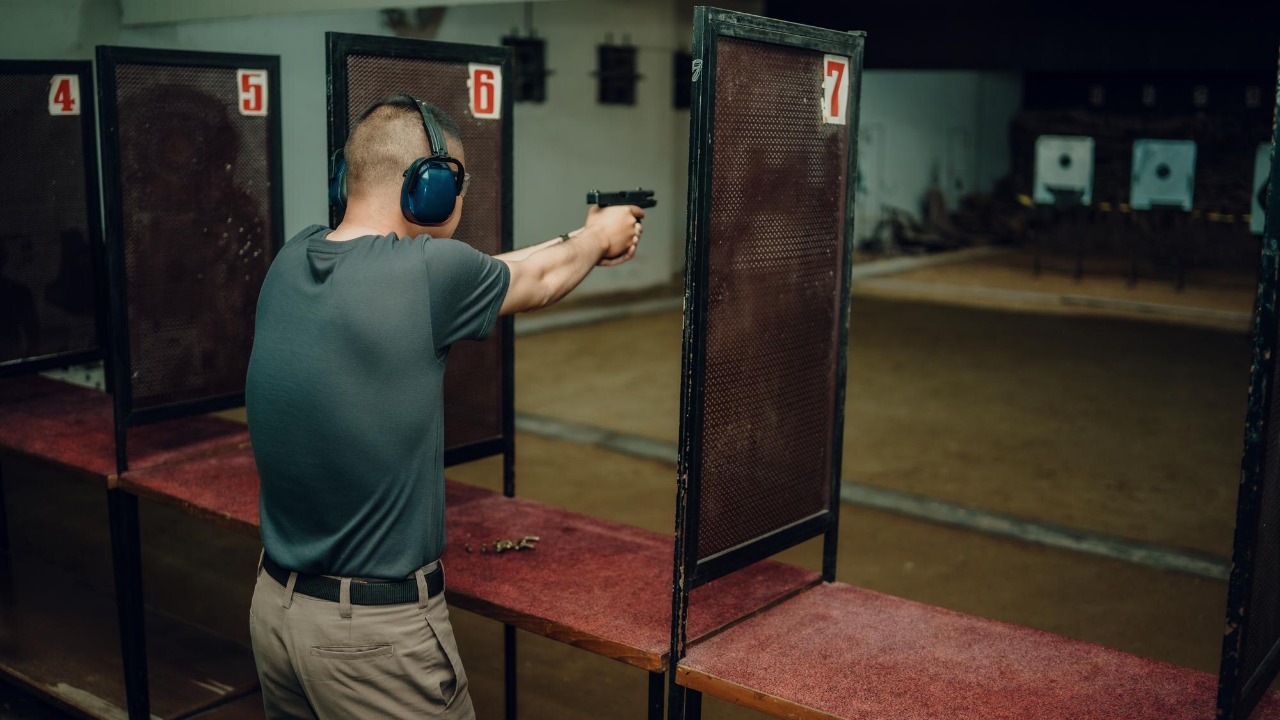
Even the best trigger press cannot save a run when the gun simply refuses to fire. Training material on handgun reliability notes that “jam” is a broad term covering several distinct malfunctions, from failures to feed to failures to eject, and that many of them trace back to preventable causes such as poor maintenance or damaged parts. Routine cleaning and inspection are presented not as obsessive rituals but as basic insurance against the kind of stoppages that turn a smooth string of fire into a clumsy tap rack dance.
Other technical breakdowns are even more squarely in the “bad gear” column. One guide to common causes of semi automatic weapon jams highlights magazine malfunctions, alongside dirty chambers, as a primary culprit, with worn feed lips or weak springs preventing rounds from entering the chamber correctly. A direct action sniper describing field maintenance goes further, calling worn or filthy magazines one of the primary causes of weapon jams and reminding shooters that “Your weapon wants to run,” provided the supporting parts are not sabotaging it. In the airgun world, reliability warnings about a Chinese spring rifle that MAY have an improperly stress relieved mainspring illustrate how substandard components can lose power or fail when left cocked, again turning what should be a predictable tool into a moody, underperforming gadget.
Fit, ergonomics, and the slow murder of your natural point of aim
Even when a firearm goes bang every time, bad configuration can quietly bleed accuracy and speed. Competitive three gun analysis points out that if equipment is not positioned or fitted correctly to the body, the shooter is more likely to miss because their body is working against the gun instead of with it. That mismatch drags the natural point of aim off target, so every shot requires extra muscular effort to steer the sights back where they belong, which is a bit like trying to write your name while someone gently shoves your elbow.
Shotgun specialists make a similar argument about fit, noting that with poor gun fit the muzzle is less likely to be pointing at the target or even in the direction the shooter intends, which then forces the shooter to invent awkward compensations to get pellets roughly on line. Over time, those compensations become bad habits that are hard to unlearn once the gun is finally adjusted or replaced. In more tactical or hunting contexts, experienced voices warn that while good quality gear will not make anyone a better shooter by itself, bad gear choices at home can have life or death consequences, because a stock that snags, a holster that binds, or a sling that slips at the wrong moment can erase years of practice in a single fumbled draw.
Why “cheap but good enough” usually is not
The temptation to save money on equipment is understandable, especially when ammunition prices and range fees already feel like a second mortgage. Yet seasoned hunters caution that You can be the fittest person in the world, but if your gear is poor quality you will not reach your full potential in the field, because fatigue, discomfort, and small mechanical issues compound over a long day. Airsoft instructors, who live in a world where the stakes are bruises rather than trauma bays, still open their accuracy advice with a blunt rule: Use High, Quality Airsoft Guns First, because no amount of clever technique can compensate for a replica that sprays shots unpredictably or sheds parts under light use.
Even in purely recreational shooting, the pattern repeats. Technical blogs on mainspring longevity warn that while many quality air rifles tolerate being left cocked without issue, a Chinese spring rifle that MAY have an improperly stress relieved mainspring is far more likely to suffer damage or power loss under the same conditions. That is not a moral judgment on budget gear, it is a practical reminder that cutting corners on critical components often shifts the cost from the cash register to the firing line, where missed targets, shortened service life, and constant troubleshooting quietly devour the savings.
Good gear as a force multiplier, not a magic wand
None of this means that every shooter needs a race tuned pistol or a custom rifle to perform well. In fact, some of the most thoughtful commentary on equipment argues that better gear will not make a beginner, intermediate, or expert shooter more accurate by itself, and that chasing upgrades before mastering fundamentals is a reliable way to waste money. The real value of quality gear is that it removes variables, so that when a shot goes wide the shooter can confidently blame the person behind the trigger instead of the object in front of it.
That is why disciplines like HFT place such emphasis on knowing the kit and valuing consistency, and why professional users obsess over clean magazines, reliable springs, and solid ergonomics. When the rifle or pistol behaves the same way every time, practice becomes a scientific experiment instead of a guessing game, and improvements in stance, grip, or sight picture show up clearly on paper. In that environment, skill really can be king, because the court jester of bad gear has been politely shown the door before it can ruin another perfectly good shooter.