
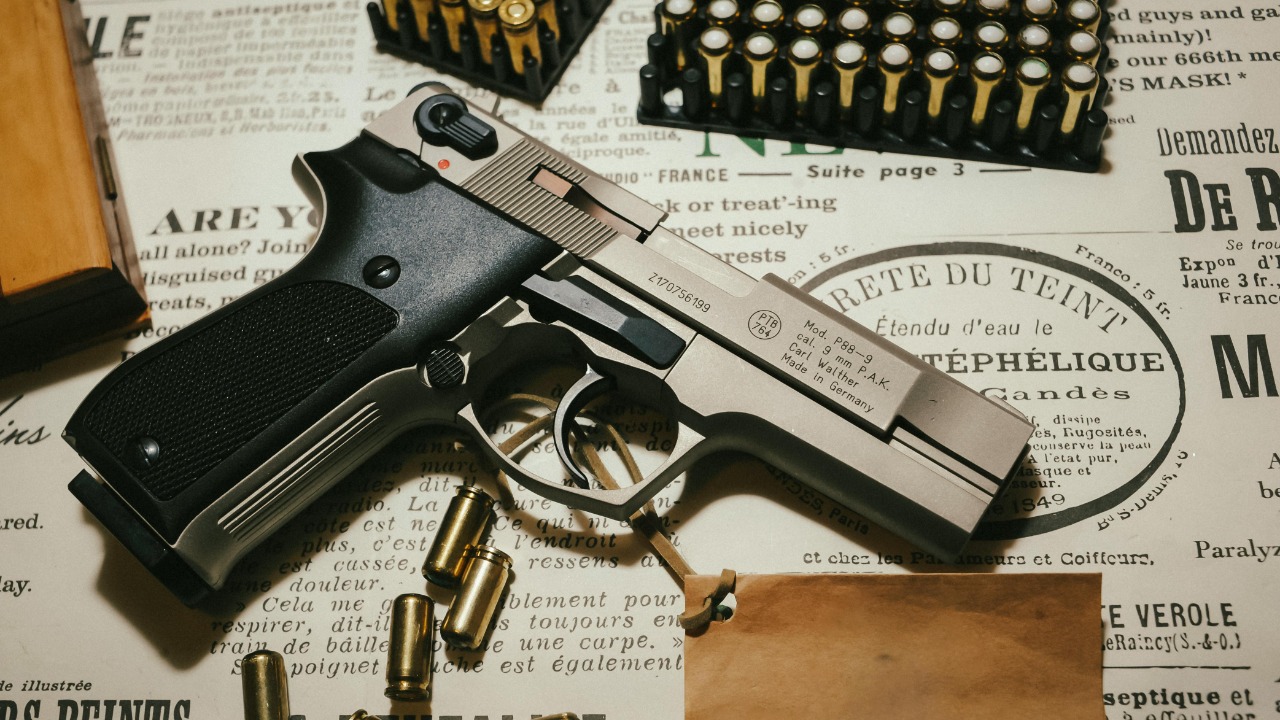
In real defensive shootings and duty encounters, the 9mm cartridge keeps showing up on the winning side of the equation. Its mix of controllable recoil, modern bullet performance, and high capacity has quietly turned a once controversial round into the default choice for police, military, and civilian carriers alike. The result is a caliber that consistently delivers hits under pressure, which matters far more in real gunfights than theoretical “stopping power” debates.
Behind that dominance is a convergence of technology and tactics. Improvements in ammunition design, compact pistol engineering, and training philosophy have all pushed shooters toward a round that is easier to shoot well, faster to recover between shots, and cheaper to practice with. The 9mm’s rise is less about internet arguments and more about what actually works when lives are on the line.
Modern ballistics closed the power gap
The old knock on 9mm was simple: it was “too weak” compared with larger handgun calibers. That criticism made sense when bullet design lagged behind, but modern propellants and projectiles have changed the equation. One detailed guide notes that, Although the 9mm was once criticized as being too weak for self-defense, improved propellant and bullet technology have significantly boosted its performance, especially in the common 9x19mm Parabellum format. In other words, the round that many shooters dismissed a generation ago no longer behaves the same way in gel tests or on the street.
Manufacturers have spent decades refining how 9mm bullets expand and penetrate, and the result is a cartridge that now sits comfortably in the same real-world effectiveness bracket as larger options. A self-defense load built around Nosler’s ASP bullet, for example, is marketed on the idea that, More than a century later, the 9mm continues to develop, with Advances in technology improving its accuracy and stopping power. Broader ballistic research backs up that trajectory, noting that, Notably, in the past 250 years, the emergence of ballistics as a scientific discipline has led to groundbreaking advances in understanding projectiles and their interactions with biological and physical systems. Those scientific gains have been poured into medium calibers like 9mm, which now punch well above their historical reputation.
Capacity and controllability win under stress
When bullets start flying, the ability to fire accurate follow-up shots often matters more than the size of any single round. Compared with larger service calibers, 9mm typically offers both more rounds in the magazine and less punishing recoil. One direct comparison notes that the 9mm benefits from added magazine capacity over the 40 S&W, as well as a recoil impulse that is much more controllable in the hands of inexperienced shooters. That combination means more chances to solve the problem and a better likelihood that each shot actually lands where it needs to.
Shooters who run both calibers side by side report the same thing in plain language. In a discussion of modern ballistics, one experienced commenter describes the recoil difference as “definitely noticeable,” calling 9mm “kind of a light snap” while .40 S&W feels like “kind of a harder snap,” adding that the extra punishment from 40 makes extended practice less fun. Another caliber comparison frames the tradeoff bluntly, noting that the main points of contention between 9mm, 40, and 45 revolve around recoil, capacity, and performance in terms of stopping power. In real-world gunfights, where stress is high and grip is rarely perfect, the round that lets a shooter stay on target and keep shooting often proves more decisive than a marginal increase in bullet diameter.
Compact, high-capacity pistols favor 9mm
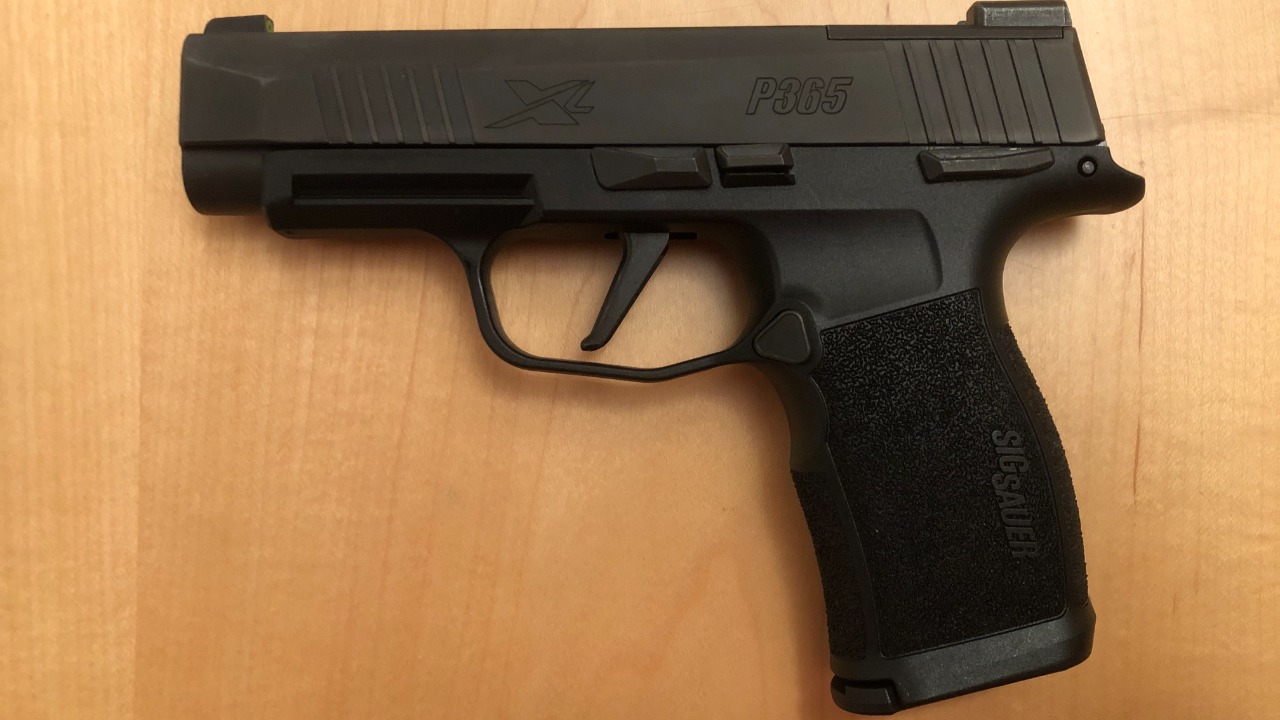
The modern concealed-carry market has tilted heavily toward slim, high-capacity pistols, and 9mm is the cartridge that makes those designs viable. Engineers can build smaller frames and thinner slides around 9mm pressures while still offering double-digit round counts. The Sig P365 family is a prime example: reviewers point out that its combination of compact size, shootability, and capacity explains why Sig’s P365 is so popular. That popularity is not just about branding, it reflects a demand for guns that are easy to carry daily yet still give the user enough ammunition to handle multiple threats or missed shots under stress.
Similar dynamics show up when comparing 9mm to smaller calibers. One analysis of .380 ACP and 9mm notes that Modern handguns in both . 380 and 9mm from the same manufacturer generally have the exact same size frame, and if not, they are very close, as Glock does with the Glock 42. If the gun is essentially the same size, most carriers will choose the cartridge that offers more energy, better penetration, and a wider range of defensive loads, which is usually 9mm. On the other side of the spectrum, moving up to 40 or 45 in a compact package often means sacrificing capacity or accepting harsher recoil in a small, lightweight frame. The market’s steady drift toward 9mm micro-compacts suggests that users are voting with their holsters for the round that balances size, shootability, and firepower.
Training economics and shooter confidence
Real-world performance is not just about hardware, it is about how much time a shooter can afford to spend on the range. Ammunition cost and comfort directly influence that equation. In a widely shared Mar thread asking why 9mm is chosen over other handgun calibers, one top reply in the Comments Section points to lower recoil and more affordable ammunition as key reasons. Cheaper, softer-shooting rounds encourage higher round counts in practice, which in turn build the muscle memory and confidence that matter when a defensive draw is no longer theoretical.
That same logic appears in debates among enthusiasts who have tried multiple calibers. In a discussion of 9mm versus 40 S&W, one contributor states they are “still on the side of 9mm all around,” adding that if they really felt the need for something more potent they would move up to a different platform rather than accept the compromises of 40 in a carry gun. Another thread on ballistic advances notes that the harsher recoil of 40 makes extended practice less enjoyable, which subtly pushes shooters away from regular training. When a cartridge like 9mm offers enough terminal performance, less recoil, and lower cost per round, it becomes the practical choice for anyone serious about building and maintaining defensive skills.
Why bigger calibers no longer dominate
For decades, arguments over 9mm, 40, and 45 ACP were framed as a tradeoff between capacity and “stopping power.” Advocates of larger rounds leaned on the idea that a bigger bullet would always be more effective, while 9mm supporters pointed to extra rounds and faster follow-up shots. A detailed comparison of 9mm vs. 40 vs. 45 notes that the main points of contention center on recoil, capacity, and performance in terms of stopping power, with 45 ACP historically seen as the heavy hitter. Yet as bullet technology has improved, the real-world performance gap between these service calibers has narrowed, while the practical advantages of 9mm have stayed constant.
Industry voices now openly acknowledge that modern ammunition developments have made medium calibers such as 9mm more effective than they used to be, allowing shooters to choose rounds with less recoil without giving up meaningful terminal performance. One analysis of new handgun tech states plainly that modern ammunition has made medium-caliber rounds with less recoil more effective than older, larger-caliber loads. That shift helps explain why many agencies that once adopted 40 S&W have migrated back to 9mm, and why civilian carriers who once gravitated toward 45 are increasingly content with high-quality 9mm defensive loads. When a medium-caliber round can match or closely approach the performance of larger options while offering more capacity and easier handling, the rationale for carrying something bigger becomes much harder to defend.
The broader scientific context reinforces that trend. Ballistics as a field has spent roughly 250 years refining how projectiles behave in tissue and intermediate barriers, and those insights have been applied aggressively to common defensive calibers. As one review notes, Notably, in the past 250 years, the emergence of ballistics as a scientific discipline has led to groundbreaking advances in understanding projectiles and their interactions with biological and physical systems. Today, that knowledge is baked into bonded bullets, controlled-expansion designs, and carefully tuned velocities that let 9mm perform at a level that would have surprised earlier generations of shooters. In real-world gunfights, where hits, follow-up shots, and capacity matter more than caliber pride, that evolution is exactly why 9mm keeps coming out on top.