
Ask troops what combat vehicle they “trust most,” and you rarely get a simple ranking. You get a set of tradeoffs. In practice, trust isn’t brand loyalty—it’s confidence that a vehicle will do three things under pressure: protect the crew, work when it matters, and be repairable fast enough to return to the fight. In today’s operations—where mines and IEDs remain a threat and drones and top-attack munitions are changing how vehicles are found and engaged—those demands shape how troops talk about main battle tanks (MBTs), infantry fighting vehicles (IFVs), MRAP-class protected transports, and other armored wheeled platforms.
What’s changed is not that combat is dangerous, but that danger can be harder to avoid. Small drones can spot vehicles quickly, and precision threats can punish exposed movement and predictable routes. In that environment, “trusted” often translates to “predictable”: predictable protection, predictable mobility, predictable communications, and a sustainment system that doesn’t collapse after a few hard weeks.
What “trust” means to crews and maintainers
Inside a unit, trust usually starts with survivability, then expands into reliability and maintainability. A vehicle that can take a hit but repeatedly fails mechanically—or can’t be recovered and repaired in time—will lose confidence quickly. Troops often judge the entire system, not just the armor: the recovery plan, parts availability, diagnostics, training, and whether the unit can keep vehicles mission-capable without constant cannibalization.
Human factors also shape trust more than many outsiders expect. Visibility, heat management, ergonomics, and the ability to operate at night or in bad weather affect whether crews feel in control. Situational awareness matters for the same reason: what the crew can see, how fast they can share it, and whether they can sort real threats from noise can determine whether an engagement is manageable—or a surprise.
MBTs: confidence in protection and firepower, tempered by sustainment
MBTs remain the archetype of “I’d rather be in that” when direct fire and heavy anti-armor threats are expected. Their trust is rooted in protection and firepower: heavy armor, redundant systems, and a main gun that can end a fight quickly. That combination can give crews options when plans fall apart, which is a kind of trust that’s hard to replicate in lighter vehicles.
But MBT trust comes with a practical caveat: sustainment. Heavy vehicles strain engines, tracks, and fuel, and they require capable recovery and maintenance support to avoid becoming immobile liabilities. That’s why troop conversations often move from armor to unglamorous questions—parts availability, maintenance capacity, and how quickly battle damage can be repaired.
In Western forces, illustrative examples often include the U.S. Abrams (General Dynamics) and European Leopard variants (Krauss-Maffei Wegmann/Rheinmetall). Crews may emphasize protection and lethality, while maintainers emphasize what ultimately decides day-to-day readiness: the supply pipeline, component reliability, and repair turnaround. The point isn’t that one tank is “best.” It’s that a tank’s reputation is built as much in the motor pool as on the range.
IFVs: trusted when they deliver the squad ready to fight
IFVs tend to earn trust when they consistently deliver infantry to the decisive point protected, oriented, and able to fight on arrival. They sit between tanks and lighter transports: generally more protected and heavily armed than many wheeled carriers, often easier to deploy and sustain than an MBT, and designed to link the crew’s view with what the carried squad needs. For many units, that middle-weight balance is what they rely on most in routine operations.
IFVs also face a distinctive trust challenge: keeping pace with evolving threats in environments where detection is constant and attacks can arrive from unexpected angles. Crews pay close attention to whether the vehicle can see early, communicate clearly, and integrate protection upgrades without becoming unreliable. If new armor or electronic kits add weight and complexity faster than maintenance capacity and spares can adjust, confidence drops—because mission-capable rates fall.
Illustrative Western examples often include the Bradley (BAE Systems) and CV90 (BAE Hägglunds). These vehicles are frequently discussed alongside modernization efforts—better sensors, communications, and protection—because troops judge them on whether they can keep crews connected and aware while staying survivable in a changing threat picture. A platform is only “trusted” as long as it helps crews understand what’s happening around them and respond in time.
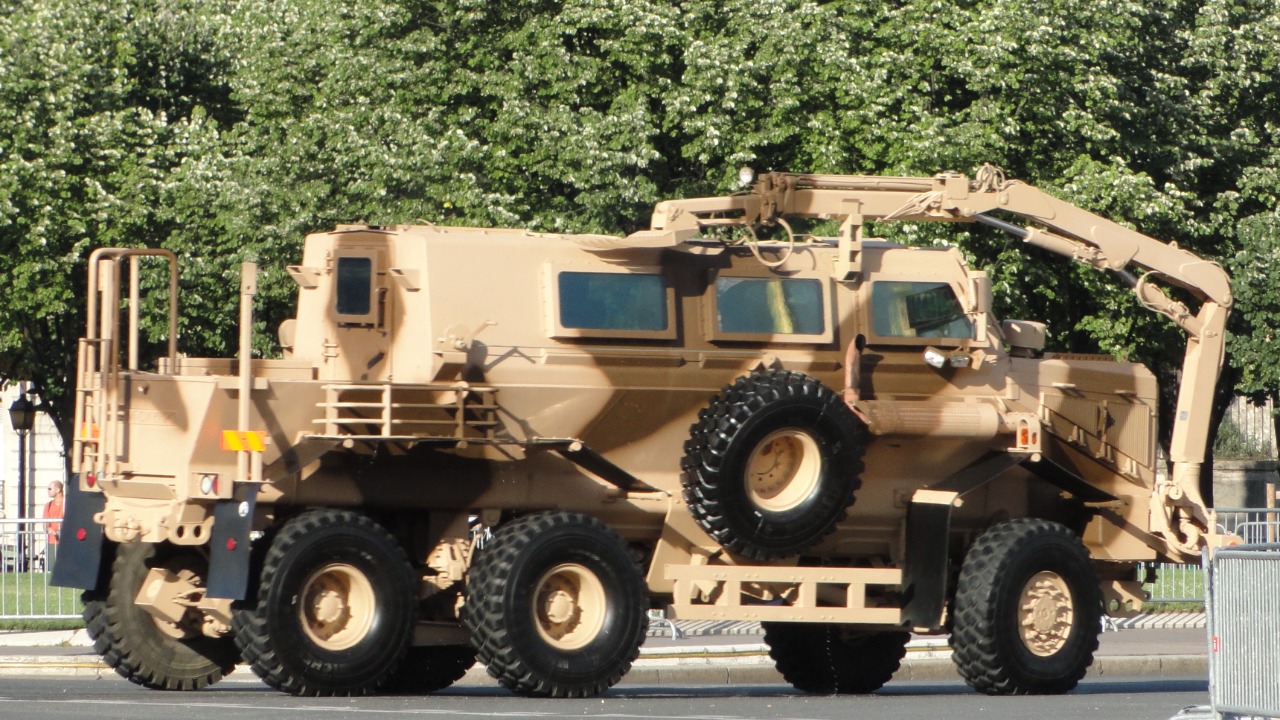
MRAPs: trust built around the mine-and-IED problem
MRAPs earned an unusually personal kind of trust in conflicts where mines and IEDs were a persistent danger. In missions like route clearance, convoy security, and road-bound patrols, troops often valued the MRAP’s protection concept above almost everything else. The promise was not decisive maneuver warfare; it was improving the odds of surviving a common, specific threat.
The tradeoff is that “protected” never means “invulnerable,” and MRAP designs are optimized for a particular problem set. As drones and top-attack threats expand the danger envelope, MRAP trust depends more on tactics and the ability to integrate additional defenses than on blast protection alone. If a vehicle feels strong against one threat but exposed to another, crews adjust how they use it—or push for changes.
In U.S.-centric discussions, MRAP variants are often associated with Oshkosh and Navistar. For troops, the more practical question is usually less about the badge and more about sustainment: whether the fleet has the spares, trained mechanics, and upgrade path to stay relevant as operational priorities shift.
Wheeled armored vehicles: the “keep it moving” advantage
Between IFVs and MRAPs is a wide range of wheeled armored vehicles that units may trust for a different reason: availability. When roads and distance matter, and when a formation needs to reposition without consuming tracked-vehicle maintenance hours, wheeled fleets can support tempo. Trust here often looks like consistency: vehicles that start, roll, communicate, and can be recovered without turning every breakdown into a major event.
Illustrative NATO examples include the Stryker (General Dynamics). In practice, a “trusted” wheeled vehicle is one that’s ready for tasking and doesn’t create a maintenance backlog that drains training time. That trust can erode if protection and situational awareness lag the threat, which is why modernization efforts increasingly focus on sensors, communications, and counter-drone measures rather than comfort or speed alone.
Why it matters: trust shows up as readiness and behavior
Trust maps directly to combat power. When crews believe a vehicle will protect them and perform, they’re more likely to use it aggressively and as intended. When they don’t, behavior changes—slower movement, avoidance of certain routes or terrain, hesitation at key moments. Those self-imposed limits can reduce effectiveness even before enemy fire does.
Trust also affects whether a force can retain combat power over time. A fleet that can be repaired quickly, with parts and trained maintainers available, sustains tempo and keeps experienced crews in operational vehicles rather than waiting on backlogs. That’s why procurement and sustainment are inseparable: buying platforms without funding spares, tools, and maintenance capacity produces “paper strength” that looks good on slides and fails under stress.
Who shapes “trusted”: operators, maintainers, and the upgrade ecosystem
The people who determine which vehicles are trusted are not only acquisition offices and prime contractors, but also maintainers who keep fleets running and small-unit leaders who decide how vehicles are employed. Industry matters because upgrades—active protection systems, improved communications, better sensors, and counter-drone kits—are increasingly central to trust in modern combat. But upgrades can also add weight, complexity, and new failure points if they aren’t integrated with training, spares, and a realistic maintenance plan.
Companies tied to illustrative Western fleets include General Dynamics (Abrams, Stryker) and BAE Systems (Bradley and other armored vehicle work), alongside European staples such as Krauss-Maffei Wegmann/Rheinmetall (Leopard) and BAE Hägglunds (CV90). The “trusted” framing can also be used as marketing, so broad claims should be treated cautiously unless they align with transparent readiness measures and lived experience across units—not just a few anecdotes.
What changes next: trust shifts from armor alone to systems and support
Looking ahead, survivability is expanding from armor to systems: detection, networking, and counter-drone defenses are moving toward the center of what crews value. That often pushes forces toward upgrade programs, because existing fleets can be modernized faster than entirely new designs can be fielded—if supply chains and depot capacity can support the added complexity.
At the same time, budgets and industrial capacity force prioritization. Not every vehicle can receive every protection and sensor upgrade, and adding equipment without adding sustainment can create fleets that look modern but aren’t ready. Forces that get this right will treat “trust” as something that can be tracked—mission-capable rates, time to repair, spare-part availability—rather than as a mood.
In the end, troops tend to trust the vehicle that fits the mission, shows up ready, and helps them stay oriented and protected when contact comes. MBTs, IFVs, MRAPs, and wheeled armored vehicles can all earn that trust for different reasons—and lose it in similar ways when reliability, recovery, or support fails. The lesson for militaries and industry is straightforward: trust isn’t built only by headline features. It’s built—and kept—by the sustainment and upgrades that make those features usable in the field.