
Long before domestic fridges became standard kitchen fixtures, families and armies still had to plan for the day when fresh food ran out. Emergency rations were not sleek freeze-dried packets but dense, salty, and often greasy lifelines designed to survive heat, damp, and rough handling. Understanding what those stores looked like reveals how people balanced nutrition, preservation, and morale in a world where spoilage was a constant threat.
From potted meat on the Victorian sideboard to iron rations in a soldier’s pack, these foods were engineered for endurance rather than pleasure. They relied on fat, salt, and airtight containers, and they were shaped as much by military logistics and industrial chemistry as by household thrift. The result was a repertoire of provisions that could sit for months or years and still keep someone alive when everything else failed.
The world before the kitchen fridge
For most households, the absence of mechanical cooling meant that “emergency food” started with whatever could be preserved at home. Meat that might rot within days was transformed into potted meat, packed tightly into small pots and sealed under a thick layer of fat. This method, which became common in the era before refrigerators were generally available, turned scraps of cooked cold meat into a spread that could be eaten later in a sandwich or on toast. It was a way to stretch a roast across the week and to ensure that at least some protein would be on hand when fresh supplies ran short.
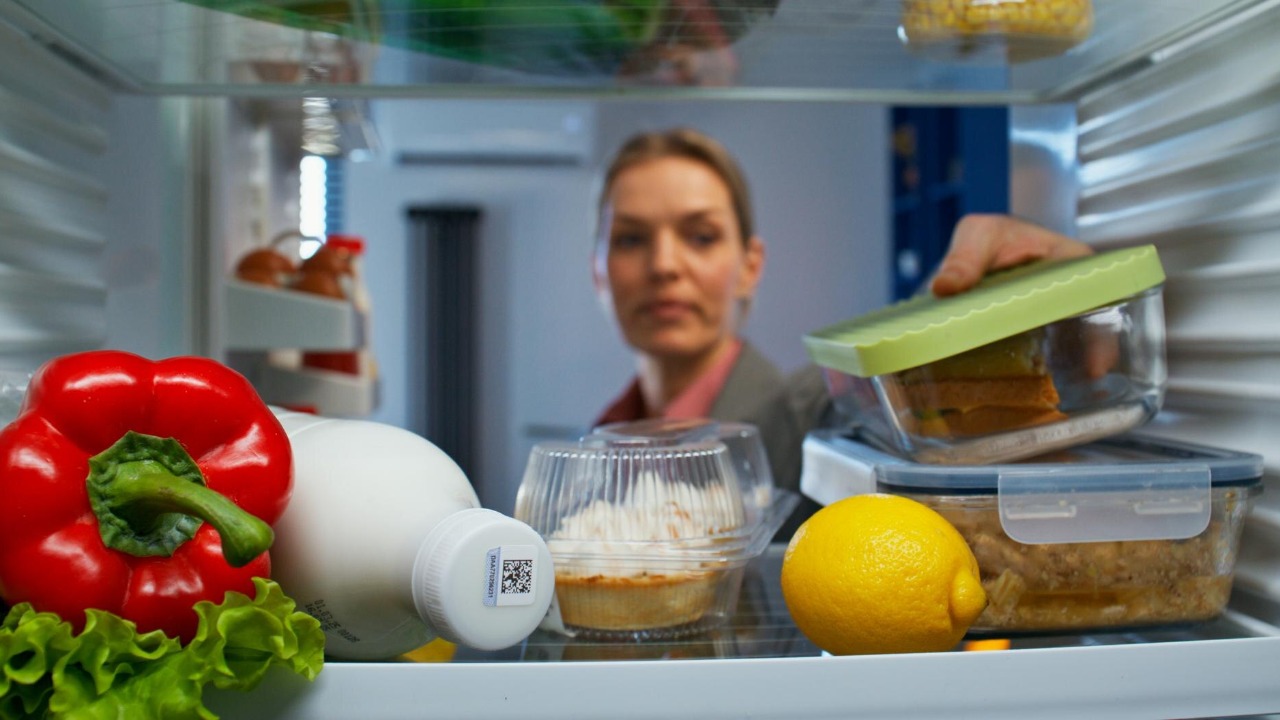
These domestic strategies existed alongside a slow technological shift that would eventually make them less central. Commercial cold storage appeared first, but domestic refrigeration, as it is now recognised, only became popular once safer systems replaced early, hazardous refrigerants that were considered dangerous for use in the home. Until that point, people relied on cellars, iceboxes, and preserved foods to bridge gaps in supply. The emergency ration was not a special product on a shelf but an entire category of foods that could sit in a pantry without spoiling.
Soldiers, hard tack, and iron rations
Armies were among the first institutions to formalise the idea of a dedicated emergency ration. Military planners understood that a campaign could fail if food ran out, and the phrase that an Army marches on its stomach captured that reality. In the nineteenth century, British troops carried Hard tack and other dense staples, and on top of his regular ration, a soldier might be issued a special emergency portion to be eaten only when normal supplies were unavailable. These packs were compact, high in energy, and deliberately unappealing so that men would not be tempted to eat them too soon.
In the United States, the same logic produced the Iron Ration, described as the first American attempt to make an individual ration for issue to soldiers in the field. Later, Iron Ration and the early C ration consisted of canned meat and beans or meat and vegetable stew, packed in heavy tins that could survive transport and rough handling. Accounts of how rations evolved United States show a steady move from salted beef and hardtack toward more varied canned meals, but the emergency component remained: a sealed, calorie-dense reserve that could be eaten cold if needed.
From jerky and potted meat to canned “lifeboats”
Outside the barracks, preserved meat also served as a kind of insurance policy. On the North American frontier, Storage of the meat was critical, and Native Americans dried strips into jerky, using the fat as part of a high-energy food that could be carried on long journeys. That same principle, concentrating nutrition into a small, shelf-stable form, underpinned many later emergency foods. In Europe, cooks turned leftovers into Potted meat, covering it with clarified butter so that air and bacteria could not reach it, and serving it days or weeks later on toast when fresh meat was no longer available.
Industrial canning turned these household techniques into mass-produced staples. Meat pastes and spreads, cooked inside sealed jars, became a familiar part of the pantry, and some writers have noted that Pastes are effectively cooked inside their containers, which helps them keep their shape and flavour over time. In the military sphere, the logic of a sealed “lifeboat” meal persisted into the twentieth century. A video review of a British Emergency ration shows how compact beef and biscuits were packed for field service. A closer look at the British Emergency Ration highlights how the 1899 to 1902 design relied on dense meat and cocoa-based components that could survive for years in a tin, ready to be opened only in dire circumstances.
From field rations to modern prepping culture
By the late twentieth century, military research had reshaped the idea of an emergency meal yet again. Work on nutrition and endurance, including the experience of His colleague Vilhjalmur Stefansson with the Inuit diet, helped convince planners that high-fat, meat-based foods could sustain people on long journeys, just as Inuit communities and Indians had done. Later, by the year 1978, the military began developing Meals Ready To Eat, and by 1981, they were delivering these flexible pouches to replace the bulky cans that were formerly used. The modern MRE is still an emergency ration at heart, designed to be eaten cold if necessary, but it is lighter, more varied, and more palatable than the tins of the early twentieth century.