
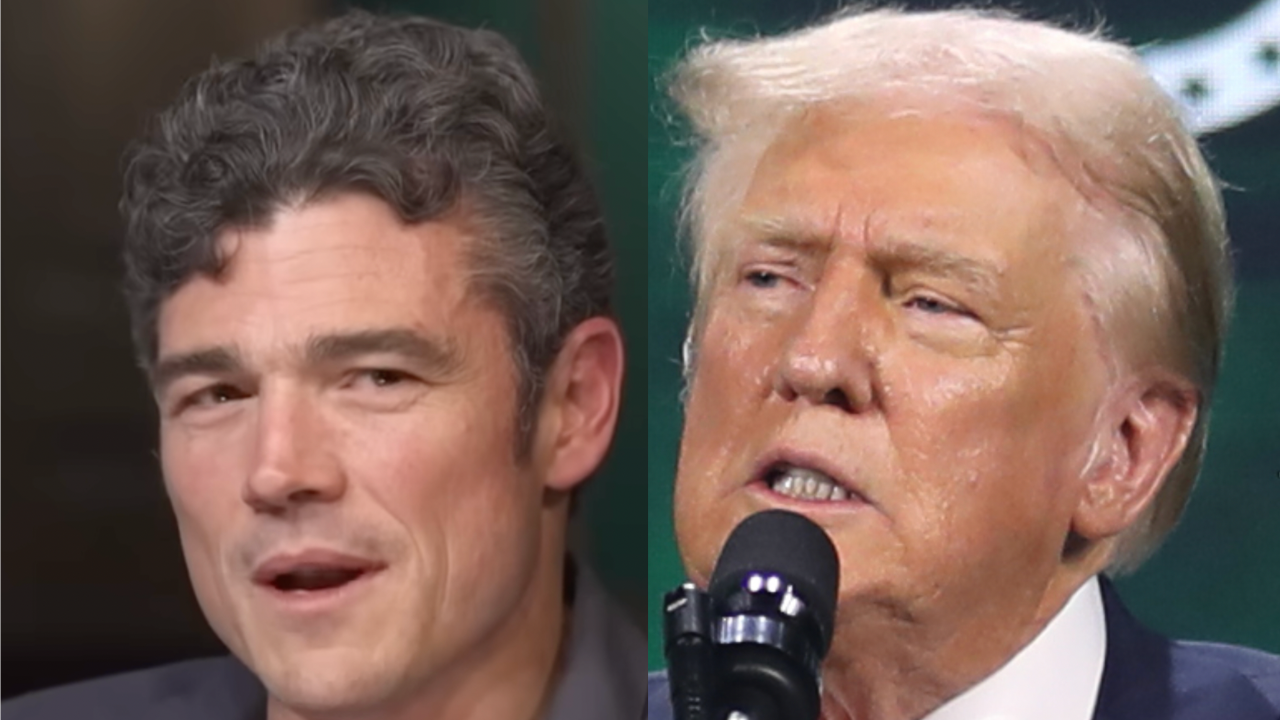
“Pray for our fallen, our wounded, their families, & our troops in harm’s way,” Joe Kent wrote on X at 1:39 p.m. on July 18, hours after U.S. Central Command announced that two American service members had been killed and a third was missing following an Iranian ballistic missile and drone attack on a base in Jordan.
“This war was never worthy of American blood, it is certainly not worthy of any more American blood,” Kent continued. “We need to get out now. These bases are known to Iran & have become liabilities, not assets.”
The statement carries particular weight given Kent’s own history with the conflict. Kent served as director of the National Counterterrorism Center under President Trump from July 30, 2025, until March 17, 2026, when he resigned in protest of the Iran war, becoming the highest-ranking Trump administration official to publicly break with the president over the campaign.
In his resignation letter, posted on social media, Kent wrote that Iran “posed no imminent threat to our nation” and said he could not “in good conscience support the ongoing war in Iran.” He went further, accusing the administration of launching the conflict “due to pressure from Israel and its powerful American lobby” — a claim that drew sharp criticism from supporters of the operation, including some who had backed his nomination just months earlier.

Date: 17 March 2026
Source: Twitter
Author: Joseph (Joe) Kent
Kent’s opposition to the conflict is informed by a combat record that spans nearly two decades. A retired Army Green Beret and former CIA paramilitary officer, Kent completed roughly a dozen deployments, mainly in Iraq, over a 20-year military and intelligence career that included service with the 75th Ranger Regiment, Army Special Forces, and the Intelligence Support Activity.
His first wife, Navy Senior Chief Petty Officer Shannon Kent, was killed by an ISIS suicide bomber in Manbij, Syria, in January 2019 — a loss that Kent has said propelled him into public life and eventually into two campaigns for a U.S. House seat in southwest Washington state, both of which he lost to Democratic Rep. Marie Gluesenkamp Perez.
Before leading NCTC, Kent served as a foreign policy adviser to Trump’s 2020 presidential campaign and later as acting chief of staff to Director of National Intelligence Tulsi Gabbard. He was confirmed by the Senate to lead NCTC by a 52-44 vote in July 2025, with Sen. Tom Cotton, R-Ark., telling colleagues at the time that Kent had “dedicated his career to fighting terrorism and keeping Americans safe.”
CENTCOM’s Account
CENTCOM’s statement, issued Saturday, said the two service members were killed in action on July 17 as U.S. and partner forces defended against the Iranian attack. A third remains missing. Four additional troops were medically evacuated to Jordanian hospitals and have since been discharged, and other personnel evaluated for minor injuries have returned to duty. The command said it would withhold the fallen troops’ identities until 24 hours after next of kin are notified.
A Consistent Position
Kent’s Saturday statement is consistent with the position he staked out upon leaving the administration in March, when the war was roughly three weeks old. At the time, the conflict had already claimed American lives, and Kent argued that continued U.S. troop presence at bases within range of Iranian missiles and drones posed an unacceptable risk without a clear strategic payoff.
Friday’s deaths, the first American combat fatalities from hostile fire since the ceasefire reached in early April, mark exactly the kind of escalation Kent warned was possible if U.S. forces remained stationed at exposed regional bases. His renewed call Saturday for immediate withdrawal reflects a consistency in his position dating back to his resignation four months earlier.
Where the War Stands
The attack in Jordan comes amid a broader unraveling of the ceasefire reached in April, with both the U.S. and Iran resuming strikes on infrastructure targets and Iran reasserting its closure of the Strait of Hormuz. Kent’s warning about the vulnerability of forward-deployed American bases takes on renewed relevance as the conflict shows signs of returning to the intensity seen in its opening weeks.