
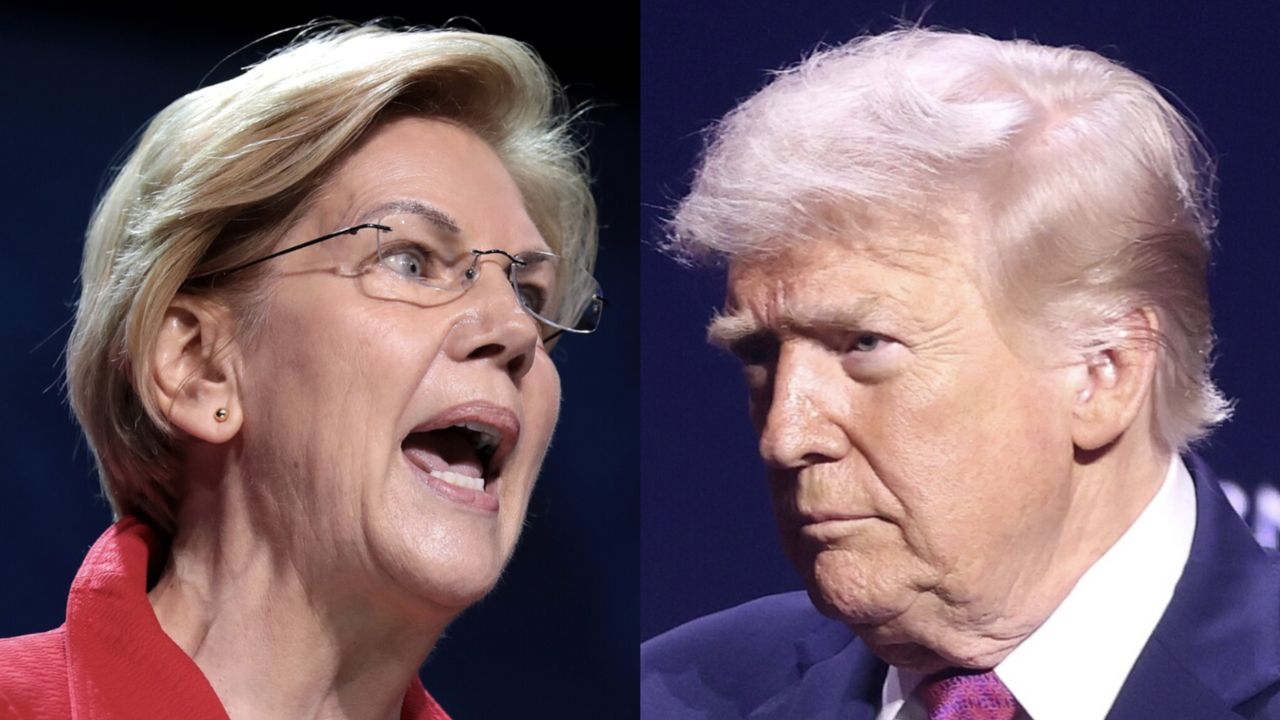
U.S. Sen. Elizabeth Warren, the top Democrat on the Senate Banking Committee, blamed President Donald Trump’s economic record on Wednesday for the Federal Reserve’s decision to raise interest rates. In a post on X, she warned that American families would absorb the cost, and she put a dollar figure on the hit to credit card users alone. The senator’s message came as the Fed’s first rate increase in more than three years begins to flow through to household borrowing costs, in an economy also strained by the U.S.-Iran war and the administration’s tariff policies.
Warren published the post at 6:07 PM ET on Sept. 30, 2026. In full, it reads:
“The Fed just raised interest rates. And families will pay the price. Credit card users alone will see roughly $2 BILLION in additional interest charges over the next year.
And it’s all thanks to Donald Trump’s failed economic policies.”
The post did not cite a source or methodology for the $2 billion estimate.
The Fed’s First Hike in Three Years
The rate increase Warren referenced was announced two weeks earlier. On Sept. 16, the Fed raised its benchmark rate by a quarter percentage point, lifting the federal funds target range from 3.50–3.75 percent to 3.75–4.00 percent. It was the first increase since 2023. The vote of the Federal Open Market Committee was unanimous, 12-0.
The decision was the first major test for Fed Chair Kevin Warsh, who took over from Jerome Powell this year. Warsh told reporters after the meeting that “inflation is too high and has been for too long.” He said the economy had strengthened since the Fed’s July meeting, while inflation trends had not improved enough and geopolitical risks had shifted. He described all three as grounds for the unanimous vote.
Warsh put the 12-month rate of the Fed’s preferred inflation gauge at roughly 3.6 percent for August, with core inflation near 3.2 percent. The FOMC statement pointed to persistent inflation, with core PCE running above 3 percent every month of 2026, and to “geopolitical developments.” Both readings sit well above the Fed’s 2 percent target.
More Hikes Possible, Trump Pushes Back
The Fed’s updated projections showed most policymakers expecting at least one more increase before the end of the year. Warsh declined to commit to a path, telling reporters he is not “in the forward guidance business.” Markets are pricing in further tightening. After Warsh’s press conference, traders put the odds of an October hike at 49 percent and of at least one more hike this year at 87 percent.
Trump had pressed publicly for the opposite outcome. After the decision, he posted on Truth Social that U.S. rates should be 1 percent or lower and that the Fed should cut “AND FAST.” He later told reporters the Fed board was “very political.” White House aide Kush Desai called the hike “unfortunate” and said the remaining inflation was being driven entirely by an energy supply shock tied to oil prices in the Middle East.
Why Credit Card Users Are Exposed
Credit card rates are variable and tied to the prime rate, which moves with the Fed’s benchmark. Prime stood at 6.75 percent as of the September hike, and issuers typically pass a quarter-point increase on to cardholders, often without advance notice beyond what the account agreement already provides. The Fed’s latest data put the average APR at 20.94 percent across all accounts and 22.15 percent on accounts that carry a balance. A quarter-point increase adds a modest amount per borrower, but it lands on rates that were already near record highs.
The exposure is large because so many households carry balances. Credit card debt reached $1.26 trillion in the second quarter, according to the Federal Reserve Bank of New York, and roughly 60 percent of the country’s 175 million cardholders carry revolving balances. Aggregate balances are close to the record of $1.28 trillion set late last year. That is the base on which Warren’s $2 billion estimate would accrue.
Warren’s Running Fight Over Credit Card Rates
The Wednesday post is the latest in a months-long campaign by Warren over credit card interest. Trump called in January for a one-year, 10 percent cap on credit card rates. Warren told CNBC that month that Trump had phoned her to discuss it. She has since argued that the pledge went unfulfilled. At a Senate Banking Committee hearing, she asked witnesses to name a single bank that had lowered its rate to 10 percent, and concluded that none had. She told the panel Americans had paid roughly $57 billion in interest above that level since Jan. 20.
In April, Warren wrote to bank regulators asking whether they planned to enforce the cap. She criticized the agencies for having “done nothing” while average card rates hovered around 21 percent. A CFPB spokesperson responded that the Dodd-Frank Act bars the agency from directly capping credit card interest rates. In May, she said in an X post that families were being charged an extra $368 million in interest every day Trump failed to deliver.
Warren on the Fed, Tariffs and the Iran War
Warren has tied the Fed’s direction to Trump’s broader economic and foreign policy choices. When the Senate confirmed Warsh 54-45, she wrote on X that the vote was “another step in Trump’s attempt to take over the Fed.” In a floor speech before that vote, she accused the president of seeking to install “sock puppets” at the central bank to boost the economy before the November midterms.
On Sept. 16, as the Fed met, Warren’s office issued a statement saying that if Trump ended the war in Iran and reversed his tariffs, inflation would be lower and the Fed might be discussing rate cuts. She said she wants families to pay less on mortgages and credit cards, but that “Donald Trump is standing in the way.” The administration disputes that framing. Desai attributed the remaining inflation to Middle East oil prices rather than to monetary policy.
Warren returned to the theme on Wednesday in a separate statement on a Fed inspector general’s report about the central bank’s headquarters renovation. The report found no criminality, and Warren said the president should stop trying to fire Fed governors and instead end his tariffs and the war in Iran. Under Warsh, the Fed has raised rates once and is expected to do so again this year.
Democrats Frame the Hike as a Political Liability
Warren was not alone among Democrats. Senate Minority Leader Chuck Schumer posted on X that the hike was the inevitable result of Trump’s failures. On the day of the decision, Warren posted that Americans would pay more on mortgages and credit card bills because of the president. With the midterm elections about five weeks away, Democrats are using rising borrowing costs to make a case about affordability.
Rising rates also reach beyond credit cards. The 10-year Treasury yield crossed 5 percent during the week of the decision, its highest level since 2007, and mortgage rates track that yield most closely. Whether further Fed hikes arrive this year, and how much of the burden falls on households carrying debt, will shape the economic argument heading into November. Warren’s post makes clear which party she believes should answer for it.